The Breakout Moment for Video and Image Models: How Stronger Models and Agentic Workflows Are Transforming Creative Work
Four converging forces are pushing visual AI to a mainstream adoption tipping point right now.
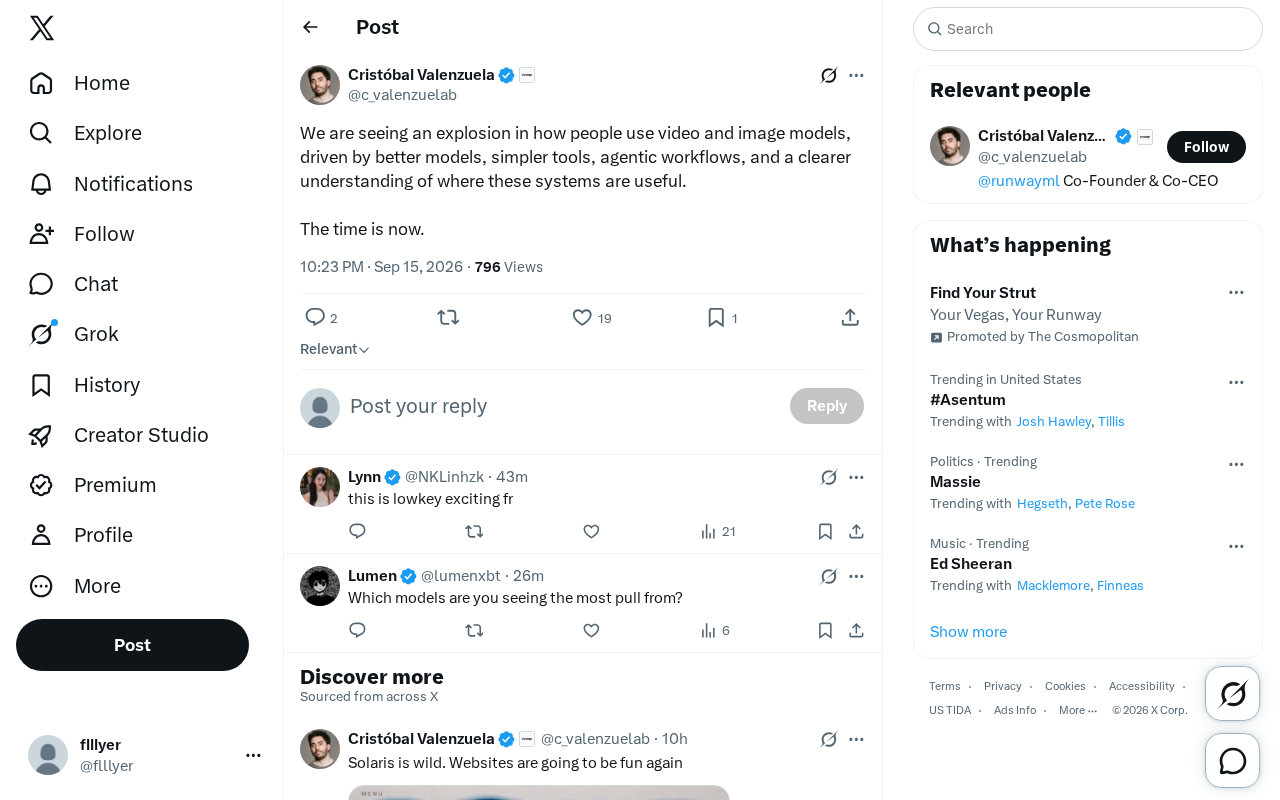
A tweet from a tech practitioner identifies four core drivers behind the explosion in visual generative AI: dramatically improved model capabilities, lower tooling barriers, agentic workflows enabling multi-step automation, and users' growing clarity about where these systems actually work. The article argues that these four pieces have rarely aligned so simultaneously, marking a tipping point from early experimentation to mainstream adoption. It also maintains a grounded perspective, noting that challenges around copyright, deepfakes, long-video coherence, and generation costs remain unresolved — and that understanding capability limits is just as important as seizing the opportunity.
The Signal Behind a Tweet
A tweet from a tech professional has been making the rounds recently: "We're seeing an explosive growth in the way people use video and image models, driven by better models, simpler tools, agentic workflows, and a clearer understanding of where these systems actually work. The time is now."
Though brief, this statement precisely identifies several core drivers behind the current surge in generative AI for visual content. It's not vague optimism — it breaks down the "why now" into concrete technical and ecosystem variables. This article takes that framing as a starting point to analyze the transformation currently underway in video and image generation models.
Four Drivers, All Necessary
The explosive growth described isn't the product of any single factor. It's the result of four forces maturing simultaneously.
Stronger Models
Over the past few years, image generation has evolved from blurry, distorted experiments into outputs approaching professional photography quality. Progress in video models has been even more rapid — from shaky clips lasting only a few seconds to outputs that maintain temporal coherence, physical plausibility, and character consistency. This leap in model capability has shifted the fundamental question from "can this even work?" to "how do we use it better?"
Simpler Tools
No matter how powerful a model is, it can't achieve widespread adoption if only engineers can access it. The tooling layer — from web interfaces to one-click generation apps — has dramatically lowered the barrier to entry, enabling creators without technical backgrounds to get started. This simplification has pushed AI visual capabilities out of the lab and onto the desks of everyday users.
Agentic Workflows
The original tweet specifically highlights "agentic workflows." This means generation is no longer a one-shot, single-step operation. Instead, AI agents orchestrate multiple steps in sequence: interpreting requirements, generating drafts, self-evaluating, and iterating toward a better result. This automated multi-step collaboration allows complex creative tasks to be decomposed and executed automatically, significantly improving both output efficiency and quality.
The core technical foundation of agentic workflows involves using large language models or multimodal models as "planners," combined with tool use and memory modules, enabling AI to automatically break a high-level goal into subtasks and execute them in sequence. In video generation, a typical agentic pipeline might look like this: parse the user's text description, auto-generate a storyboard, call an image model to generate key frames, use a video interpolation model to fill in the in-between frames, and finally call an audio model to match background music — all without requiring human intervention at each step. This is fundamentally different from the traditional "prompt in → single output" paradigm. Representative frameworks driving this direction include LangGraph, AutoGen, and proprietary agent orchestration tools developed by major model providers. As agentic workflows mature, creators can describe their intent in natural language and let the system autonomously complete tasks that once required collaboration across multiple specialized roles.
Clearer Understanding of Use Cases
The fourth factor is often overlooked, yet it's critical: people increasingly understand what these systems are actually good at. Early users frequently brought unrealistic expectations to AI, or struggled to identify genuinely valuable applications. As hands-on experience has accumulated, high-value use cases — marketing assets, rapid prototyping, content creation, ad production — have become clearly defined, and demand is now matching capability with much greater precision.
What "The Time Is Now" Actually Means
The original tweet ends with "The time is now," conveying a practitioner's judgment: the four puzzle pieces of technology, tooling, methodology, and market understanding have finally all clicked into place at the same moment.
This kind of simultaneous maturation window is rare in the history of technology. It often marks the inflection point where a field transitions from early experimentation to mainstream adoption. For creators, this is the right moment to start learning and building experience. For businesses, it's the moment to re-examine content production workflows and honestly assess whether AI can reduce costs or increase output quality.
A Rational Perspective Worth Keeping
It's worth noting that the original post is an opinion tweet, reflecting an optimistic viewpoint from a particular vantage point, without specific data or case studies to back it up. While the claim of explosive growth has intuitive support, the degree of maturity varies enormously across industries and applications.
Video and image models also face very real challenges: disputes over copyright and training data, risks around content authenticity and deepfakes, bottlenecks in maintaining coherence across longer videos, and generation costs — none of these are fully resolved. So while seizing the opportunity matters, understanding the capability limits of these systems is equally important — which, fittingly, echoes what the original tweet itself calls "a clearer understanding of where these systems actually work."
Deepfakes represent one of the most prominent social risks posed by visual generative AI. They involve using generative models to replace a real person's face or voice in a video, creating convincingly false content. As video generation quality improves, the barrier to creating such content has dropped sharply, and real harm has already been documented in areas like political disinformation, financial fraud, and non-consensual intimate imagery. The industry and research community are currently pursuing two main countermeasures: content provenance technologies — such as the C2PA (Coalition for Content Provenance and Authenticity) standard, which embeds encrypted metadata into media files to mark AI-generated content — and AI-generated content detection models that identify characteristic artifacts to aid in classification. However, both approaches have significant limitations at present, and the technical arms race between "offense" and "defense" continues. This ongoing tension is also a key reason why regulators around the world are accelerating efforts to develop AI content governance frameworks.
Conclusion
This tweet is worth unpacking precisely because it condenses a macro trend into an analyzable set of factors. Model capability, tool accessibility, agentic pipelines, and use-case clarity — these four elements are resonating together, pushing visual generative AI toward a new phase of mainstream adoption. For anyone paying attention to this space, rather than debating whether it's "a bubble," the more productive question is: which parts of your own work and creative practice can already be meaningfully empowered by these tools today?
Related articles
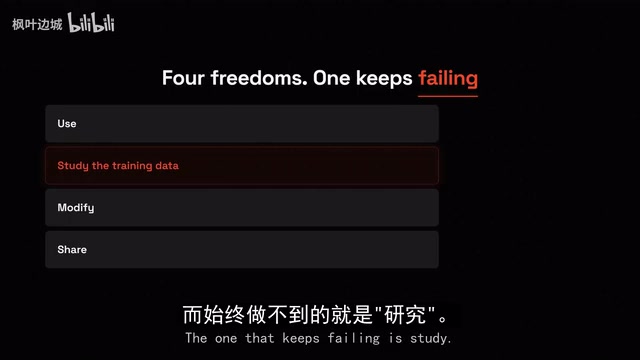
The Truth About Open-Source AI: You Got the Cake, Not the Recipe
Open-source AI exposed: what you download is weights (the cake), not training data or code (the recipe). A deep dive into open weights vs. true open source, Meta/Alibaba/DeepSeek business strategies, and how US/China/EU governments are redrawing the boundaries of openness.
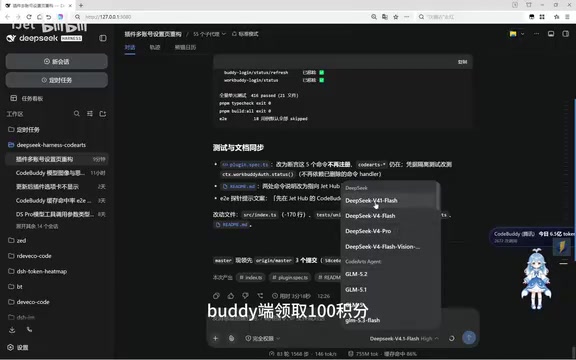
Free DeepSeek V4.1 Flash via DSH: Bulk Point Collection & International WorkBuddy Tested
DSH project update tested: WorkBuddy now offers 100 points per claim, rate limits raised beyond 80M tokens with faster resets, and international WorkBuddy supports free Hunyuan 4 and DeepSeek V4.1 Flash.
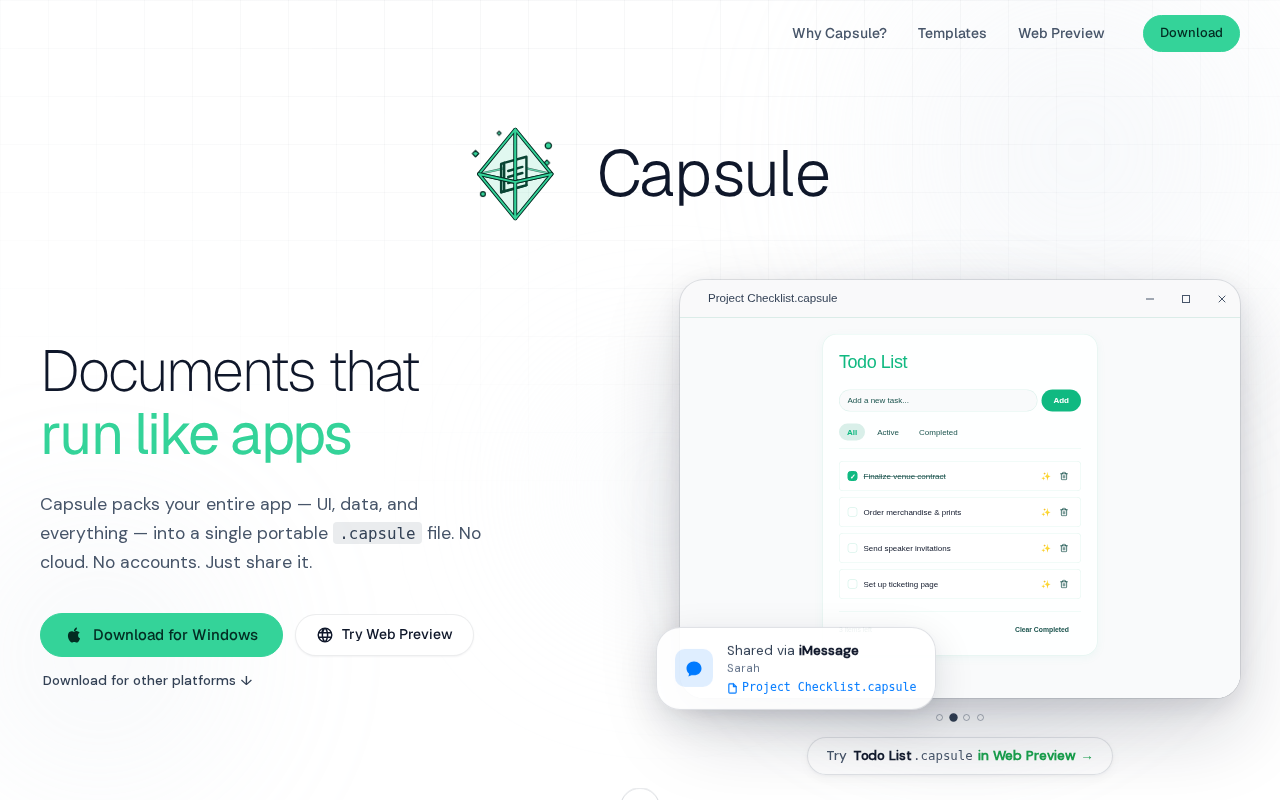
Capsule: Pack Web Apps and Data into a Single SQLite File
Capsule is a Rust/Tauri 2.0 tool that packs HTML web apps and data into a single SQLite file — privacy-first, local storage, portable sharing, with AI support.