#LangGraph
29 related articles
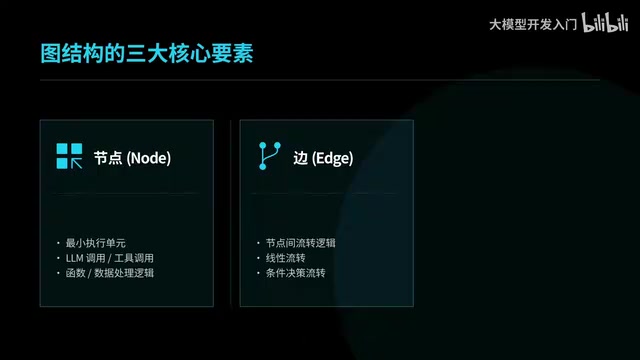
From Chain to Graph: Why LangGraph Is Essential for AI Application Development
Explore the evolution from Chain to Graph in AI development. Understand LangGraph's nodes, edges, and state, and why graph architecture beats chain-based design for complex Agent applications.

LangGraph Beginner's Guide: The Complete OS for AI Agents
LangGraph is called the OS for AI Agents. This guide covers its relationship with LangChain, State/Node/Edge fundamentals, checkpoints, human-in-the-loop, and subgraphs.
 Tutorials
From Traditional RAG to Agentic RAG: Core Principles and Implementation Guide
Deep dive into the technical differences between traditional RAG and Agentic RAG, covering offline/online pipeline principles, tool-based autonomous decision mechanisms, and a LangGraph-based Agentic RAG implementation via the ChatBox open-source project.
 Tutorials
Advanced LangGraph in Practice: Complete Guide to Agent Optimization, Evaluation, and Cloud Deployment
Deep dive into three advanced LangGraph topics: multi-agent architecture optimization, evaluation frameworks for non-deterministic AI systems, and cloud deployment with LangGraph Platform.
 Tutorials
LangGraph + MCP in Practice: A Deep Dive into Agent Architecture and the MCP Protocol
Deep dive into the MCP protocol's core principles and practical applications, covering agent capabilities, MCP architecture, ERP integration, and building agents with LangGraph.
 Tutorials
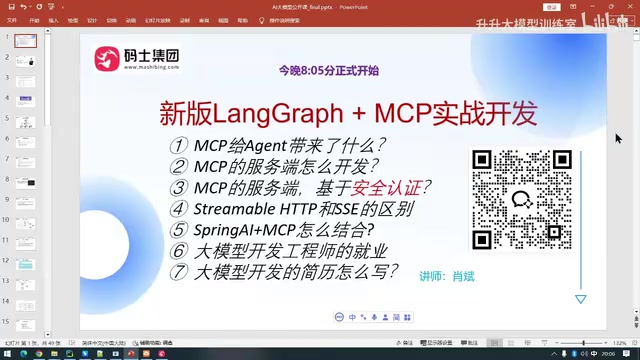
LangGraph + MCP in Practice: A Deep Dive into Agent Architecture and the MCP Protocol
Deep dive into MCP (Model Context Protocol) core principles and practical applications, covering agent capabilities, MCP architecture, ERP integration, and building agents with LangGraph.
 Tutorials
LangGraph 0.5.3 + MCP Agent Development in Practice: Security Authentication & Deployment Guide
LangGraph 0.5.3 introduces MCP server security authentication and agent deployment solutions. Combined with Qwen3 models, it provides a complete production-grade AI agent development stack.
 Tutorials
LangGraph Multi-Agent Architecture: Graph Structure Principles and Enterprise-Level Implementation Guide
Deep dive into LangGraph's core graph structure design, single and multi-agent collaboration patterns, MCP protocol integration, and Time Travel fault-tolerance, with enterprise-level hybrid multi-agent architecture implementation.
 Tutorials
LangGraph Multi-Agent Architecture: Core Principles and Enterprise-Level Implementation Guide
Deep dive into LangGraph multi-agent architecture covering Graph structure principles, MCP service integration, Time Travel debugging, and supervised multi-agent enterprise implementation patterns.
 Tutorials
LangGraph + MCP: A Practical Guide to Building Enterprise-Grade ChatBI Data Analysis Agents
Learn how to build a ChatBI data analysis Agent from scratch using LangGraph + multi-MCP architecture, covering centralized-to-decentralized evolution, NL2SQL, agent orchestration, and enterprise deployment.
 Tutorials
LangGraph vs LangChain: How to Choose Your Agent Development Framework
In-depth comparison of LangGraph vs LangChain: controllability, extensibility, and FastAPI-powered performance. Covers storage, enterprise private deployment, and migration guidance for agent developers.
 Tutorials
Frontend Engineers Leveling Up to AI Agents: LangGraph.js Architecture Design & Practical Guide
How can frontend engineers advance into AI Agent development? This guide covers LangGraph.js core architecture (state, nodes, edges), LangChain comparison, and workflow agent design with practical examples.
 Tutorials
Enterprise Multi-Agent Development: Low-Code Platforms vs. Hand-Written Code — An In-Depth Comparison
In-depth comparison of two enterprise multi-agent development approaches: low-code platforms like Dify vs. hand-written code with LangGraph. Covers efficiency, flexibility, security, and prompt injection defense strategies.
 Tutorials
AgentSpan in Practice: Building Persistent AI Agents in Python with Crash Recovery and Human Approval
Learn how AgentSpan enables AI Agent state persistence with crash recovery, human approval workflows, and seamless LangGraph integration. Full Python examples included.
 Tutorials
LangGraph Multi-Agent Architecture in Practice: A Complete Guide from Single Agent to Enterprise-Level Applications
In-depth guide to LangGraph multi-agent architecture: covering Graph structures, MCP protocol integration, single Agent building to enterprise-level multi-agent collaboration for AI developers.
 Tutorials
LangGraph 1.0.5 Tutorial: Master AI Agent Orchestration & Multi-Agent Systems in Six Lessons
Complete guide to LangGraph 1.0.5 tutorial series covering durable execution, memory management, Human in the Loop, streaming, time travel, and multi-agent collaboration.
 Tutorials
Langmanus Multi-Agent Framework Deep Dive: Architecture Principles and Agent Extension in Practice
Deep dive into Langmanus multi-agent framework architecture, explaining LangGraph orchestration with Coordinator, Planner, Supervisor and execution agents, plus a hands-on guide to adding custom agents.
 Tutorials
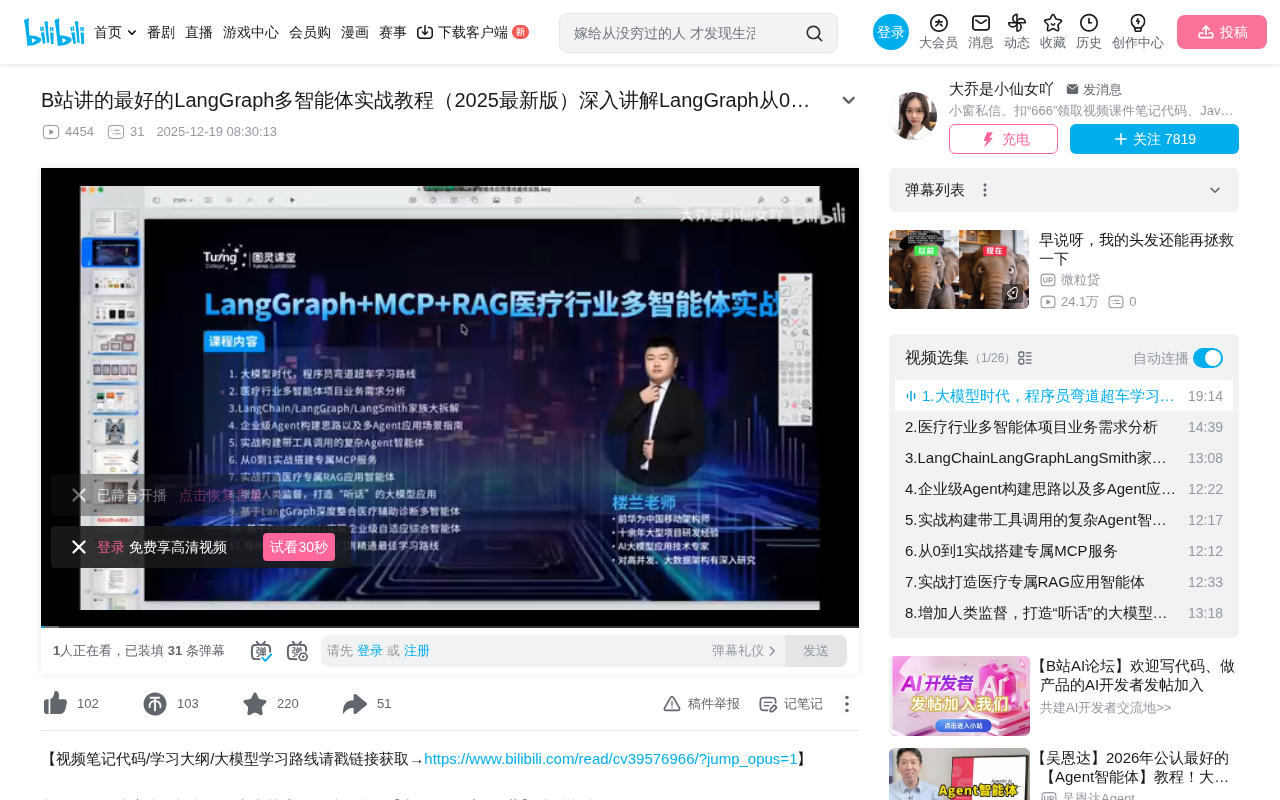
LangGraph Multi-Agent in Practice: Building a Medical Agent System from Scratch
A deep dive into LangGraph multi-agent architecture for healthcare, covering LangChain, RAG, and MCP integration, from requirements analysis to Agent orchestration.
 Tutorials
Beginner's Guide to AI Large Language Models: GPU Requirements & Core Tech Stack Explained
2025 complete guide to AI LLMs: local deployment GPU/VRAM requirements (RTX 4090/24GB) and core tech stack including Prompt Engineering, Agents, MCP, LangGraph, and WorkFlow orchestration.
 Product Reviews
2025 Comparison of Six Major Agent Development Frameworks: AutoGen/LangChain/LangGraph Selection Guide
In-depth comparison of six AI Agent frameworks—AutoGen, LangChain, LangGraph, Google ADK, OpenAI Agents, AgentScope—covering architecture, ecosystem maturity, and practical selection advice.