The Multi-Agent Architecture Debate: Fixed Graph vs. Dynamic Discovery
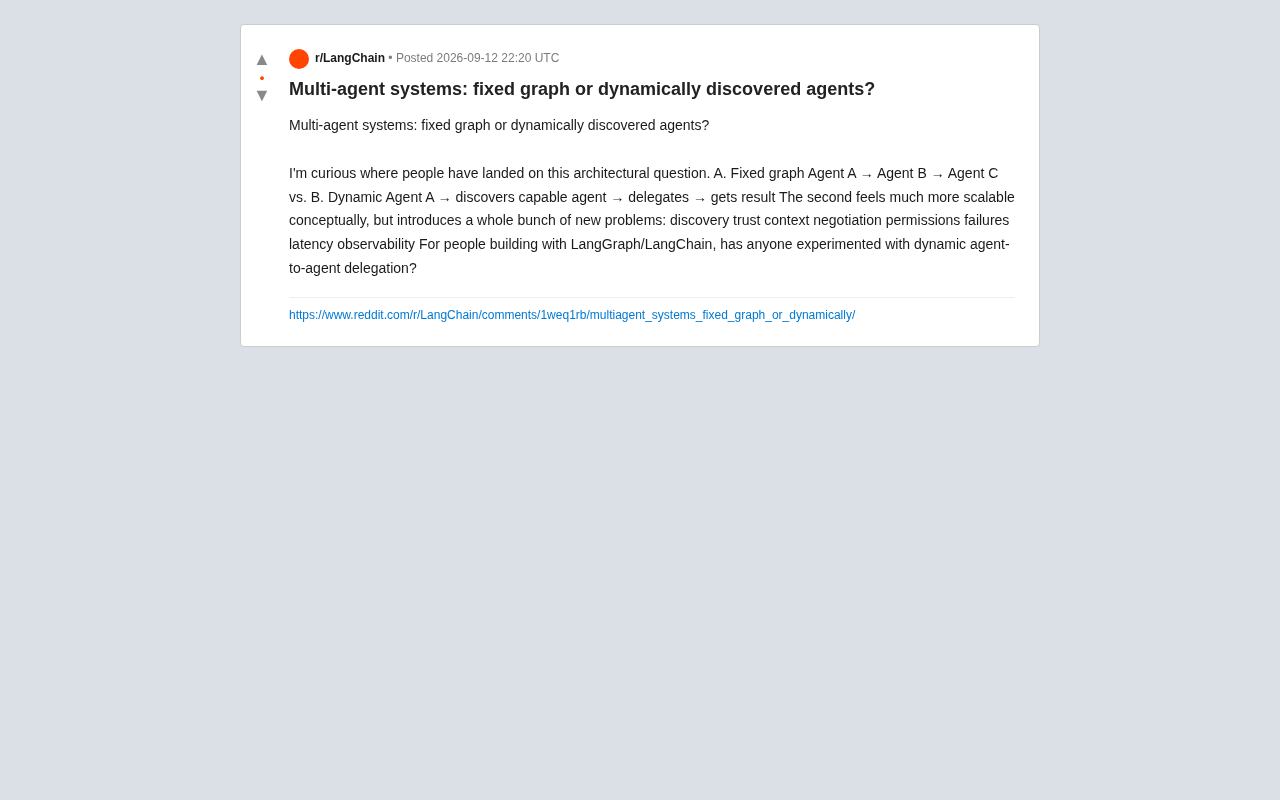
Fixed graph vs. dynamic discovery in multi-agent systems — trade-offs, challenges, and a pragmatic middle ground.
This article examines the core architectural choice in multi-agent systems: Fixed Graph vs. Dynamic Discovery. Fixed graphs pre-define agent relationships at design time, offering strong determinism and easy debugging for stable workflows. Dynamic discovery lets agents find collaborators at runtime for better scalability, but introduces six new challenges: discovery, trust, context negotiation, permissions, failure handling, and latency — with observability being especially thorny. Mainstream frameworks like LangGraph favor fixed graphs, and dynamic delegation remains largely exploratory in practice. The recommendation: start with a fixed graph and introduce limited dynamic delegation at specific nodes to balance flexibility with control.
An Architectural Choice That's Keeping Developers Up at Night
As developers build multi-agent systems, a fundamental architectural question is sparking more and more debate: should you use a Fixed Graph, or let agents dynamically discover each other at runtime and collaborate on the fly?
This question surfaced on Reddit and immediately struck a nerve — it touches on the trickiest trade-offs in modern Agent engineering. On the surface, it looks like a simple choice between two connection models. In reality, it runs deep into system scalability, reliability, and observability.
The Core Difference Between the Two Paradigms
Option A: Fixed Graph
The fixed graph model is straightforward: Agent A → Agent B → Agent C. Developers define agent relationships and data flows explicitly at design time — the entire collaboration path is pre-orchestrated.
The strength of this approach lies in its determinism. Every step — who executes it, who receives the result — is hardcoded into the orchestration logic. That translates to better predictability, easier debugging, and simpler error handling. For relatively stable workflows (like a "retrieve → summarize → review" pipeline), a fixed graph is often the more pragmatic choice.
The limitations are equally clear: adding new capabilities or adjusting the flow usually requires manually modifying the graph structure. The more complex the system, the higher the maintenance cost.
Option B: Dynamic Discovery and Delegation
The dynamic model works differently: Agent A → discover capable agents → delegate task → receive result. Rather than relying on pre-defined paths, agents find and invoke the most suitable collaborator at runtime based on the task at hand.
As the original poster put it, this approach "feels much more scalable conceptually." In theory, the more agents registered in the system, the richer its overall capabilities — with no need to rewrite orchestration logic. This loose coupling brings the design closer to the vision of an "agent marketplace."
Six New Problems Dynamic Delegation Introduces
The scalability gains don't come for free. The original post accurately catalogued a set of new problems that dynamic agent delegation introduces — challenges that Agent engineering hasn't fully solved yet:
- Discovery: How does Agent A know which agent has the capability to complete a task? This requires some kind of capability registry and query mechanism.
- Trust: Can dynamically discovered agents be trusted? How do you prevent malicious or low-quality agents from corrupting results?
- Context Negotiation: What context needs to be passed when delegating a task? How do both parties agree on input/output formats?
- Permissions: What resources can a delegated agent access? How are permissions propagated and scoped across the delegation chain?
- Failures: When a link in a dynamic chain fails, how do you gracefully degrade or retry?
- Latency: Discovery and negotiation themselves introduce overhead; multi-level dynamic delegation can significantly increase response times.
The original post also called out Observability as a particular concern. When call paths are only determined at runtime, tracing exactly which agents handled a request — and what happened at each step — becomes far more difficult than with a fixed graph. This poses direct challenges for production debugging and monitoring.
Observability issues aren't new in distributed systems, but they're especially acute in dynamic multi-agent scenarios. In traditional microservice architectures, distributed tracing relies on standards like OpenTelemetry, linking cross-service call chains via TraceIDs. However, agent system call chains often carry large amounts of unstructured natural language context, and call depth is only determined at runtime — making it difficult to directly apply existing APM (Application Performance Monitoring) tools. The community is actively exploring standardized "Agent Trace" formats. Tools like LangSmith and Langfuse attempt to provide tracing at the LLM call level, but full end-to-end visualization of multi-agent delegation chains remains a largely unsolved engineering problem.
Practical Considerations for the LangGraph/LangChain Ecosystem
The original poster specifically asked developers using LangGraph/LangChain: has anyone actually attempted dynamic agent-to-agent delegation in practice?
The question itself reveals something real: despite the appeal of dynamic discovery, it remains in the exploratory stage in mainstream framework implementations. LangGraph's design leans toward explicitly describing agent collaboration as a graph — which naturally fits the fixed graph approach. Achieving true dynamic discovery on top of it typically requires developers to build their own capability registry, routing decision infrastructure, and more.
From a practical engineering standpoint, the two approaches aren't mutually exclusive. A pragmatic middle ground is: maintain the control of a fixed graph at the macro level, while introducing limited dynamic delegation capabilities at specific nodes. This way, you get the flexibility of dynamic routing while constraining uncertainty within observable, debuggable boundaries.
LangGraph is a stateful, multi-step Agent orchestration framework released by the LangChain team in 2024. Its core abstraction models workflows as directed graphs, where nodes represent Agent or tool calls and edges represent state transition logic. Compared to LangChain's earlier linear Chain structure, LangGraph supports cycles and conditional branching — making it better suited for Agent scenarios requiring iterative reasoning and self-correction. State is explicitly defined as a Python TypedDict and shared across nodes, which makes debugging more intuitive but also means the graph structure must be declared in code upfront — creating some tension with the dynamic discovery philosophy. To implement dynamic routing, the typical approach is to model the "routing decision" itself as an LLM call node, where the model outputs which Agent to invoke next, then jumps via a conditional edge — essentially simulating dynamic behavior within a fixed graph structure.
How to Choose
For most teams building multi-agent systems, there's no one-size-fits-all answer. The key is evaluating your own context:
- If your business workflows are relatively stable and you have high requirements for reliability and debuggability, a fixed graph is usually the safer starting point.
- If you're dealing with open-ended scenarios where capabilities are continuously expanding, and your team has the bandwidth to address discovery, trust, observability, and other supporting concerns, dynamic discovery may be worth the investment.
Multi-agent architecture is a rapidly evolving field. The discussion sparked by the original post is a reminder: the real challenge usually isn't "which architecture is more advanced" — it's finding the right balance between flexibility and control for your specific system.
Related articles
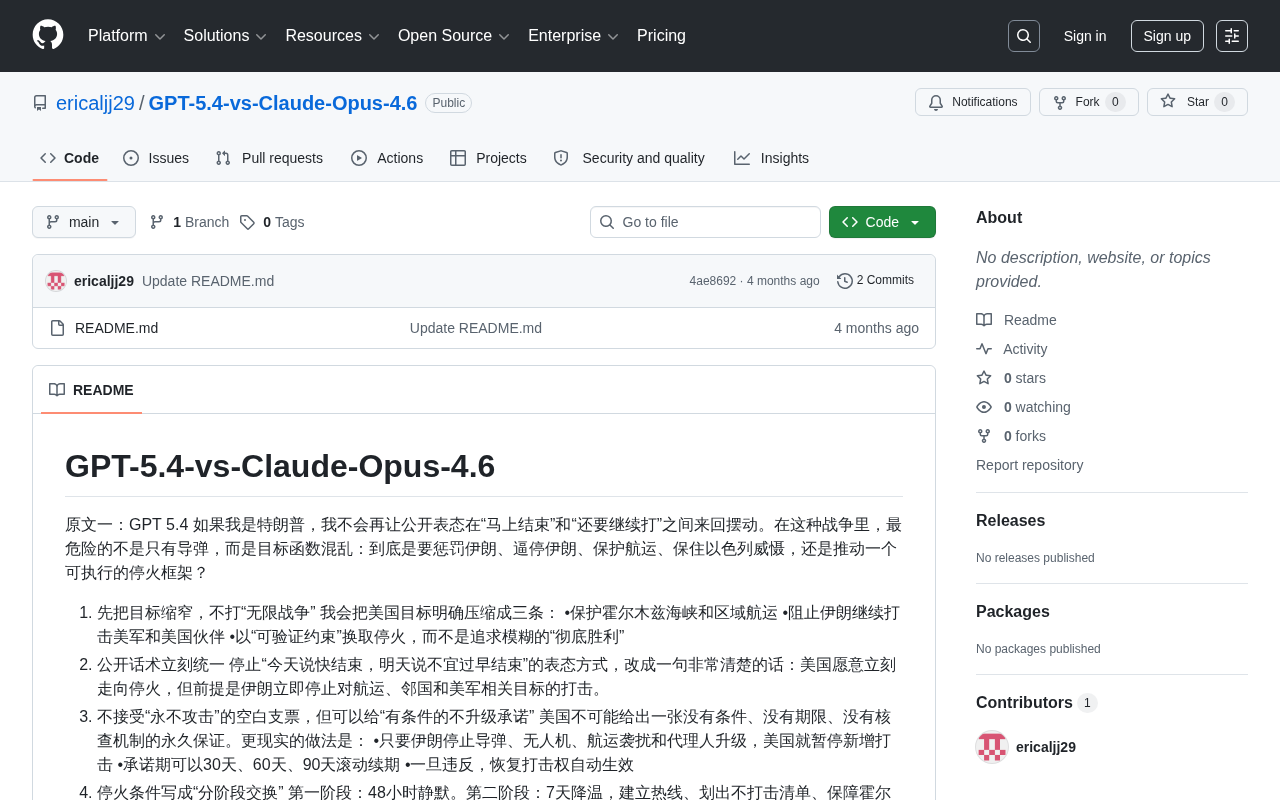
Insufficient Material: GPT-5.4 vs Claude Opus Comparison Repository Lacks Substantive Content
A GitHub repo named GPT-5.4-vs-Claude-Opus-4.6 has 0 stars, no code, and no evaluation data — not enough to support a meaningful model comparison article.
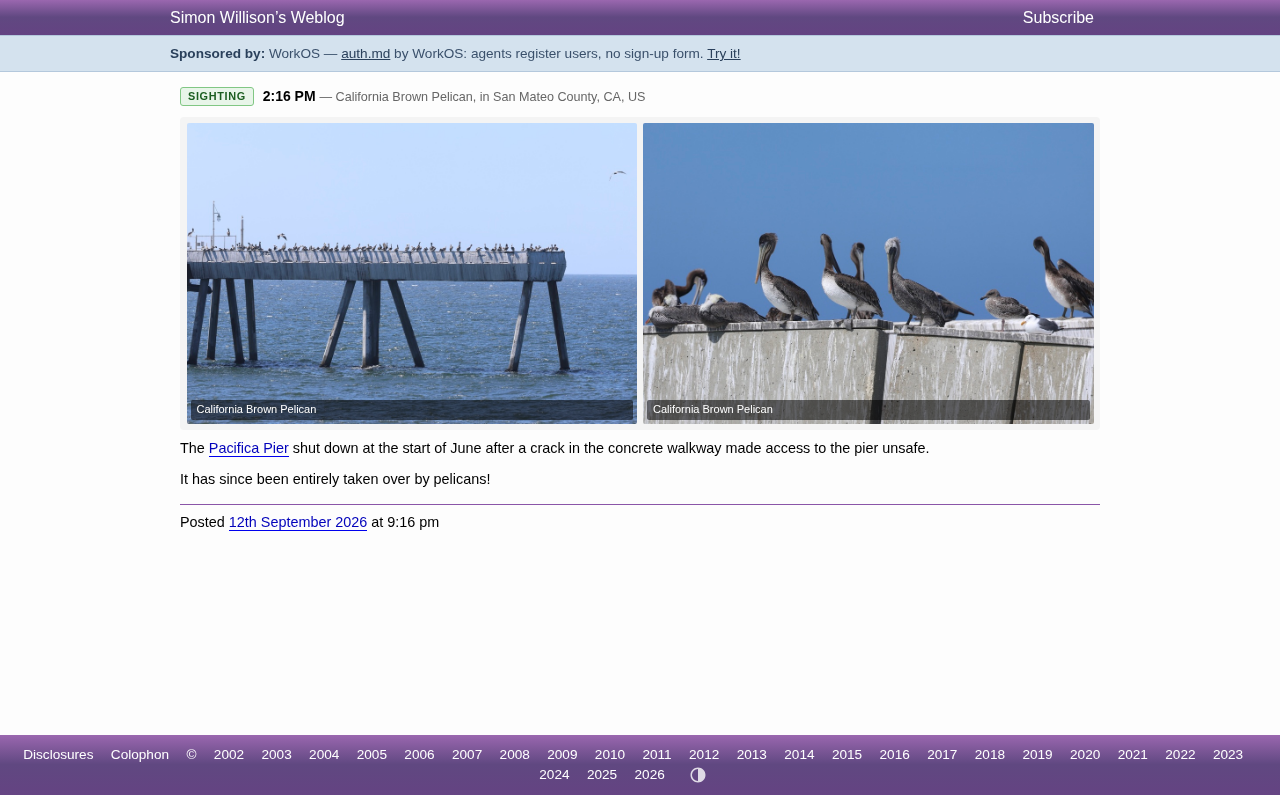
Insufficient Material: California Brown Pelican Observation Cannot Support a Tech Article
This source material is a nature observation of California Brown Pelicans at Pacifica Pier. It has no connection to AI or tech topics and cannot support a tech article.
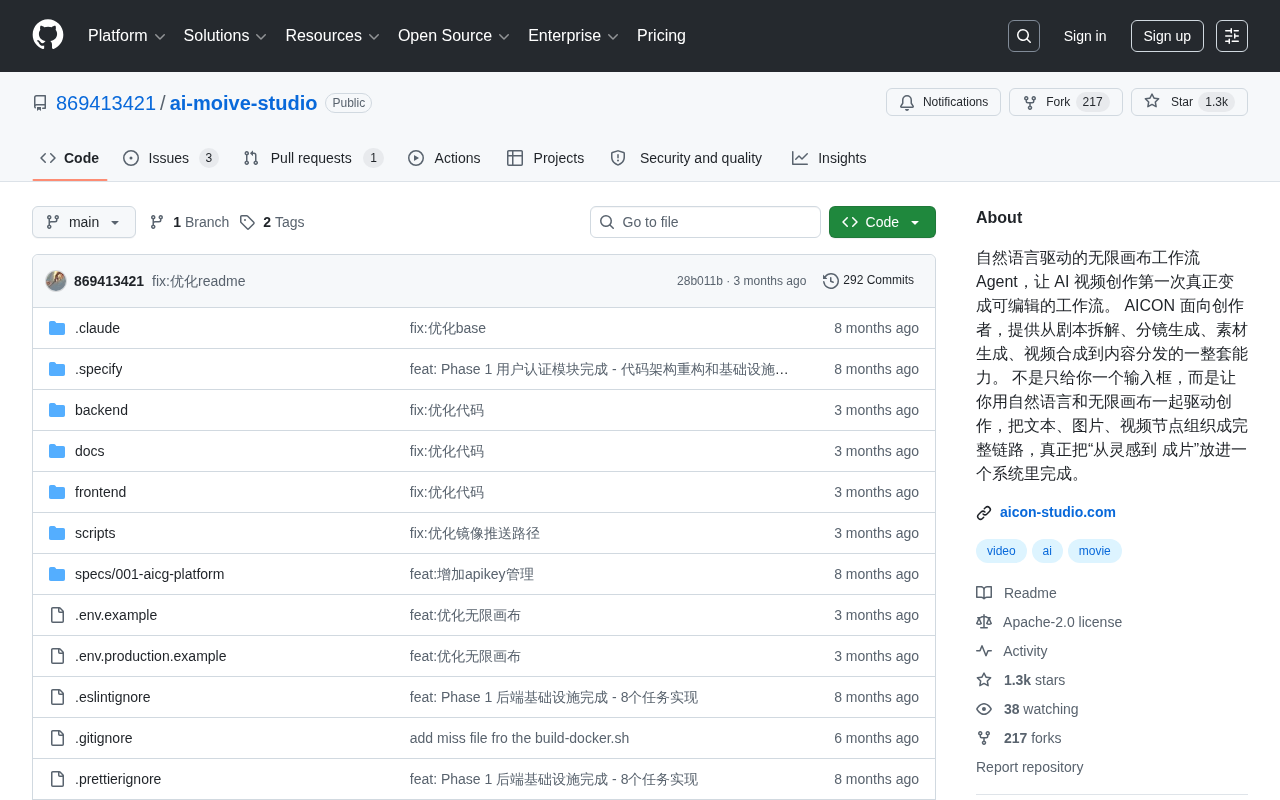
AICON: Natural Language-Powered Infinite Canvas That Turns AI Video Creation into an Editable Workflow
AICON (ai-moive-studio) is an open-source AI video creation tool using natural language and an infinite canvas to turn the full production pipeline into an editable, node-based workflow.