The Product Philosophy Behind One Tweet: Why the Muse Team Deserves Attention
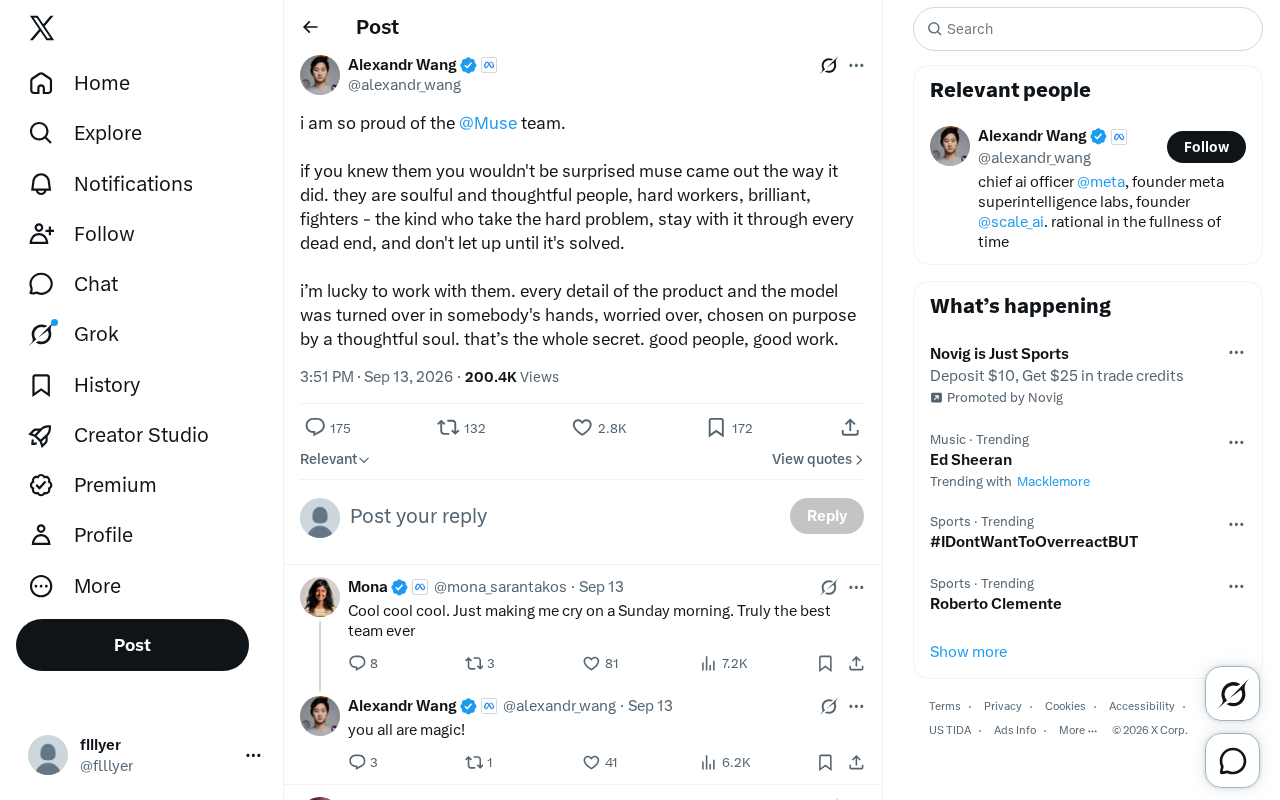
A team tribute tweet reveals the core logic behind Muse's quality: good people, good work.
This article analyzes a social media post from someone connected to the Muse team, which describes the team as soulful, thoughtful, hardworking, brilliant, and tenacious fighters — noting that every product and model detail was held, worried over, and chosen intentionally by real people. The author uses this as a springboard to explore how team culture and working style serve as a deep source of product differentiation in an era where AI capabilities and tech stacks are converging. The article also notes clearly that the tweet is a statement of philosophy, not a technical disclosure, and that specific details about Muse's capabilities await official release.
A Heartfelt Tribute to a Team
A member closely connected with the Muse team posted on social media expressing pride in the entire team. The tweet contained no stacked technical specs or over-the-top marketing language — instead, it put the spotlight squarely on the people who built the product: who they are, and how those qualities ultimately show up in every detail of the product and model.
The author wrote: "If you know them, you wouldn't be surprised by what Muse became." The weight of that line lies in how it directly connects product quality to team character, suggesting that Muse's performance is no accident — it's the natural result of a particular group of people investing themselves over the long haul.
The Kind of People Who Make Great Products
In this brief post, the author used several key words to describe the team: soulful, thoughtful, hard workers, brilliant, and fighters.
The most striking is the definition of "fighters": people who take on hard problems, persist through every dead end, and refuse to stop until they've solved it. This is almost a precise portrait of what high-intensity product development looks like. Building AI products and models often means hitting walls countless times and starting over — what truly separates teams isn't raw intelligence at the outset, but the resilience to keep going through extended failure.
This description is persuasive precisely because it doesn't rest on a vague "our team is great" claim. Instead, it paints a specific picture of how they work — the attitude toward hard problems is what separates mediocre teams from exceptional ones.
"Every Detail Has Been Held and Worried Over by Someone"
One line in the post cuts straight to the heart of what makes a product: "Every detail of the product and model has been held by someone, worried over, and chosen intentionally."
This reveals a development philosophy that is increasingly diluted by industrialized processes — deliberate, human, responsibility-driven trade-offs. At a time when many teams chase rapid iteration and bulk output, being willing to invest thought in every detail, with a specific person "caring" about each decision, is itself a rare quality.
The author distills this into the whole secret: good people, good work. This sounds simple, but it captures the core logic of product craftsmanship — tools and methods can be replicated, but the obsession with detail and the sense of ownership over outcomes come from individual people.
What One Tweet Reveals About the Deeper Competition in AI Products
In the AI space, model capability, compute, and data are typically seen as the key competitive factors. But this tweet offers a perspective that's easy to overlook: team culture and ways of working are equally a deep source of product differentiation.
As foundational models and tech stacks grow increasingly similar, the final feel, reliability, and experience differences in products often come down to whether a team is willing to invest time in those "invisible details." A team that's willing to grind through dead ends and take ownership of every decision will naturally deliver products with a different quality and texture.
It's worth noting that this tweet is a personal tribute to a team — it doesn't disclose specific technical details, performance benchmarks, or release information about the Muse product or model. It's more of a philosophical statement than a product review or technical announcement. What Muse actually is and what it's capable of will still need to be assessed once more official information is available.
Takeaway
The value of this tweet isn't in any new technology it introduces — it's in the reminder it offers the industry: behind great AI products stand people who are soulful and uncompromising. In an era of intensifying technological arms races, returning to the simple logic of "good people, good work" may well be the real reason some teams endure.
Related articles
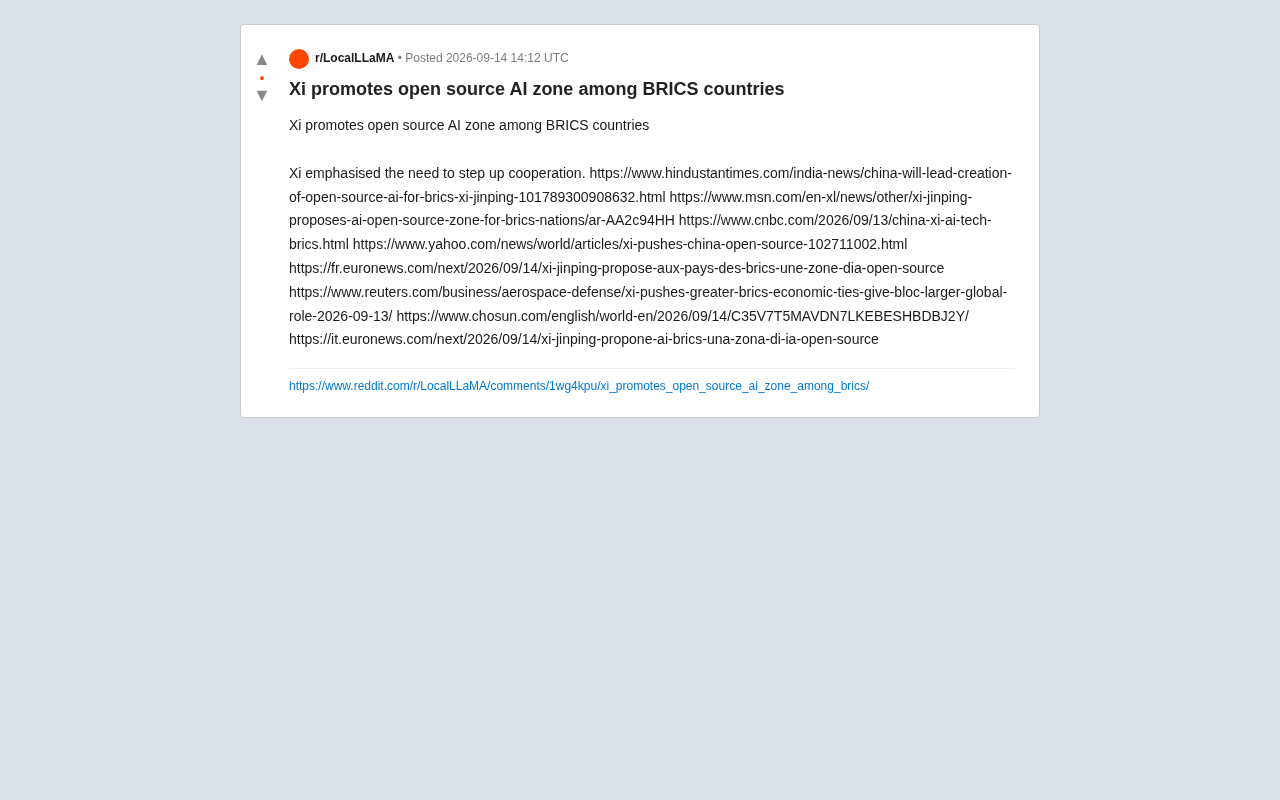
Xi Jinping Proposes Open Source AI Cooperation Zone Among BRICS Nations
Xi Jinping proposed an open source AI cooperation zone at the BRICS summit. Analyzing the strategic intent, open source rationale, and global AI governance implications.
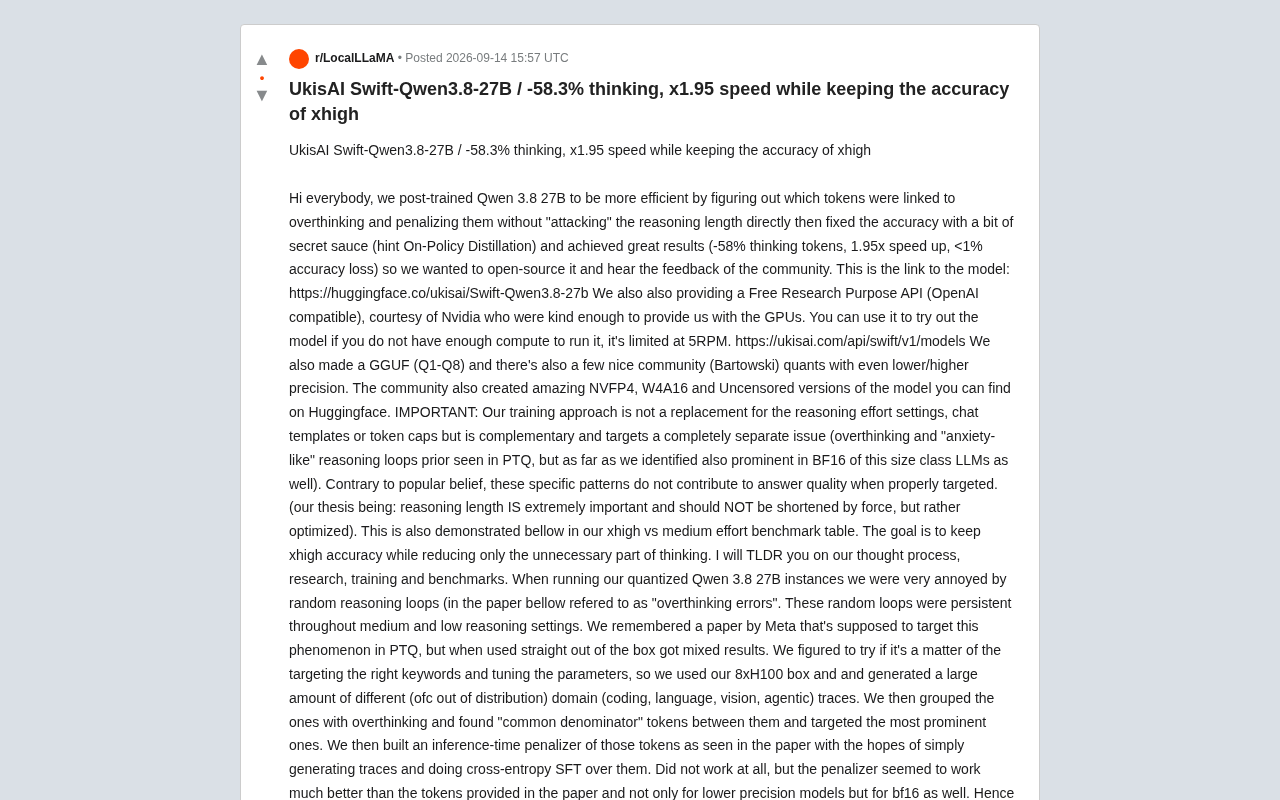
Swift-Qwen3.8-27B: 58% Fewer Thinking Tokens, Nearly 2x Faster Inference
UkisAI open-sources Swift-Qwen3.8-27B, cutting thinking tokens by 58% and boosting inference speed 1.95x via overthinking token penalties and on-policy distillation — with under 1% accuracy loss.
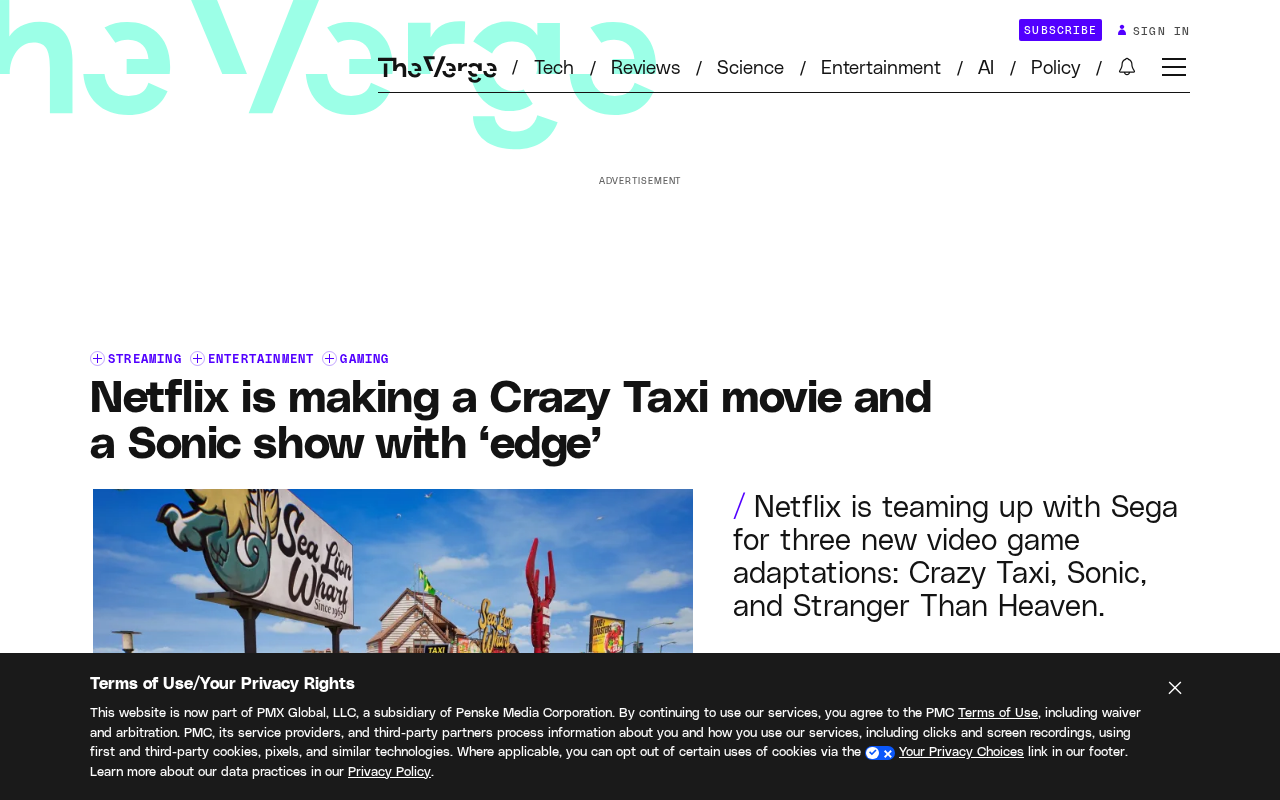
Netflix Partners with Sega: Crazy Taxi Movie and New Sonic Animated Series on the Way
Netflix announces three Sega game adaptations: a Crazy Taxi movie, a new Sonic animated series with edge, and a live-action film based on RGG Studio's Stranger Than Heaven.