The Real Luxuries in Life: Time, Health, and Focus
Time, health, focus, and genuine relationships are the true luxuries money can't buy.
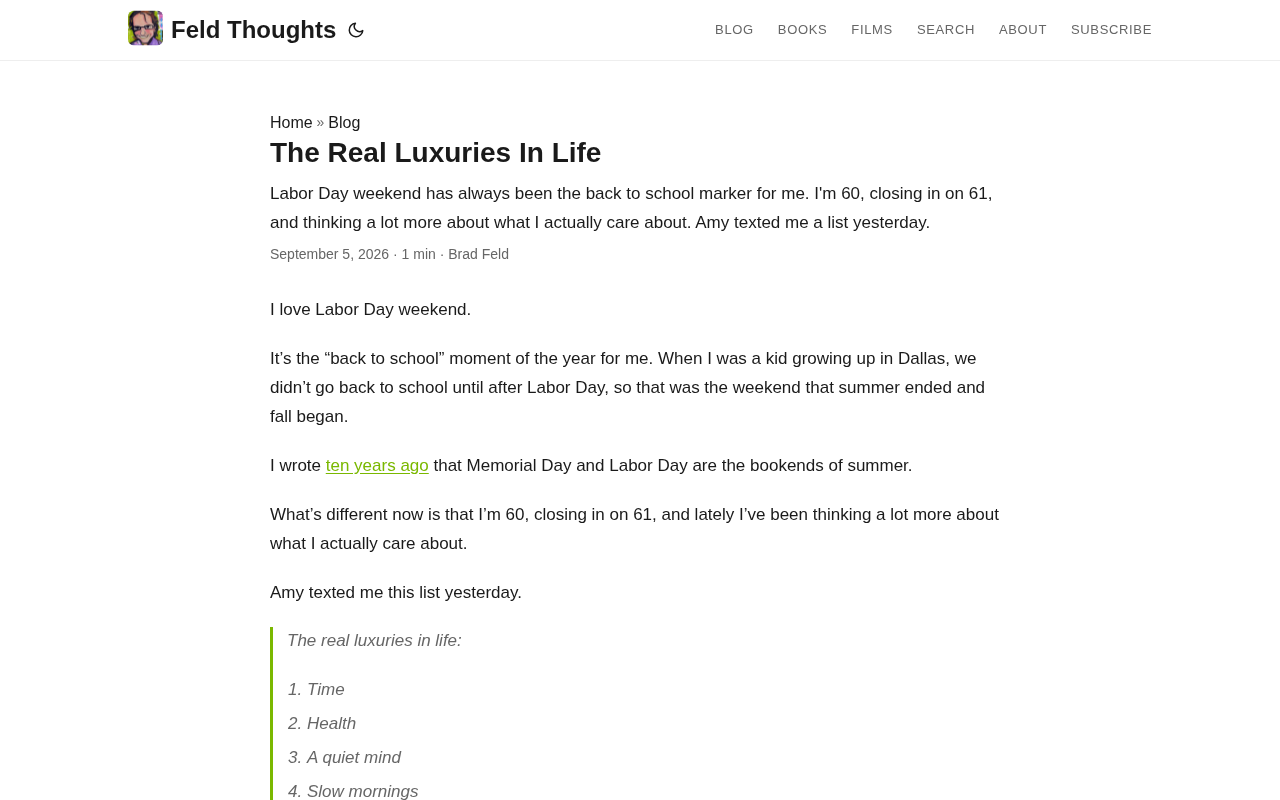
Venture capitalist Brad Feld's blog post on life's real luxuries sparked major discussion on Hacker News. Beyond material wealth, the truly scarce resources are time, health, deep focus, and authentic relationships. For tech professionals caught in hustle culture, this serves as a powerful reminder to protect what money can't replace before it's too late.
When Wealth Is No Longer Scarce, What Counts as True Luxury?
A short blog post titled The Real Luxuries In Life by renowned venture capitalist and Foundry Group co-founder Brad Feld has sparked widespread discussion. Brad Feld is a prominent American venture capitalist who began his investment career in 1987. Foundry Group, which he co-founded, is a venture capital fund focused on early-stage technology companies, headquartered in Boulder, Colorado. The fund's portfolio includes well-known tech companies such as Fitbit, Zynga, and MakerBot. Feld is also a co-founder of Techstars, a startup accelerator that has become one of the most influential incubators in the world. His blog, Feld Thoughts, has long covered topics like entrepreneurship, investing, and founder mental health, and carries significant influence in Silicon Valley's tech circles.
The article received 407 upvotes and 188 comments on Hacker News, touching on a topic long overlooked yet critically important to the Silicon Valley tech and startup community: when material wealth is no longer a scarce resource, what are the real luxuries in life? Hacker News is a social news website created in 2007 by Y Combinator, Silicon Valley's premier startup accelerator, focusing on computer science and entrepreneurship topics. Its user base consists mainly of programmers, founders, investors, and tech professionals, and it's known for high-quality discussions and rational debate. An article's score and comment count on Hacker News are important indicators of its impact within the tech community. Receiving hundreds of upvotes and comments means the topic struck a chord with the tech world, sparking broad resonance and deep reflection.
The question may seem simple, but it cuts to the heart of the dilemma facing today's tech professionals, entrepreneurs, and anyone in a high-pressure career. In an era where everyone is chasing financial freedom, Feld's perspective offers a radically different value framework.
Redefining "Luxury": From Material Consumption to Time Freedom
What Money Can Buy Is Losing Its Value
Traditional luxury goods — sports cars, designer watches, mansions — deliver sharply diminishing marginal returns on happiness once wealth reaches a certain level. The psychological phenomenon of "hedonic adaptation" has long demonstrated that people quickly adjust to improved material conditions and revert to their baseline level of happiness.
Hedonic adaptation is a core concept in behavioral economics and positive psychology, first proposed by psychologist Philip Brickman and colleagues in the 1970s. Research found that whether people experience major positive or negative life events (such as winning the lottery or suffering a serious accident), their happiness levels tend to return to a personal baseline after short-term fluctuations. This explains why increases in material wealth fail to produce lasting happiness gains. Neuroscience research shows that the brain's reward system gradually adapts to new levels of stimulation, causing the same stimulus to produce diminishing pleasure — which is why the thrill of your first luxury car fades so quickly.
For many who have achieved success in the tech industry, what's truly scarce is no longer purchasing power, but rather the things money can't directly buy. The core message Feld conveys in his article is this: the real luxuries are often the most basic, most easily overlooked elements of life.
Time: The Ultimate Non-Renewable Resource
In the lively Hacker News discussion, commenters repeatedly emphasized one consensus: time is the only resource that cannot be infinitely increased through wealth. You can earn more money, but everyone has just 24 hours in a day, and a lifetime is finite and irreversible.
Being able to control your own time — deciding when to work, when to rest, when to be with family — has paradoxically become an extremely scarce "luxury" in modern workplace culture. Many high-income earners are actually the most time-poor demographic, having traded health and togetherness for wealth, only to realize at some point that the deal wasn't worth it.
Silicon Valley's tech industry has long been steeped in "hustle culture," glorifying long working hours, always being online, and rapid iteration. This culture has given rise to "time poverty" — where high-income groups are financially affluent yet severely lacking in self-directed time. Studies show that tech industry employees work an average of 50–60 hours per week, with founders working even longer. This sustained imbalance between work and life leads to burnout over time. Time economics research indicates that once income reaches a certain level, spending money to buy more free time improves happiness more than continuing to increase earnings.
Health: The Most Undervalued First Luxury
The Preciousness of Physical Freedom
In the discussion, "health" was repeatedly cited as the most easily overlooked true luxury. A body that can walk normally, sleep well, and remain free from chronic pain is taken for granted in youth, but as age advances, its irreplaceable value becomes increasingly apparent.
As some commenters put it: "When you're healthy, you have a thousand wishes; when you're sick, you have only one." This saying precisely reveals health's foundational position in the hierarchy of life's values. No amount of wealth can fully buy back lost health — good physical condition is both the most expensive and most priceless luxury.
Long-term high-pressure work environments trigger sustained stress responses, causing chronic elevation of stress hormones like cortisol, which systematically damages health. Medical research has shown that chronic stress is closely linked to cardiovascular disease, immune dysfunction, metabolic disorders, sleep disturbances, and mental health problems. For tech professionals, occupational habits such as prolonged sitting, sleep deprivation, and irregular eating further compound health risks. The World Health Organization has classified burnout as a factor affecting health. A growing body of research shows that preventive health investments — such as regular exercise, adequate sleep, and stress management — deliver far greater long-term returns than after-the-fact medical intervention.
Sleep and Mental Well-Being Are Also Scarce Resources
Sufficient, high-quality sleep is especially scarce in a tech industry where a culture of chronic sleep deprivation prevails. Being able to wake naturally according to your own circadian rhythm, rather than being ruled by alarms and meeting schedules, is itself a rare form of freedom. Good sleep isn't just about physical health — it directly impacts creativity, decision-making quality, and emotional stability.
Modern sleep science research reveals that adults need 7–9 hours of sleep to maintain optimal cognitive function. Sleep deprivation significantly impairs executive function, decision quality, creativity, and emotional regulation. Neuroscience research has found that during sleep, the brain performs critical processes including memory consolidation, metabolic waste clearance, and neural connection reorganization. Chronic sleep deprivation is associated with increased risk of Alzheimer's disease, diabetes, obesity, and other conditions. For tech workers who require high cognitive performance, sleep quality directly affects work efficiency and innovation capacity. Yet the tech industry's "996" culture (9 AM to 9 PM, six days a week) and always-on expectations severely erode employees' sleep time.
Deep Relationships and Inner Freedom: Realms Money Can Barely Reach
Authentic Human Connection
Beyond time and health, the article and discussion also touched on another dimension of luxury: genuine, deep human relationships. In a transactional social environment, having friendships free of ulterior motives and spending quality time with family are becoming increasingly rare.
For many people at the center of power and wealth, discerning the true motivations of those who approach them becomes even harder. Consequently, relationships that are pure, authentic, and given without expectation of return constitute a precious form of wealth that money struggles to buy.
Social capital theory, developed by sociologists Pierre Bourdieu, Robert Putnam, and others, posits that social networks themselves are an important resource. Research distinguishes between "bridging social capital" (weak ties across different circles) and "bonding social capital" (strong ties within homogeneous groups). For personal well-being, the latter — deep, trust-based intimate relationships — proves more critical. The Harvard Study of Adult Development, spanning over 80 years, found that high-quality relationships are the strongest predictor of long-term happiness and health, surpassing wealth, fame, or IQ in importance. Yet in the transactional world of professional networking, purely genuine friendships have become scarce, creating what might be called modern "relationship poverty."
Focus and Inner Peace
In an era of information overload, where attention is contested by countless apps and notifications, the ability to focus deeply on one thing for an extended period has itself become a luxury. Deep thinking, flow states, uninterrupted creative time — these are immensely valuable to entrepreneurs and tech workers, yet increasingly difficult to achieve.
Attention economy theory argues that in an age of information overload, human attention has become the scarcest resource. Social media, instant messaging, and all manner of apps compete for users' attention, significantly shortening modern attention spans. Psychologist Mihaly Csikszentmihalyi's concept of "flow" — a state of complete absorption and optimal experience — requires uninterrupted deep focus. Research shows that after each interruption, the brain needs an average of 23 minutes to fully return to its previous state of concentration. For programmers, designers, and other creative workers, protecting continuous blocks of deep work time is essential, but modern work environments (frequent meetings, instant messages, open-plan offices) severely undermine this possibility.
Moreover, inner peace and freedom from anxiety are "luxuries" that modern people widely lack. Breaking free from the endless pursuit of wealth and achieving a sense of inner contentment delivers far more lasting happiness than any accumulation of material possessions.
Implications for Tech Professionals
Reexamining the Definition of Success
The reason Feld's short post resonated so powerfully is that it challenges Silicon Valley's mainstream success narrative. In an industry where valuations, exits, and financial freedom are treated as ultimate goals, a growing number of people are realizing: if you sacrifice time, health, and relationships for these goals, then so-called "success" may be a terrible deal.
"Financial independence" refers to a state where passive income covers living expenses, eliminating the need to work for money. This concept is widely popular in tech startup circles and the FIRE (Financial Independence, Retire Early) movement. However, those who achieve financial independence often face "post-wealth anxiety" — when survival pressure disappears, the absence of life purpose and direction brings new distress. Existential psychologist Viktor Frankl emphasized that humans need a sense of meaning beyond material concerns to achieve true fulfillment. Research shows that people who view wealth as a tool for achieving goals rather than an end in itself tend to have better mental health. This suggests we need to cultivate sources of value independent of money, even as we pursue financial success.
This serves as a reminder to every tech professional and entrepreneur: in the pursuit of career goals, you must consciously protect those truly scarce resources rather than depleting them without limit.
The Wisdom of Balance and Trade-offs
True wisdom may lie in recognizing that wealth is a means to an end, not the end itself. When we treat time, health, and deep relationships as "luxuries" that require careful stewardship rather than expendable costs, our life decisions take on an entirely different set of priorities.
Conclusion
Brad Feld's The Real Luxuries In Life uses brevity to touch on a profound life question. In today's world of material abundance, what's truly scarce isn't what money can buy — it's time, health, focus, and authentic relationships.
For tech professionals who endure sustained high-pressure environments, this article serves as a timely reminder: while pursuing career success, don't forget those things that can't be measured in money and are nearly impossible to recover once lost — the real luxuries. Perhaps life's greatest wisdom is learning to cherish these seemingly ordinary yet infinitely precious things before it's too late.
Related articles

OpenAI Launches ChatGPT Images 2.5: A New Breakthrough in AI Image Generation
OpenAI launches ChatGPT Images 2.5, supporting sketch, reference image, and text multimodal input, significantly enhancing personalized image generation and refinement.
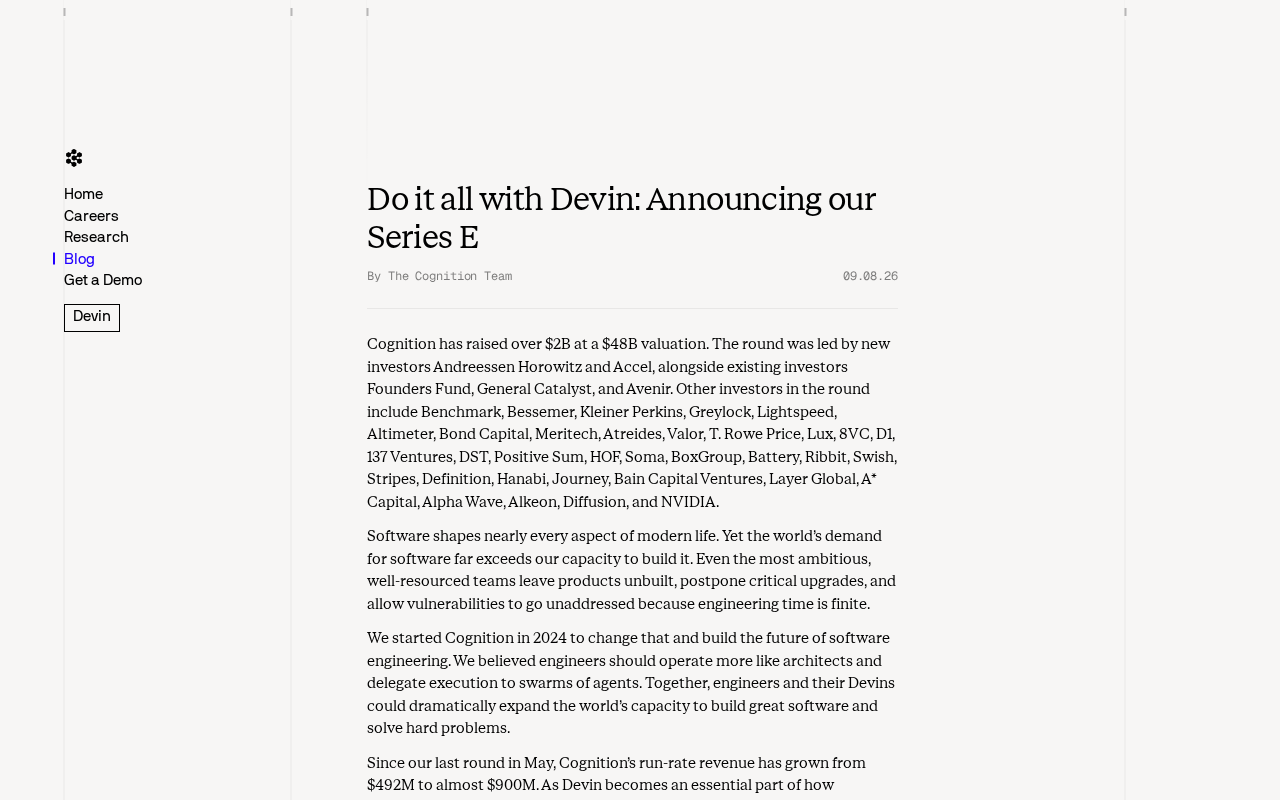
Devin's Parent Company Cognition Raises $2B, Valuation Soars to $48B
Cognition closes $2B funding round at $48B valuation, joining the ranks of highest-valued AI startups. Deep dive into Devin's technical positioning, capital logic, and competitive landscape.
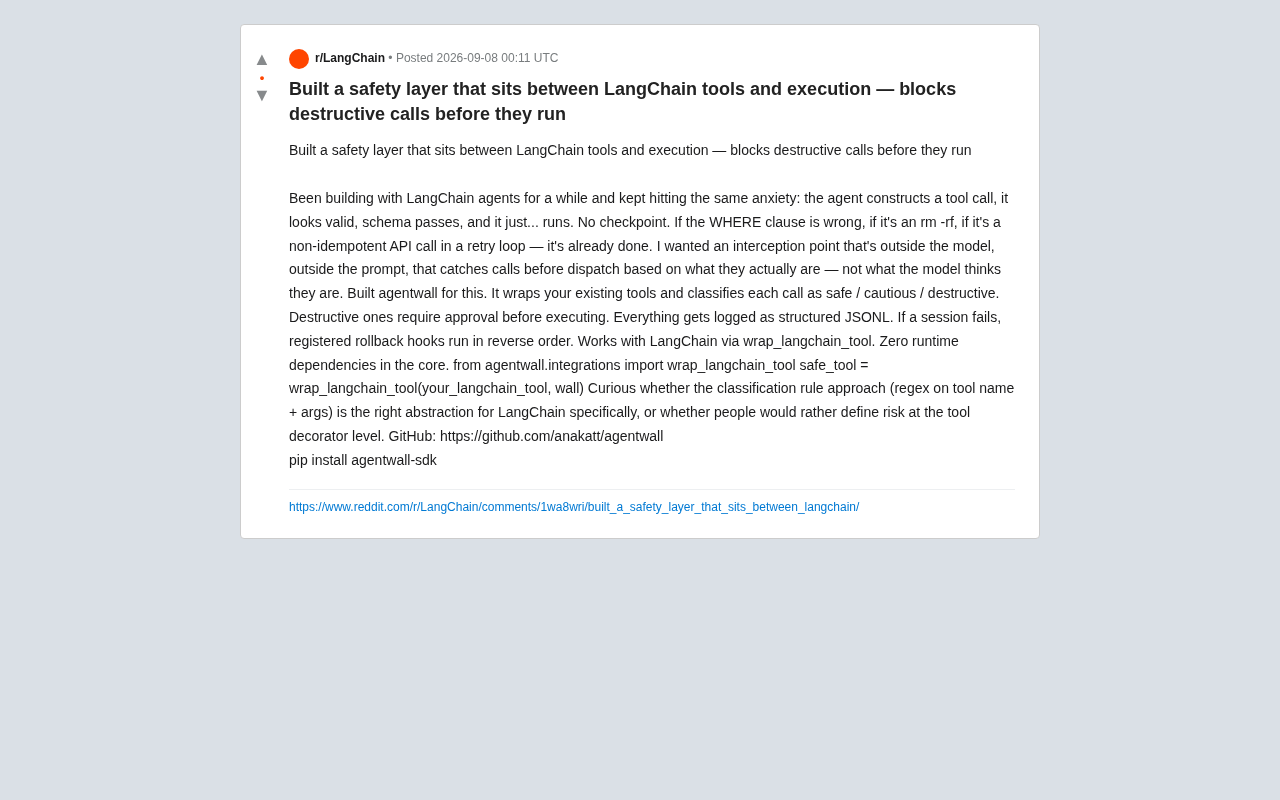
AgentWall: A Security Interception Solution for LangChain Tool Calls
AgentWall provides pre-execution security interception for LangChain Agents through three-tier risk classification, human approval, and rollback hooks, addressing architectural risks of unchecked autonomous tool execution.