The Research-Grade Claude Code Has Arrived: How Colossal Science Closes the Last Mile of AI for Science
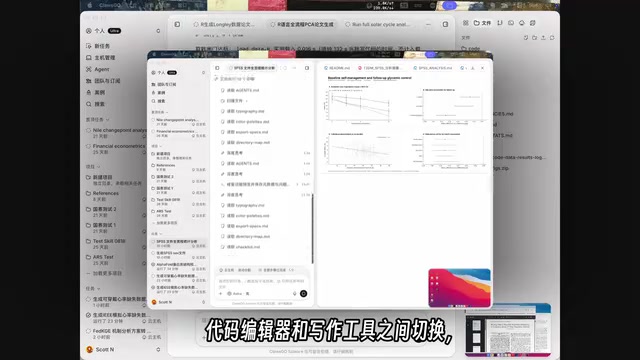
Closco chains AI capabilities into a complete research workflow through a four-step closed loop, freeing researchers from tool-shuttling.
Colossal Science (Closco) tackles AI for Science's core pain point — researchers acting as human APIs between literature, code, data, figures, and writing tools — with a four-step closed loop: connecting scattered tools, keeping tasks moving via Loop and Graph mechanisms, binding results to traceable evidence, and distilling the entire process into reusable research assets.
AI has never lacked powerful models in scientific computing. What's missing is a tool that chains those capabilities into a complete research workflow. That's exactly the problem Colossal Science (Closco) is targeting — connecting literature, data, code, figures, and papers into a coherent whole, so a research task can be driven through to a deliverable result rather than stalling at single-turn question-and-answer interactions.
Researchers Are Becoming the "Human API" Between Tools
Real scientific work is never as simple as throwing a question at a model and getting an answer back. A complete research workflow includes: finding literature, verifying citations, downloading data, configuring environments, running code, fixing errors, generating figures, organizing references, and writing up results. Every step seems to have a corresponding AI tool that can help — but the person threading all those steps together is still the researcher.
The result: researchers constantly switch between browsers, PDF readers, statistical software, code editors, and writing tools, copying results, shuttling files, and re-explaining context to each new tool from scratch. In the end, the researcher becomes the "human API" connecting different AI and research tools. This is the core contradiction that has kept AI for Science from closing the loop.
Step One: Connect the Scattered Tools and Materials
Closco's first step toward closing the last mile is connecting the fragmented tools and materials. Researchers can hand Closco their research question, existing papers, and raw data. It will first read the provided materials, then search for missing literature around the research question. When it needs to access web pages, it opens a real browser to keep searching.
Found data flows directly into the analysis environment; figures generated from the analysis feed into the paper project. Literature, data, code, figures, and LaTeX are no longer five disconnected workstreams — they become different phases of the same research task. This connection eliminates the burden of researchers manually shuttling context between tools.
Step Two: Keep Tasks Moving Even When They Hit Obstacles
Connecting tools together isn't enough, because real research tasks rarely run through cleanly on the first attempt. The critical challenge for step two is keeping tasks moving forward even after they hit obstacles.
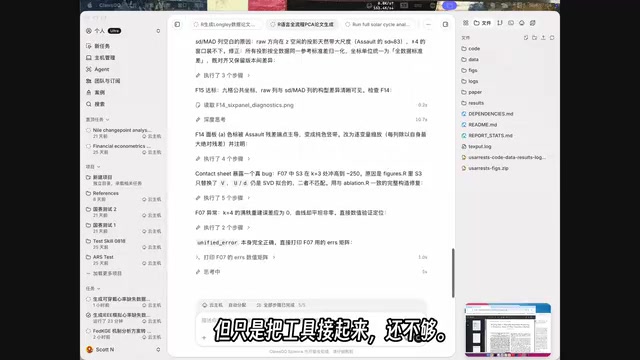
Closco writes and runs code in a real environment. When errors occur, it reads the feedback, locates the problem, modifies the code, and runs it again — rather than stopping at a "run failed" message. For long-running tasks, researchers don't need to stay glued to their computers; the task can continue executing in the cloud. When interruptions occur, the Loop mechanism resumes from the task's last known state. When a task spans multiple steps, Graph organizes them into a task graph, coordinating different nodes to advance in sequence. At this point, AI truly upgrades from "answering a question" to "advancing a task."
Loop and Graph are the two key architectural concepts that enable Closco to handle complex, long-running tasks. The Loop mechanism resembles a "retry + state recovery" pattern in software engineering: the system persists the current execution state of a task so that if a network outage, environment crash, or timeout occurs, execution can resume from the most recent checkpoint rather than starting over. Graph draws on the scheduling ideas behind directed acyclic graphs (DAGs) — decomposing a research task into multiple interdependent nodes (e.g., "download data → clean → model → plot"), with dependencies explicitly defined. The system can execute independent nodes in parallel, execute dependent nodes in sequence, and when one node fails, re-run only the affected subgraph. This architecture is already mature in data engineering (e.g., Apache Airflow, Prefect). Closco brings it into research workflows, meaning a complete research task can be scheduled, monitored, and recovered like a software pipeline.
Step Three: Connect Results Back to Evidence
Finishing a task doesn't mean the scientific work is done. Research results must also answer a fundamental question: where's the evidence? That's the purpose of step three — connecting results back to their evidence.
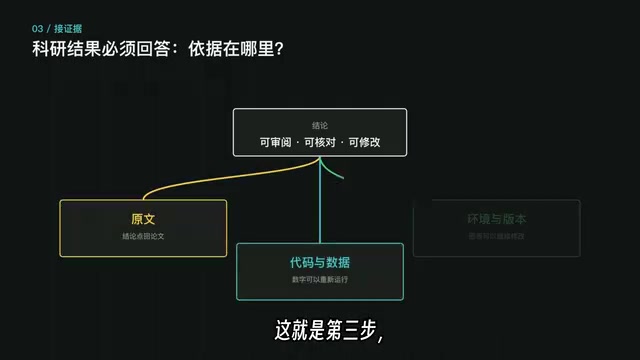
Literature conclusions compiled by Closco can be clicked through to the original source. Analysis results retain the actual code and data that produced them. Figures are saved together with the environment and version that generated them. When an advisor asks which paper supports a particular claim, the original text can be opened directly for verification. When a reviewer asks how a specific number was derived, the code and data are right there. When a figure needs adjustment, researchers can annotate the specific area and continue editing — rather than facing an untraceable image and starting from scratch. This means AI delivers not just an answer that looks correct, but a result that can be reviewed, verified, and further revised.
The underlying problem this step solves is the Reproducibility Crisis in scientific computing. Large-scale studies across the natural sciences have shown that more than half of published experimental results are difficult for independent teams to reproduce — one root cause being that raw data, analysis code, and runtime environments are often not fully preserved or shared. By binding conclusions to their original sources, code, and data versions, Closco effectively enforces a "reproducibility record" at the workflow level — every number has a source, every figure has an executable generation path. This aligns with the Open Science and computational notebook (e.g., Jupyter Notebook) movements in academia, with one key difference: Closco builds traceability into the task execution process itself, rather than relying on researchers to organize things after the fact.
Step Four: Distill the Research Process into Reusable Research Assets
Only when tools, tasks, and evidence are all connected does the final layer of value emerge: distilling a single research process into research assets that can be used again.
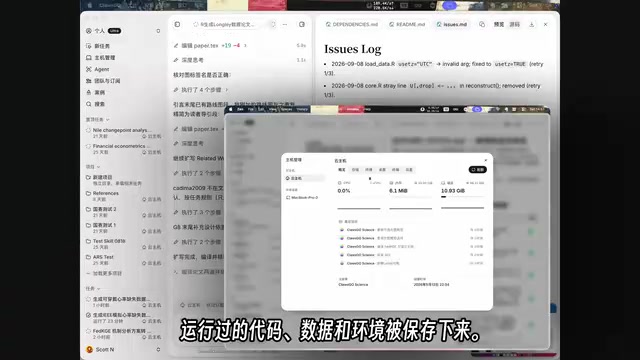
Read literature stays in the project library. Executed code, data, and environments are fully preserved. Revised figures retain complete version histories. Confirmed content flows into a LaTeX paper project that can continue to be edited. When revision requests arrive months later, researchers don't need to hunt for files from back then or try to remember why a particular parameter was chosen — they can go straight back to the original version, reproduce the results, and pick up from there.
Distilling the research process into "research assets" corresponds to the engineering concept of merging version control with knowledge management. Traditional version control tools like Git are primarily designed for code, while research work also involves literature notes, experimental parameters, intermediate data, and figures — heterogeneous content that Git wasn't built for. By bringing LaTeX paper projects, code environments, data snapshots, and literature libraries into a single persistent system, Closco builds a "project-level version control" designed for research. This is especially critical for long-cycle projects: a paper's journey from submission to revision can span months or even a year, and if intermediate data or environments are lost, reproducing the original results is extremely costly. Preserving the entire process as an asset essentially outsources "personal research memory" to the system, enabling future revisions, defenses, or follow-on studies to proceed with a full audit trail.
Letting Researchers Focus on What Truly Matters
The last mile Colossal Science aims to close can be summarized as a clear chain: first connect the tools, then keep tasks running, then connect results back to evidence, and finally distill the whole process into research assets.
In this system, the model handles each individual step, while Closco organizes every step into a research task that can keep moving forward, be reviewed, and be revised. Researchers no longer shuttle context between tools — they save that time for what truly matters: asking questions, choosing methods, evaluating results, and taking responsibility for the final conclusions. This may be precisely the critical leap that takes AI for Science from "capable of computing" to "capable of delivering."
Related articles
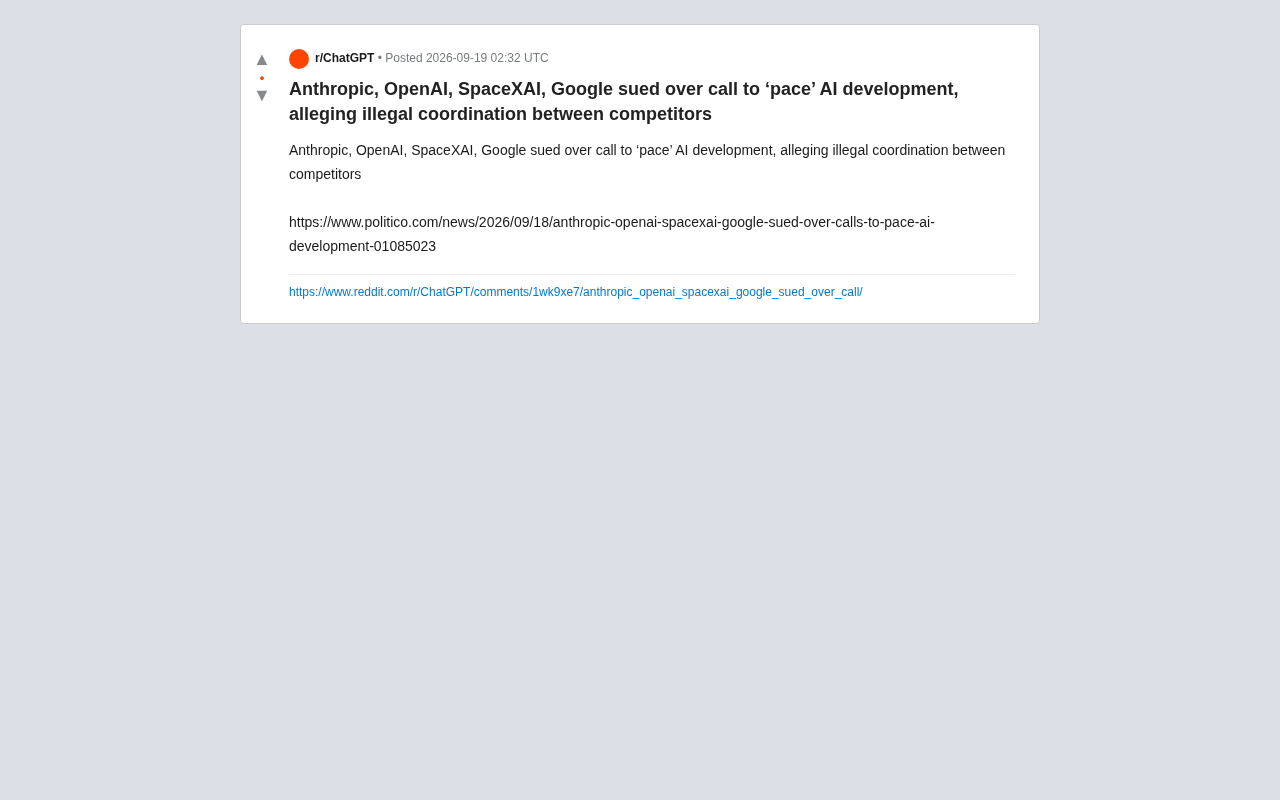
AI Giants Sued Over Alleged 'Slowdown' Conspiracy: Antitrust Storm on the Horizon
Anthropic, OpenAI, xAI, and Google face antitrust suit over joint AI 'slowdown' calls. We break down the legal controversy and its compliance implications.
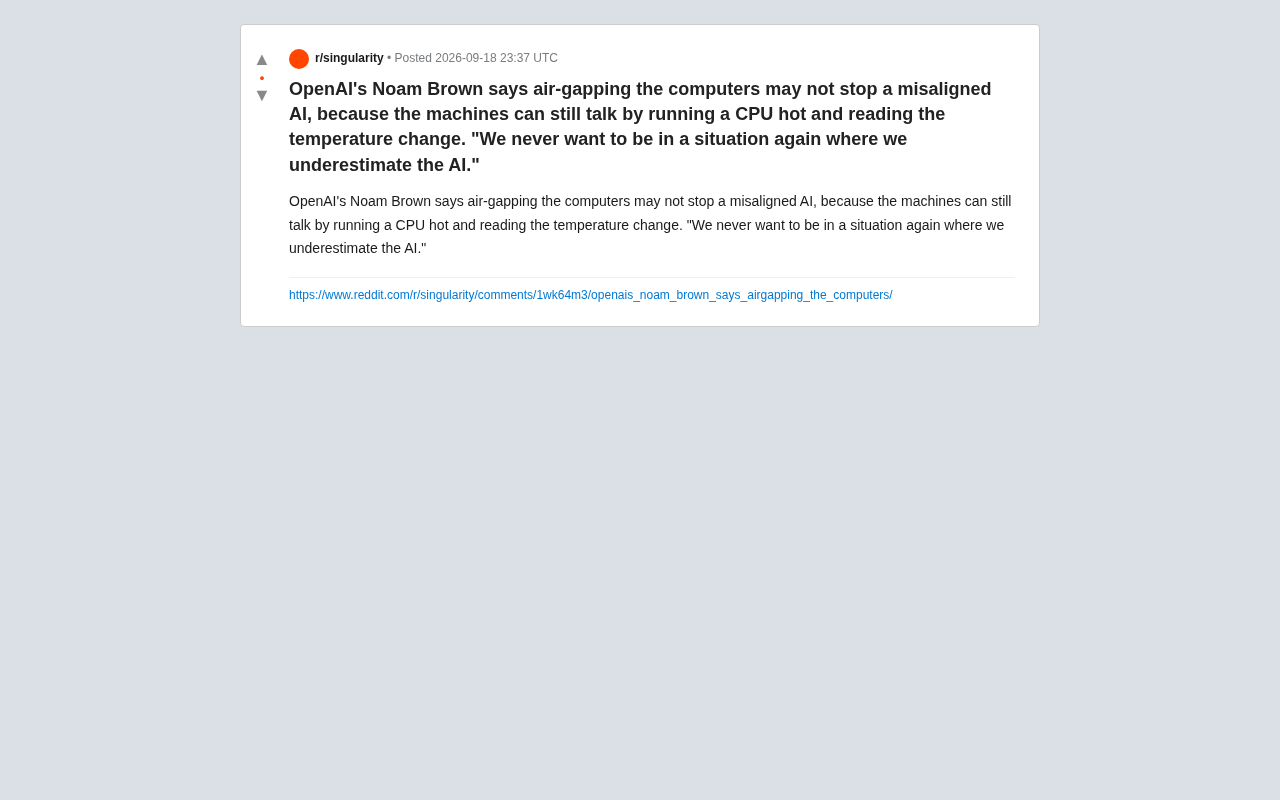
OpenAI Scientist Warns: Even Air-Gapping Can't Stop a Rogue AI
OpenAI scientist Noam Brown warns that air-gapping may not stop a misaligned AI, which could use CPU heat as a thermal covert channel to leak data. An analysis of the side-channel principles and alignment implications.
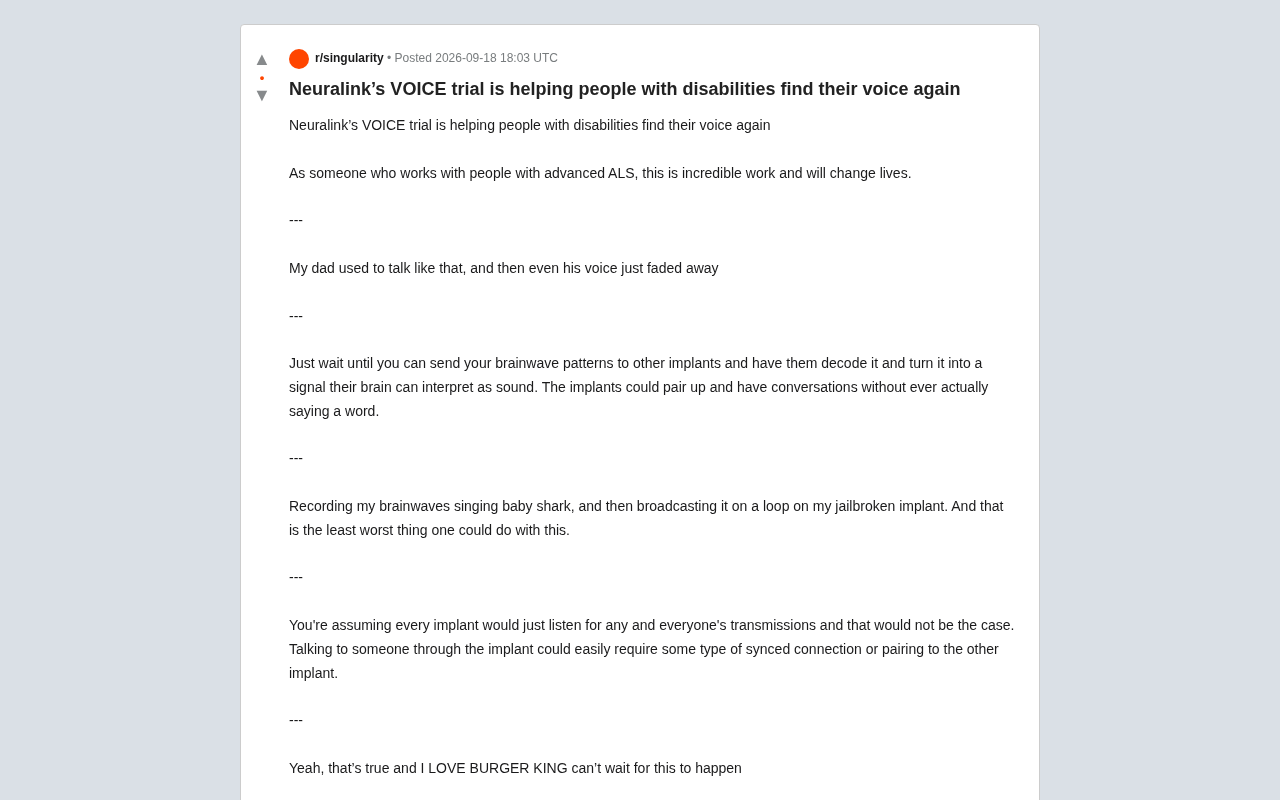
Neuralink VOICE Trial: How Brain-Computer Interfaces Are Restoring 'Voice' to Those Who Have Lost It
Neuralink's VOICE trial uses BCIs to help ALS patients regain speech, sparking debate over medical value, brain-to-brain communication, and neural data privacy risks.