The Rise of ClickFix Attacks: How Mac and Windows Users Are Tricked Into Hacking Themselves
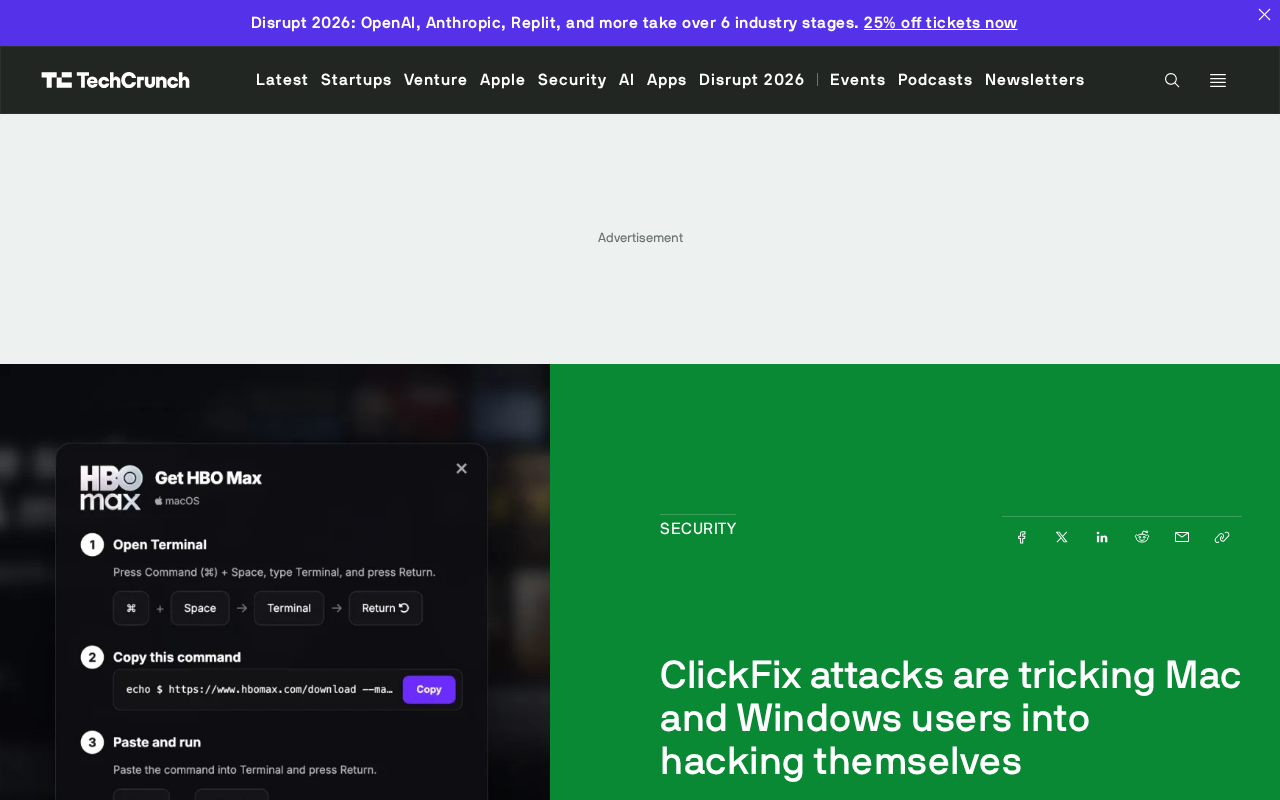
ClickFix tricks users into pasting malicious commands into their own terminals, bypassing security via social engineering.
ClickFix is a new social engineering attack that fabricates fake "error fix" or "CAPTCHA" scenarios to lure users into pasting malicious commands directly into their system terminal or Run dialog — bypassing traditional security tools that rely on file scanning and automated blocking. In a recent case, attackers ran fake HBO Max ads on Reddit to exploit brand trust at scale, targeting both Windows and macOS users indiscriminately. The key defense is user awareness: any webpage asking you to copy-paste and run a system command is almost certainly a trap.
What Is a ClickFix Attack
A security threat known as "ClickFix" is spreading rapidly, and what makes it so insidious is that it no longer relies on traditional trojans executing automatically — instead, it manipulates users into completing the final step of the attack themselves. According to reports, if you clicked on a fake ad disguised as HBO Max on Reddit in the past week, you may have already fallen victim to this type of attack.
The core logic of this attack is social engineering: the attacker constructs a seemingly plausible "error" scenario — such as a page failing to load, a prompt to "verify you're not a robot," or a message to "fix a playback issue" — and then step by step guides the user into executing what is actually a malicious command. Throughout the process, the user believes they're solving a problem, when in reality they're personally running code that the attacker prepared.
Why ClickFix Is So Dangerous
The reason ClickFix can simultaneously threaten both Mac and Windows platforms is that it bypasses the automated protection mechanisms built into most operating systems. Traditional malware typically relies on exploiting vulnerabilities or executing silently in the background, making it easier for antivirus software and system permission managers to intercept. ClickFix, however, outsources the act of "executing malicious code" to the user themselves — since the user actively copies, pastes, and runs the command, the system naturally treats it as a legitimate user action.
Cross-Platform Versatility
Whether it's the Run dialog on Windows or the Terminal on macOS, these attacks have a tailored script ready to coax users into typing commands. Attackers typically design a set of professional-looking "repair instructions" that lead everyday users with limited technical knowledge to carry out dangerous operations without any suspicion. This cross-platform capability dramatically expands the pool of potential victims.
Using Popular Brands as Bait
In this particular incident, attackers chose to impersonate well-known streaming brands like HBO Max and placed fake ads on high-traffic community platforms like Reddit. The combination of brand trust and the credibility of the community platform makes fraudulent ads far more likely to earn a click. This serves as a reminder that even on relatively trustworthy platforms, the ad content itself may conceal serious risks.
How Users Can Protect Themselves
Against attacks like ClickFix that exploit human psychology, purely technical defenses have limited effectiveness — user security awareness is the first line of defense. Here are a few key things to watch out for:
- Don't trust "fix it" prompts: Any webpage instruction that asks you to copy and paste a command into a terminal, Run dialog, or command line should be treated with extreme suspicion. Legitimate services almost never ask ordinary users to manually execute system commands.
- Be wary of ad links: Even on mainstream communities like Reddit, ad placements can be weaponized. Always access streaming services or software through official websites or app stores directly.
- Recognize variants of the "verify you're not a robot" scam: A real CAPTCHA will never ask you to open a system command window. If you encounter such a request, it can almost certainly be identified as an attack.
- Keep your system and security software updated: Although ClickFix relies on user action, a comprehensive security setup can still provide interception at certain points in the chain.
The Shifting Battleground of Cybersecurity
The rise of ClickFix reflects a broader shift in the cybersecurity landscape — from exploiting system vulnerabilities to exploiting human vulnerabilities. As operating systems and security software become increasingly difficult to compromise directly, attackers are turning their focus to the one component that can never be fully patched: human judgment. This means that security education and vigilance will be more critical than ever going forward.
For everyday users, remembering one simple rule may be enough to avoid the vast majority of these risks: any time an unfamiliar webpage asks you to personally run a command, it's almost certainly a trap.
Related articles
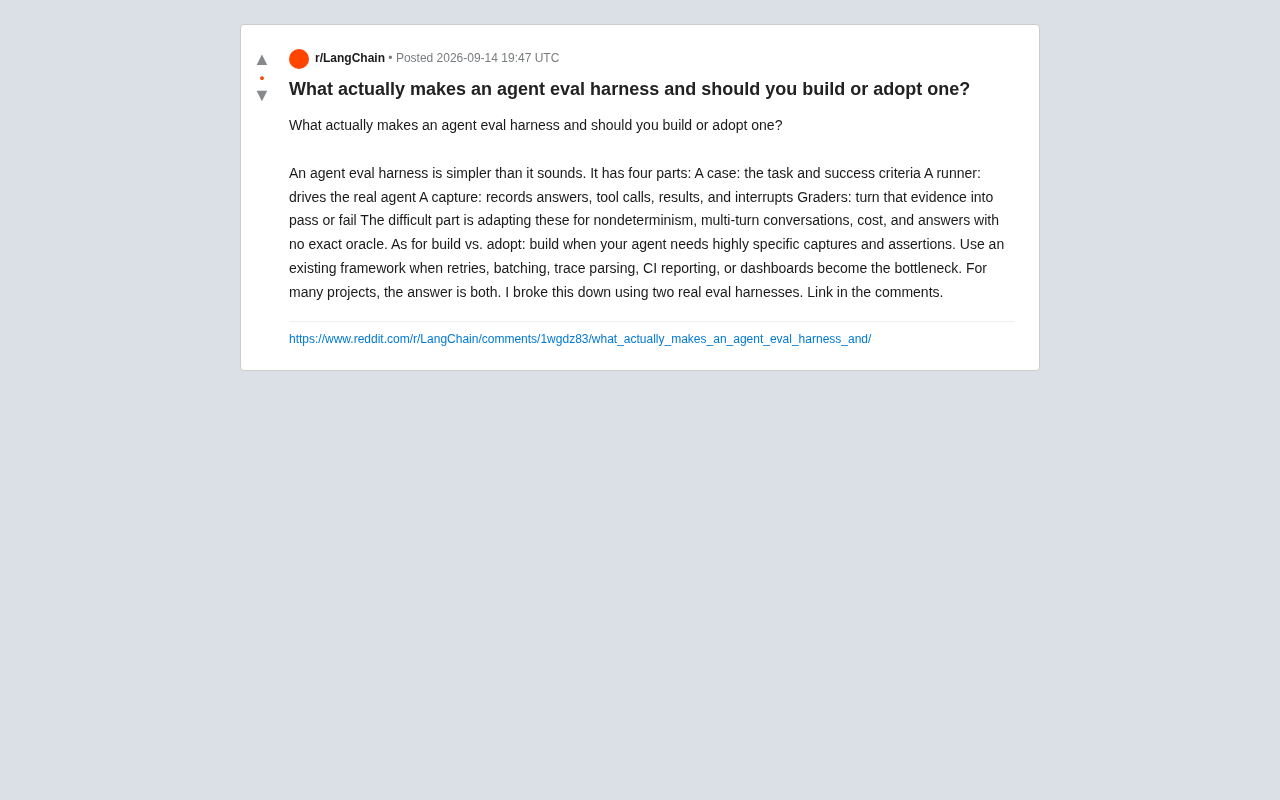
Deep Dive into Agent Eval Harnesses: Build vs. Buy?
A deep dive into the four core components of an agent eval harness — Cases, Runner, Capture, and Graders — with practical guidance on when to build vs. adopt existing frameworks.
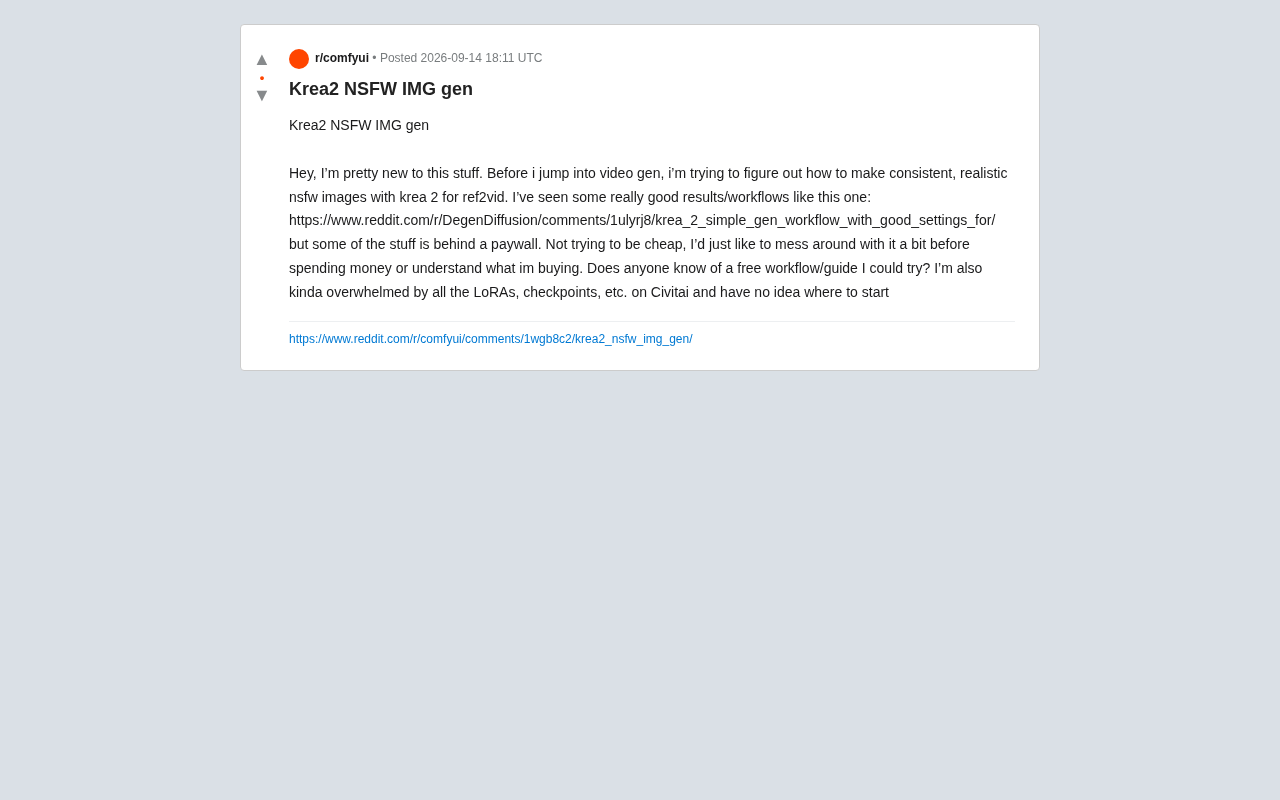
Getting Started with Krea 2 Image Generation: A Beginner's Guide to LoRA and Checkpoints
A beginner's guide to Krea 2 image generation: how to start with free open-source workflows, understand LoRA vs Checkpoint on Civitai, and achieve consistent realistic image generation.
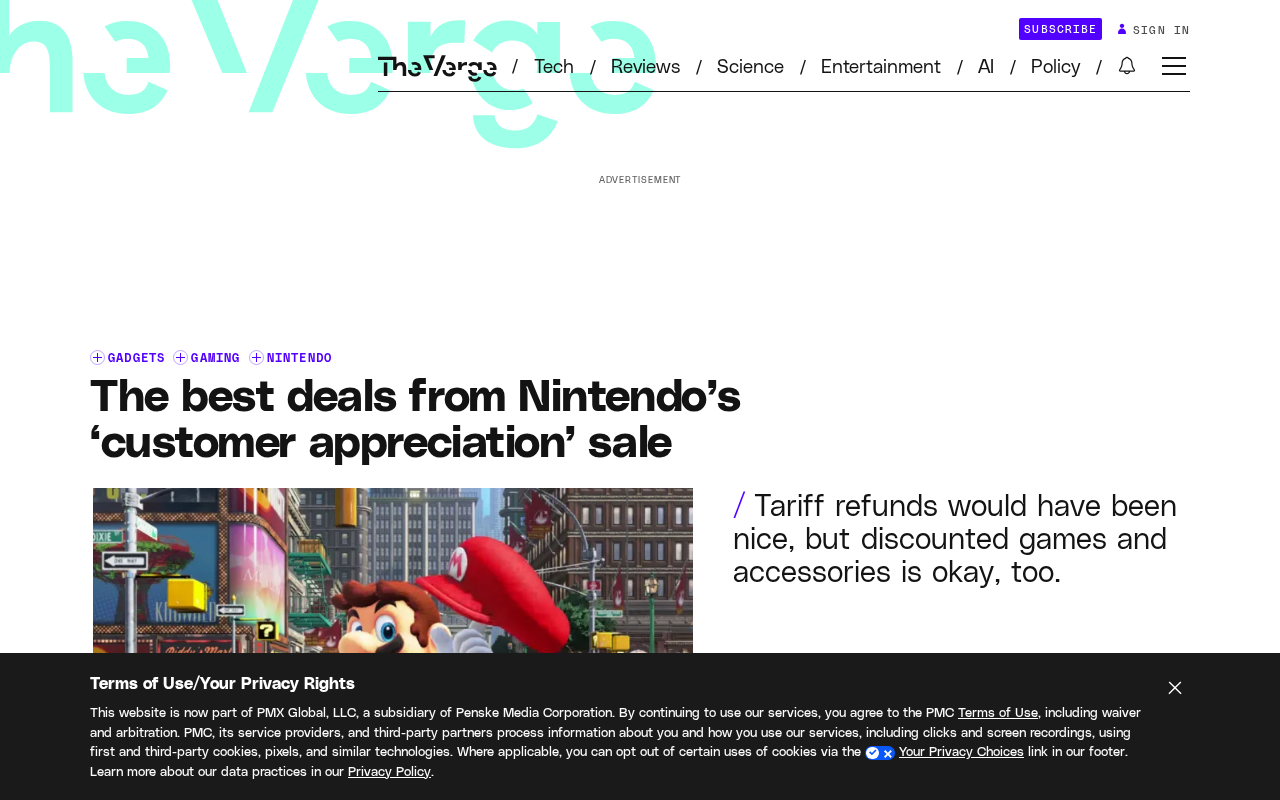
Nintendo 'Customer Appreciation' Sale: Switch Games and Accessories Price Cuts Roundup
Nintendo's Customer Appreciation sale discounts Switch games and accessories at Amazon, Best Buy, Walmart, and its digital store — funded by tariff refunds. Ends Sept 26.