TheAlgorithms/Java: A 66k-Star Algorithm Treasure Trove and Open-Source Powerhouse for Java Learners

TheAlgorithms/Java: an educational open-source repository implementing algorithms in Java, suitable for learning and interview preparation.
TheAlgorithms/Java is an open-source project with over 66,000 stars that focuses on implementing various algorithms in Java. The repository is organized by topics such as sorting, searching, graph algorithms, and dynamic programming, with code serving as documentation. It is suitable for students, interview candidates, and teachers. The project is community-driven and continuously expanding, but code styles are not fully uniform. It is positioned as an educational reference rather than a production-grade library. The article recommends a contrast learning method, running and modifying code by hand, avoiding the trap of "favoriting it and assuming you have learned it," and reminds readers to turn to mature algorithm libraries in production environments.
An Algorithm Repository Built for Learning
On GitHub, there is a project called TheAlgorithms/Java that, with over 66,000 stars and more than 21,000 forks, has become an important reference for Java developers learning algorithms and data structures. Its purpose is very pure: implement all algorithms in Java. There is no commercial packaging and no complex dependencies—the entire repository is a continuously maintained code textbook.
The project still gained 39 new stars today, showing that community activity has not faded over time. For developers who want to understand algorithm implementations at the source-code level, this kind of repository—"all code, few comments, implementation-focused"—has unique value.
Content Coverage: A Complete Puzzle from Sorting to Dynamic Programming
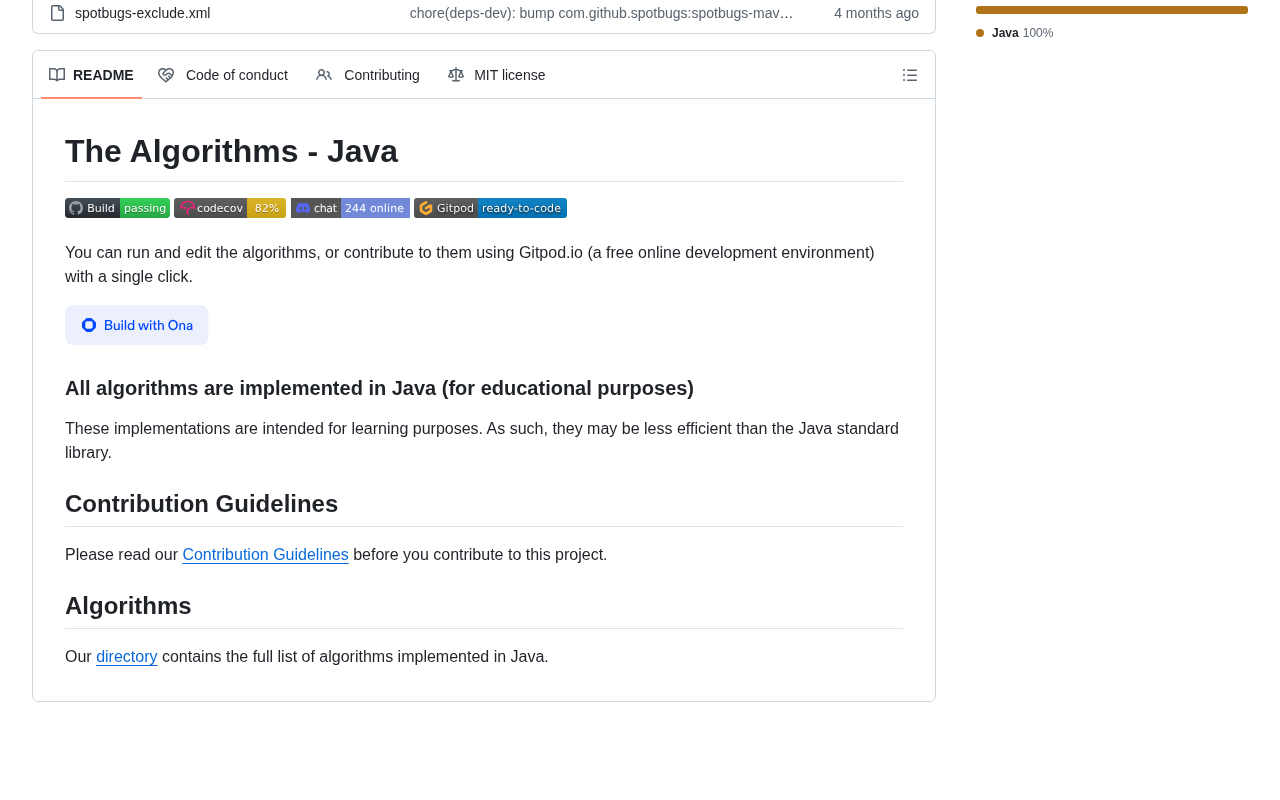
Although the README contains only one sentence—"All Algorithms implemented in Java"—the repository has a clear directory structure organized by algorithm category. It usually includes multiple modules such as sorting, searching, graph algorithms, dynamic programming, string processing, mathematical computation, and data structure implementations. Each category has separate files, making it easy to consult on demand.
Taking sorting as an example, you can find classic implementations such as bubble sort, insertion sort, merge sort, quicksort, and heap sort; the searching section covers basic methods such as binary search and linear search. This topic-based structure allows learners to quickly locate the Java code for a target algorithm without having to search through lengthy textbooks.
The core value of the project lies in "implementation as documentation": the code itself is the best explanation.
Dynamic programming is a class of methods that avoids repeated computation by breaking a problem into overlapping subproblems and storing the results of subproblems. Its typical features are optimal substructure and a state transition equation. Unlike divide and conquer, dynamic programming subproblems overlap, so memoization (top-down recursion with caching) or tabulation (bottom-up table filling) is needed to reuse results. The dynamic programming module in the repository usually includes classic cases such as the knapsack problem, longest common subsequence, and Fibonacci sequence. When reading, focus on how the state is defined, how the transition equation is derived, and how the boundaries are initialized—these three points are the core of understanding any dynamic programming implementation.
How to Make Good Use of This Repository
For beginners, reading a large amount of algorithm code directly can be disorienting. It is recommended to adopt a "contrast learning method": first understand the algorithm principles in textbooks or courses, then look at the corresponding Java implementation in the repository, focusing on boundary condition handling, loop invariants, and the choice of data structures.
For interview preparation, you can go through high-frequency algorithms topic by topic and try running them locally and modifying parameters to observe changes in output. Each file in the project usually contains a main method or test cases, making it easy to verify quickly.
For teachers and content creators, the repository can serve as a teaching example library, but note that algorithm implementation styles may differ among contributors. When citing, sources should be attributed and appropriate explanations should be provided.
A loop invariant is a key tool for understanding and verifying loop algorithms: it refers to an assertion that remains true at the beginning and end of each loop iteration and is used to prove algorithm correctness. For example, in insertion sort, "the subarray before the current index is sorted" is a loop invariant; in binary search, "if the target exists, it must be within the current search interval" is another common example. When reading sorting and searching code in the repository, try to write out the invariant for each loop. This can help you see clearly why boundary conditions are set this way and why the correct result is obtained when the loop terminates—this has more transferable value than simply memorizing code.
Open-Source Collaboration and Quality Control
As a community-driven project, TheAlgorithms/Java accepts Pull Requests from developers around the world. Contributors need to follow certain code style and directory conventions, and submitted algorithm implementations are reviewed by maintainers. This mechanism ensures the repository's continuous expansion, but it also means that code style is not completely uniform.
When using it as a reference, it is advisable to compare multiple implementations, especially in performance-sensitive scenarios. The project itself is more education-oriented than production-grade, so before directly introducing code into business projects, you should add exception handling, generic constraints, and performance testing yourself.
The Pull Request workflow is the core mechanism of distributed collaboration: contributors fork a copy from the main repository, make changes on an independent branch, and then submit a merge request to the original repository, where maintainers review the code, suggest changes, or merge it directly. This process naturally supports parallel development, but it also means that code quality depends heavily on maintainers' investment and review standards. Educational repositories such as TheAlgorithms/Java usually adopt a relatively lenient merge strategy to encourage more participation, at the cost that different contributors' coding habits, naming styles, and exception handling approaches coexist. When reading, users can regard it as "a code collection from many collaborators" rather than a library polished by a single author.
Who It Is For and Who It Is Not For
This repository is best suited for three types of people: students currently studying Java and algorithm courses, job seekers preparing for technical interviews, and developers who need to quickly look up algorithm implementations. It is not suitable for teams expecting an out-of-the-box, production-grade algorithm library—such needs should turn to Apache Commons, Guava, or specialized algorithm libraries.
In addition, because the project is large, beginners can easily fall into the trap of "favoriting it and assuming they have learned it." The real value lies in running and modifying the code by hand, not simply browsing. Treat the repository as a practice ground rather than a reference book, and you will gain more.
Conclusion
TheAlgorithms/Java responds to a classic need in the most direct way: write the algorithms once in Java. Behind the 66,000 stars is the recognition by countless developers of the idea of "learning from code." Whether you are just starting to learn programming or want to review the fundamentals of algorithms, this repository is worth adding to your bookmarks.
One-line Summary
TheAlgorithms/Java: an educational open-source repository implementing algorithms in Java, suitable for learning and interview preparation.
Paragraph Summary
TheAlgorithms/Java is an open-source project with over 66,000 stars, focused on implementing various algorithms in Java. The repository organizes directories by topics such as sorting, searching, graph algorithms, and dynamic programming. The code is the documentation, making it suitable for students, interview candidates, and teachers. The project is community-driven and continuously expanding, but code styles are not fully uniform. It is positioned as an educational reference rather than a production-grade library. The article recommends a contrast learning method, running and modifying code by hand, avoiding the trap of "favoriting it and assuming you have learned it," and reminds readers to turn to mature algorithm libraries in production environments.
Related articles
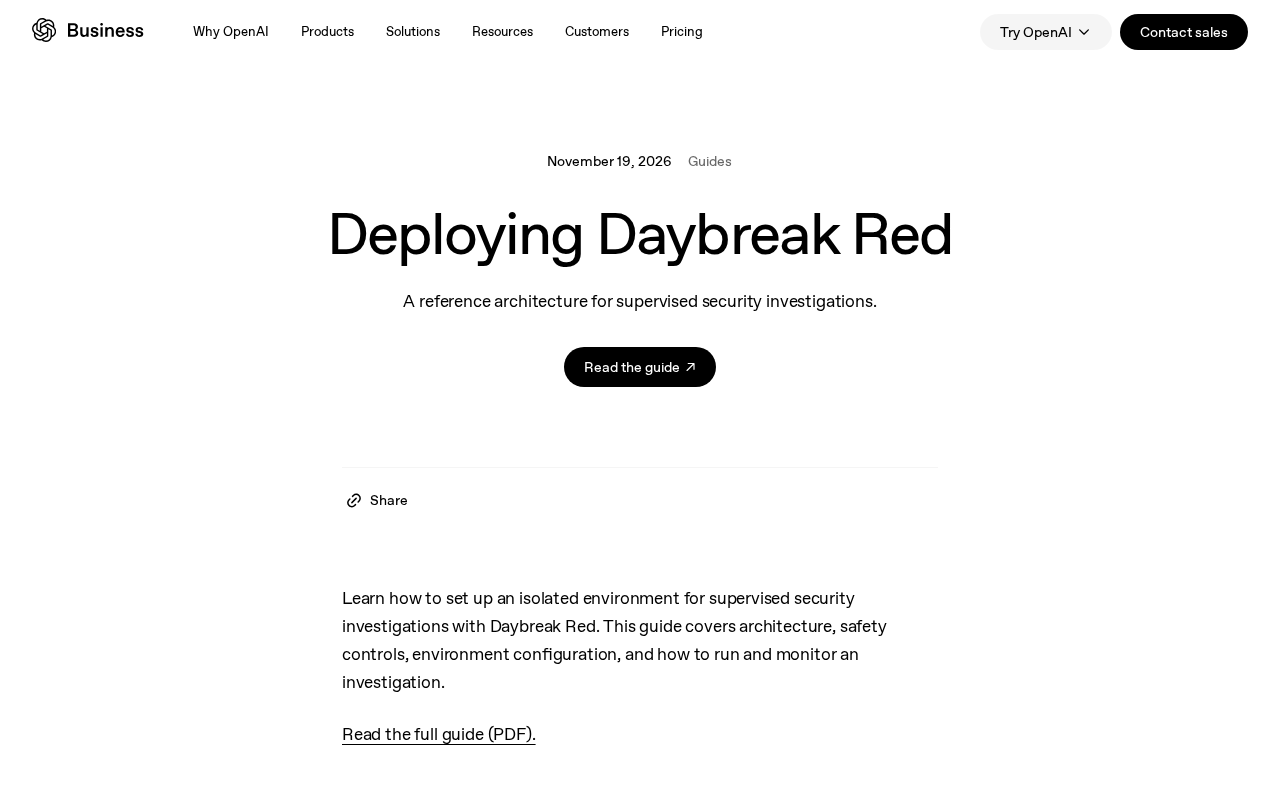
Daybreak Red Deployment Guide: A Reference Architecture for Supervised Security Investigation
A breakdown of the Daybreak Red reference architecture: security control design, deployment configuration process, and runtime monitoring for supervised security investigation.
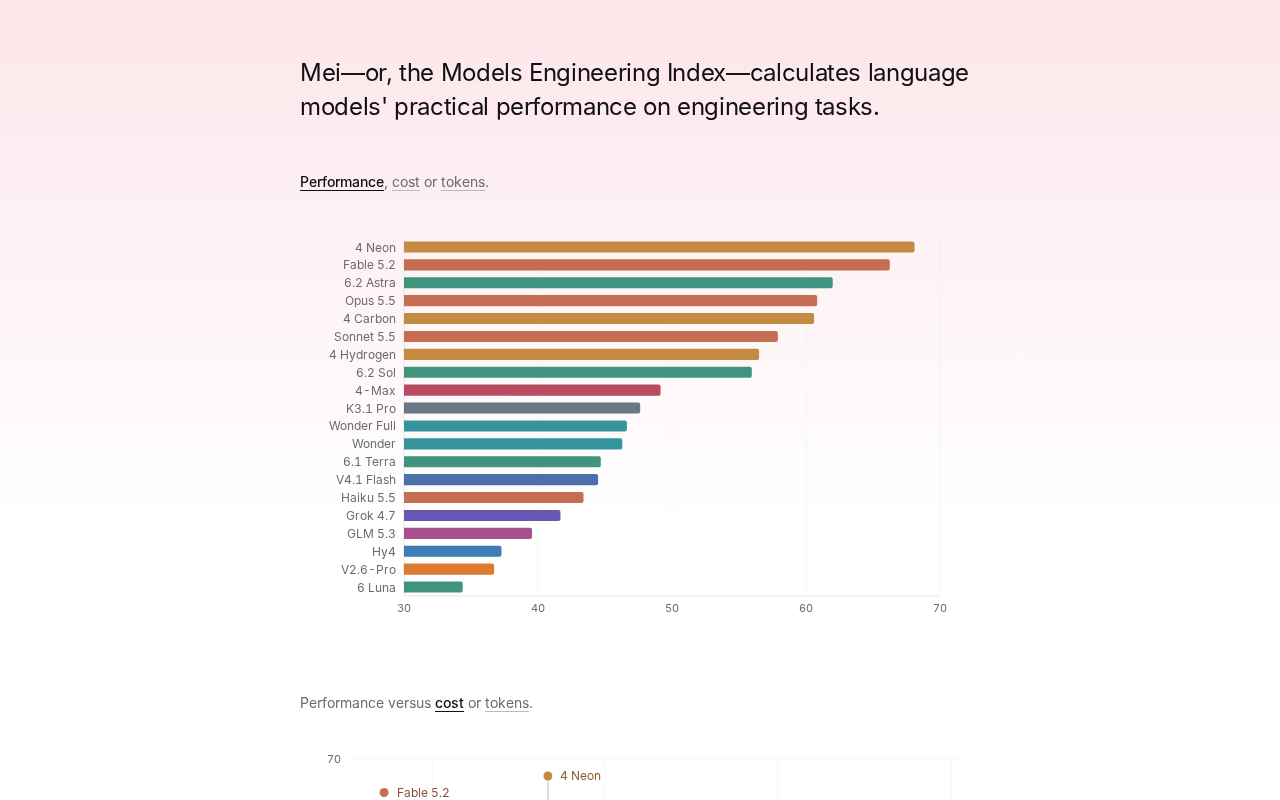
Gemini 4 Neon Tops the Models Engineering Index
Gemini 4 Neon tops the Models Engineering Index, sparking Hacker News debate over ranking credibility and evaluation methods. Here's what it means for developers.

Apple's Self-Developed AI Agent: An Agent That Can Operate Your Mac Is Coming
Apple is reportedly developing an AI agent that can operate a Mac, targeting Meta Muse, Claude, OpenAI Dots, and others. This article analyzes Apple's system-level advantages, the competitive landscape, and likely rollout paths in the agent race.