Threads Launches New Podcast Features to Help Creators Reach More Listeners
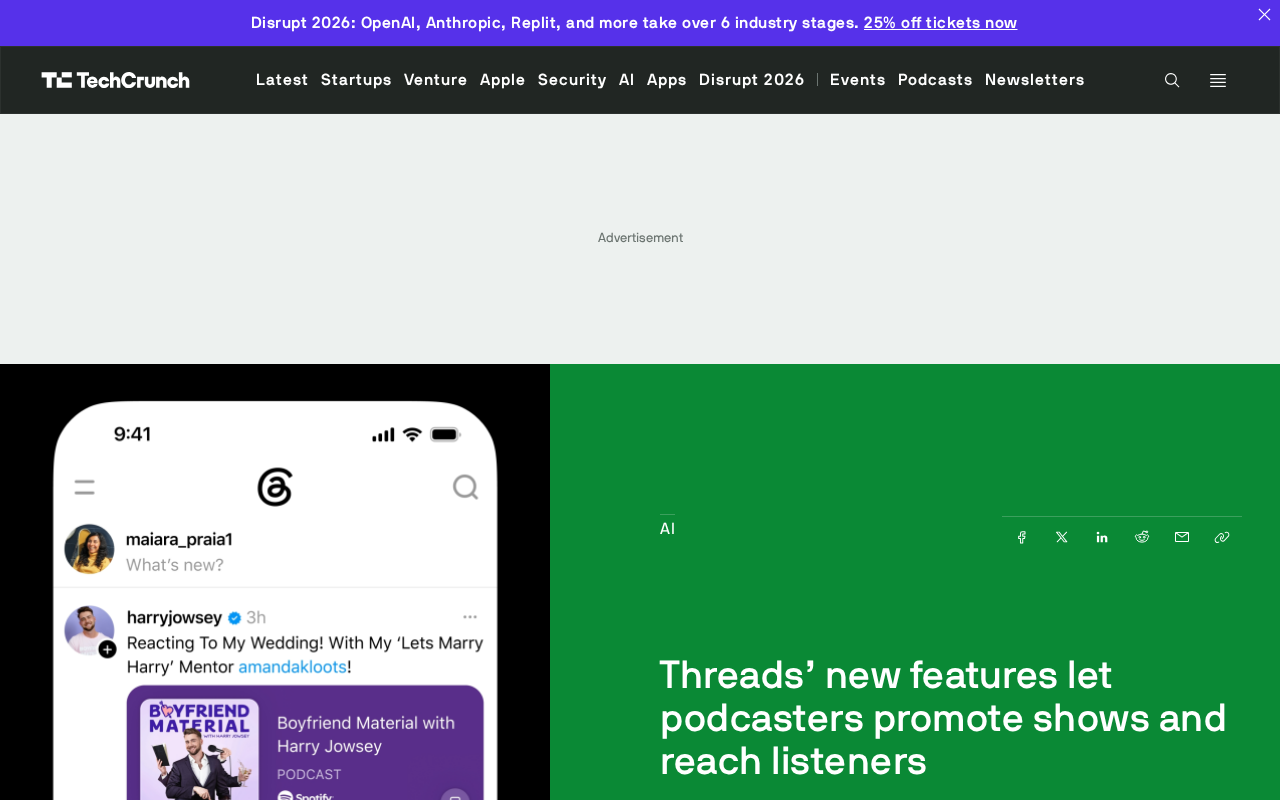
Threads launches a podcast creator toolkit to differentiate from X and expand into audio content.
Meta's Threads is officially rolling out a dedicated toolkit for podcast creators, featuring profile cards, episode links, transcripts, guest tags, posting reminders, and audience insights — covering the full spectrum from content presentation to audience management. Behind the move is a broader strategic intent: using deep content verticals to build a competitive moat against X. Podcasting's strong listener loyalty and community-driven nature align well with Threads' "discussion-first" identity, and for an industry long plagued by discoverability challenges, native social promotion tools offer real value — though ultimate success will depend on Threads' user scale and product execution.
Meta's social platform Threads is rolling out a suite of new tools for podcast creators, aiming to position the X (formerly Twitter) rival as a go-to destination for podcast promotion and discussion. The move signals Meta's ambitions to carve out a larger footprint in the audio content ecosystem.
A Dedicated Toolset for Podcast Creators
The new features are designed around the practical needs of podcast creators, spanning everything from content presentation to audience management. The lineup includes: profile cards, episode links, transcripts, guest tags, posting reminders, and audience insights.
The design logic is straightforward — give podcast hosts an easier way to showcase and promote their shows in a social context. Profile cards and episode links address content discoverability, while transcripts improve the readability and searchability of audio content, allowing users who can't listen on the go to engage with shows through text. Guest tags, meanwhile, leverage guests' own social reach to generate additional exposure for each episode.
Closing the Loop from Content to Audience Management
Two features worth highlighting are posting reminders and audience insights, both of which speak to creators' long-term operational needs. Posting reminders help podcast hosts maintain a consistent publishing cadence — critical for building steady listener habits — while audience insights provide the data creators need to understand who they're reaching and how their content is performing.
Taken together, these tools suggest Threads wants to be more than just a place to drop external links. The platform is clearly aiming to build a complete creator service chain covering promotion, engagement, and analytics. For independent podcasters who rely on social channels to grow their audience, native tools like these reduce the friction of managing a presence across multiple platforms.
Meta's Audio Content Ambitions
Zooming out, Threads' bet on podcasting is no accident. Podcasts are a deep, long-form content format with high listener loyalty and strong community dynamics — a natural fit for the "discussion-driven social platform" identity Threads is trying to establish. Compared to X, which is built around fast-moving, short-form content, podcasting's conversational nature could give Threads a meaningful point of differentiation.
For Meta, drawing podcast creators and their fan communities into the Threads ecosystem serves a dual purpose: it increases content supply on the platform while generating more active community discussions. It's also a strategic move in Meta's ongoing competition with X — rather than fighting on familiar ground, Threads is trying to stake out territory in a vertical content category and build its own moat.
It's worth noting this isn't Meta's first foray into audio content. Back in 2021, the company launched "Live Audio Rooms" on Facebook — a Clubhouse competitor — along with a podcast listening feature, both of which quietly faded away. This time, Threads is taking a more pragmatic approach: instead of building its own podcast consumption experience, it's serving creators who are already active on third-party platforms like Spotify and Apple Podcasts, positioning itself as a "social promotion layer." This framing avoids a direct confrontation with established podcast platforms while letting Threads ride the wave of podcast content to attract high-quality creators.
What This Means for the Podcast Industry
For the broader podcast industry, seeing a major social platform double down on promotional tools is a positive signal. One of podcasting's persistent pain points has been discoverability and growth — great content often fails to reach potential listeners simply because effective distribution channels are lacking. Threads' native promotion tools could, in theory, lower the barrier to audience acquisition for creators.
That said, whether these features actually translate into meaningful listener growth will depend on Threads' own user base and engagement levels, as well as the real-world usability of the tools themselves. A richer toolset is just the starting point — the true test will come in actual use. For podcasters searching for new growth channels, this at least offers a new option worth exploring.
The distribution problem in podcasting runs deep, rooted in the technology itself: podcasting is built on the RSS protocol, making it an inherently decentralized, open ecosystem where anyone can host and subscribe to shows — but where no single platform controls a recommendation algorithm. Unlike YouTube or TikTok, which actively surface content through algorithmic feeds, podcast growth relies heavily on word of mouth and manual sharing on social media. This structural reality is precisely why native social promotion tools carry disproportionately high value for podcast creators — they directly address the gap in social distribution that the RSS ecosystem has always lacked. At its core, what Threads is offering is a platform-side solution to a long-standing distribution divide.
Related articles
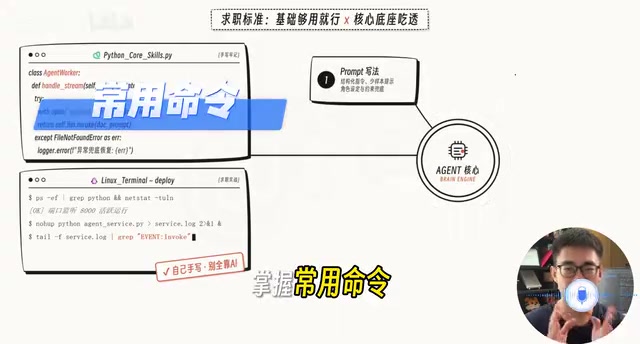
AI Agent Developer Job Hunt Guide: Four Hard Standards to Clear Before You Apply
A practical guide for landing AI Agent developer roles: four measurable standards — project runs, problems debuggable, solution explainable, interviews survivable.
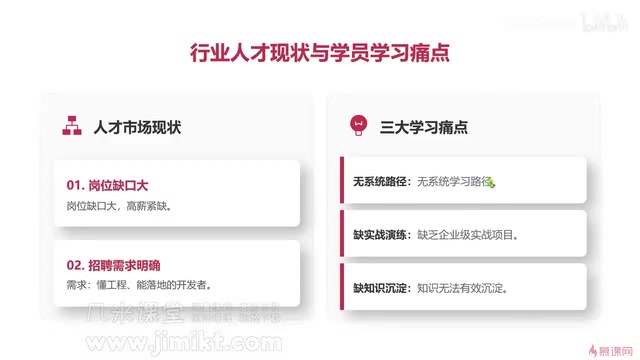
Multi-Agent Development Guide: From Monolithic AI to Team Collaboration in Practice
A beginner's guide to multi-agent development covering core advantages, common learning pain points, enterprise tech stacks, and engineering methodology for AI developers.
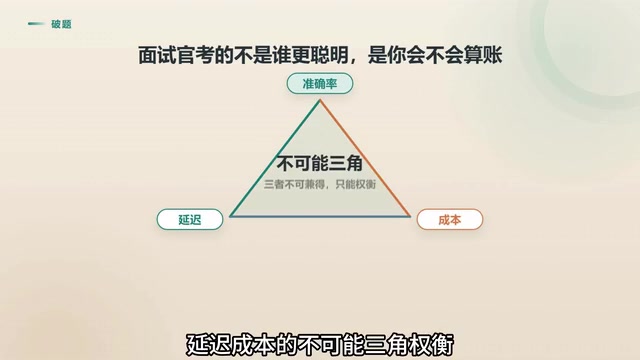
Agent Skill Routing: Retrieval vs. LLM vs. Two-Stage Architecture Compared
Retrieval or LLM for Agent skill routing? Compare coarse-filter vs. fine-select architectures on latency, accuracy, and cost — with 4 key production considerations.