Today's AI Models Are the Worst They'll Ever Be: A Counterintuitive Take
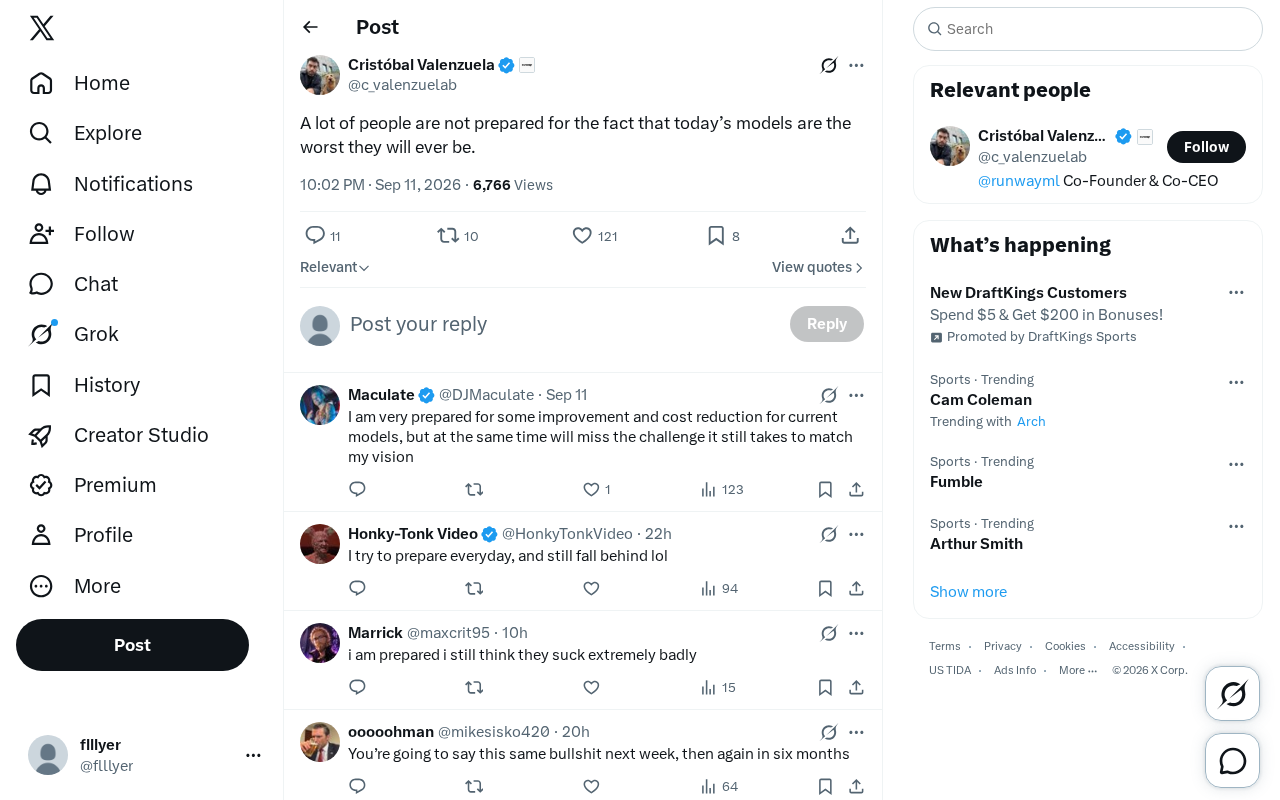
Today's AI models are at their weakest point ever — understanding this makes long-term decisions more robust.
The article explores a counterintuitive idea: every AI model we use today is the worst it will ever be, because AI capabilities are in a rapid, sustained ascent — the opposite of how phones age or software bloats. The real value of this framing is that it shifts decision-making horizons. Current model limitations shouldn't anchor long-term plans, since those limitations are being eliminated quarterly. For individuals, scarcity is shifting from 'can AI do this' to 'who can orchestrate AI outputs.' For companies, product value shouldn't rest on patching temporary model weaknesses. The article also urges caution: this is a directional framework, not a precise forecast, and the pace of progress remains uncertain.
The Judgment Behind a Single Sentence
A thought-provoking observation has been making the rounds on social media: "A lot of people aren't ready to accept the fact that today's models are the worst versions they'll ever be."
At first glance, this sounds convoluted — but it captures something fundamental about how AI evolves. Every large model we use today, complain about, and rely on is at its weakest point on its entire development curve. From this moment forward, it will only get smarter, faster, and cheaper. This runs directly counter to our intuitions about most products — phones degrade, software bloats, cars wear out — but AI model capabilities are on a continuous, rapid upward trajectory.
Why "Worst" Is Actually an Optimistic Statement
The point here isn't to disparage current technology. It's a call to recalibrate expectations. When you find a model "not smart enough," "frequently wrong," or unable to handle complex instructions, you're measuring the floor of this technology's capability — not its ceiling.
Looking at the pace of iteration over the past few years, improvements in reasoning, context length, multimodal understanding, and generation quality have far outpaced the typical cadence of traditional software development. Every few months brings a meaningful capability leap, and each leap makes the previous generation's "best model" feel quickly outdated. This means any long-term decision grounded in "AI can't do X yet" may be built on a premise that's rapidly disappearing.
What This Means for Individuals and Organizations
The real value of this observation lies in how it shifts the time horizon of decision-making.
Don't plan tomorrow based on today's capability ceiling. When people evaluate whether to hand a workflow over to AI, they typically reference current model limitations. But if those limitations are being eliminated on a quarterly basis, any moat built around "AI will never do this well" may not hold for long.
Skills and roles are being repriced. As model capabilities keep climbing, scarcity shifts from "can it do this" to "who can orchestrate, verify, and integrate AI outputs." The divide between people who leverage these tools and people who get replaced by them may arrive faster than most expect.
Investments and product design need room to upgrade. For founders, the rational move is to avoid betting your product's core value on patching current model weaknesses — because the next generation of models may simply eliminate those weaknesses entirely. What's truly durable is a product architecture that gets better as the underlying models get stronger.
Staying Grounded
It's worth adding a note of caution: "models will keep improving" is a directional judgment, not a precise timeline. The slope of capability gains, the curve of cost reduction, and whether certain capabilities will hit bottlenecks all carry real uncertainty. This observation comes from a single social media post — it's more of a mental framework than a verifiable prediction.
Using it as a calibration tool is appropriate: when making long-term decisions involving AI, ask yourself — "Am I looking at the worst this technology will ever be?" That question alone can make your thinking more robust.
Conclusion
Treating "today's models are the worst they'll ever be" as a starting point rather than a verdict means viewing a technology still in its steepest ascent with a forward-looking lens. It's both an honest acknowledgment of current limitations and a bet on future capability. For anyone hoping to stay ahead of the AI wave, internalizing this perspective may matter more than chasing any specific model.
Related articles
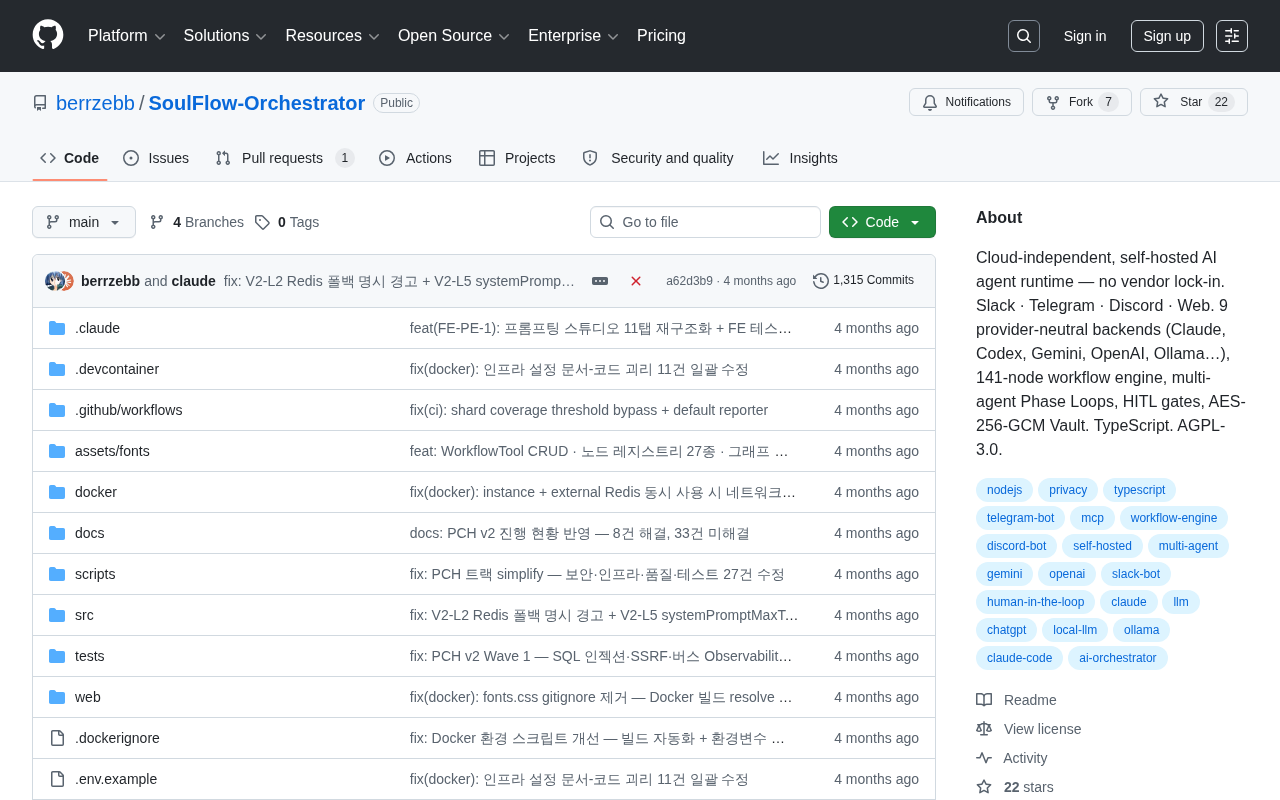
SoulFlow-Orchestrator: A Self-Hosted, Vendor-Lock-In-Free AI Agent Runtime
SoulFlow-Orchestrator is an open-source, self-hosted AI agent runtime with no vendor lock-in. Supports 9 neutral backends (Claude, OpenAI, Ollama), 141-node workflow engine, multi-agent loops, and HITL gates.
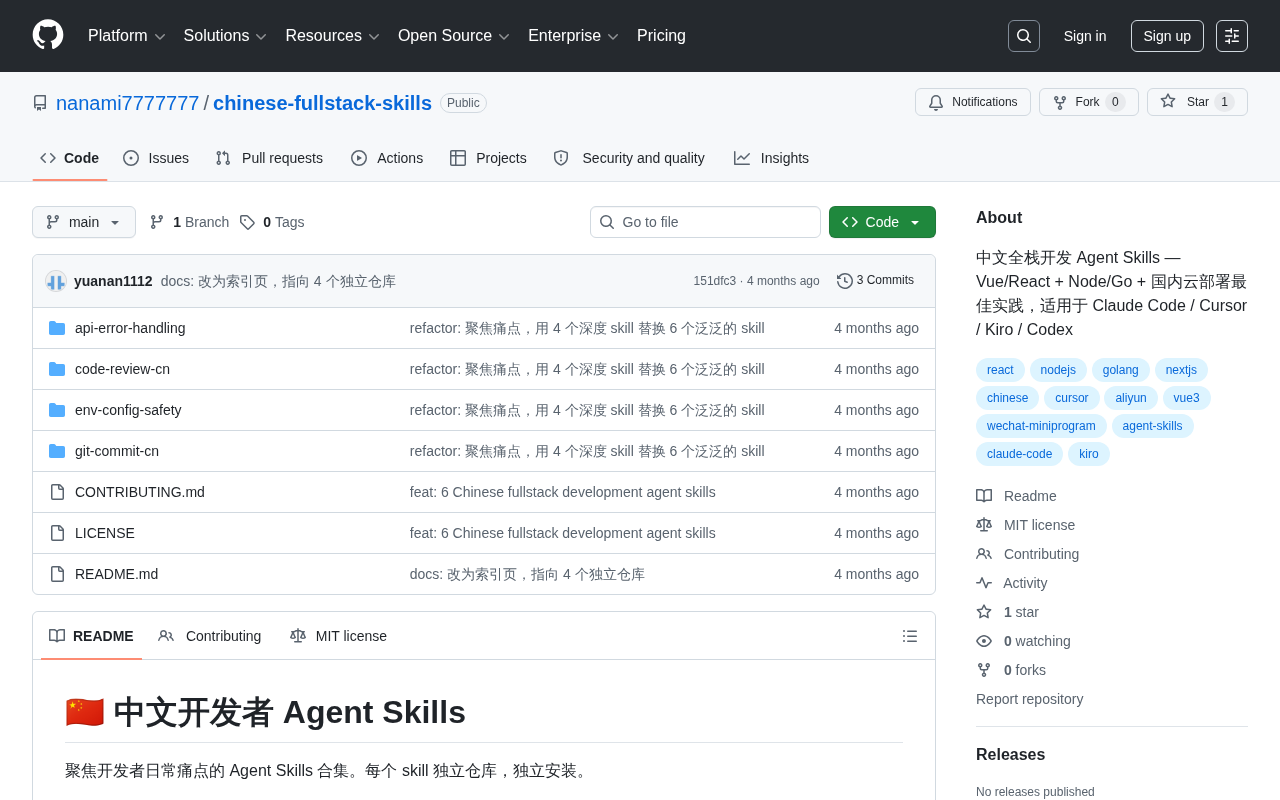
Chinese Full-Stack Agent Skills: A Skill Library Tailored for Domestic AI-Assisted Development
chinese-fullstack-skills is an Agent Skills library for Chinese full-stack development, covering Vue/React, Node/Go, and domestic cloud deployment best practices. Compatible with Claude Code, Cursor, Kiro, and Codex.
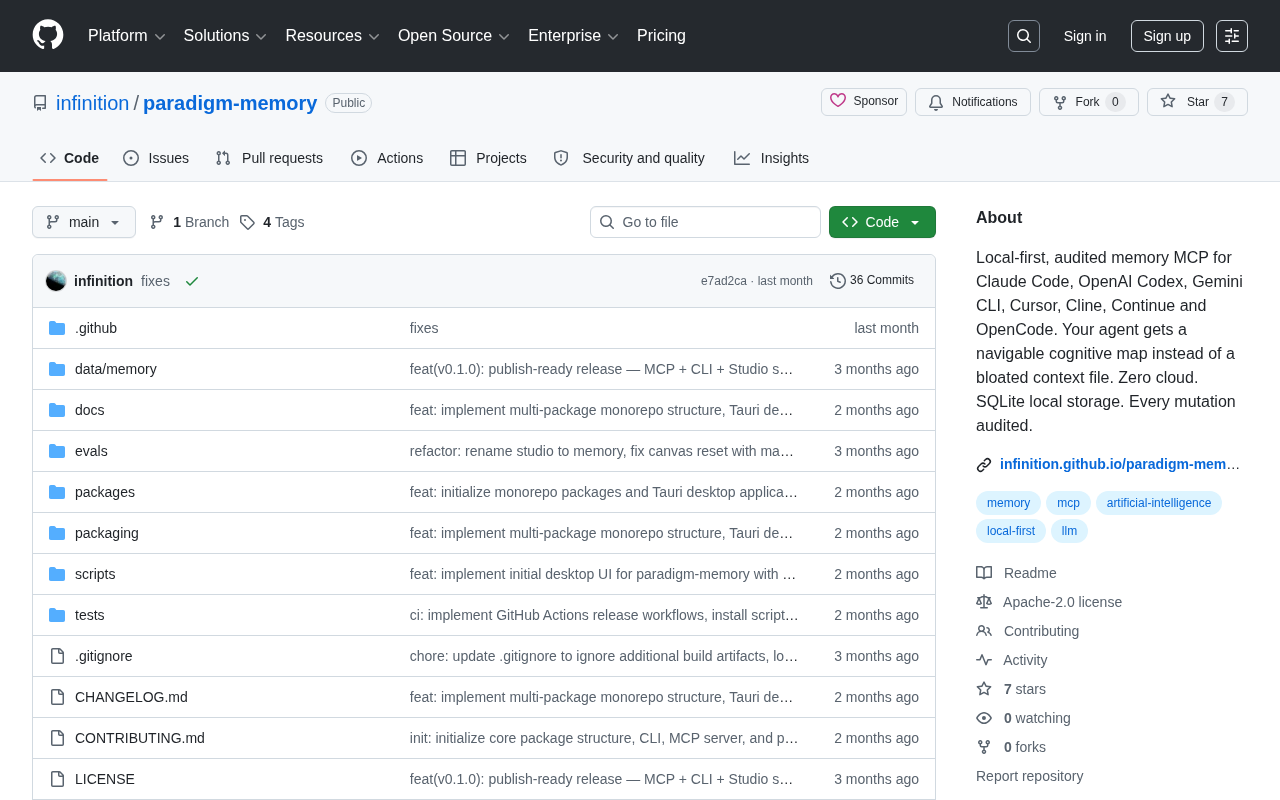
Paradigm Memory: A Local-First Memory System for AI Coding Assistants
paradigm-memory is a local MCP memory tool for Claude Code, Cursor, and Cline. It uses SQLite local storage, zero cloud, full audit trails, and a navigable cognitive map instead of bloated context files.