Trump Downplays AI Extinction Risk: 'Whoever Wins AI Wins' Sparks Controversy
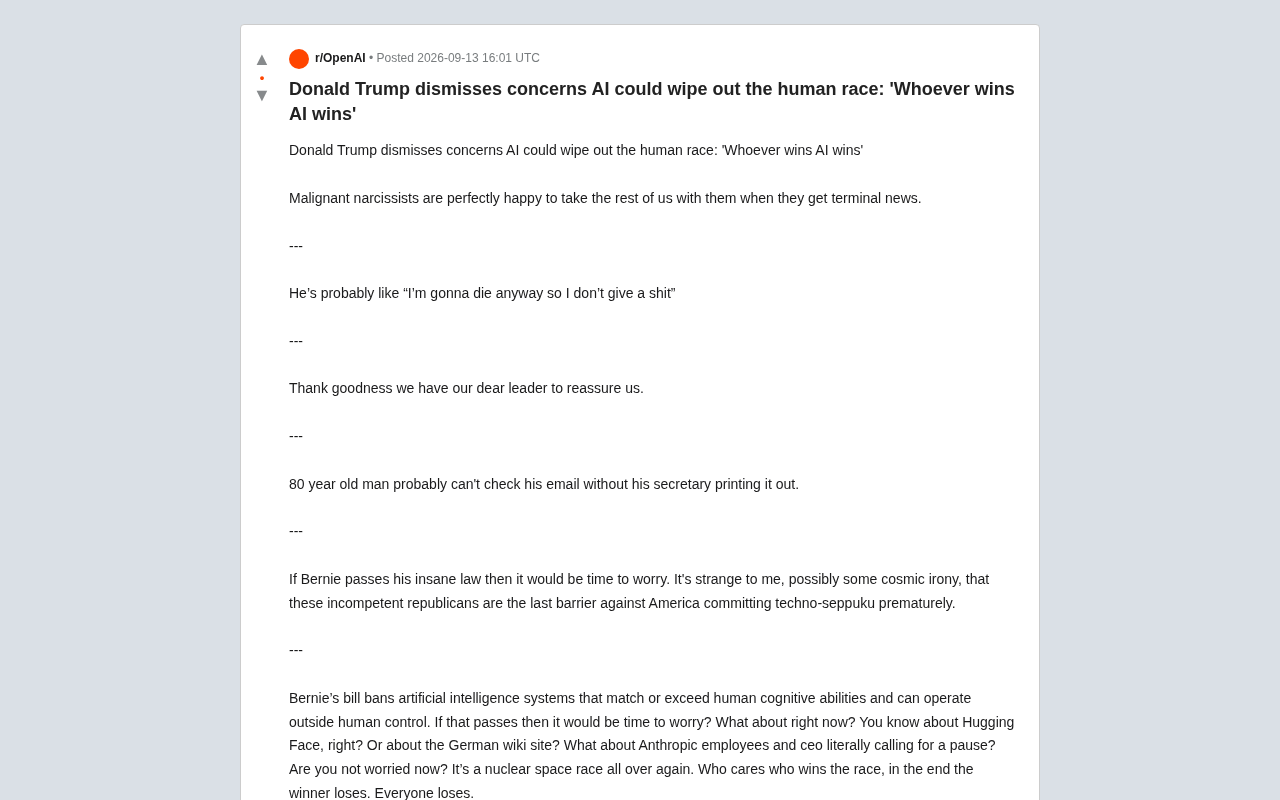
Trump's 'win the AI race' framing ignites Reddit debate on safety vs. competition in AI governance.
Trump's dismissal of AI extinction risks and his 'whoever wins AI wins' framing sparked a heated Reddit debate on AI safety priorities. Commenters compared the race narrative to the nuclear arms race, warning that even the winner ultimately loses. The core divide: some see AI risk as a future hypothetical requiring legislative triggers, while others cite public warnings from Anthropic leadership as evidence the danger is already real. The piece argues the 'must-win' mindset risks sidelining safety as a competitive burden.
One Statement Ignites the AI Safety Debate
The debate over whether artificial intelligence could pose an existential threat to humanity has been thrust back into the spotlight by a single political statement. According to reports circulating on Reddit, Trump dismissed concerns that AI could "wipe out the human race" and framed the issue as a competition: "Whoever wins AI wins." By reducing a complex question of technological safety to an arms race that must be won first, the remark ignited fierce online discussion.
This kind of "race" narrative is nothing new. But when it surfaces at a moment when AI capabilities are rapidly approaching — and in certain tasks surpassing — human performance, its potential policy implications deserve scrutiny. The logic of prioritizing development speed over safety is precisely the mindset that many AI safety researchers find most alarming.
The Zero-Sum Logic Behind "Whoever Wins, Wins"
At its core, Trump's framing defines AI development as a zero-sum game — winner takes all, fall behind and you're out. This framework has real grounding in geopolitical reality: major powers are indeed locked in fierce competition over compute, models, and talent.
But many commenters in the community pushed back sharply against this logic. One comparison drew a direct parallel to the nuclear arms race: "It's a nuclear space race all over again... in the end the winner loses. Everyone loses."
The analogy hits close to home. The lesson of the nuclear race is that pursuing unilateral advantage left everyone trapped in a mutual assured destruction standoff. If AI safety risks are real, "winning the race first" doesn't exempt the winner from the consequences — a misaligned superintelligent system won't become controllable simply because it belongs to the "winner."
The Core Divide: Worry Now, or Wait for Legislation?
An interesting fault line emerged in the discussion. One commenter argued that concern would only be warranted once something akin to a Bernie Sanders bill was passed — legislation reportedly aimed at "banning AI systems that match or exceed human cognitive abilities and can operate outside human control."
This view was immediately challenged. Others argued that the risks are present tense, not future tense:
"If that bill passes then be worried? What about now? You know Hugging Face right? You know that German wiki site? Anthropic's employees and CEO are publicly calling for a pause on development — you're not worried now?"
This exchange reveals a central fracture in public perception: some treat AI risk as a hypothetical scenario that requires legislative triggers to become real, while others argue the warning signs are already clear enough — including public warnings from insiders at leading labs. It's worth noting that executives at organizations like Anthropic have indeed publicly discussed AI safety and the idea of a development "pause" on multiple occasions, lending credibility to the latter view.
How Political Framing Shapes AI Governance
Setting aside the more emotionally charged personal commentary, this discussion touches on a serious governance question: when top-level decision-makers view AI through a "must-win-the-race" lens, safety investment and regulation are likely to be seen as competitive handicaps.
Some in the community even offered a darkly humorous observation — suggesting that certain political forces might "accidentally" serve as a brake on the U.S. moving too fast on dangerous technology, precisely through their lack of competence. This take is obviously heavily satirical, but it reflects a dual anxiety: that policymakers neither understand the technology nor can resist the urge to sprint ahead.
It's important to note that the above comes from organic Reddit community discussion, full of personal opinions and emotional expression — it is not rigorous policy analysis or a fact-checked report. The full context of Trump's specific remarks and the exact provisions of the Bernie bill should be verified against official primary sources.
An Alternative to the Race Narrative
This debate sparked by a single statement distills two competing paradigms that dominate today's public AI discourse: one that treats AI as a national competition to be won, and one that treats it as a shared global risk requiring coordinated governance.
Historically, nuclear technology eventually gave rise to international coordination mechanisms like the Nuclear Non-Proliferation Treaty — though the process was fraught with conflict and compromise. Whether AI follows a similar path depends on whether decision-makers can move beyond the simplistic "winner-takes-all" narrative and recognize that, in the face of a genuine existential risk, unilateral victory may be a false premise.
For ordinary readers, the greatest value of this debate may not lie in judging any particular political figure, but in the reminder it offers: AI safety shouldn't be a future issue waiting to be triggered by legislation — it's a public agenda that deserves serious attention right now.
Related articles
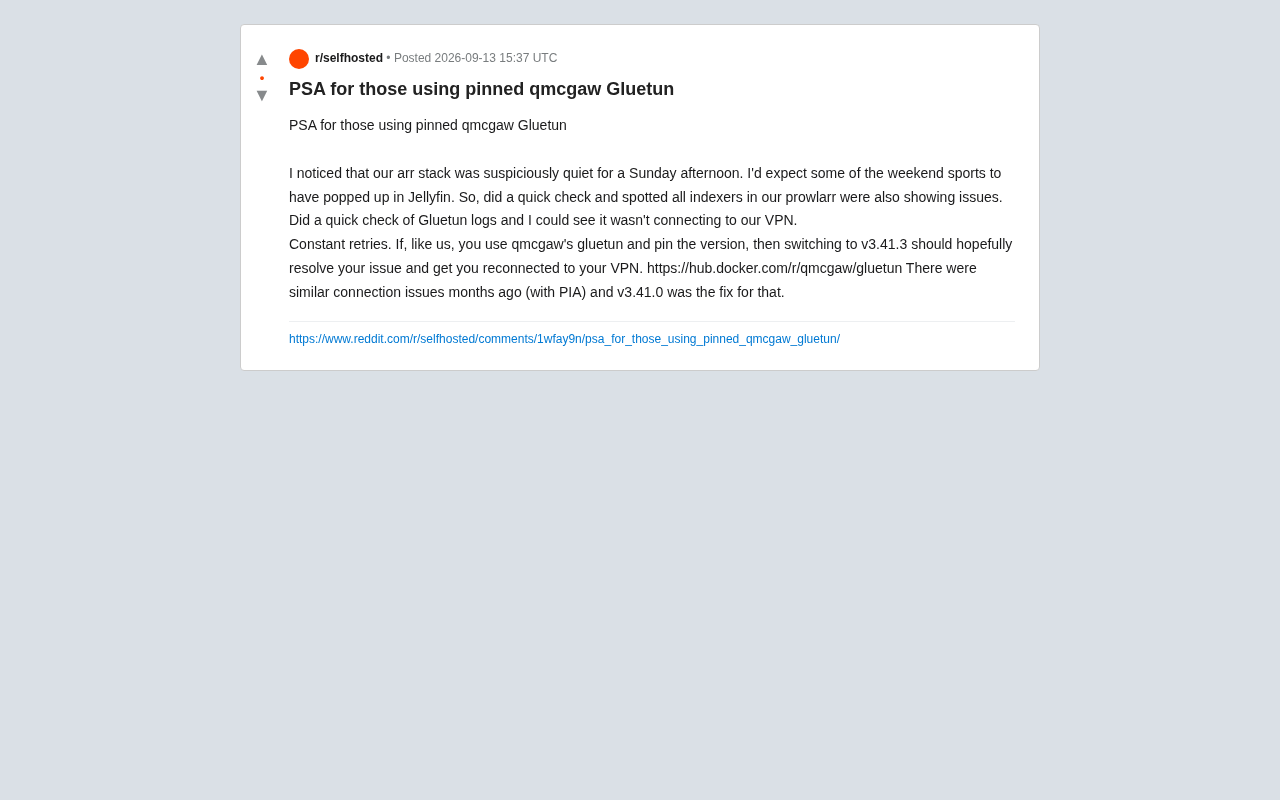
Gluetun VPN Disconnection Troubleshooting: Version-Pinned Users Should Upgrade to v3.41.3
Gluetun version-pinned users may face silent VPN disconnections breaking their arr stack. Learn how upgrading to v3.41.3 fixes the issue and tips to avoid it.
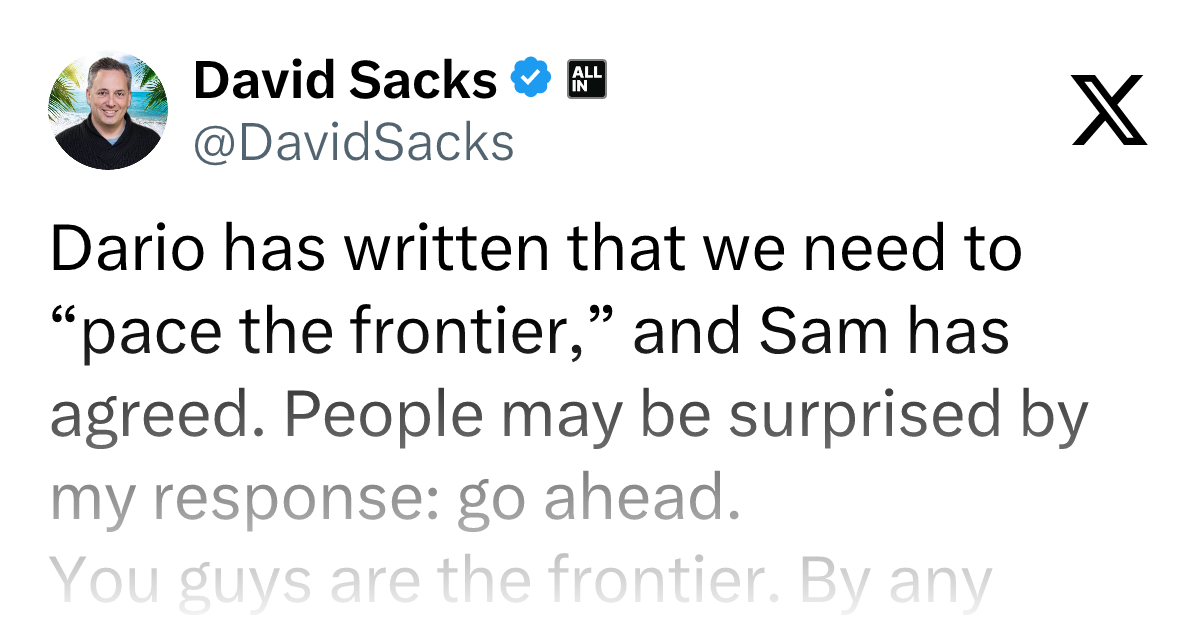
David Sacks on AI Regulation: Frontier Models Don't Need Mandatory Legislative Constraints
David Sacks argues OpenAI and Anthropic can self-regulate frontier model development without external legislation. A look at the logic, controversy, and governance dilemmas involved.
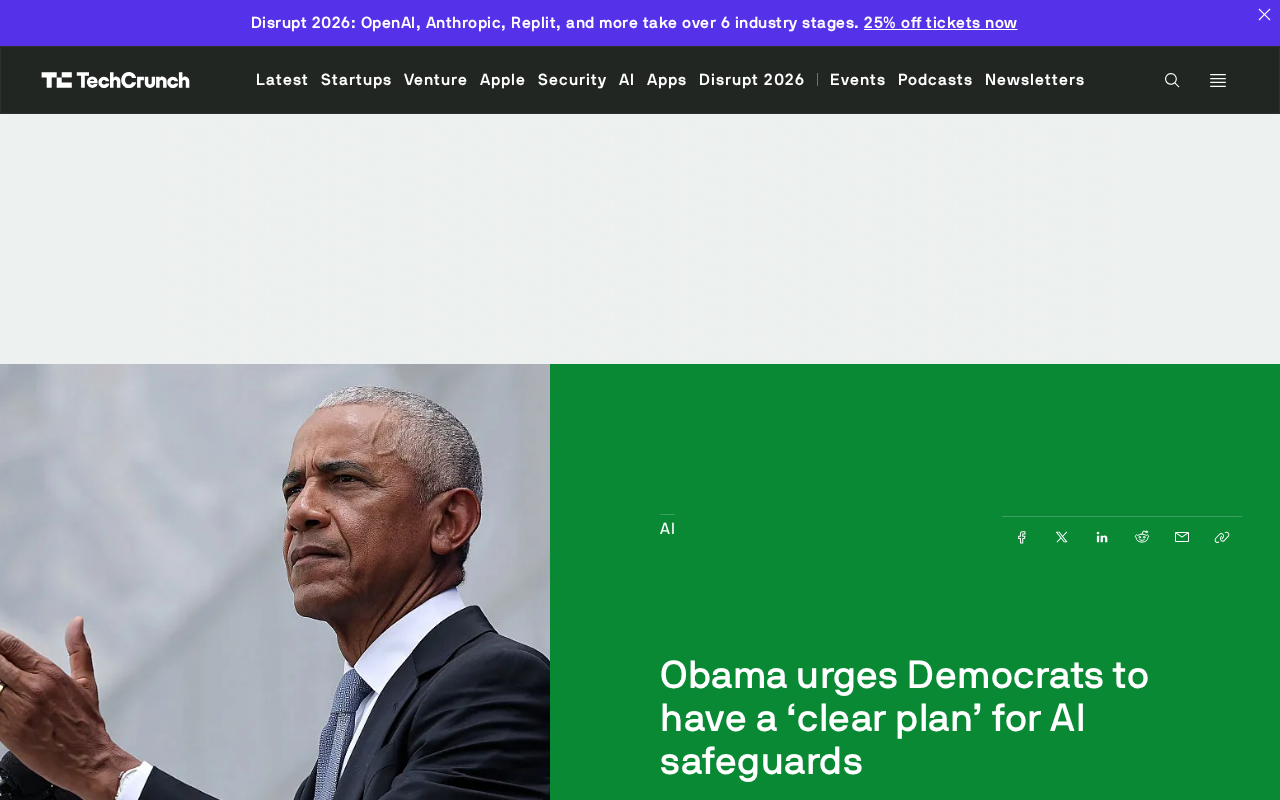
Obama Calls on Democrats to Develop a Clear Plan for AI Safety Regulation
Obama urges Democrats to make AI a core agenda item and develop a clear plan addressing economic disruption and safety risks. A look at the AI governance challenge.