TryCase: Auto-Generate AI Test Videos for Every PR Before You Merge
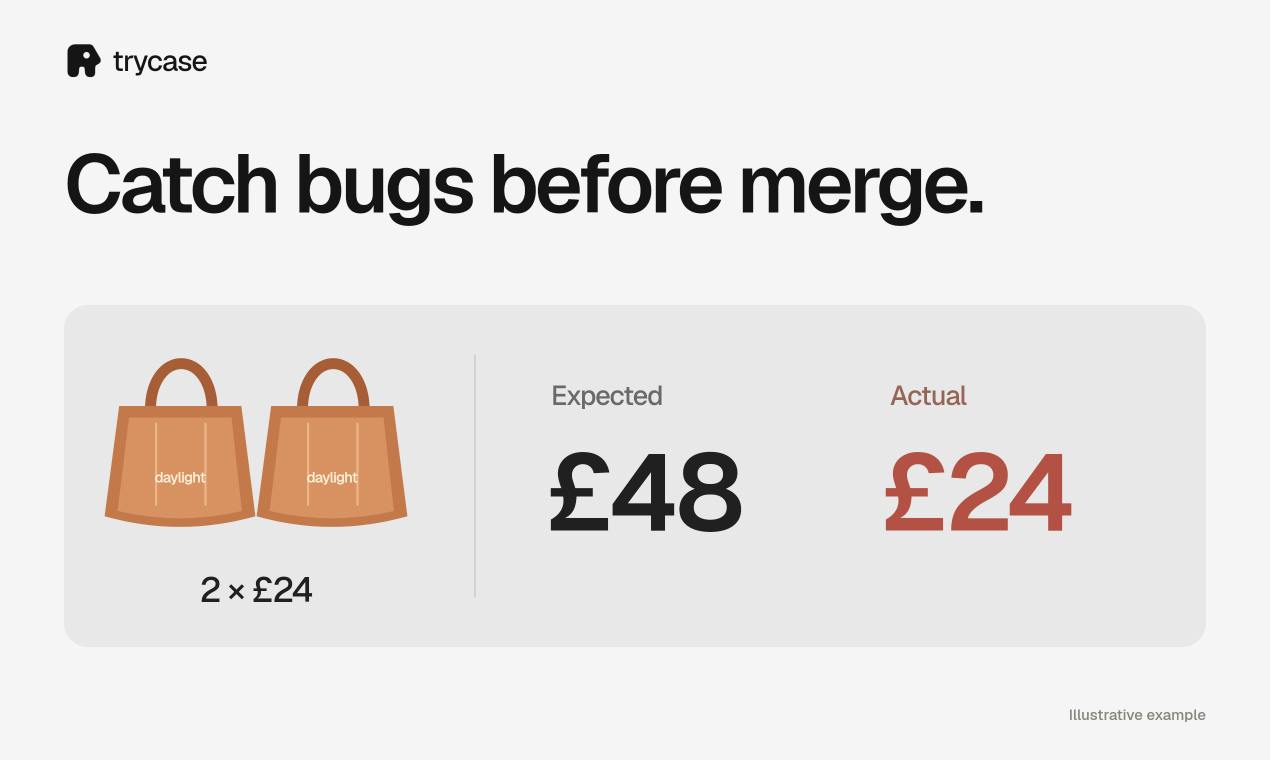
TryCase auto-generates AI interaction videos and test verdicts for every PR, turning code review into a live demo.
TryCase is an AI testing tool deeply integrated with GitHub workflows. After a Pull Request is submitted, an AI Agent simulates real user interactions with your application, records the full session as a video, and posts it alongside a test verdict directly on the PR page. It addresses a structural blind spot in traditional CI: automated tests can tell you if assertions pass, but can't show you what the experience actually looks like from a user's perspective. TryCase supports parallel testing across multiple PRs with no need to pre-write test scripts, making it especially suited for UI-heavy frontend and SaaS projects. It debuted at #8 on Product Hunt, though its reliability on complex flows, false-positive rates, and handling of authenticated sessions remain open questions to validate in production.
Every PR Gets Its Own "Live Demo" Video
One of the most frustrating parts of code review is figuring out whether a change actually works the way it's supposed to. Screenshots can be outdated, descriptions vague, and pulling the branch locally to test it yourself takes time. TryCase tackles this problem head-on with a more intuitive approach: when you open a Pull Request, it operates your application just like a real user would, records the entire interaction as a video, and pushes that video — along with a test verdict — back to GitHub.
The product recently launched on Product Hunt, landing at #8 for the day with 88 upvotes. Developer Ben Chomsang positioned it at the intersection of Developer Tools, Artificial Intelligence, and GitHub, with a straightforward core pitch — see what actually happened before you merge.
What Problem Does It Actually Solve
Traditional CI pipelines tell you whether unit tests passed and builds succeeded, but those green checkmarks often can't answer a more fundamental question: What does this feature look and feel like when a real user interacts with it?
TryCase upgrades automated testing from "assertion-based" to "visually verifiable." It opens your application like a real person would — clicking, typing, navigating — runs through key user flows, and produces a test verdict. Reviewers no longer have to mentally simulate what a change looks like, or manually check out a branch to verify it locally. They just watch the video directly on the GitHub PR page.
This "seeing is believing" approach is especially valuable for projects with heavy frontend interactions and frequent UI changes. A button repositioned, a form validation tweak — a video replay is far more convincing than any written description.
Parallel Testing Across Multiple PRs
TryCase makes a point of highlighting that it supports parallel testing across multiple PRs. In active team environments, having several PRs open for review simultaneously is the norm. If tests can only run sequentially, the feedback lag can meaningfully slow down development velocity.
Parallel processing means every submission gets its video replay and verdict quickly, without waiting in line behind other PRs. For teams optimizing for fast iteration, this is a practical engineering consideration — and it signals that the architecture was designed from the start with real team throughput in mind.
AI Agent-Driven "Real User" Testing
TryCase's technical core rests on the idea of "using your application like a real user would." This requires an AI Agent capable of understanding the application's interface and autonomously planning an interaction path — rather than relying on developers to pre-write a fixed set of test scripts.
This AI-driven approach to end-to-end testing is one of the hottest directions in the developer tools space right now. Compared to traditional tools like Selenium or Playwright — which require manually authored and maintained scripts — AI-driven testing dramatically lowers the barrier to test coverage. In theory, you don't need to hand-write test cases for every new feature; the Agent explores and validates on its own. That said, the accuracy of AI testing and its ability to understand complex business logic remain areas these tools will need to prove over time.
Worth Watching, With Some Healthy Skepticism
From a positioning standpoint, TryCase targets a real and frequent pain point in code review. It tightly integrates AI Agent capabilities with the GitHub workflow, and the delivery format — video plus verdict, embedded directly in the PR — is clean and clear.
That said, publicly available information is still limited, and several questions remain unanswered: How reliably does the AI handle complex, multi-step flows? What's the false-positive rate? How does it manage applications that require real data, authenticated sessions, or third-party dependencies? And how much latency does video generation add to the CI pipeline? These factors will directly determine how useful it is in production environments.
For teams building web applications and SaaS products, TryCase offers a compelling new perspective — shifting code review from "reading about the change" to "watching the change." If it can consistently deliver high-quality automated demo videos, it has a real shot at carving out a place in an increasingly crowded AI testing landscape.
Related articles
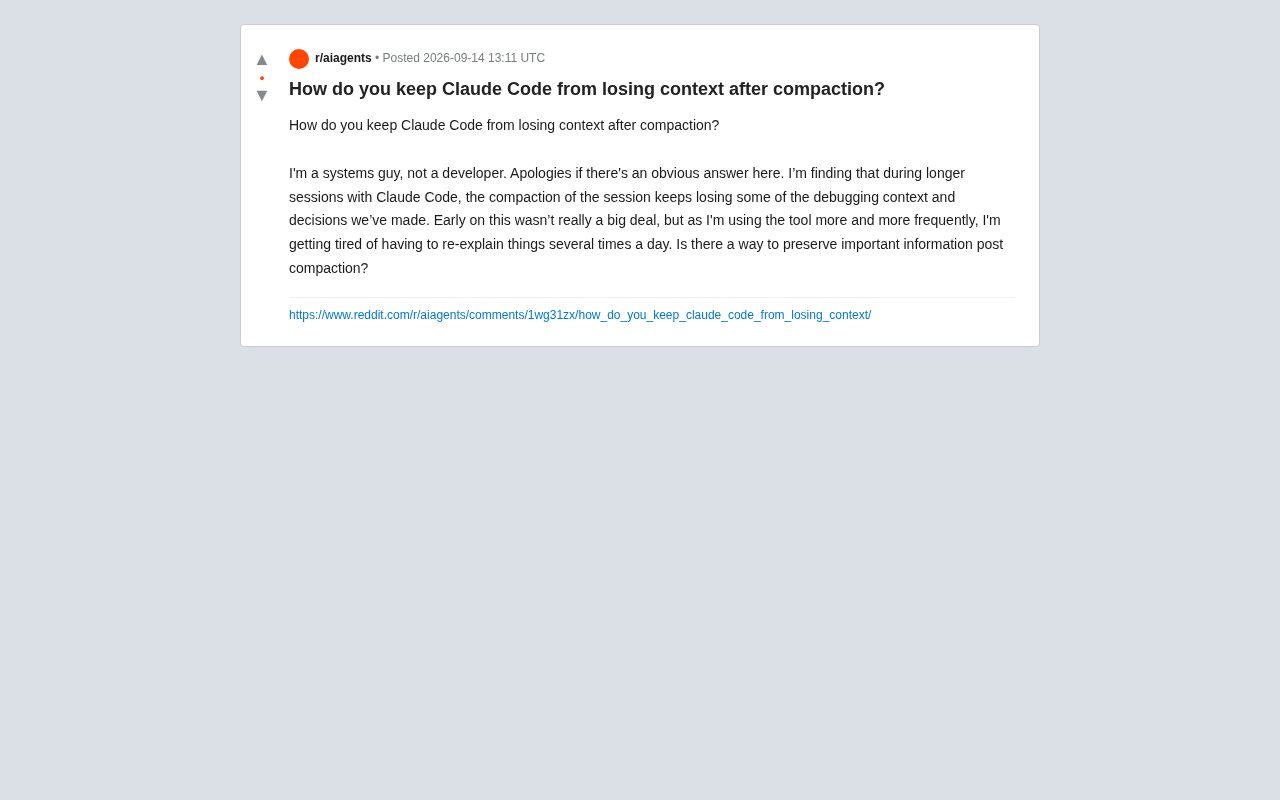
Losing Memory After Claude Code Context Compaction? Practical Solutions Explained
Claude Code losing debugging context after compaction? Learn how CLAUDE.md persistent memory, manual /compact control, session splitting, and external records solve the problem.
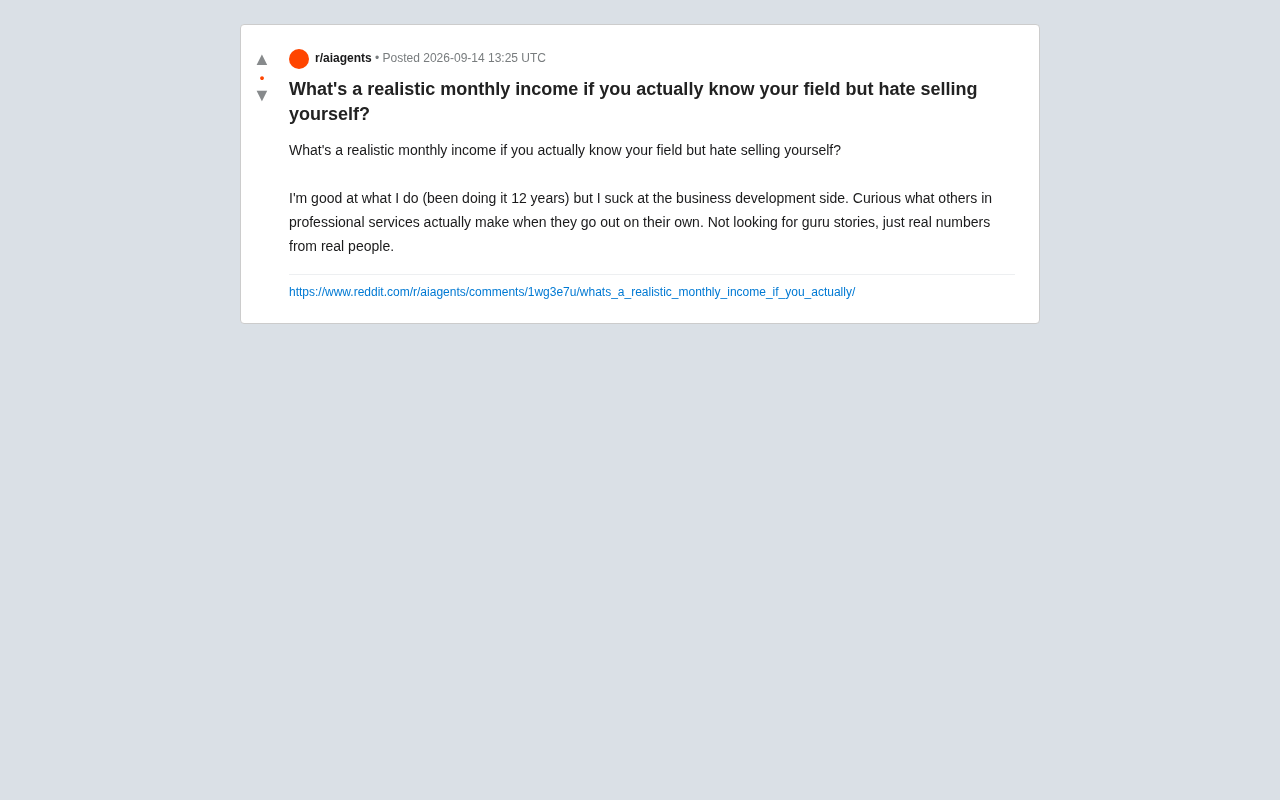
Great at the Work, Bad at the Hustle: A Realistic Look at Monthly Income for Independent Professionals
Can a 12-year professional who hates self-promotion earn well independently? Explore real Reddit insights on income expectations and non-sales client acquisition paths.

COGEXT: A Verification Layer That Gives AI Agents a "Lie Detector"
COGEXT is a verification layer for AI Agents like LangChain that extracts commitments and cross-checks them against Gmail, GitHub, and other external systems to catch agents lying about task completion.