Two Blind Brothers Use ChatGPT to Transform Daily Life and Their Nonprofit
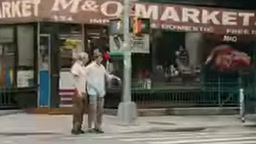
Two brothers with Stargardt disease use ChatGPT as both a daily life aid and a nonprofit business partner.
Brad and Brian, brothers living with Stargardt disease — a hereditary condition causing progressive central vision loss — have integrated ChatGPT into every layer of their lives and work. Day-to-day, the AI acts as a second pair of eyes, helping them read menus, navigate streets, and identify food on their plates. They describe the experience as "throwing off a weighted vest," saying AI has genuinely leveled the playing field for people with disabilities. On the nonprofit side, ChatGPT functions as a business partner for their organization Two Blind Brothers, handling email summaries, fundraising research, and accessible website development for their new initiative Thrive Blind, which helps blind students enter strong career pathways. The article also honestly acknowledges AI's limits, and closes with a humorous exchange that underscores a core truth: technology can restore dignity and independence, but human connection remains irreplaceable.
When Technology Becomes a "Second Pair of Eyes"
Brad and Brian are brothers living with Stargardt disease, a progressive eye condition that gradually destroys central vision. Navigating a world not designed for the visually impaired has always required them to be "creative" — and today, ChatGPT sits at the heart of that creativity.
"I use ChatGPT 100% of my day," Brad says in the video. From confirming which street corner he's standing on, to reading restaurant menus and understanding how food is arranged on his plate, the AI assistant has woven itself into nearly every aspect of their daily lives.
One vivid scene in the video shows Brad walking into a restaurant and asking his phone: "Can you tell me what's on the menu and what I might like?" ChatGPT responds: "If you want something rich and classic, go with the Croque Madame." He then photographs the specials board and his plate, letting the AI describe where everything is positioned. Tasks that most people take for granted — ones that previously required asking someone else for help — are now within reach.
Stargardt Disease is a hereditary macular degeneration caused by mutations in the ABCA4 gene, typically emerging in adolescence or early adulthood. Toxic lipofuscin accumulates in the macula — the central region of the retina responsible for fine detail vision — causing photoreceptor cells to die and resulting in irreversible central vision loss. Patients experience difficulty reading, trouble recognizing faces, and sensitivity to bright light, though peripheral vision is generally preserved. There is currently no cure; approximately 300,000 people worldwide are affected. The greatest daily challenges for Stargardt patients center on tasks requiring fine visual discrimination — reading text, identifying images, judging spatial positions — which happen to be precisely the scenarios where multimodal AI (large language models capable of processing both images and text simultaneously) excels at providing assistance.
"Throwing Off the Weighted Vest": How AI Levels the Playing Field
The brothers use a strikingly vivid metaphor: visually impaired people spend their entire lives walking around wearing a "weighted vest." ChatGPT, they say, lets them "read" and "throw that weighted vest right off."
"ChatGPT has truly leveled the playing field for people with disabilities," they explain. "Those everyday tasks — you don't need to ask someone else for help anymore." The restoration of that independence means far more than simple convenience — it's about dignity and autonomy.
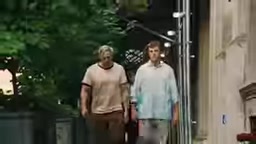
Of course, AI isn't a perfect solution. The brothers are candid about its limits in the video: "Until you have to cross a very long crosswalk — then you still have to rely on the person walking in front of you." Brian's take on this is refreshingly grounded: "That's just city trust, baby." Technology resolves a huge range of situations, but human collaboration and trust remain irreplaceable.
From Personal Struggle to Public Good
It was precisely because of their vision loss that the brothers founded Two Blind Brothers. "Sometimes your greatest challenge is your greatest gift," they say — a line that became the founding ethos of their organization.
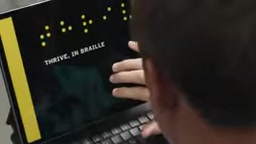
Two Blind Brothers is a 501(c)(3) nonprofit that positions itself as "a gateway to blind awareness and education." Over the years, they have connected countless organizations that provide direct services to the blind community, and have built on that foundation to launch a new initiative called Thrive Blind, with the goal of helping blind students access strong career pathways.
501(c)(3) is a tax-exempt nonprofit classification under U.S. tax law. Organizations under this designation are exempt from federal income tax, and donations made to them are tax-deductible for donors — a critical status for any public-benefit organization that relies on charitable contributions. Since obtaining this designation, Two Blind Brothers has seen significant improvements in both fundraising efficiency and public credibility. Their "connector" model — rather than delivering services directly, they act as a gateway that routes blind individuals to specialized service organizations — is a well-established "hub" structure in the nonprofit ecosystem, capable of leveraging far broader social resources with a relatively lean operational footprint. Their new project, Thrive Blind, focuses specifically on employment, addressing one of the most pressing pain points facing the visually impaired: according to U.S. Bureau of Labor Statistics data, employment rates among visually impaired individuals have long been significantly lower than the general population.
ChatGPT as a "Business Partner"
On the operational side of their nonprofit, ChatGPT has evolved from a life assistant into a full "business partner." It prioritizes and summarizes emails based on context — Brad will ask directly: "Chat, can you go through this week's memos and flag anything we haven't wrapped up yet?"
They also use AI to compile lists of every foundation and company that has done relevant work in the visual health space, generating leads for fundraising and partnerships. Perhaps most notably, they're using AI to build an accessible website: "Chat, I need to build the Thrive Blind website, and it has to be accessible — accessible font sizes, screen reader compatible." Using AI to build accessible products for the blind community creates a meaningful and satisfying full-circle moment.
Building an accessible website requires adherence to the Web Content Accessibility Guidelines (WCAG). Core requirements include sufficiently large fonts and contrast ratios, alt text for all images, page structures that can be correctly parsed and read aloud by screen reader software, and full keyboard navigation support. Screen readers are the cornerstone assistive technology for visually impaired computer users, converting on-screen text and interface elements into speech or Braille output. If a website isn't built to accessibility standards, screen readers may be unable to correctly interpret the page structure — rendering it completely unusable for blind visitors. Using AI to help build products specifically designed to serve blind users means technology itself becomes a tool for closing the digital divide, rather than a new barrier that creates one.
Beyond the Tech, There's Brotherhood
The video closes on a comedic note. Brad jokes: "The hardest part of Two Blind Brothers isn't actually being blind — it's being brothers." He then asks ChatGPT to objectively judge "who is more objectively better-looking, Brad or Brian?" The AI responds that "going purely by photos and flipping a coin, Brad wins on hairstyle alone" — sending both brothers into laughter. Brian quips, "Well, I might stop using ChatGPT then."
This lighthearted exchange cuts to the heart of what AI assistance can and can't do: technology can throw off the weighted vest, serve as a pair of eyes, and step up as a business partner — but the genuine emotional connection, trust, and humor of real life still belong entirely to the people living it. For the visually impaired, multimodal AI like ChatGPT offers more than a productivity boost. It offers the possibility of re-engaging with the world on equal footing.
Related articles
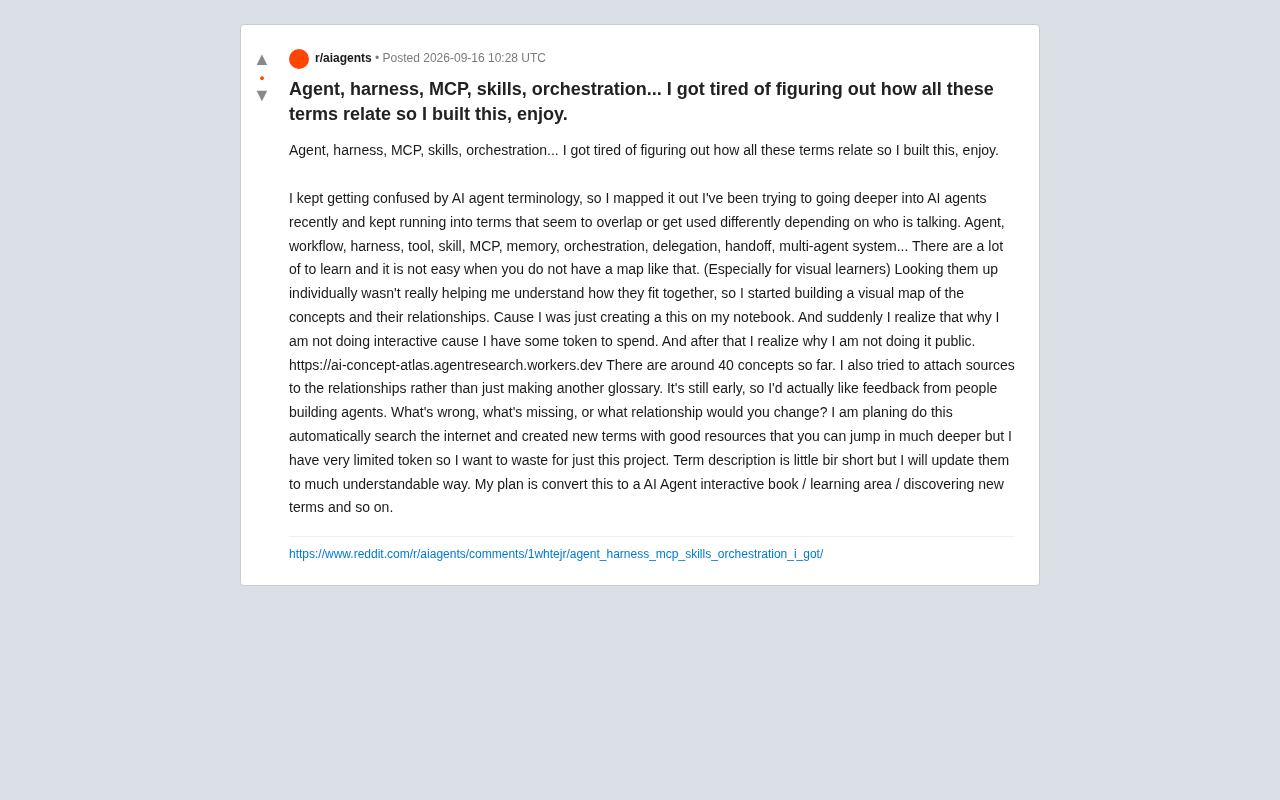
AI Agent Terminology Too Confusing? One Interactive Concept Map to Untangle 40+ Core Terms
Confused by AI Agent terms like MCP, harness, orchestration, and skills? AI Concept Atlas is an interactive map visualizing 40+ concepts and their relationships, with cited sources.
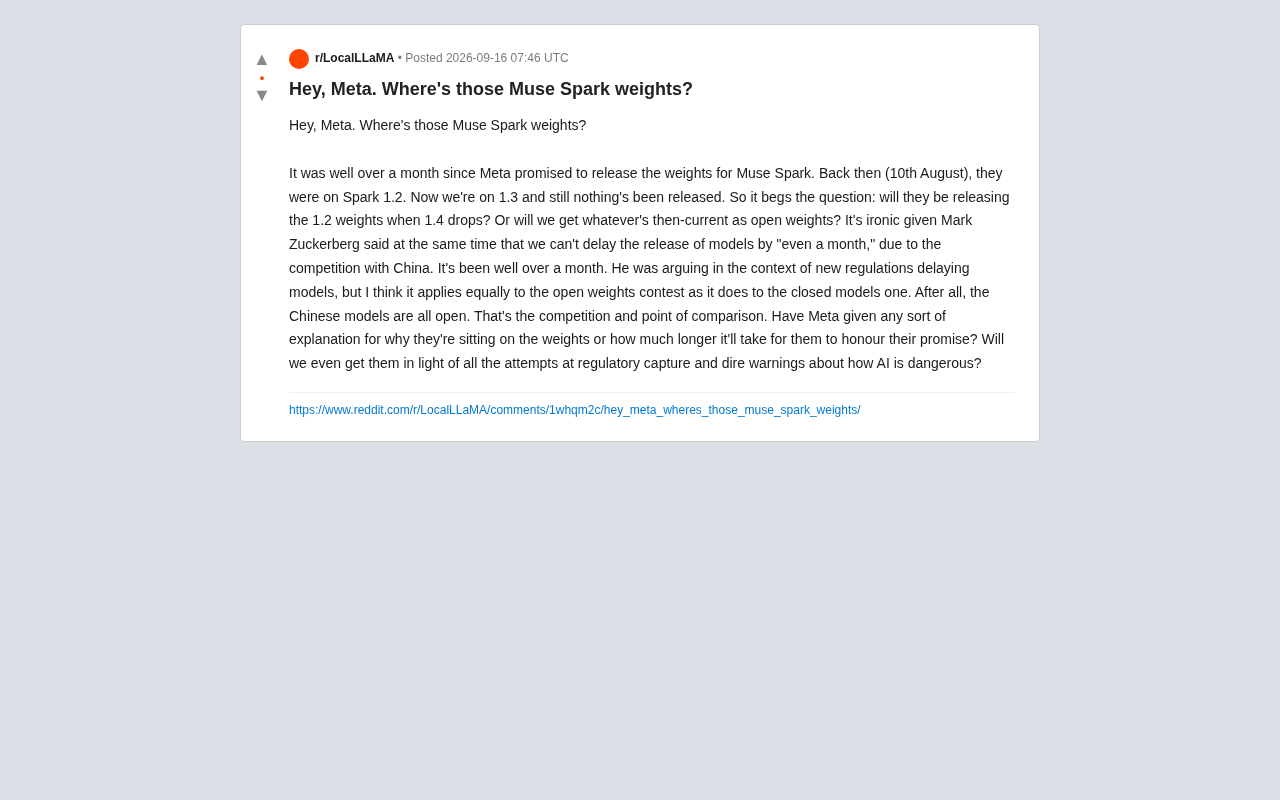
Meta's Broken Promise: Community Demands to Know Where the Muse Spark Weights Are
Meta promised to open-source Muse Spark model weights over a month ago, but still hasn't delivered. The community questions how this squares with Zuckerberg's "can't delay even a month" stance.
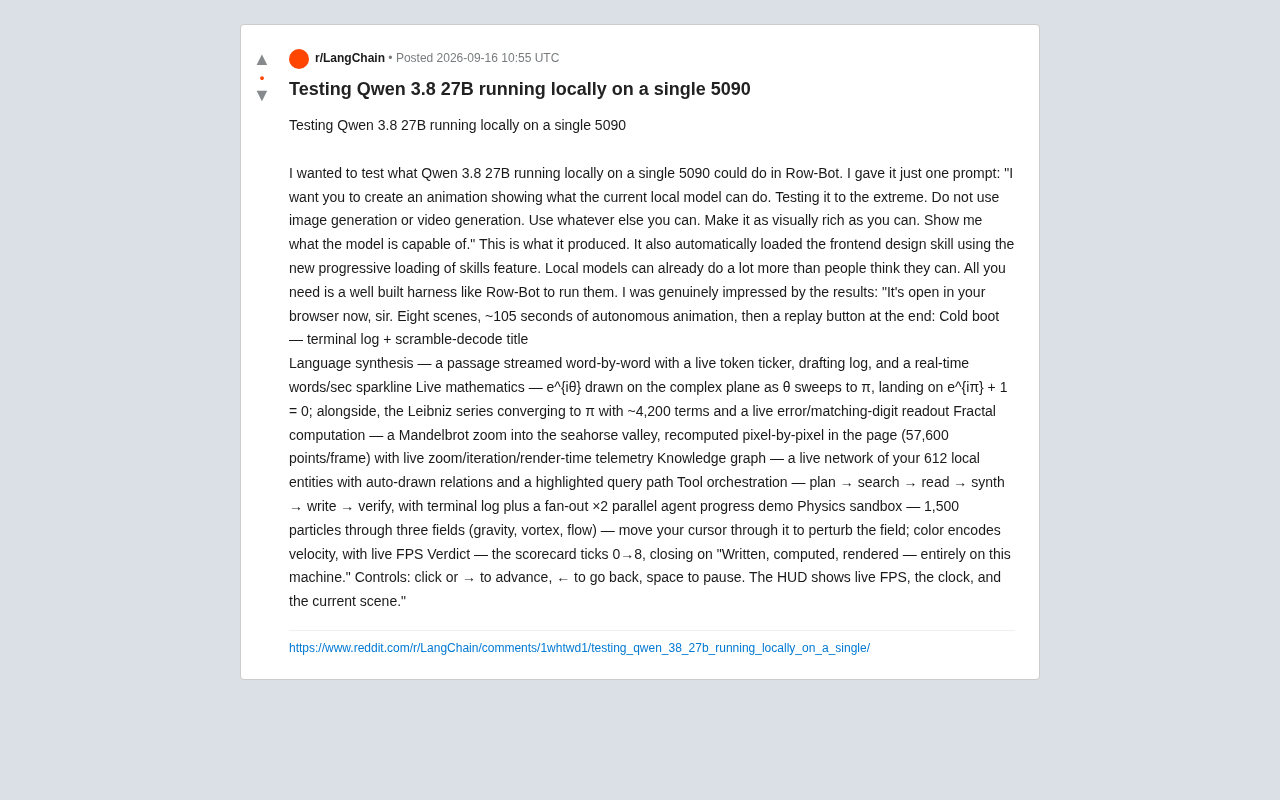
Running Qwen3 27B Locally on a Single RTX 5090: What Can It Actually Do?
A developer runs Qwen3 27B locally on a single RTX 5090 via the Row-Bot Agent framework, generating an 8-scene, 105-second interactive animation from one prompt — including real-time math, fractals, and physics.