United Airlines Bans AI Agents from Booking Flights, Escalating the Battle Between Airlines and Intelligent Agents
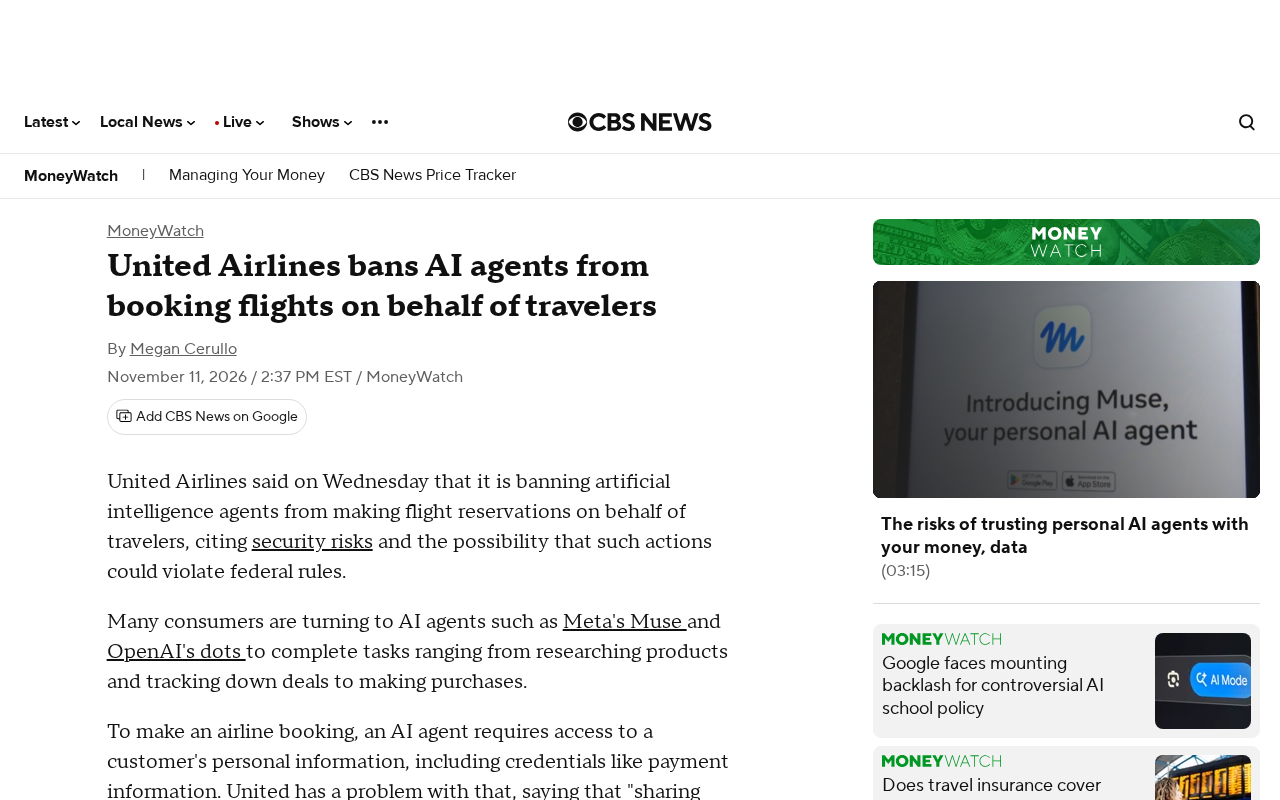
United Airlines bans third-party AI agents from booking flights, revealing the deep conflict between platform channel control and the agent economy.
United Airlines has explicitly banned third-party AI agents from booking flights on behalf of travelers, sparking heated discussion on Hacker News. The article argues this is essentially a defense of airlines' control over the booking entry point—AI agents' bulk queries and automatic seat locking are hard to distinguish from malicious automation, making bans the cheapest defense. The deeper issue is the missing trust infrastructure: identity authentication, payment risk control, and accountability chains break down when AI books on behalf of users. For travel AI developers, official API paths are narrowing and gray-area automation risks are rising; for travelers, impact is limited for now, but it shows that agent capability boundaries depend not just on models but on platforms' willingness to open up. The real solution lies in an identifiable, authorizable, and accountable agent access mechanism.
Why United Airlines Says "No" to AI Agents
According to discussions in the Hacker News community, United Airlines has explicitly banned third-party AI agents from booking flights on behalf of travelers. This news has caused quite a stir in the tech community—it marks a shift in how traditional service industries view automated intelligent agents, moving from observation to fortification.
On the surface, this is just a channel policy adjustment by one airline. But against the backdrop of AI agents rapidly penetrating consumer scenarios, this ban touches on a more fundamental question: when AI starts executing transactions on behalf of people, should platforms treat it as a customer, a tool, or a risk?
The Head-On Collision Between Platform Risk Control and the Agent Economy
Airlines' desire to control booking channels is long-standing. Direct sales through their own websites reduce distribution costs, give them access to traveler data, and avoid third-party markups or false information. The intervention of AI agents bypasses exactly these control points.
An autonomously operating booking agent may query fares in bulk, automatically lock seats, or even complete payments using scripts. To airlines, such behavior is technically highly similar to crawlers or scalper scripts, making it difficult to distinguish "benign agents" from "malicious automation" in risk control systems. Banning AI agents is the lowest-cost, fastest-acting defense.
The discussion on Hacker News points to this layer as well: commenters generally believe that what airlines truly fear is not AI itself, but losing control over the transaction entry point. Whoever controls the "first touchpoint" of booking controls pricing display, ancillary service promotion, and the user relationship.
OTA (Online Travel Agency) refers to third-party platforms such as Ctrip, Expedia, and Booking.com, which obtain inventory through distribution agreements with airlines and sell at a markup. Airlines' NDC (New Distribution Capability) standard is designed to bypass the traditional GDS (Global Distribution System) intermediary layer, allowing airlines to offer dynamic pricing and ancillary services directly to agencies and travelers. If AI agents directly scrape airline website data or simulate user operations, they use neither NDC nor GDS—effectively completely detaching from the airline's distribution system. This is the technical root of the channel control conflict.
The Trust Gap in the Agent Economy
Looking deeper, this exposes the missing trust infrastructure that AI agent commercialization faces.
When humans book flights through browsers, there is a mature chain of identity authentication, payment risk control, and legal accountability behind it. But when AI agents book on behalf of users, if wrong cabin classes, duplicate charges, or refund/change disputes occur, responsibility becomes ambiguous: is it the agent developer, the model provider, or the user who authorized it? Platforms clearly do not want to bear this uncertainty.
This is similar to what AI coding tools encounter when being deployed in enterprises—the closer the capability comes to "autonomous execution," the more platforms tend to set boundaries first before discussing openness. United Airlines' ban can be seen as an early statement from the airline industry, and other platforms will likely follow and observe.
Delegated Authorization is a core legal and technical concept when AI agents execute transactions on behalf of users. Traditional authorization frameworks like OAuth address "which data an application can access," but cannot answer "who is responsible when an agent completes payment without the user's real-time confirmation." Current directions being explored in academia and industry include: verifiable agent identity (such as DID-based decentralized identifiers), cryptographic signatures of operation intent, and platform-side auditable logs of agent behavior. The absence of these mechanisms leaves platforms with only "blanket bans" as the default risk control strategy.
Practical Impact on Developers and Users
For developers building travel AI applications, this ban means the path relying on official channel APIs is narrowing, and the risk of gray-area automation is rising. In the short term, AI agent products around flight tickets need to reassess compliance costs and the probability of being banned.
For ordinary travelers, the impact is limited for now—official websites and mainstream OTAs remain the primary entry points. But if AI agent booking was once expected to offer "smarter price comparison and more effortless operation," this bucket of cold water reminds us: the capability boundary of intelligent agents is determined not only by the model, but also by platforms' willingness to open up.
There is no simple right or wrong in this game. Airlines have the right to maintain channel order, and AI agents represent genuine efficiency demands. The real solution may lie in establishing a mechanism for agent access that platforms can identify, authorize, and hold accountable—but that requires industry collaboration far beyond a single ban.
One-line Summary
United Airlines bans third-party AI agents from booking flights, revealing the deep conflict between platform channel control and the agent economy.
Paragraph Summary
United Airlines has explicitly banned third-party AI agents from booking flights on behalf of travelers, sparking heated discussion on Hacker News. The article points out that this ban is superficially a channel policy adjustment but essentially a defense of airlines' control over the booking entry point—AI agents' bulk queries and automatic seat locking are difficult to distinguish from malicious automation in risk control systems, and banning is the lowest-cost defense. The deeper issue is the lack of trust infrastructure: when AI books on behalf of users, the chain of identity authentication, payment risk control, and accountability breaks down, and platforms are unwilling to bear the uncertainty. For travel AI developers, the path relying on official APIs is narrowing and gray-area automation risks are rising; for travelers, the impact is limited for now, but it reminds people that the capability boundary of intelligent agents is determined not only by models but also by platforms' willingness to open up. The real solution lies in establishing an agent access mechanism that is identifiable, authorizable, and accountable.
Related articles
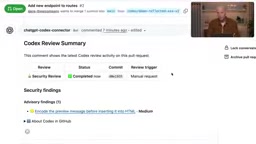
Codex Security: A Configuration Guide to Automatically Blocking Vulnerabilities at the PR Stage
OpenAI engineers demonstrate Codex Security PR Reviews: automatically scan for vulnerabilities at the GitHub PR stage, have AI generate fix commits and re-verify, with repository-level automatic review and alert threshold configuration.
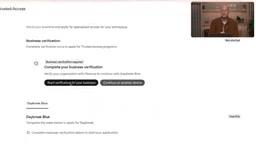
Daybreak Blue Application and Enablement: Complete Process Guide
Based on the official demo video, this guide details the Daybreak Blue application and enablement process, covering enterprise verification, intended use statements, role permission configuration, user access verification, and API key creation to help cybersecurity teams quickly onboard frontier AI models.
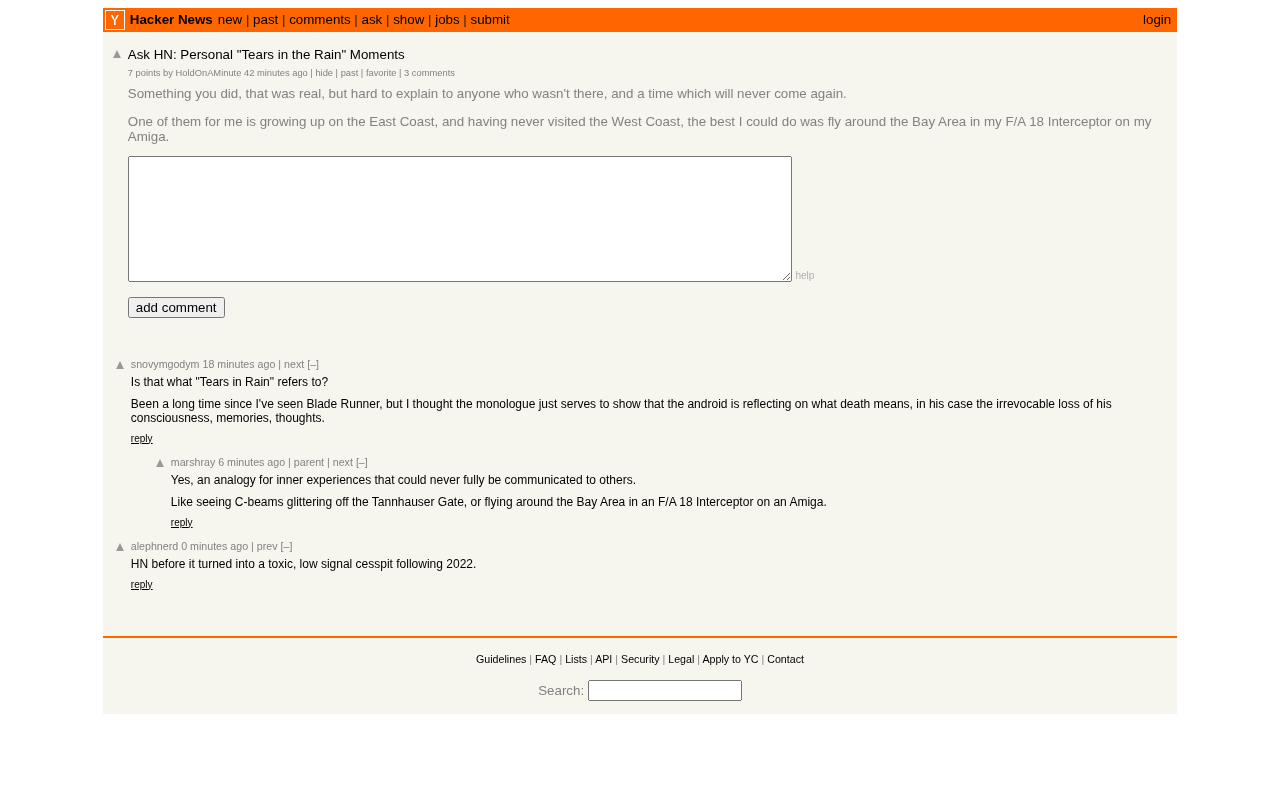
Tech Workers' 'Tears in the Rain' Moments: Hacker News Debates the Boundary Between AI and Humanity
A Hacker News post, "Personal Tears in the Rain Moments," sparks discussion of emotional experience in the tech community. This article interprets the tech-humanist thinking behind the topic and explores the unique value of tech workers in the AI era and the metaphor of fading memory.