Upgrading to ChatGPT Pro in China: Alipay Direct Top-Up and a Pitfall-Avoidance Guide to Four Channels
Comparing four ChatGPT membership top-up channels, with a zero-barrier Alipay self-service top-up as the main recommendation.
The article addresses Chinese users' difficulties upgrading to ChatGPT Plus/Pro, comparing website self-service top-up, overseas credit card direct payment, US Apple ID plus gift card, and Google Play in-app purchase. Using prerequisites, risk level, and beginner-friendliness as criteria, it recommends website self-service top-up via Alipay/WeChat with self-held credentials and Session token paste as the safest choice; credit cards have the highest barrier and trigger risk controls; US Apple ID has over 70% pitfall rate and account locks; Google Play requires setup and has higher ban rates. It concludes with never sharing verification codes, choosing plans by need, and avoiding ultra-low-price black cards.
Why "proxy top-up" is the most dangerous choice
For users in China, upgrading to ChatGPT Plus or Pro has always been a hassle. No overseas credit card, no desire to wrestle with overseas network access, and even less desire to hand the account over to a stranger for a proxy top-up — this is the real situation for most people. Bilibili creator "23ai" shared a tutorial comparing the pros and cons of four mainstream top-up paths and presented a zero-barrier Alipay direct top-up solution. This article, combined with screenshots from that video, breaks down the risk points of each channel to help you find the path that suits your device conditions.
Before discussing specific channels, let's establish a bottom line: never give your account and verification code to anyone. The creator specifically emphasized in the video that many scams use the name of "proxy top-up" to ask for account information, ultimately leading to account bans or even account theft.
To judge whether a top-up channel is good, the creator gave three criteria: whether there are prerequisites, how high the risk is, and whether it is beginner-friendly. Applying these three criteria, most paths that look "cheap and effortless" are actually not suitable for ordinary users.
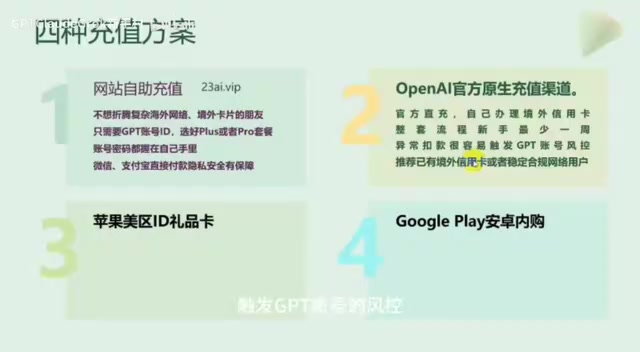
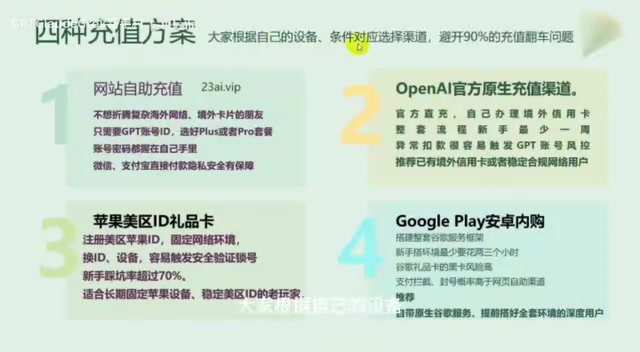
Side-by-side comparison of four top-up channels
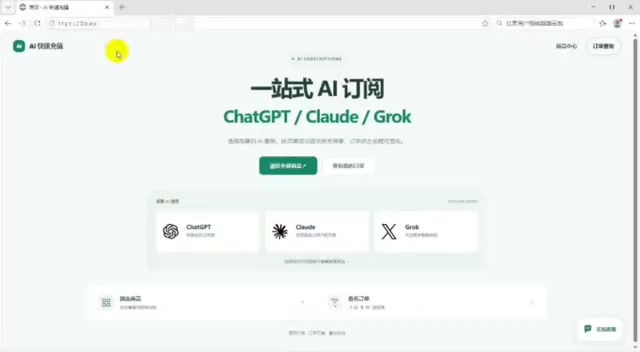
Website self-service top-up: the zero-barrier Alipay solution
This is the method the creator mainly recommends, suitable for users who don't want to deal with overseas networks and foreign credit cards. The logic is simple: while logged into your own account, choose a plan on a third-party subscription service website and pay with WeChat or Alipay — the account password always stays in your hands.
The specific process: open a browser and go to the one-stop AI subscription service page, browse all products and select the plan you need (Plus or Pro 5x/10x, etc.), enter your email for order inquiries, then log into your account on the GPT website, return to the top-up website and click to get the Session, copy the entire code block from the browser (including the parentheses) and paste it in, confirm the account is correct, then choose a payment method and submit the order.
The creator mentioned during the demo that if the copied code is relatively short, it means you haven't properly logged into your GPT account. After submitting the order, wait for processing; once the page shows the top-up was successful, return to the GPT website and refresh to check. If it doesn't show immediately, refreshing a couple more times usually reveals the Plus badge. The website offers 24-hour automatic delivery and online customer service; if you need an invoice for reimbursement, you can also contact customer service.
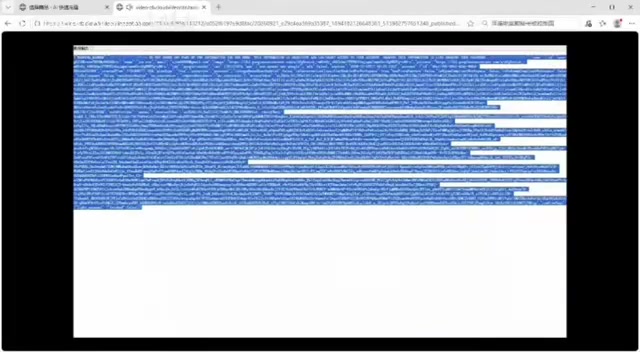
Session mechanism: After logging into the ChatGPT web interface, the browser saves a Cookie representing the current session (usually starting with __Secure-next-auth.session-token). Third-party top-up platforms have users manually paste this token so they can reproduce the login state on their servers and complete the payment on the official subscription page on the user's behalf. Throughout the process, users don't need to hand over their password, but the token itself is equivalent to a login credential while valid. Therefore, you should only paste it to a trusted service provider and, after the top-up is complete, go to ChatGPT settings and perform "Log out of all devices" to invalidate the old token.
Plan differences between Plus and Pro: ChatGPT Plus is aimed at individual users, offering higher quotas for advanced model access and priority access to some new features; Pro is positioned for heavy users, with significantly increased model call quotas and access to higher-intensity reasoning models. The "5x / 10x" mentioned in the article usually refers to packages sold by the platform at different quota tiers — the higher the quota, the higher the unit price, so light users can just choose the lowest tier.
Credit card top-up: official direct payment but the highest barrier
Official direct top-up requires an overseas credit card. The creator warns that it takes at least a week for a beginner to figure out the entire process, and abnormal charges can easily trigger account risk controls. This path is only recommended for users who already have an overseas credit card and can use the network stably and compliantly.
Why overseas cards easily trigger risk controls: OpenAI's payment risk control cross-checks whether the card issuer's country, billing address, login IP, and device fingerprint are consistent. When a card is used by multiple accounts in different regions within a short period, or when the billing address clearly doesn't match the account's registration location, the system flags it as a high-risk transaction and directly declines the charge; repeated attempts may also freeze the account's payment privileges. This is the technical origin of the saying "abnormal charges easily trigger risk controls" — the problem is often not the card itself, but the mismatch between the usage environment and the card's place of origin.
US Apple ID plus gift card: extremely high pitfall rate for beginners
This method requires registering a US Apple ID and maintaining a fixed network environment. Once you change the ID or device, it's easy to trigger security verification and lock the account. The creator stated outright that the pitfall rate for beginners exceeds 70%; it's only suitable for veteran users who use fixed Apple devices long-term or already have a stable US ID.
How account locking happens: Apple performs linked verification of an Apple ID's login devices, IP location, and payment method. When a newly registered US ID suddenly logs in from a Chinese IP, switches devices within a short time, or makes an in-app purchase immediately after redeeming a gift card, the system considers it account sharing or card fraud, triggering security verification or even directly disabling the account. At that point, not only does the in-app purchase fail, but the redeemed gift card balance may also be frozen, and the appeal process is long with a low success rate — this is the core reason for the high pitfall rate for beginners.
Google Play in-app purchase: high environment setup cost
This requires setting up the entire Google services framework, which takes beginners at least two to three hours. The risk of Google gift cards is higher than Apple gift cards, with higher payment interception and account ban rates than website self-service top-up. This path is only recommended for power users who have native Google services or have already set up the full environment in advance.
Pitfall-avoidance tips: choose plans according to need, don't be dazzled by low prices
The conclusion from comparing the four paths is clear: beginners should prioritize website self-service top-up, which is more reliable and stable. The creator emphasizes that choosing the channel according to your device conditions can avoid most top-up failures.
Regarding plan selection, light daily use only requires the basic Plus version — there's no need to blindly go for Pro and waste money. Also, be wary of ultra-low prices — many short-term black-market cards disappear after top-up, and account security is not guaranteed. Apple and Google in-app purchases have overly strict environmental requirements, which is also where beginners get stuck.
One final reminder: never give the verification code to anyone, and keep the account password in your own hands — this is the most important security bottom line across all top-up methods.
One-line Summary
Comparing four ChatGPT membership top-up channels, with a zero-barrier Alipay self-service top-up as the main recommendation.
Paragraph Summary
The article addresses the real difficulties Chinese users face when upgrading to ChatGPT Plus/Pro, comparing four paths: website self-service top-up, overseas credit card direct payment, US Apple ID plus gift card, and Google Play in-app purchase. Using "whether there are prerequisites, risk level, and beginner-friendliness" as criteria, the author points out that website self-service top-up — paying via Alipay/WeChat, keeping account credentials, and only needing to paste a Session token — is the safest choice for beginners; credit card direct payment has the highest barrier and abnormal charges easily trigger risk controls; US Apple ID has a pitfall rate over 70% and easily locks accounts; Google Play requires setting up the Google framework and has a higher ban rate. The article concludes by emphasizing never leaking verification codes, choosing plans according to need, and being wary of ultra-low-price black-market cards.
Related articles
DevWorkflow 5.0: From Idea to Launch with the AI Five-Step Method
DevWorkflow 5.0 is a Claude Code plugin that uses a five-step process to take AI-assisted development from idea to launch. It asks you before every decision, preventing AI from adding tables and fields on its own, keeping docs and code consistent, and stopping merges before tests are written. Supports multiple platforms and languages, for individual developers and small teams.

How Do Hermes Agent's .md Files Work? A Breakdown of the Core Mechanism
Explaining Hermes Agent's .hermes directory mechanism: user.md stores personal info, memory.md records details worth remembering, soul.md defines the Agent's personality. Learn how these pure Markdown files keep the Agent consistent across sessions.

UN "Killer Robot" Talks Stall Again: Why Autonomous Weapons Regulation Is Hard to Break Through
UN Geneva talks on autonomous weapons ("killer robots") ended a week of consultations with little progress; delegates only agreed to "begin discussing options." This article analyzes the definitional disputes, conflicting security demands, and limits of multilateral mechanisms behind the stalemate.