US Hosts Coming Soon: Provider Accelerates Deployment

The provider's tweet confirms US host deployment is in its final stages, but no specific timeline was announced.
Starting from a provider tweet "Working on getting our US hosts up and running. Very soon!", the article interprets the infrastructure signals behind it. The author notes that "US hosts" refers to US data center nodes; new nodes mean capacity expansion and routing optimization, and the timing of such announcements often correlates with user complaints about latency or availability. The impact of US nodes on users centers on three areas: improved latency and routing, multi-region redundancy and disaster recovery, and meeting data residency compliance. The article also cautions that "very soon" is highly elastic in the infrastructure world—bringing hosts online involves rack installation, network configuration, image deployment, stress testing, and canary rollout, and timelines may slip. For existing users, it's recommended to watch for node IP ranges, billing methods, and migration policies, and to first test latency and stability with small traffic after formal launch before deciding whether to migrate critical business.
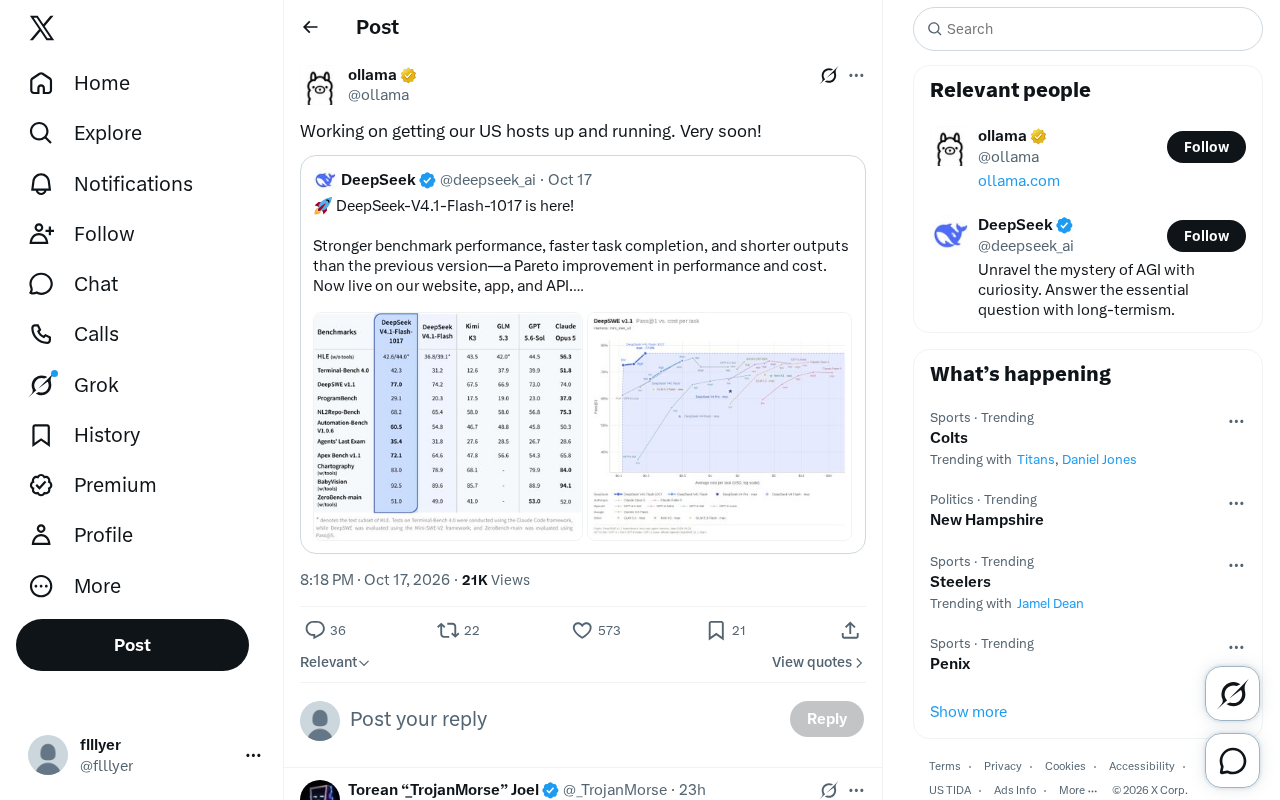
A service provider briefly announced on Twitter: "Working on getting our US hosts up and running. Very soon!" The tweet doesn't reveal which vendor it is, but judging from the wording, it's aimed at existing users or developers following infrastructure developments.
The Signal Behind a Single Tweet
"US hosts" typically refers to data center nodes or hosted servers located in the United States. For cloud services, VPS providers, or proxy-type tools, adding US nodes means two things: capacity expansion and routing optimization. The tweet's use of "working on" and "very soon" suggests deployment is in its final stages, not just getting started.
You may not have noticed, but announcements like this often follow user complaints about latency or availability. The provider choosing social media over an official blog suggests this is more of a community progress update than a formal product launch.
What US Nodes Mean
From a technical standpoint, the impact of US hosts going live on end users centers on three areas:
- Latency and Routing: US nodes can improve access speeds for North American users, which is especially critical for cross-border businesses, foreign trade sites, and scenarios requiring access to US services.
- Redundancy and Disaster Recovery: Multi-region deployment reduces single-point-of-failure risk; when one region experiences network fluctuations, traffic can be switched to other nodes.
- Compliance and Data Residency: Some businesses require data to be stored within the US, and local hosts are a prerequisite for meeting such requirements.
The tweet doesn't specify node count, data center location, or a concrete launch date—these details typically get filled in with a formal announcement.
Data Residency refers to compliance requirements that data must be physically stored in a specific country or region. Many industry regulations have explicit rules on this: the EU's GDPR imposes strict restrictions on cross-border personal data transfers, the US HIPAA requires medical data to meet specific security standards during transmission and storage, and financial industry regulations often require customer data to remain within national borders. For businesses serving US customers, choosing hosts or cloud nodes located within the US is the most direct way to meet such compliance requirements—data doesn't leave the country, audit trails are shorter, and legal jurisdiction is clearer. Conversely, if your business involves US user data but is hosted abroad, you may face compliance risks. So "US nodes going live" isn't just a performance optimization; for regulated industries, it's often a prerequisite for doing business.
Bandwidth Oversubscription is a common resource allocation strategy in hosting and network services: providers sell total bandwidth or compute resources exceeding the actual capacity of physical links, betting that most users won't max out simultaneously. This reduces costs and improves resource utilization, but during peak concurrency periods like evening rush hours, excessive oversubscription manifests as congestion, packet loss, and latency jitter. To judge whether a provider is oversubscribing excessively, look at actual performance during peak bandwidth periods rather than nominal values. New nodes have few users initially, so oversubscription issues are often masked and only gradually exposed as users pour in—one reason it's advisable to run small-scale tests first after new nodes open.
The Engineering Reality Behind "Very Soon"
"Very soon" is a highly elastic term in the infrastructure world. Bringing hosts online isn't plug-and-play; it typically involves rack installation, network configuration, system image deployment, stress testing, and canary rollout phases. If any link fails, the timeline slips.
For users, reasonable expectations are: first see small-scale testing or invite-only access, then gradual expansion. If the provider is simultaneously expanding multiple regions, resource scheduling and operations staffing can also become bottlenecks. The value of this tweet isn't in promising a specific date but in confirming the deployment direction hasn't changed.
Canary Release is a gradual rollout strategy: first open a new service or node to a small subset of users, observe whether error rates, latency, and load metrics are normal, then progressively expand the scope proportionally. The name comes from miners using canaries to detect gas. In the context of hosts going live, canary means first inviting a small number of users to connect to the new node, verifying network routing and system stability, and confirming no anomalies before full opening. If routing detours or subpar performance are discovered during the canary phase, the provider can roll back or adjust in time to avoid affecting all users. So when you see "very soon" but can't get a formal launch, you're likely in the canary phase—this isn't procrastination but standard risk control practice.
What Users Should Watch For
If you're an existing user of this service, watch for official channels announcing node IP ranges, billing methods, and migration policies. Common pitfalls in the early days of new nodes include: routing detours causing actual latency to increase rather than decrease, bandwidth oversubscription causing evening peak congestion, and delayed updates to control panel information.
It's advisable to first verify stability and actual latency with small traffic after the formal launch, then decide whether to migrate critical business. "Very soon" is worth anticipating, but verification still requires your own effort.
Summary
This tweet carries limited information but points to a clear action: US host deployment is underway. For users following infrastructure developments, it's a timestamp worth noting; the subsequent formal announcements and real-world test data are what really determine success.
One-line Summary
The provider's tweet confirms US host deployment is in its final stages, but no specific timeline was announced.
Paragraph Summary
Starting from a provider tweet "Working on getting our US hosts up and running. Very soon!", the article interprets the infrastructure signals behind it. The author notes that "US hosts" refers to US data center nodes; new nodes mean capacity expansion and routing optimization, and the timing of such announcements often correlates with user complaints about latency or availability. The impact of US nodes on users centers on three areas: improved latency and routing, multi-region redundancy and disaster recovery, and meeting data residency compliance. The article also cautions that "very soon" is highly elastic in the infrastructure world—bringing hosts online involves rack installation, network configuration, image deployment, stress testing, and canary rollout, and timelines may slip. For existing users, it's recommended to watch for node IP ranges, billing methods, and migration policies, and to first test latency and stability with small traffic after formal launch before deciding whether to migrate critical business.
Related articles

Amphibious Transforming Drone: Beyond 100x Power Savings, What Are the Real Needs?
Is the amphibious transforming drone just a gimmick? Starting from the 100x power difference of the M4 Morphobot, explore real application scenarios and thesis topic ideas, analyzing boundary conditions where pure drones and pure ground robots both fail.

Warhound Raises $200 Million: Genetically Engineered "War Dogs" Paired with Anduril Gear
Warhound raises $200M, backed by Ben Lamm and Palmer Luckey, to genetically engineer dogs for military and law enforcement use and equip them with Anduril gear. This article analyzes its technology direction, funding logic, and ethical controversy.

Claude API Comes to Google Cloud: IAM Integration and SDK Access Guide
Anthropic hosts the full Claude API on Google Cloud with IAM-controlled permissions and unified billing. This guide covers the Vertex AI and Anthropic-hosted entry points, IAM role configuration, and SDK access.