Valve Ports Half-Life: Alyx to ARM, Bundles It Free with Steam Frame
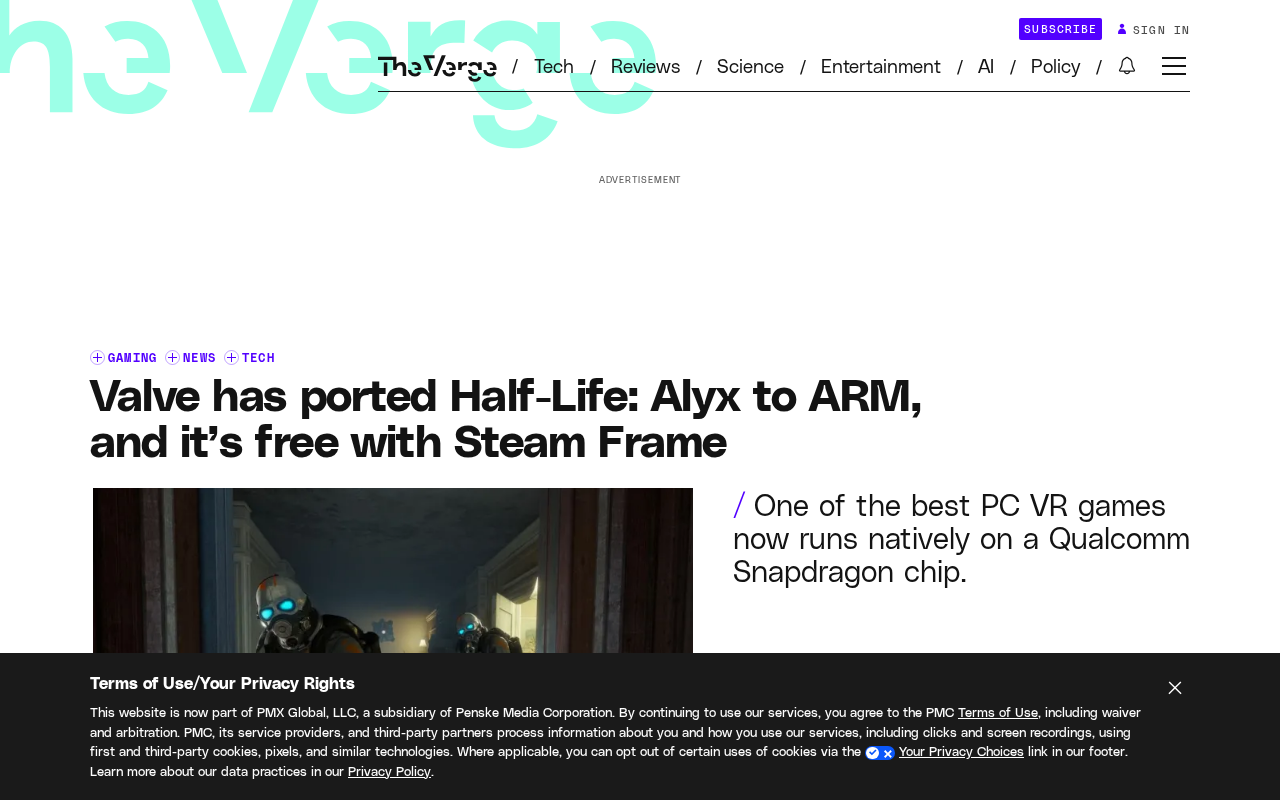
Valve's $1,059 Steam Frame bundles a free ARM-ported Half-Life: Alyx, but new VR titles remain unconfirmed.
Valve has launched the Steam Frame, its first VR headset in six years, priced at $1,059 and bundled with Half-Life: Alyx. The key technical highlight is Valve's successful port of the game to ARM architecture, validating the standalone headset's processing power and setting a precedent for broader ARM ecosystem migration. However, Valve continues to dodge questions about original VR content development, leaving the headset's long-term content ecosystem — and its ultimate success — very much an open question.
Steam Frame Launches with a Flagship VR Title Included
Valve has released its first headset since 2019 — the all-new Steam Frame. Priced at $1,059, the device carries Valve's ambitions in VR hardware, but perhaps its most headline-grabbing feature is the flagship VR game that comes bundled with every unit.
Every Steam Frame includes a copy of Half-Life: Alyx. As Valve's most acclaimed VR title, the game has long been the benchmark for PC VR. Bundling it for free with the new headset significantly boosts the Steam Frame's value proposition.
Half-Life: Alyx launched in March 2020, marking Valve's return to the Half-Life franchise after 13 years. It remains one of the largest-scale and highest-rated PC VR exclusives ever made. Built on Valve's proprietary Source 2 engine, the game set a quality benchmark for VR with its detailed physics interactions, immersive storytelling, and high-fidelity visuals. It originally retailed for around $60. The Steam Frame's predecessor, the Valve Index, launched in 2019 at $999 and similarly used a game bundle strategy — the Index shipped with early access to Half-Life: Alyx — demonstrating Valve's consistent approach of using flagship content to back its hardware.
Porting to ARM: A Critical Technical Step
The most notable technical detail of this launch is Valve porting Half-Life: Alyx to the ARM architecture. The Steam Frame uses an ARM-based hardware platform, which is a fundamental departure from traditional PC VR's reliance on x86 processors.
Bringing a heavyweight VR game originally built for PC to ARM requires extensive low-level optimization. This isn't just about making a game run — it's a validation of the entire software ecosystem's viability on ARM. For standalone VR headsets, the ability to run high-quality VR content smoothly on mobile-grade chips is often what defines the user experience.
Given that Half-Life: Alyx is known for its detailed visuals and physics interactions, successfully running it on ARM to some extent demonstrates the Steam Frame's processing capabilities and paves the way for more games to follow.
ARM and x86 differ fundamentally in design philosophy. x86 uses a Complex Instruction Set (CISC) and has long dominated the PC and server markets with a mature gaming ecosystem. ARM uses a Reduced Instruction Set (RISC), excelling in low power consumption and energy efficiency, and is widely used in smartphones and standalone VR headsets. Porting a game optimized for x86 to ARM involves more than recompiling code — it requires handling instruction set differences, graphics API adaptation (such as migrating from DirectX to Vulkan or OpenGL ES), and memory bandwidth constraints. Qualcomm's Snapdragon XR series chips, used in the Meta Quest lineup, represent the current mainstream ARM-based VR processing solution. Valve's successful port means the Source engine has passed a critical validation on ARM, laying the technical groundwork for Steam to support more ARM devices in the future.
Valve Remains Evasive on New VR Game Plans
Despite positive progress on hardware and porting, Valve has consistently avoided directly answering questions about whether new VR games are in development. This stance has left many players and industry observers with mixed feelings.
Since Half-Life: Alyx launched, Valve has not released a true next major VR title. Re-releasing the game alongside the Steam Frame provides strong content support for the new hardware, but it also subtly reflects Valve's cautious approach to original VR content.
For a headset priced above $1,000, a sustainable content ecosystem is what ultimately retains users. Bundling a classic title can boost short-term purchase intent, but whether it can continuously attract developers and players still depends on Valve's future software investment.
What This Means for the VR Industry
The combination of the Steam Frame and an ARM-native version of Half-Life: Alyx sends several noteworthy signals. First, Valve is moving toward standalone, ARM-based VR hardware, aligning with the technical direction of current mainstream all-in-one headsets. Second, bundling a flagship game to lower the barrier to entry is a pragmatic strategy for driving adoption of new hardware.
That said, hardware paired with classic content is only a starting point. Whether Valve can reignite its creative output in VR will be the decisive factor in the Steam Frame's long-term fate. For now, the company appears to be taking a wait-and-see approach.
For VR enthusiasts, the chance to experience Half-Life: Alyx on a new platform at no extra cost is an attractive proposition in itself. And for the broader industry, this marks yet another example of high-quality VR content making the migration to the ARM ecosystem.
Related articles
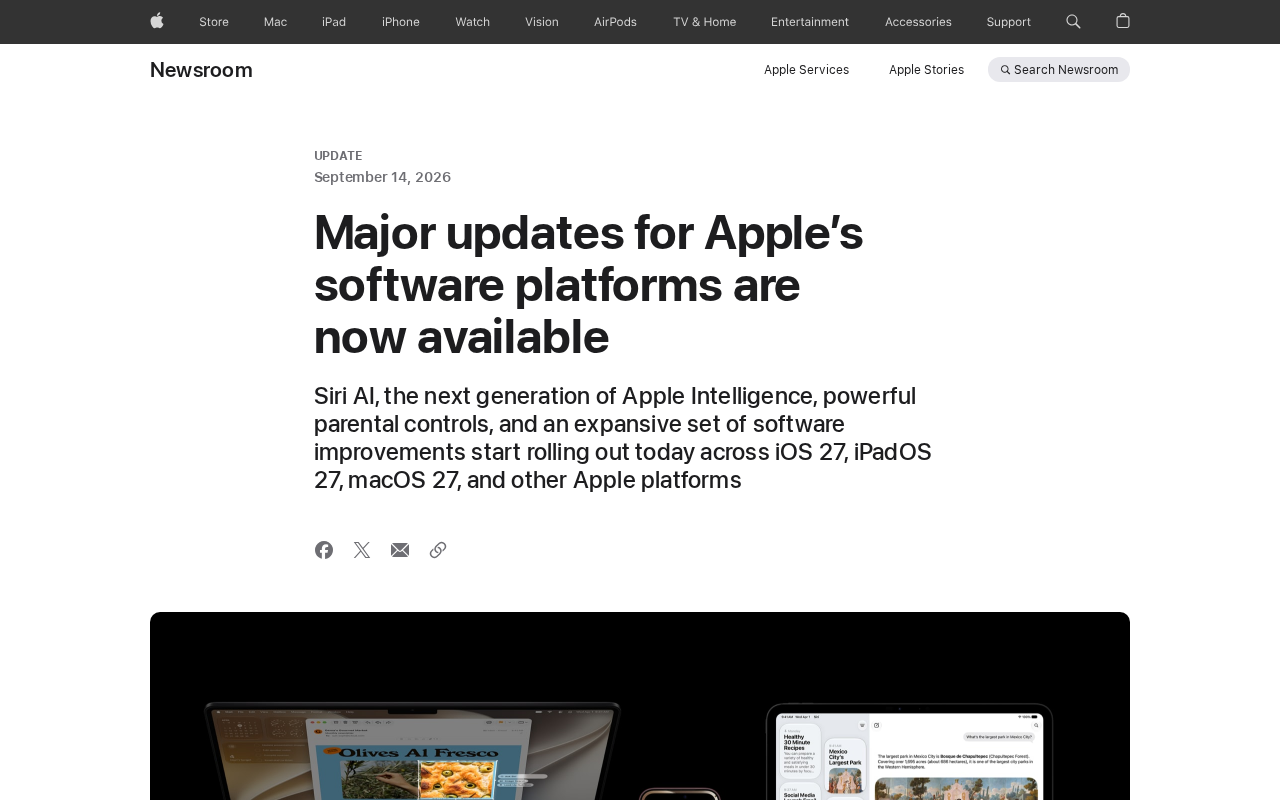
iOS 27, iPadOS 27, and macOS 27: The Information Gap Behind a Discussion
A Hacker News post about iOS 27, iPadOS 27, and macOS 27 sparked speculation about Apple unifying its version numbering. Here's how to read it with limited info.
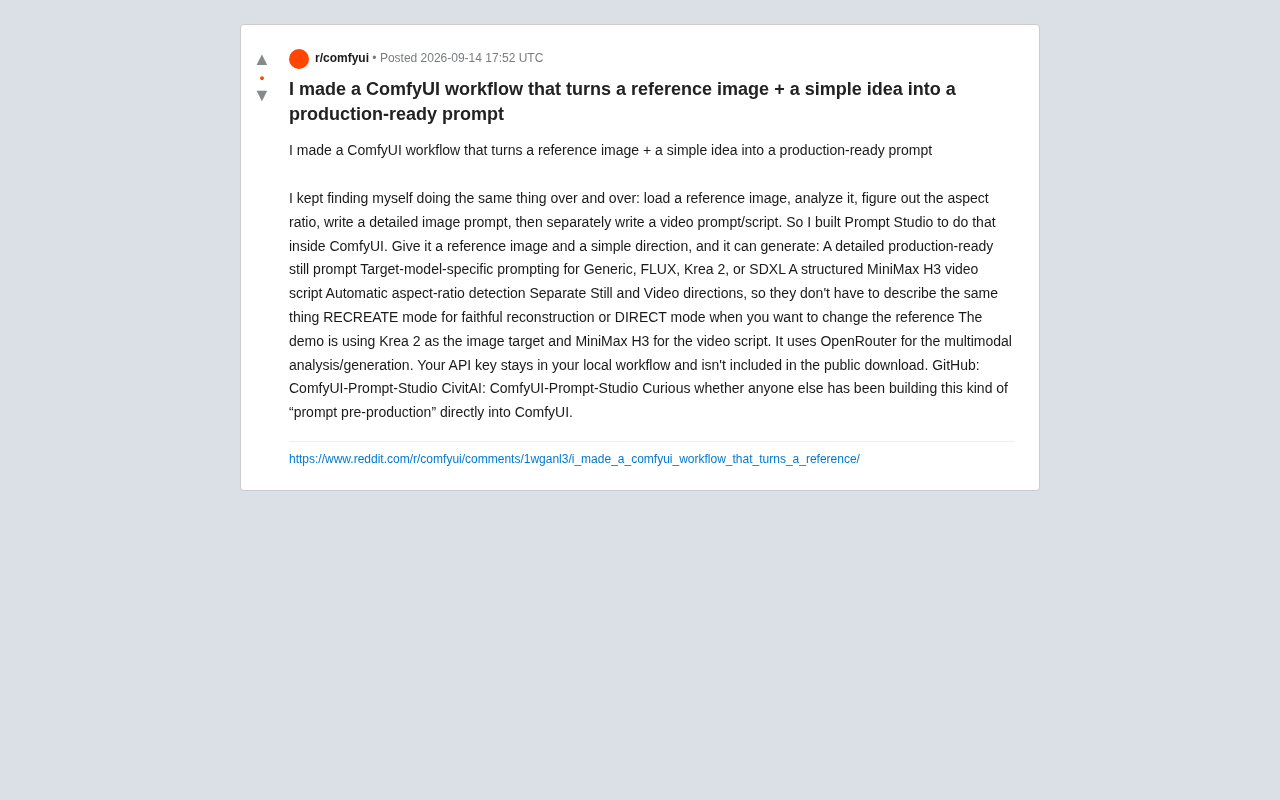
ComfyUI Prompt Studio: A Workflow for Turning Reference Images into Production-Ready Prompts
ComfyUI Prompt Studio is an open-source workflow that auto-generates production-ready image prompts, multi-model custom prompts, and MiniMax video scripts from reference images.
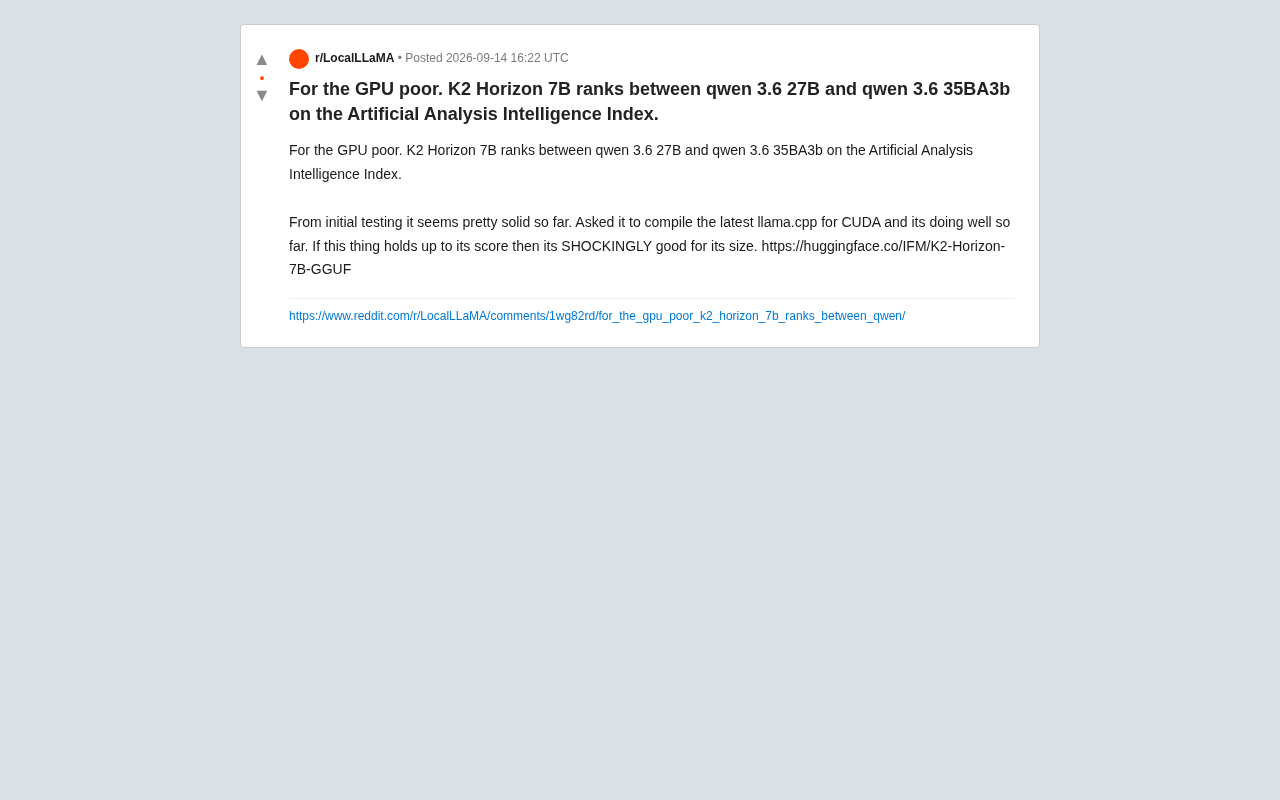
K2 Horizon 7B: A Small Model Punching Above Its Weight
K2 Horizon 7B ranks between Qwen 3.6 27B and 35BA3b on the Artificial Analysis Intelligence Index, delivering near-mid-tier intelligence at 7B parameters — a strong local deployment option.