Valve Steam Frame Headset Priced at $1,059, Supports Both Local and Streaming Modes
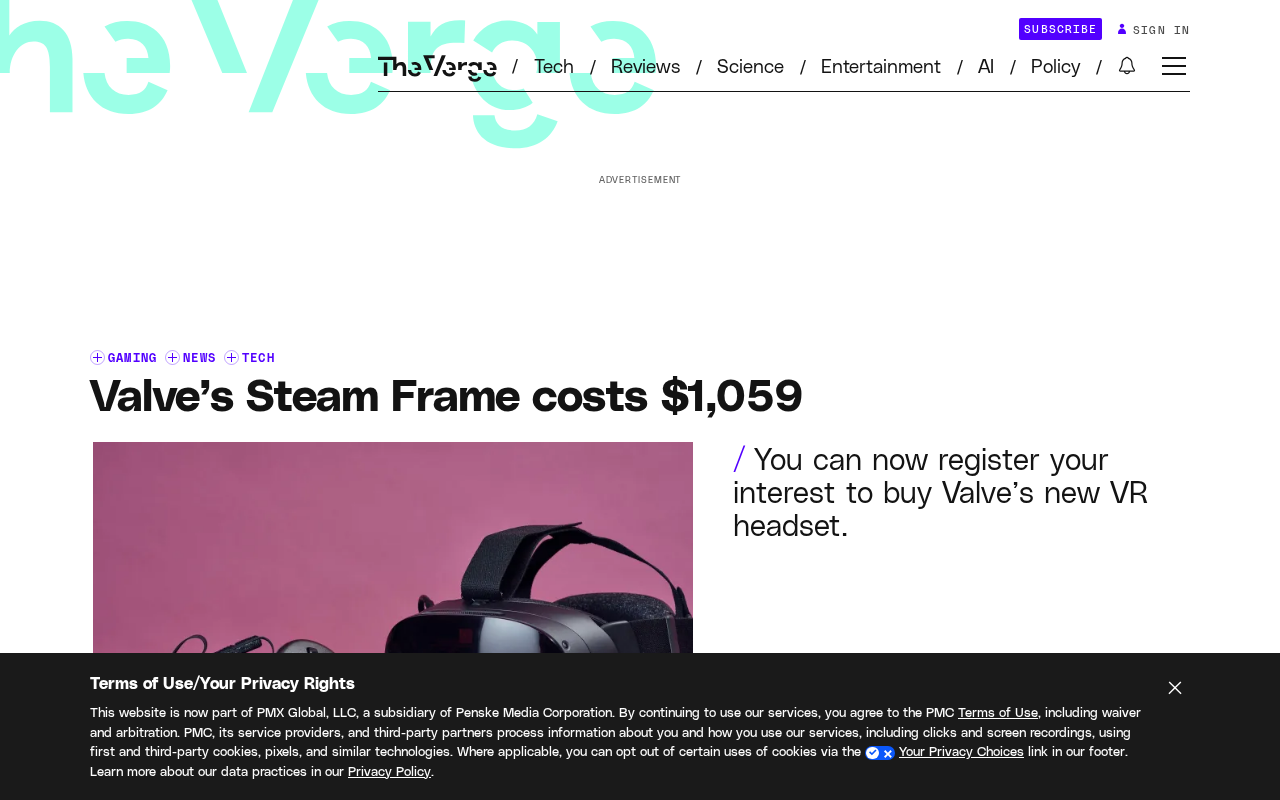
Valve's Steam Frame headset launches at $1,059 with local play and PC streaming, bundled with Half-Life: Alyx.
Valve has officially announced the Steam Frame VR headset, starting at $1,059 with a 1TB version at $1,299, each bundled with Half-Life: Alyx. Its standout feature is a dual-mode design: it runs VR and traditional 2D flat games locally as a standalone device, while also supporting PC streaming for both game types. This positions it less like a conventional standalone headset and more like a wearable Steam terminal. Priced for the mid-to-high-end market, it continues Valve's hardware ecosystem strategy seen with the Index and Steam Deck. Full specs and real-world performance are still pending.
Valve is finally launching its own Steam Frame headset. The device can run both standard 2D games and VR games locally, and can also stream either type of game from your PC. It starts at $1,059, with a 1TB version starting at $1,299. Every Steam Frame comes bundled with a copy of Half-Life: Alyx.
A VR Headset That Bridges Local and Streaming
The Steam Frame's most compelling pitch is its attempt to play two roles at once. It can operate as a standalone device, running games locally — not just VR titles, but traditional 2D "flat" games as well. At the same time, it retains the ability to stream from a PC, bringing the power of a desktop GPU to the headset experience.
This dual-mode design sets it apart from mainstream standalone headsets on the market. Most VR headsets emphasize either portability as a self-contained device or high performance as a PC peripheral — Steam Frame tries to strike a balance between the two. For players who already have a large Steam library, the ability to run flat games directly on the headset while seamlessly streaming PC games carries real appeal.
PC VR streaming means the headset itself doesn't handle game rendering — instead, a local PC handles all the graphics computation and transmits the video stream to the headset in real time via Wi-Fi or a wired connection. Notable implementations include Meta's Air Link, Virtual Desktop, and Valve's own SteamVR streaming solution. The advantage of streaming mode is access to desktop-class GPU performance, with image quality far exceeding what a local chip can deliver. The downside is its sensitivity to network conditions — poor latency control can worsen motion sickness. Steam Frame's support for both local and streaming modes means users can switch based on context: rely on the local chip for lighter games when away from a PC, then switch to streaming for better visuals when back home with a high-performance rig.
Pricing and Version Strategy
Steam Frame starts at $1,059, with the 1TB storage version starting at $1,299. The roughly $240 gap between the two comes down primarily to storage capacity — a meaningful consideration for users who want to keep a large local game library on the device.
In terms of price positioning, Steam Frame is not going after the budget end of the market. It's aimed squarely at the mid-to-high tier, which reflects Valve's confidence in the device's positioning — rather than competing head-on with entry-level standalone headsets on price, it's leaning into comprehensive functionality and Steam ecosystem integration.
The bundled copy of Half-Life: Alyx — Valve's own flagship VR title — lowers the barrier to entry for new users while reinforcing the tie between hardware and content ecosystem.
A Signal That Valve Is Serious About VR Hardware Again
As the operator of the Steam platform, Valve has already built up hardware experience through the Index headset and the Steam Deck handheld. Steam Frame can be seen as Valve extending the Deck's "run locally + ecosystem integration" philosophy into the VR space.
The ability to run flat games locally is especially significant — it means Steam Frame isn't purely a VR-dedicated device, but something closer to a wearable Steam terminal. This product form factor, which blurs the line between VR headset and portable gaming device, could influence how future VR hardware is designed.
That said, the information available so far is still focused on pricing, versions, and basic features. Key details — including specific hardware specs, display parameters, comfort and fit, and streaming latency performance — have yet to be fully disclosed. Those factors will ultimately determine whether Steam Frame can deliver on its "dual-mode" promise.
The Valve Index, released in 2019 at $999 and up, was known for its high refresh rate (up to 144Hz), wide field of view, and Knuckles finger-tracking controllers — a flagship product aimed at enthusiasts. The Steam Deck, launched in 2022, is a handheld PC gaming device powered by a custom AMD APU that can run a large portion of the Steam library locally, and served as Valve's major foray into portable hardware. The Index demonstrated that Valve could build a premium VR peripheral; the Steam Deck validated the market viability of "bringing the PC gaming ecosystem to a portable device." Steam Frame is, in some sense, a fusion of both ideas — inheriting Index's commitment to VR experience while borrowing Steam Deck's core appeal of full Steam library access.
Takeaway
Steam Frame enters the market at $1,059 (with a 1TB version at $1,299), backed by dual local-and-streaming capabilities and a bundled copy of Half-Life: Alyx — a clear signal of Valve's ambition to integrate its Steam ecosystem into the VR space. Whether it can hold its ground in the mid-to-high-end VR market will depend on the fuller spec sheet and real-world testing still to come.
Related articles
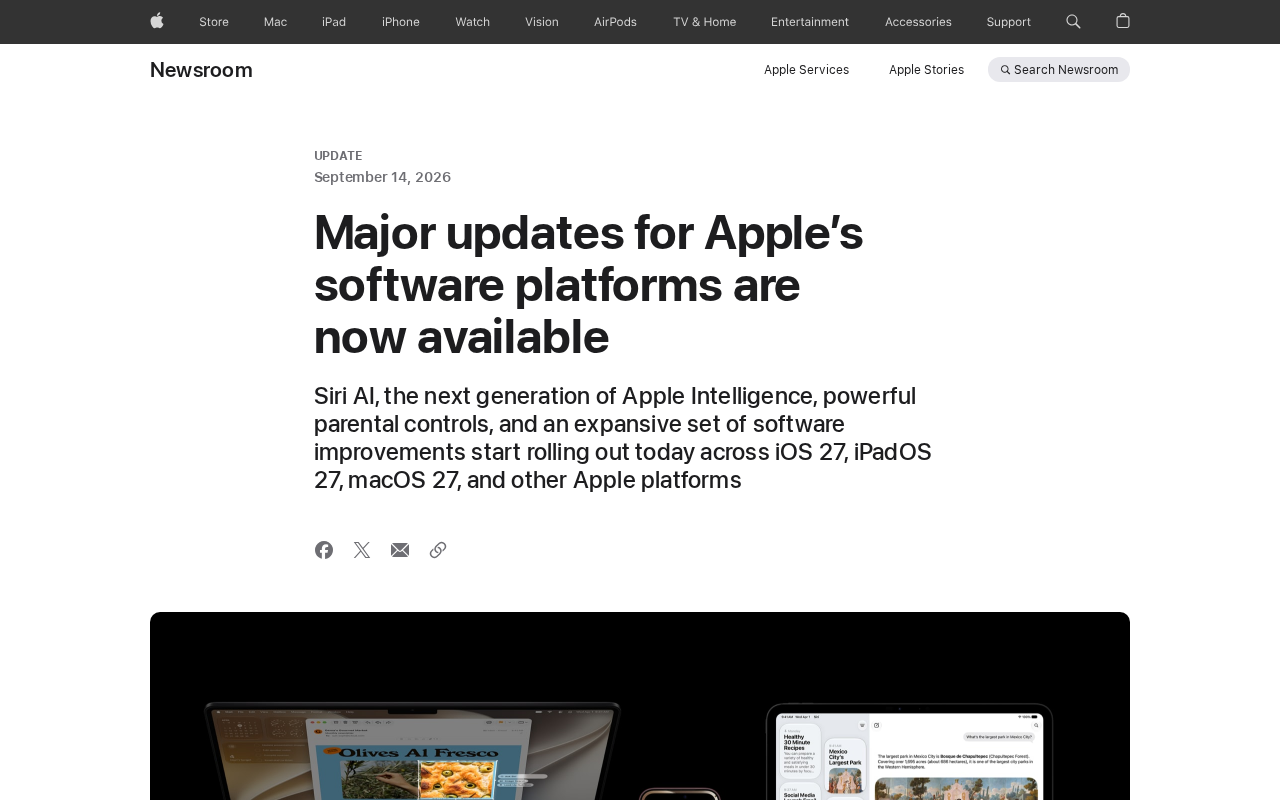
iOS 27, iPadOS 27, and macOS 27: The Information Gap Behind a Discussion
A Hacker News post about iOS 27, iPadOS 27, and macOS 27 sparked speculation about Apple unifying its version numbering. Here's how to read it with limited info.
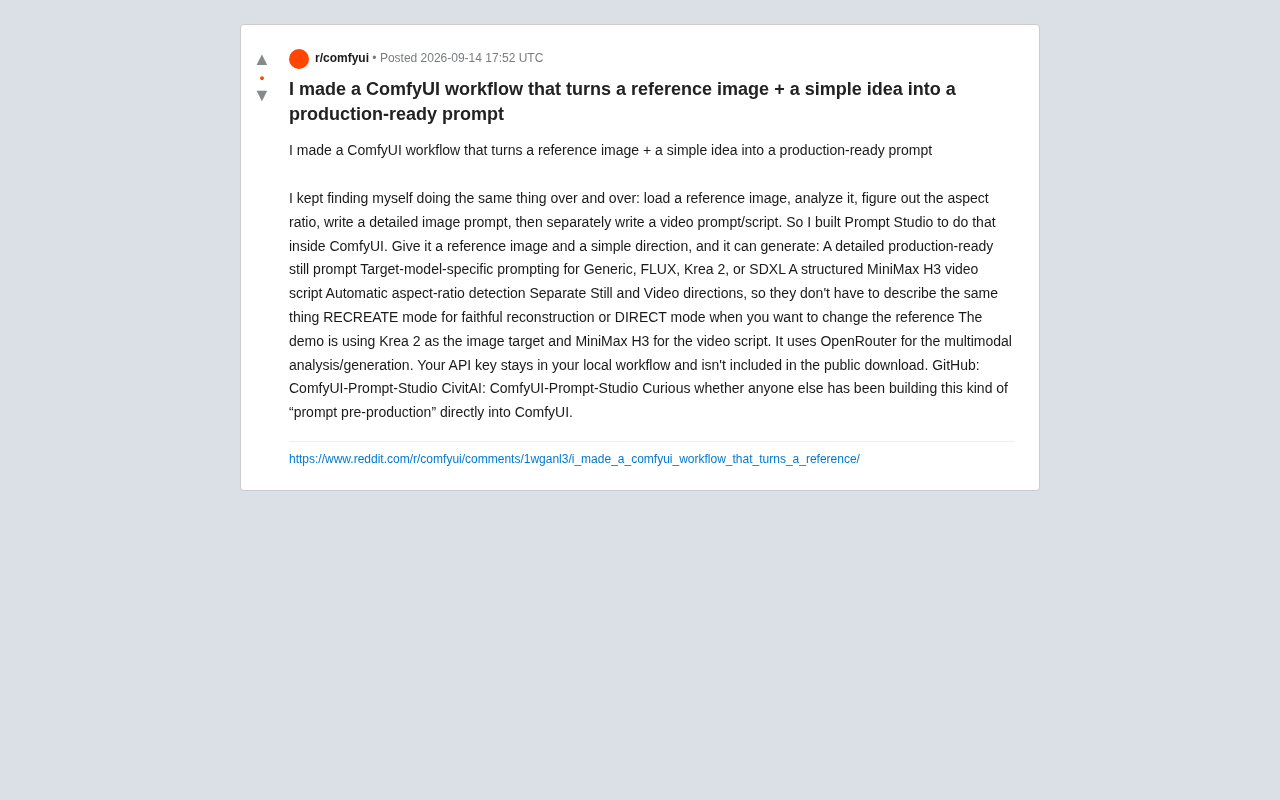
ComfyUI Prompt Studio: A Workflow for Turning Reference Images into Production-Ready Prompts
ComfyUI Prompt Studio is an open-source workflow that auto-generates production-ready image prompts, multi-model custom prompts, and MiniMax video scripts from reference images.
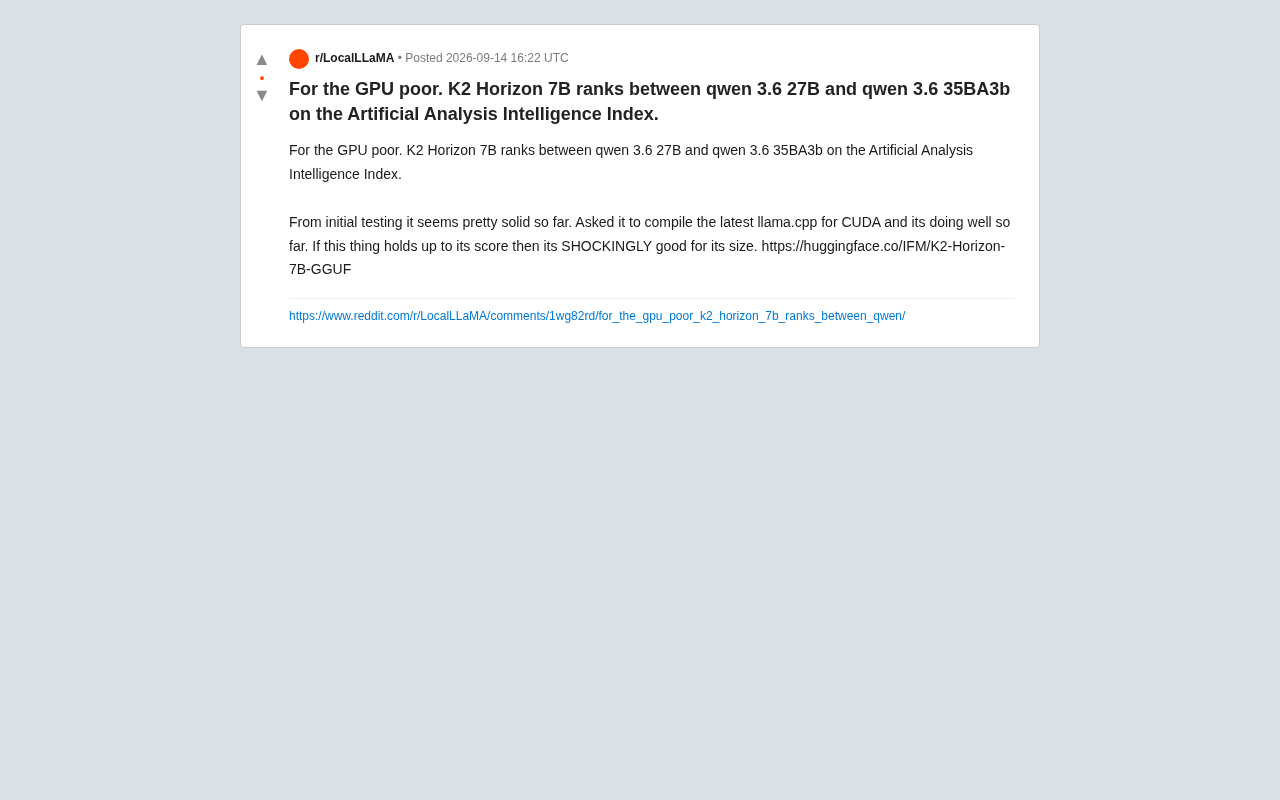
K2 Horizon 7B: A Small Model Punching Above Its Weight
K2 Horizon 7B ranks between Qwen 3.6 27B and 35BA3b on the Artificial Analysis Intelligence Index, delivering near-mid-tier intelligence at 7B parameters — a strong local deployment option.