Valve Steam Frame In-Depth Preview: More Than Just a VR Headset

Valve's Steam Frame aims to be a universal Steam gaming terminal, not just another VR headset.
Valve is testing a new head-worn device called the Steam Frame, deliberately avoiding the "VR headset" label. The Verge senior editor Sean Hollister, after three weeks of closed beta testing, describes it as an early vision of "games that run everywhere." The device extends the de-platformization philosophy behind Steam Deck and Proton, potentially blurring the lines between handhelds, VR headsets, and streaming boxes to challenge Meta Quest's market dominance. Specs and pricing remain unannounced, but the extended testing window signals strong product confidence from Valve.
Valve Unveils Steam Frame: A Device That Refuses to Be Called a VR Headset
The Verge senior editor Sean Hollister spent three weeks participating in a closed beta of Valve's new device, the Steam Frame. Valve has deliberately distanced this product from traditional VR headsets — in Hollister's own words, it's a device that says "don't call it a VR headset," and it may signal a future where games run anywhere.
Based on what's been revealed, the Steam Frame carries Valve's broader ambitions for the gaming hardware ecosystem. Rather than limiting itself to pure virtual reality, it aims to become a universal platform capable of running Steam game libraries across different environments and hardware configurations. This thinking is consistent with Valve's earlier release of the Steam Deck — liberating players' game collections from the desktop PC.
What Does "Games That Run Everywhere" Actually Mean?
In his preview, Sean Hollister described the Steam Frame as "an early glimpse at the future of games that run everywhere" — a phrase that gets to the heart of what makes this device worth watching.
In recent years, Valve has been steadily pushing toward the "de-platformization" of gaming. From the Steam Deck making PC games portable, to the Proton compatibility layer enabling Windows games to run on Linux, Valve's strategy has consistently focused on lowering the barrier between players and their game libraries. If the Steam Frame lives up to its description, it could extend that philosophy into the headset and streaming space — letting players access the same library of content no matter where they are or what device they're using.
Notably, Valve's deliberate avoidance of the "VR headset" label suggests this product may be positioned more broadly than traditional VR devices. It could offer immersive experiences while also functioning as a wearable "gaming display" — a more flexible form factor altogether.
What Three Weeks of Closed Testing Signals
As a tech journalist who has covered Valve hardware multiple times, Sean Hollister was granted a three-week beta testing window. That kind of extended hands-on period is uncommon in hardware reviews, suggesting Valve has considerable confidence in the product's readiness — and giving the reviewer enough time to move past first impressions and deliver assessments grounded in real-world use.
The coverage is structured as an AMA (Ask Me Anything), with the author inviting readers to ask about any aspect of the Steam Frame. This format tends to surface the practical details that official launch events never address — things like wearing comfort, streaming latency, battery life, and ecosystem compatibility that players actually care about.
Potential Impact on the Industry
If the Steam Frame can truly deliver on the "games everywhere" vision, its impact on the broader gaming hardware market could be significant. The current VR/headset market is dominated by Meta's Quest lineup, but Valve holds a natural advantage through Steam's massive game library and established user base — assets well-suited to a differentiated competitive strategy.
Rather than going head-to-head in the crowded VR space, Valve appears to be redefining the category entirely — positioning the device as yet another endpoint within the Steam ecosystem. If that strategy succeeds, it could blur the lines between handheld consoles, VR headsets, and streaming boxes, offering players a more flexible way to engage with their games.
Closing Thoughts
Publicly available information remains limited — specific specs, pricing, and a release date have yet to be officially announced. But given Sean Hollister's three-week hands-on commitment and Valve's deliberate ambiguity around the product's positioning, the Steam Frame is likely far more than another run-of-the-mill VR headset. It may well represent Valve's next meaningful step toward making games truly platform-agnostic. For players and industry observers tracking the evolution of gaming hardware, the Steam Frame's full review is well worth keeping an eye on.
Related articles
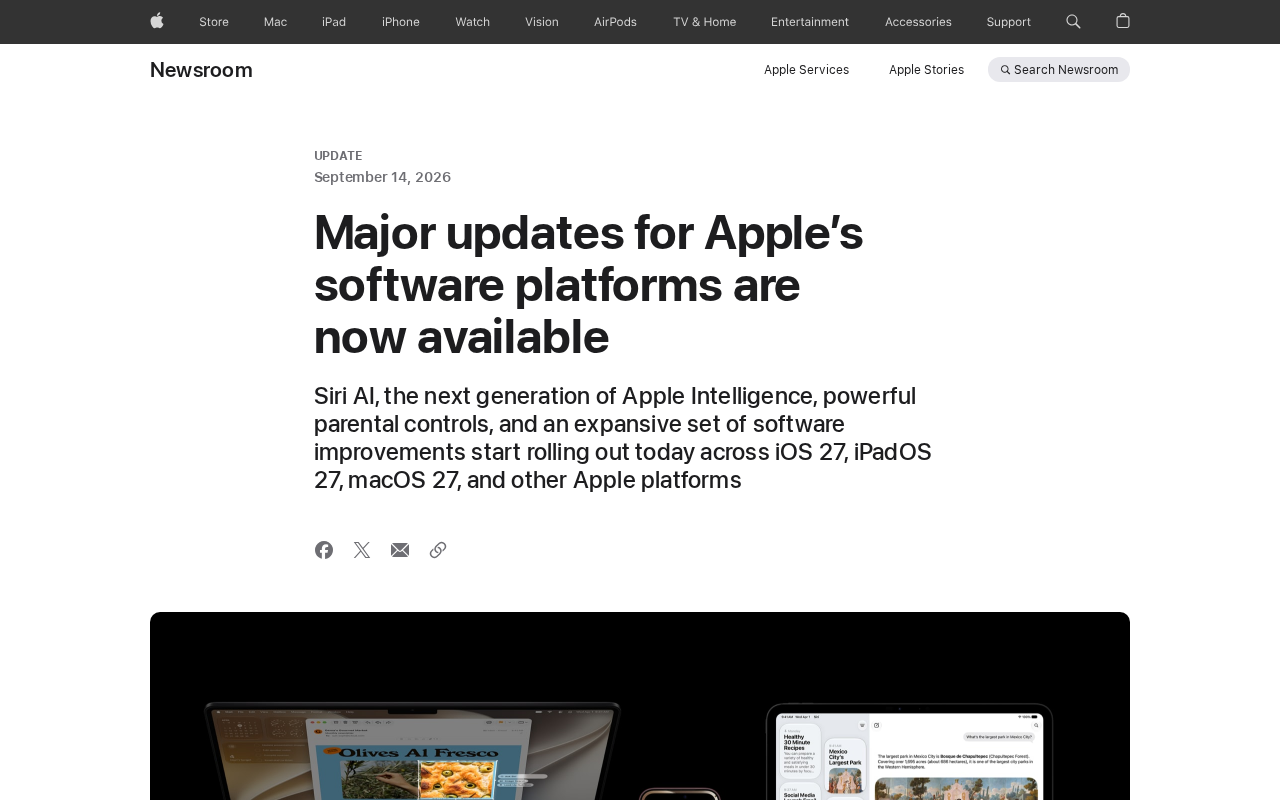
iOS 27, iPadOS 27, and macOS 27: The Information Gap Behind a Discussion
A Hacker News post about iOS 27, iPadOS 27, and macOS 27 sparked speculation about Apple unifying its version numbering. Here's how to read it with limited info.

ComfyUI Prompt Studio: A Workflow for Turning Reference Images into Production-Ready Prompts
ComfyUI Prompt Studio is an open-source workflow that auto-generates production-ready image prompts, multi-model custom prompts, and MiniMax video scripts from reference images.

K2 Horizon 7B: A Small Model Punching Above Its Weight
K2 Horizon 7B ranks between Qwen 3.6 27B and 35BA3b on the Artificial Analysis Intelligence Index, delivering near-mid-tier intelligence at 7B parameters — a strong local deployment option.