Vercel AI SDK Releases @ai-sdk/typesafe-ai 3.0.3 Patch Update
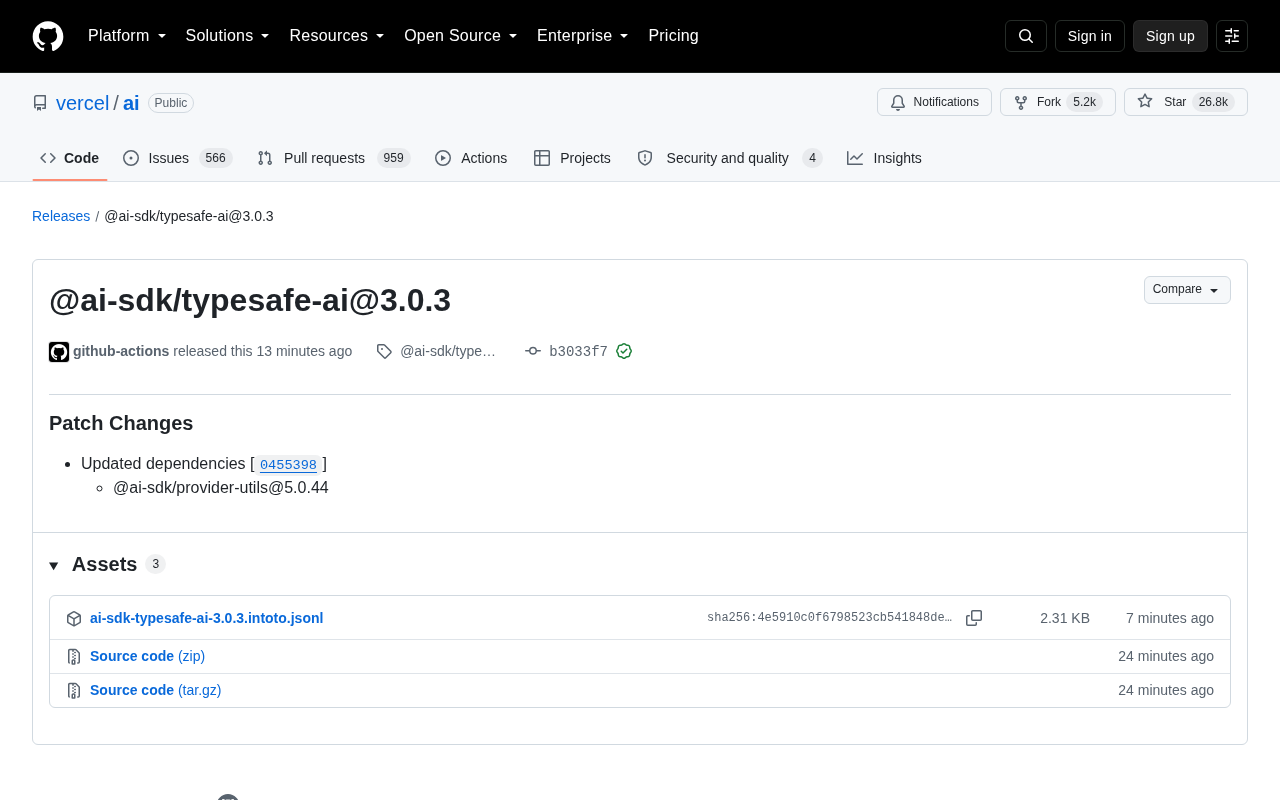
Vercel AI SDK releases typesafe-ai 3.0.3 patch, syncing provider-utils to 5.0.44.
Vercel AI SDK sub-package `@ai-sdk/typesafe-ai` has released version 3.0.3, a patch update that syncs the internal `@ai-sdk/provider-utils` dependency to 5.0.44. The package provides compile-time type safety for AI interactions in TypeScript projects, covering structured outputs and tool calls. Since `provider-utils` acts as an adapter layer for model providers, its fixes must be propagated upstream. The release is GPG-signed and published via GitHub Actions — safe to upgrade without any code changes. Use Dependabot or Renovate to track this actively maintained project.
Vercel's popular open-source AI SDK project recently released @ai-sdk/typesafe-ai@3.0.3. This is a patch-level update focused primarily on syncing internal dependency versions. For developers building type-safe AI applications with this SDK, these kinds of updates may seem minor, but they typically address underlying stability and compatibility fixes.
Release Overview
According to the GitHub Releases page, @ai-sdk/typesafe-ai@3.0.3 falls under Patch Changes, with the core change being a synchronized upgrade of the internal dependency @ai-sdk/provider-utils to version 5.0.44.
In Semantic Versioning (SemVer), a patch version bump (the last digit in 3.0.x) typically represents backward-compatible bug fixes with no breaking changes or new features introduced. This means developers can upgrade with relative confidence and generally won't need to modify existing application code.
This release was published via GitHub Actions automation and verified with GitHub's trusted signing (GPG key ID: B5690EEEBB952194), ensuring the integrity and authenticity of the release artifacts.
What Is the typesafe-ai Package?
@ai-sdk/typesafe-ai is a sub-package within the Vercel AI SDK ecosystem, specifically focused on providing type-safe capabilities for AI interactions. In TypeScript projects, type safety means developers can catch potential data structure errors at compile time rather than waiting for runtime failures.
Type safety is especially important in scenarios like calling large language models and handling structured outputs (e.g., JSON, tool call parameters). It significantly reduces the risk of runtime crashes caused by data format mismatches, improving both developer experience and code maintainability.
The Vercel AI SDK project as a whole has accumulated over 26.8k stars and 5.2k forks on GitHub, making it one of the mainstream toolchains for building AI-powered applications, widely used in chatbots, content generation, agent-based products, and more.
Why Dependency Upgrades Matter
The key change in this update is bumping @ai-sdk/provider-utils to 5.0.44. provider-utils is the shared utility module in the AI SDK responsible for interfacing with different model providers, handling request processing, protocol adaptation, and other foundational responsibilities.
When the underlying provider-utils fixes an issue or improves compatibility, packages that depend on it (such as typesafe-ai) need to sync up as well to ensure consistency across the entire dependency chain. This kind of cascading version update is a common maintenance pattern in the modern modular JavaScript ecosystem.
For production projects, it's recommended that developers review the changelog and validate upgrades in a test environment before deploying — even for patch releases, a degree of caution is warranted.
@ai-sdk/provider-utils plays the role of an "adapter layer" in the AI SDK architecture, abstracting away the API differences between providers like OpenAI, Anthropic, and Google Gemini, and exposing a unified interface to higher-level packages. This design allows developers to switch model providers without rewriting significant amounts of code. When provider-utils releases a fix — such as handling edge cases in a vendor's API response format or correcting race conditions in streaming response parsing — dependent packages like typesafe-ai that don't sync up will continue carrying known defects. Therefore, even when typesafe-ai itself adds no new logic, these "pass-through" patch updates carry real engineering value.
Recommendations for Developers
If you're using the Vercel AI SDK and depend on the typesafe-ai package, consider upgrading to 3.0.3 to get the latest fixes from the dependency chain. The upgrade typically only requires running your package manager's update command and locking in the new version.
Staying up to date with AI SDK releases helps you receive timely security fixes and performance improvements. Since this project updates frequently, it's recommended to track version changes via GitHub Releases' Watch feature or automated dependency management tools like Dependabot or Renovate.
Note: This article is based on publicly available release notes from GitHub Releases. Refer to the official changelog for specific change details.
Dependabot and Renovate are two mainstream automated dependency management tools. Dependabot is natively integrated into GitHub, easy to configure, and can automatically submit PRs annotated with changelog summaries. Renovate offers richer features, including grouped updates, custom merge strategies, and multi-platform hosting support. For frequently-updated ecosystems like the AI SDK, it's recommended to configure "auto-merge for patch versions" rules in Renovate or Dependabot, combined with CI test gating for automatic rollout — keeping your dependencies fresh while minimizing manual intervention.
Related articles
Three Stages of AI LLM Testing: A Practical Guide from Core Concepts to API Calls
A learning path for testers covering LLM fundamentals, prompt engineering, OpenAI SDK calls, API Key vs Token differences, streaming output, RAG, and Agent systems.
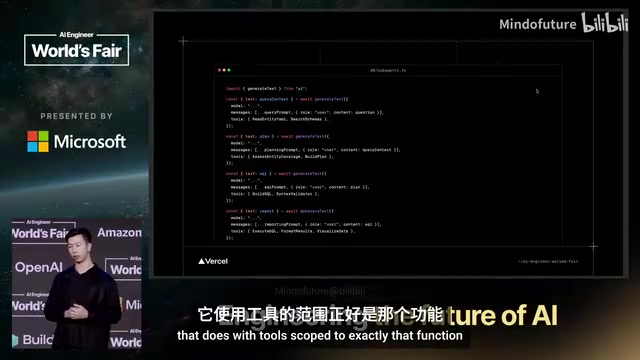
Vercel's Chief of Software Looks Back: The Evolution of Agent Building — From Multi-Agent Chains to File System Agents
Vercel's Chief of Software Andrew recaps the agent-building journey at AI Engineer: from giant prompts to multi-agent chains, monolithic memory, file system agents, and the open-source EVE framework.
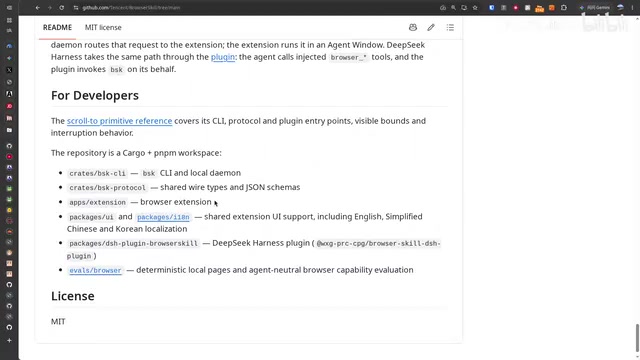
Tencent's Open-Source BSK in Action: Letting AI Take Over Your Already-Logged-In Browser
Tencent's open-source BSK (Browser Skill Kit) lets AI take over your real, logged-in Chrome via WebSocket. We break down the architecture, setup, and three key pitfalls from real-world testing.