Vercel AI SDK Releases @ai-sdk/workflow 2.0.36 Patch Update
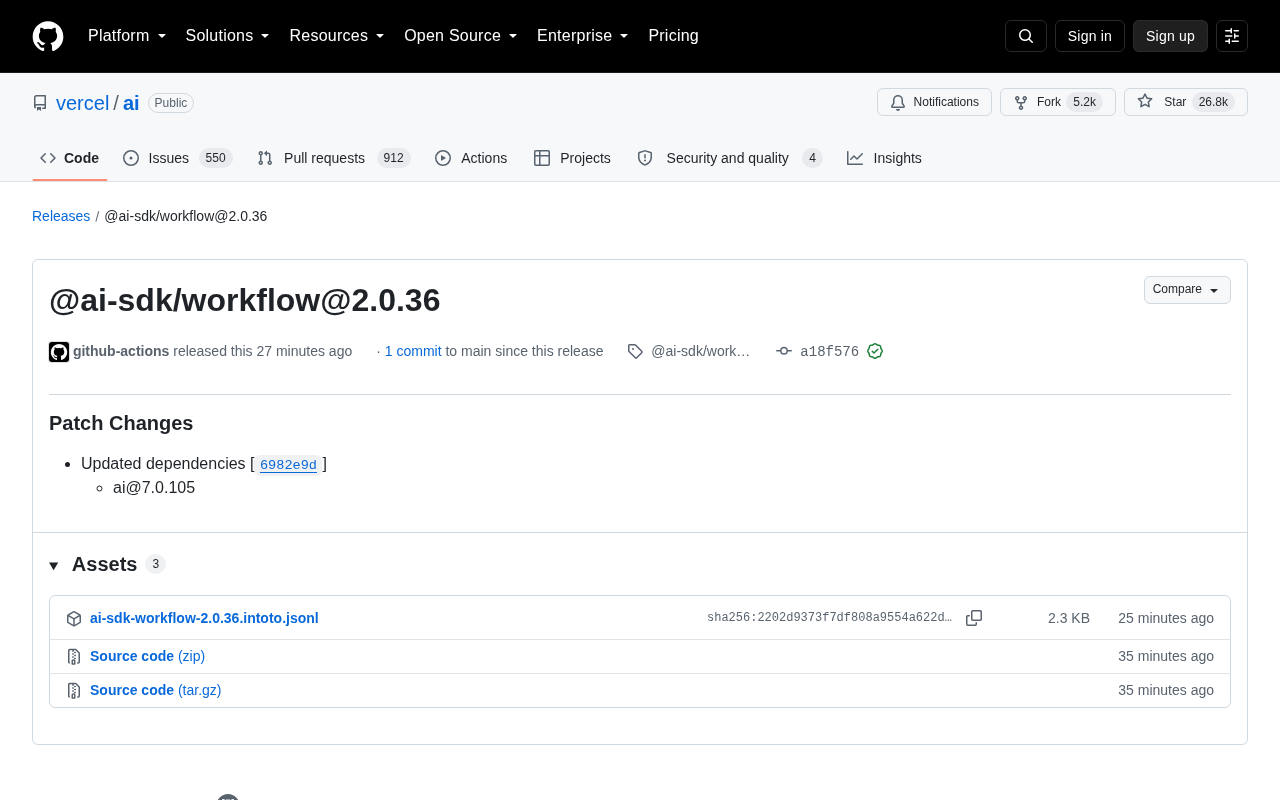
Vercel AI SDK releases workflow sub-package v2.0.36, bumping the core ai dependency to 7.0.105.
`@ai-sdk/workflow` version 2.0.36 is a routine patch-level maintenance release whose primary change is syncing the underlying `ai` core package to version `7.0.105`. As the Vercel AI SDK sub-package focused on multi-step task orchestration, it lets developers chain model calls, tool calls, and logic into manageable workflows. This update introduces no new features or breaking changes — it's a standard dependency alignment to maintain compatibility and pass the latest core fixes downstream. Production users should verify before upgrading; for most developers, this patch can be adopted through the usual update process.
Vercel's AI SDK ecosystem has received another incremental update. The @ai-sdk/workflow@2.0.36 release has been automatically published on GitHub via github-actions. This is a patch-level update focused primarily on dependency synchronization.
What's in This Update
According to the release notes, the core change in @ai-sdk/workflow@2.0.36 is straightforward: the underlying ai package has been upgraded to version 7.0.105. This type of change is a classic patch release — it typically involves no new features or breaking changes, but rather keeps packages in sync with one another and addresses potential issues introduced by underlying dependencies.
For developers building workflows with the Vercel AI SDK, updates like this may seem minor, but they're worth paying attention to. Patch releases often contain bug fixes and stability improvements — staying current with dependency updates helps avoid runtime issues caused by version mismatches.
About the Vercel AI SDK
Vercel's ai repository is one of the most popular open-source projects in the frontend and full-stack AI application development space, having accumulated approximately 26.8k stars and 5.2k forks on GitHub. It provides a unified interface that helps developers quickly integrate large language model capabilities into frameworks like React and Next.js.
@ai-sdk/workflow is the sub-package within this ecosystem dedicated to workflow orchestration. As AI applications evolve from single-turn conversations toward multi-step, composable, and complex task execution, workflow capabilities are becoming increasingly important. It allows developers to chain together multiple model calls, tool calls, and logical decisions into a single manageable process.
@ai-sdk/workflow's orchestration approach draws inspiration from DAG (Directed Acyclic Graph)-style task scheduling: developers can define multiple "steps," where each step can be an LLM call, an external tool call, or a custom function. Execution order is determined by data dependencies between steps. This pattern is conceptually similar to LangChain's Chain/Agent or LlamaIndex's Pipeline, but @ai-sdk/workflow integrates more deeply with Vercel's streaming rendering system (built on React Server Components and Streaming). This allows intermediate workflow states to be pushed to the frontend in real time, without waiting for the entire pipeline to complete.
Why Patch Updates Matter
The version number 2.0.36 indicates that this sub-package has gone through quite a few iterations. SDK-style tools rely on a healthy release cadence to maintain ecosystem stability — especially when the underlying ai core package changes, each sub-package needs to stay in sync to remain compatible.
By pinning the ai dependency to 7.0.105, projects using the workflow sub-package can now benefit from the latest fixes and improvements in the core package. For production users, it's advisable to run proper tests before upgrading — even though patch releases carry low risk, changes in the dependency chain still warrant verification.
This update carries limited new information and is a routine maintenance release. Developers can view the full changelog and signature verification details on the GitHub Releases page (this release has been verified with GitHub's GPG signature, key ID: B5690EEEBB952194).
Semantic Versioning (SemVer) defines version numbers as a MAJOR.MINOR.PATCH structure: MAJOR changes indicate incompatible breaking changes, MINOR changes introduce backward-compatible new features, and PATCH changes include only backward-compatible bug fixes. The 36 in 2.0.36 is the PATCH number, meaning this sub-package has undergone 36 fix iterations since the 2.0.0 release. For projects depending on this package, using ^2.0.x in package.json allows package managers (npm/pnpm/yarn) to automatically pull the latest patch version while avoiding compatibility risks from major or minor version bumps.
Related articles
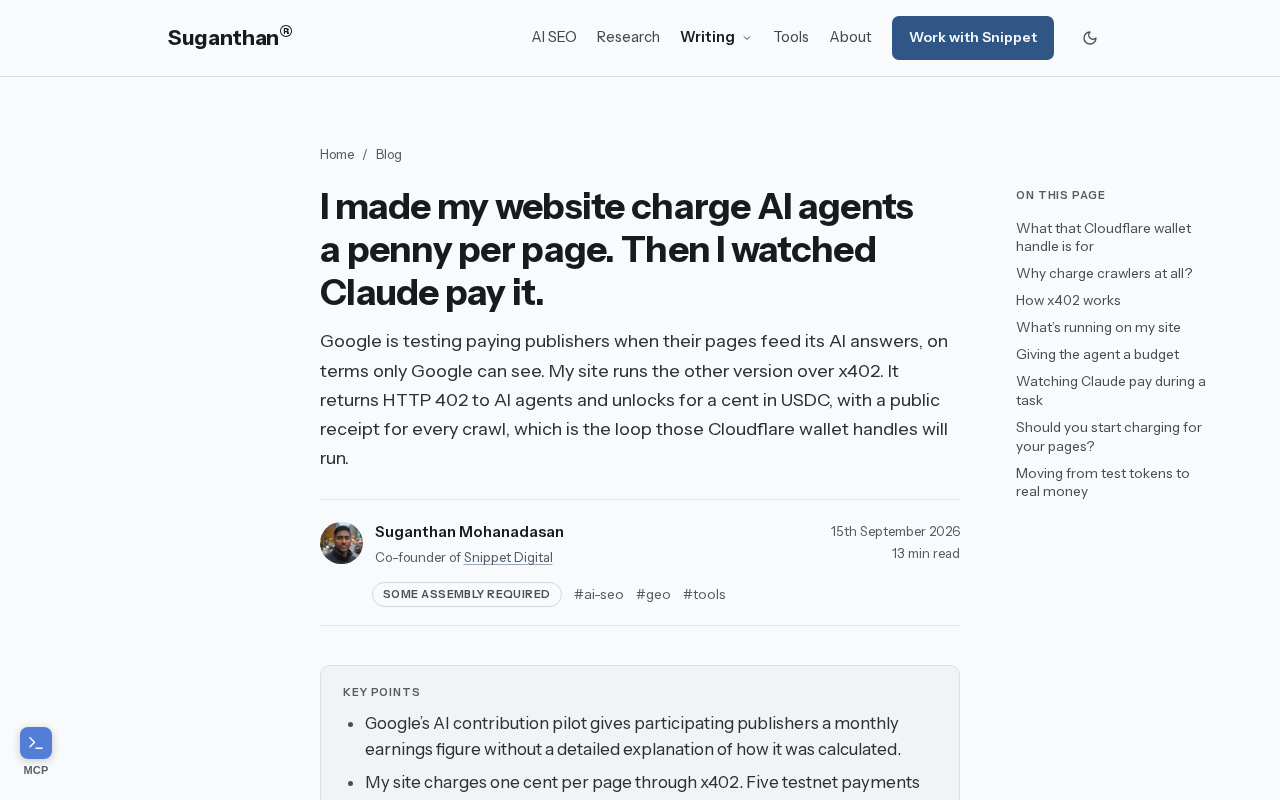
Charging AI Agents Per Web Page: I Watched Claude Pay a Penny Per Visit
A developer charged AI agents one cent per page and watched Claude pay automatically. This experiment reveals new possibilities for micropayments, agent economics, and content monetization.
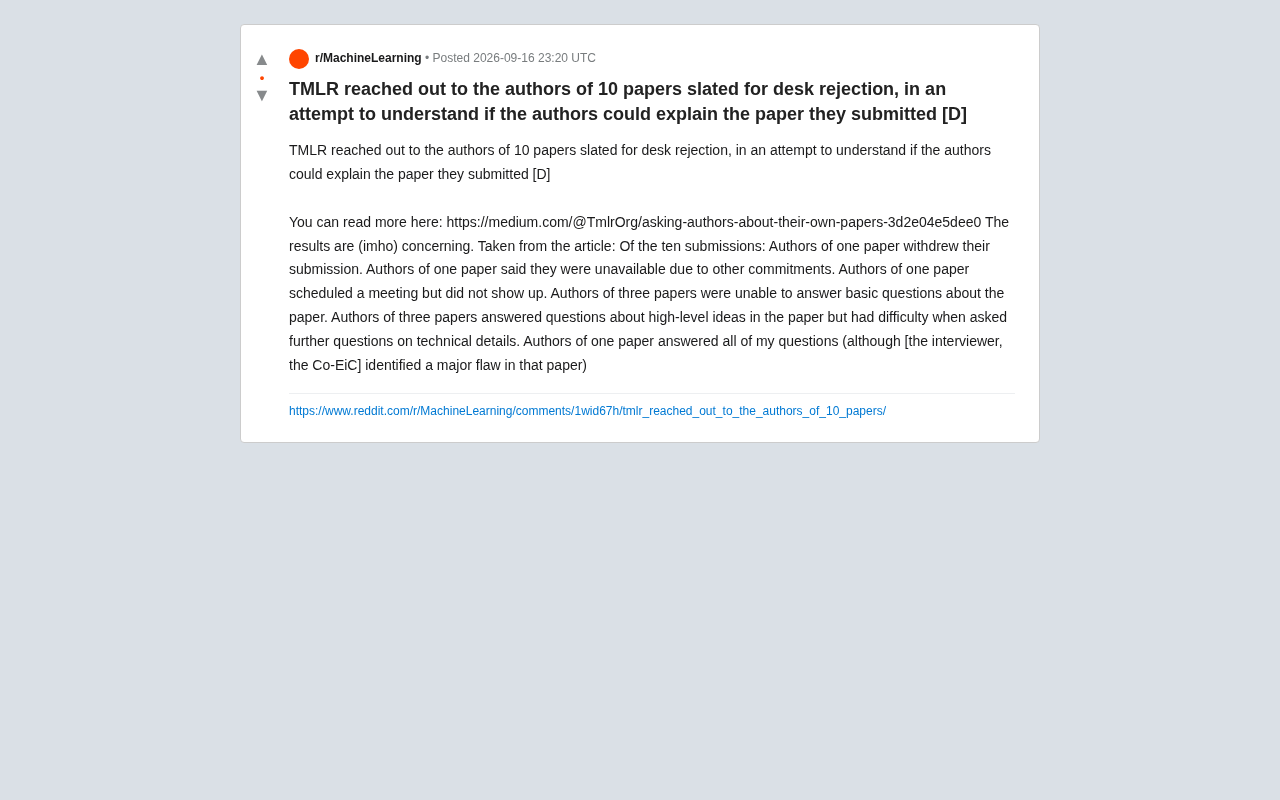
TMLR's Bold Experiment: Asking Authors to Explain Their Own Papers — The Results Are Alarming
TMLR contacted authors of 10 desk-rejected papers and asked them to explain their submissions. The results were alarming — none passed. A wake-up call on AI-era academic integrity.
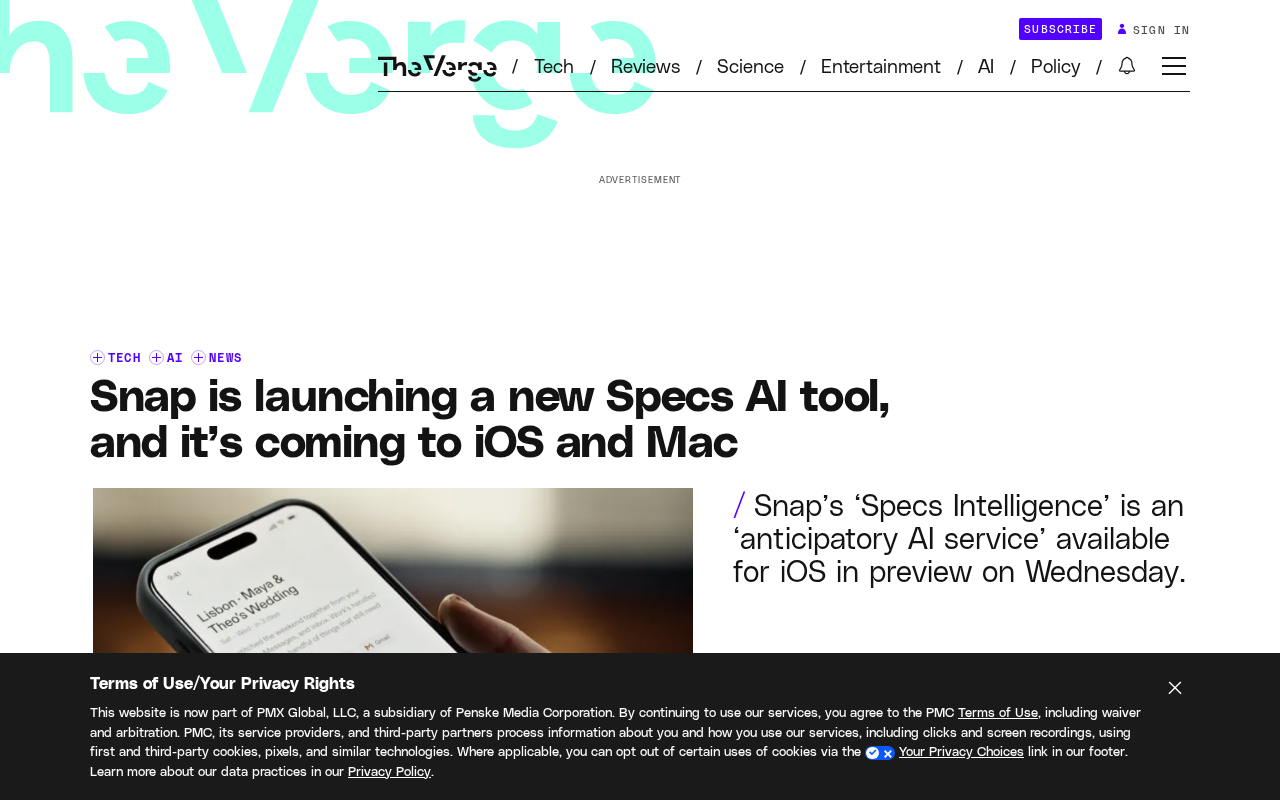
Snap Launches Specs Intelligence: A Cross-Platform AI Assistant Coming to iOS and Mac
Snap launches Specs Intelligence, an anticipatory AI assistant connecting digital accounts for work and travel, coming to iOS and Mac to compete with Meta Muse and Gemini Spark.