Vercel AI SDK Releases @ai-sdk/zai@3.0.11 Patch Update
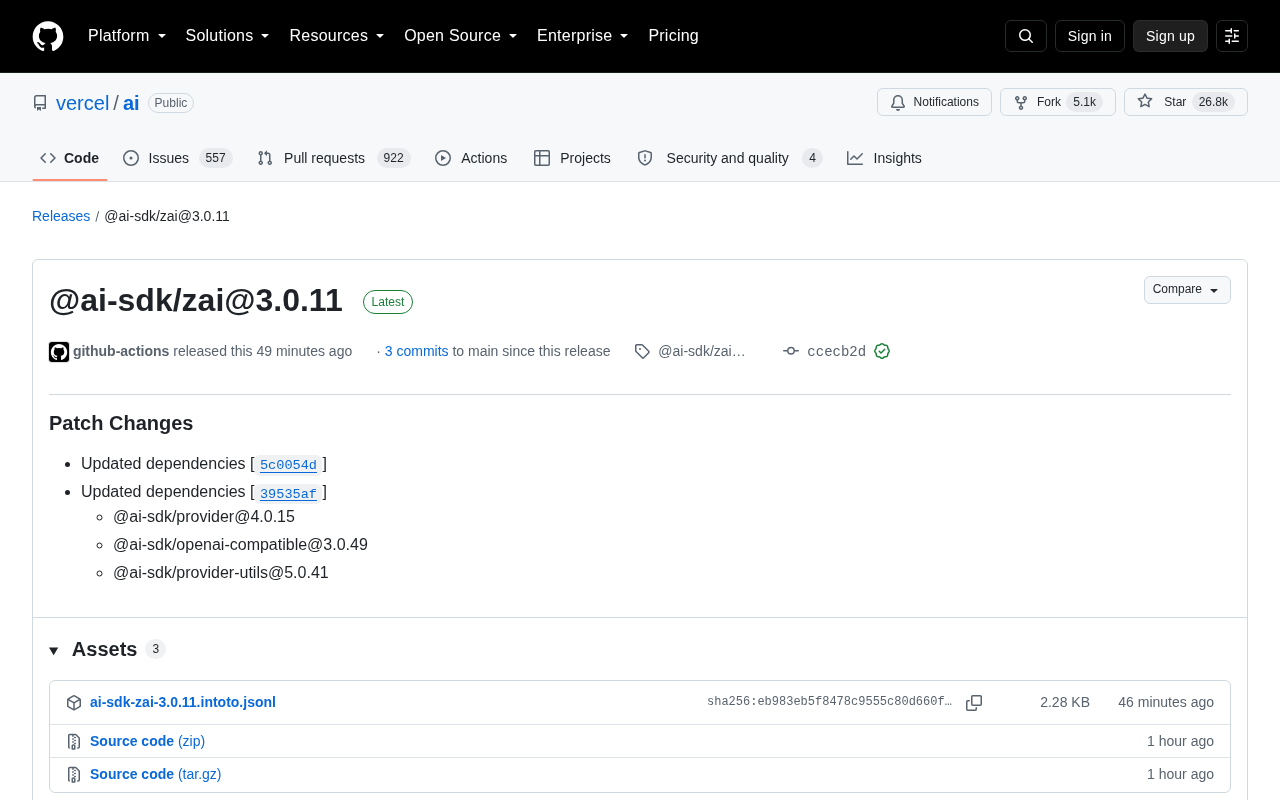
Vercel AI SDK's zai Provider releases patch 3.0.11, syncing upstream dependencies with no breaking changes.
`@ai-sdk/zai@3.0.11` is a routine maintenance patch that syncs underlying dependencies — `@ai-sdk/provider`, `@ai-sdk/openai-compatible`, and `@ai-sdk/provider-utils` — to their latest versions, keeping the Vercel AI SDK ecosystem consistent. Built on the OpenAI-compatible interface pattern, this Provider leverages a modular architecture for fast LLM integration. The release was automated via GitHub Actions with GPG signature verification and is fully backward-compatible under SemVer. Developers can upgrade as part of their regular dependency update workflow.
Update Overview
Vercel's AI SDK ecosystem has released @ai-sdk/zai@3.0.11. This is a patch-level update focused on syncing upstream dependencies, with no breaking changes introduced. For developers currently using this Provider, it's a low-risk, smooth upgrade.
This release was published via GitHub Actions automation and signed with GitHub's verified GPG key (ID: B5690EEEBB952194), ensuring the integrity and authenticity of the release artifacts.
What's Changed
According to the official Release Notes, the Patch Changes in @ai-sdk/zai@3.0.11 are primarily focused on syncing upstream dependency versions, including:
@ai-sdk/provider@4.0.15@ai-sdk/openai-compatible@3.0.49@ai-sdk/provider-utils@5.0.41
The dependency list reveals that the zai Provider builds on top of AI SDK's shared abstraction layers. The presence of @ai-sdk/openai-compatible indicates that this Provider uses the OpenAI-compatible interface pattern — a common integration approach in Vercel AI SDK that allows developers to connect to various LLM providers through a unified OpenAI-compatible protocol.
This update includes no new features or API changes. Its core purpose is to keep the zai Provider aligned with the broader SDK family, preventing compatibility issues caused by dependency drift.
What is an OpenAI-compatible API? It refers to any API that follows the OpenAI Chat Completions request/response format, typically centered around the
POST /v1/chat/completionsendpoint. Due to OpenAI's early-mover advantage in LLM API design, many model providers — including Groq, Together AI, Fireworks, and DeepSeek — have adopted this protocol. This means developers can switch providers by simply changingbaseURLandapiKey, with virtually no changes to their application code.@ai-sdk/openai-compatiblepackages this compatibility layer into a reusable module. By building on it,zaiavoids reimplementing lower-level logic like streaming parsing and error handling, and only needs to configure the target service's endpoint and authentication.
About the Vercel AI SDK Ecosystem
Vercel AI SDK is one of the most widely used AI toolkits in frontend and full-stack development, with approximately 26,800 stars and 5,100 forks on GitHub. One of its key design principles is a modular Provider architecture: the core library handles unified invocation interfaces and streaming, while individual Provider packages (like zai) handle the integration with specific model services.
This design lets developers install only the Providers they need, with each Provider versioned independently. zai is one such Provider — it follows the OpenAI-compatible spec and significantly reduces the cost of connecting to supported model services.
How the modular Provider architecture works in practice: The core package
aidefines a unifiedLanguageModelinterface and streaming protocol.@ai-sdk/providerprovides type definitions and base abstractions.@ai-sdk/provider-utilsencapsulates cross-Provider utilities like HTTP requests, SSE (Server-Sent Events) parsing, and token counting. Individual Provider packages sit as "leaf nodes" that depend on these foundational packages. When a base package ships a fix — such asprovider-utils@5.0.41in this release — all Providers need to sync their version numbers to avoid subtle runtime errors from API mismatches. That's the fundamental motivation behind thezai@3.0.11patch update.
What Developers Should Do
For teams already integrating @ai-sdk/zai, patch updates like this are generally safe to apply immediately. Following Semantic Versioning (SemVer), 3.0.11 is fully backward-compatible with the 3.0.x series at the API level. Upgrading typically just requires bumping the package version and reinstalling dependencies.
It's recommended to run your existing integration tests after upgrading to verify that interactions with upstream dependencies @ai-sdk/provider and @ai-sdk/provider-utils work as expected. Since this update is essentially a dependency alignment, the likelihood of issues is low — but keeping SDK module versions in sync remains a best practice for maintaining AI application stability.
Summary
@ai-sdk/zai@3.0.11 is a typical maintenance release focused on dependency synchronization rather than feature expansion. It reflects the continuous, high-frequency iteration pace of the Vercel AI SDK ecosystem — using automated publishing and fine-grained version management to deliver stable, reliable AI integration capabilities. For developers tracking the AI SDK, this can be incorporated into your routine dependency upgrade process.
Related articles
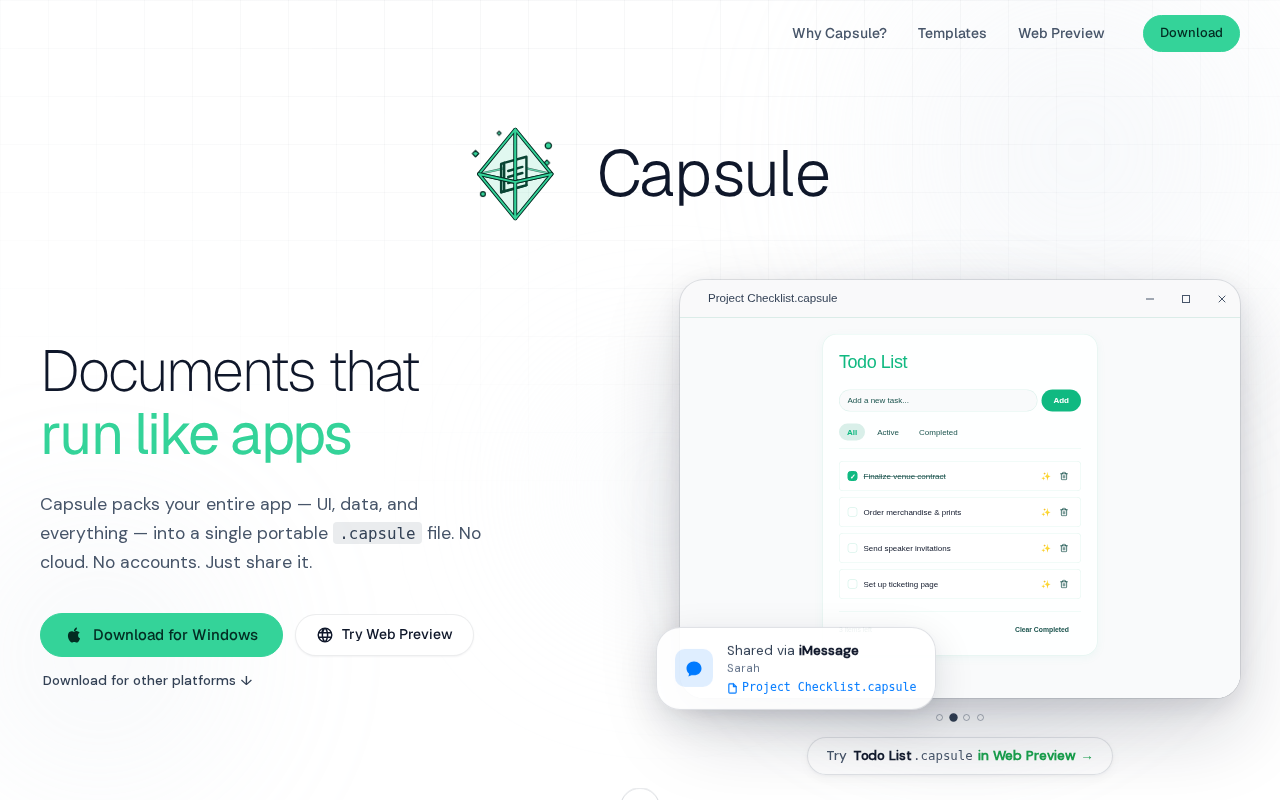
Capsule: Pack Web Apps and Data into a Single SQLite File
Capsule is a Rust/Tauri 2.0 tool that packs HTML web apps and data into a single SQLite file — privacy-first, local storage, portable sharing, with AI support.
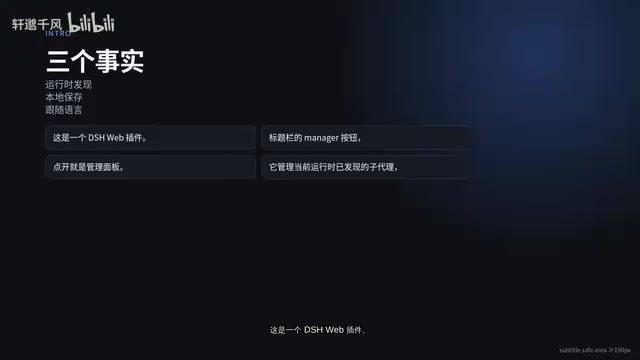
DSH-SUBAGENT-UI Plugin: The Ultimate Sub-Agent Manager for DeepSeek Harness
DSH-SUBAGENT-UI is a DeepSeek Harness browser plugin offering sub-agent overview, search, local categorization, and completion snapshots — install with one command.
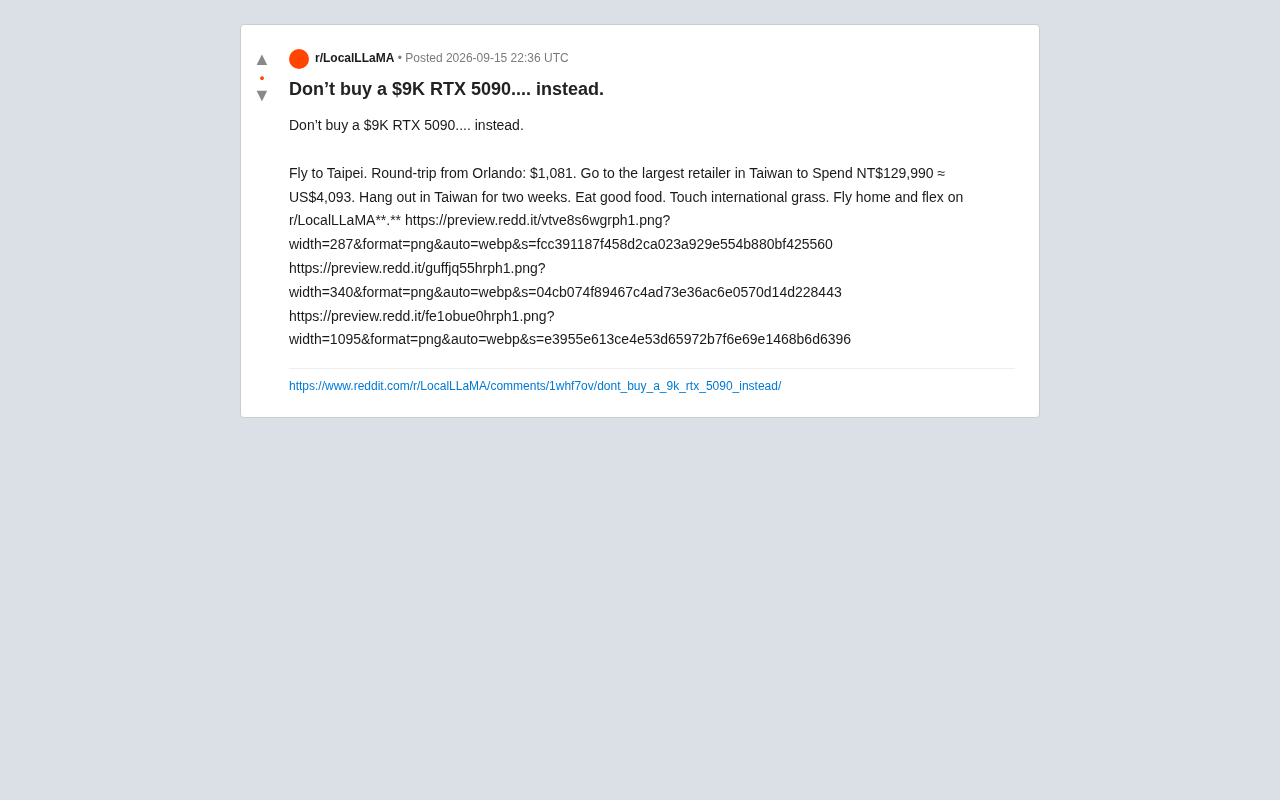
RTX 5090 Scalped for $9,000 in the US? Flying to Taipei to Buy One Might Actually Be Cheaper
RTX 5090 scalped for $9,000 in the US — a Reddit user did the math and found flying to Taipei to buy one is actually cheaper. A look at the real supply-demand crisis behind the joke.