Vercel AI SDK Releases @ai-sdk/zai 3.0.14 Patch Update
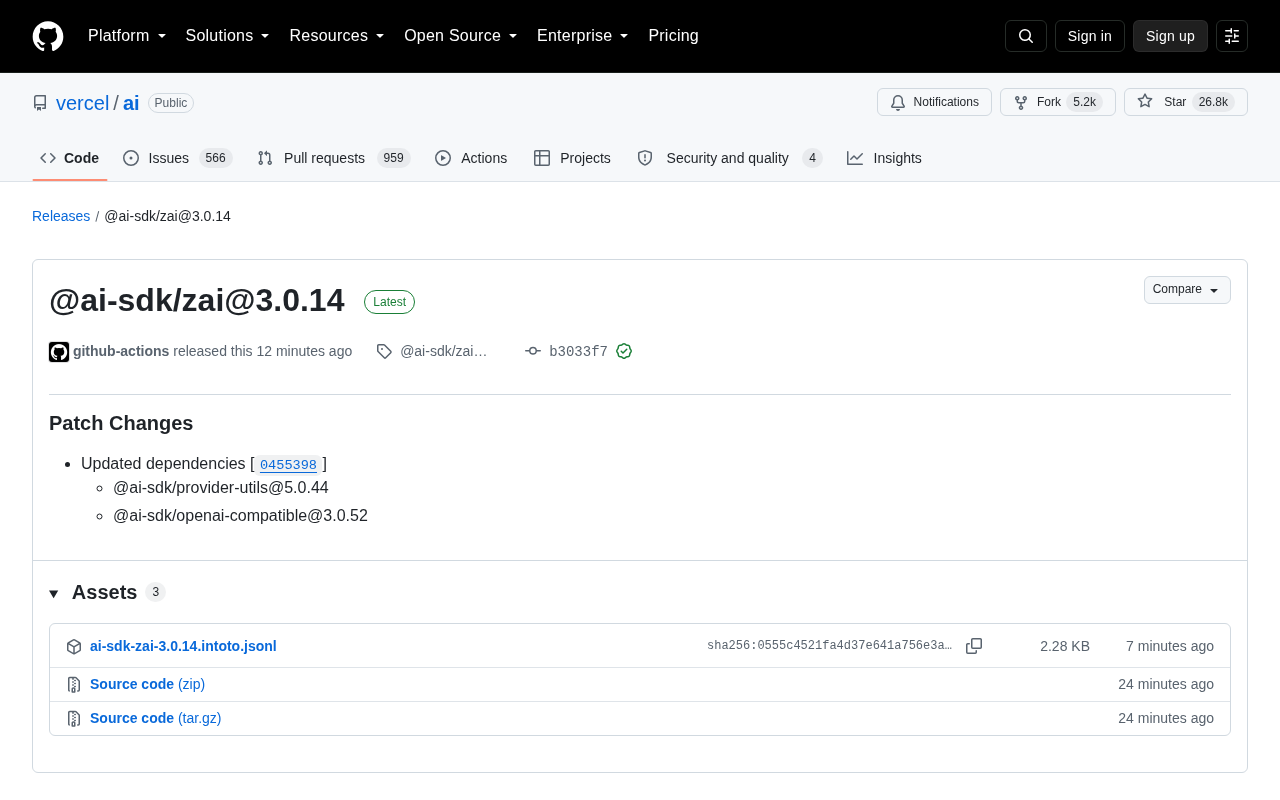
Vercel AI SDK's zai provider releases patch 3.0.14, syncing two upstream dependencies with no breaking changes.
`@ai-sdk/zai@3.0.14` is a patch release for the Zhipu AI (Z.ai / GLM series) provider in the Vercel AI SDK ecosystem, updating `@ai-sdk/provider-utils` to 5.0.44 and `@ai-sdk/openai-compatible` to 3.0.52. Built on an OpenAI compatibility layer, the zai provider connects to any OpenAI-style API using a unified interface. This update introduces no breaking changes — developers can upgrade via their package manager without modifying existing code. Though small, it reflects the project's automated CI/CD-driven strategy of frequent incremental releases to ensure upstream fixes propagate reliably through the dependency chain.
Update Overview
Vercel's AI SDK project has released @ai-sdk/zai@3.0.14. This is a patch-level release focused primarily on dependency updates, delivered through an automated GitHub Actions pipeline and verified as a trusted build via GitHub's official GPG signature (key ID: B5690EEEBB952194).
With over 26.8k stars and 5.2k forks, Vercel AI SDK has become a cornerstone infrastructure for building AI applications. While this update to the zai provider is modest in scope, it carries real value for developers who rely on this component to keep their projects stable.
What's Changed in This Release
According to the release notes, @ai-sdk/zai@3.0.14 is a Patch Change, with its core being the synchronization of upstream dependencies:
- Updated dependency
@ai-sdk/provider-utils@5.0.44 - Updated dependency
@ai-sdk/openai-compatible@3.0.52
Updates like these typically introduce no breaking changes. Their primary purpose is to keep the zai provider aligned with other foundational modules in the AI SDK ecosystem, allowing bug fixes and upstream improvements to flow through. For projects following Semantic Versioning (SemVer), patch-level upgrades carry low risk and developers can confidently apply them.
Understanding the AI SDK Provider Architecture
To appreciate the value of this update, it helps to understand the AI SDK's modular design. Vercel AI SDK uses a provider mechanism that encapsulates the integration logic for different model services into standalone packages. @ai-sdk/zai is one such provider, designed to connect with Zhipu AI (Z.ai / GLM series) and other model services that offer OpenAI-compatible APIs.
The inclusion of @ai-sdk/openai-compatible as a dependency reveals that the zai provider is built on top of an "OpenAI compatibility layer." The advantage of this design is clear: as long as a target service exposes an OpenAI-style API, the SDK can connect to it using a unified call pattern — dramatically reducing the overhead of switching between multiple models. Meanwhile, @ai-sdk/provider-utils serves as a shared utility library across providers, handling common logic like request parsing and streaming responses.
Semantic Versioning (SemVer) is the foundational framework for assessing the risk of updates like this. It requires version numbers to follow a MAJOR.MINOR.PATCH format: a major version bump signals breaking changes (incompatible API modifications); a minor version bump indicates new backward-compatible features; and a patch version bump covers only backward-compatible bug fixes or internal dependency synchronization. So when @ai-sdk/zai goes from 3.0.13 to 3.0.14, developers can rely on the SemVer contract to know there are no API changes to worry about — a critical trust foundation for large open-source ecosystem collaboration.
What This Means for Developers
For developers currently using the zai provider, the practical action here is straightforward — upgrade to the latest version via your package manager, no code changes required. Since this is a patch release, backward compatibility is guaranteed.
What's more noteworthy is the underlying maintenance cadence. The AI SDK continuously synchronizes dependency versions across its sub-packages through an automated CI/CD pipeline. This "frequent, incremental updates" strategy ensures upstream fixes are propagated promptly, preventing the compatibility risks that come from long-lagging dependencies. For teams building production-grade AI applications on top of open-source ecosystems, choosing an actively maintained, well-structured SDK is a key factor in long-term stability.
In real-world engineering, "dependency version lag" is an easy-to-overlook problem with far-reaching consequences. When a foundational package (like @ai-sdk/provider-utils) fixes a security vulnerability or compatibility bug, users can only receive those fixes via a routine npm update if the packages that depend on it (like @ai-sdk/zai) also publish updated releases. If the middle layer goes stale for too long, upstream fixes get "cut off" and never reach application code. Vercel AI SDK's frequent small-version releases are precisely addressing this propagation chain problem, ensuring the entire dependency tree stays reasonably up-to-date and consistent.
Summary
@ai-sdk/zai@3.0.14 is a textbook dependency-sync patch release — it introduces no new features or significant changes, but it reflects the healthy maintenance practices and disciplined release process of the Vercel AI SDK project. Developers using the zai provider can upgrade at their convenience and benefit from improvements made upstream.
Related articles
Three Stages of AI LLM Testing: A Practical Guide from Core Concepts to API Calls
A learning path for testers covering LLM fundamentals, prompt engineering, OpenAI SDK calls, API Key vs Token differences, streaming output, RAG, and Agent systems.
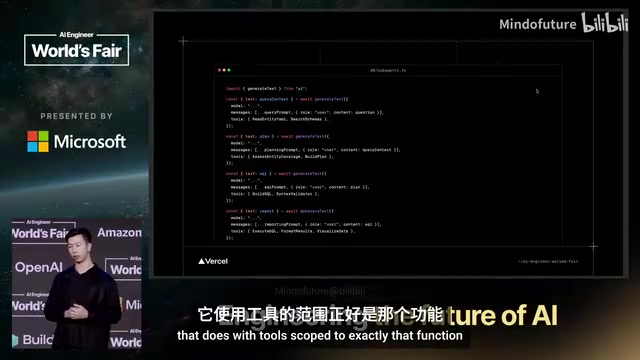
Vercel's Chief of Software Looks Back: The Evolution of Agent Building — From Multi-Agent Chains to File System Agents
Vercel's Chief of Software Andrew recaps the agent-building journey at AI Engineer: from giant prompts to multi-agent chains, monolithic memory, file system agents, and the open-source EVE framework.
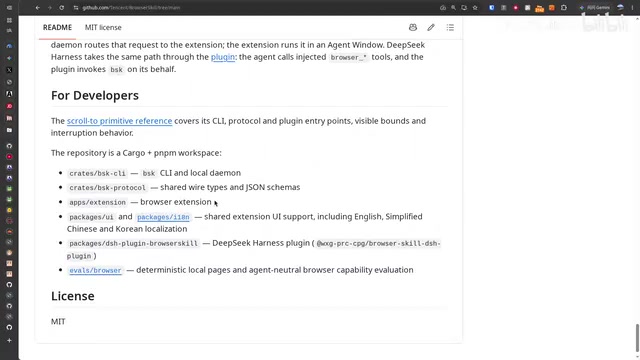
Tencent's Open-Source BSK in Action: Letting AI Take Over Your Already-Logged-In Browser
Tencent's open-source BSK (Browser Skill Kit) lets AI take over your real, logged-in Chrome via WebSocket. We break down the architecture, setup, and three key pitfalls from real-world testing.