Vercel AI SDK Releases workflow-harness 1.0.114 Patch Update
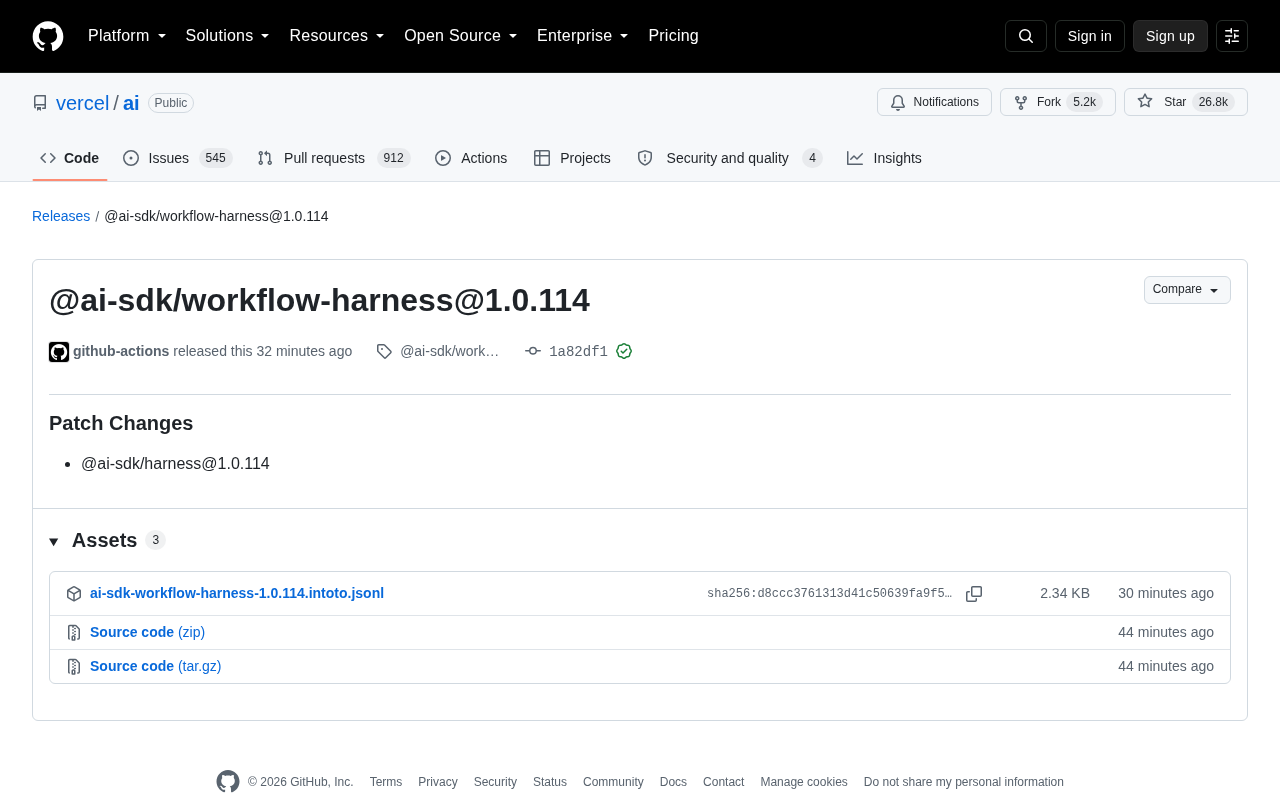
Vercel AI SDK releases workflow-harness 1.0.114, a routine patch update to sync internal dependency versions.
Vercel AI SDK has published `@ai-sdk/workflow-harness@1.0.114` via GitHub Actions, with the core change being a version bump of the internal `@ai-sdk/harness` dependency to maintain monorepo-wide version consistency. The release includes no user-facing features or breaking changes, and is verified with GitHub's official GPG key for supply chain security. As an internal workflow infrastructure package, `workflow-harness` is not typically referenced directly by end developers. The high patch version number reflects Vercel's rapid, incremental release strategy and the overall health of the ecosystem.
Vercel's AI SDK project (with over 26,000 stars on GitHub) recently published @ai-sdk/workflow-harness@1.0.114 via an automated GitHub Actions workflow. This is a patch-level update that primarily syncs the dependency @ai-sdk/harness@1.0.114 to the same version.
Update Overview
Based on the release notes, version 1.0.114 falls under Patch Changes and introduces no breaking changes or major new features. The core change is bumping the internal dependency @ai-sdk/harness to 1.0.114, keeping version numbers aligned across the monorepo.
This version was published through an automated GitHub Actions pipeline and verified with GitHub's official GPG key (Key ID: B5690EEEBB952194), ensuring the integrity and trustworthiness of the release artifact. For developers relying on this toolchain, patch updates like this are generally safe to adopt.
What Is workflow-harness?
workflow-harness is an internal utility package within the Vercel AI SDK ecosystem. A "harness" in this context typically refers to infrastructure that supports running, orchestrating, or testing workflows. It is not a package that end developers typically reference directly — instead, it underpins the workflow capabilities built into the AI SDK internally.
The version number being as high as 1.0.114 reflects Vercel AI SDK's high-frequency release cadence. This small-steps-often approach is common in active open-source projects — even minor dependency syncs or fixes trigger a new version release, ensuring version consistency across all sub-packages within the monorepo.
What is a Monorepo? A monorepo (monolithic repository) is an architectural pattern where multiple related sub-packages or projects are managed within a single code repository. Vercel AI SDK uses exactly this structure, housing dozens of sub-packages such as
@ai-sdk/core,@ai-sdk/openai,@ai-sdk/harness, and@ai-sdk/workflow-harness. In a monorepo, sub-packages have interdependencies — when a foundational package changes, upstream packages that depend on it often need to publish new versions to maintain version alignment, even if their own code hasn't changed. This is precisely whyworkflow-harnesswas bumped to1.0.114in sync withharness. Popular monorepo management tools like Turborepo (Vercel's own product), Nx, and Lerna all have built-in support for linked version publishing, enabling fully automated, hands-off releases when combined with GitHub Actions.
What This Means for Developers
For teams building AI applications with Vercel AI SDK, the practical impact of patch updates like this is usually minimal — but still worth noting:
- Version consistency: If your project pins specific versions, pay attention to keeping
harnessandworkflow-harnessversion numbers aligned when upgrading. - Security and trust: GPG-signed automated releases reduce the risk of supply chain tampering.
- Active maintenance: The frequent patch releases also signal that the project is under heavy active maintenance, indicating a healthy ecosystem.
It's worth noting that this release does not include a detailed changelog. To understand the exact fixes involved, you would need to refer to the corresponding commit (1a82df1) and the change history for @ai-sdk/harness.
What is GPG Signing? GPG (GNU Privacy Guard) signing is a digital signature mechanism based on asymmetric encryption, used to verify the origin and integrity of software packages. When GitHub publishes a release through an automated pipeline, it signs commits and tags with its official GPG key. Developers and CI systems can verify this signature to confirm that the release was genuinely produced by GitHub's official process and not tampered with by a third party. This mechanism is a critical component of software supply chain security. With supply chain attacks against registries like npm becoming increasingly common in recent years — such as the 2021 ua-parser-js poisoning incident — GPG signing combined with npm provenance has become a standard practice for mainstream open-source projects to ensure release trustworthiness.
Summary
@ai-sdk/workflow-harness@1.0.114 is a routine patch sync update whose primary value lies in maintaining version alignment across Vercel AI SDK's internal dependencies. It contains no significant user-facing new features, but as part of ongoing maintenance, it reflects Vercel's steady investment in the AI developer toolchain. Developers following the AI SDK are encouraged to keep an eye on the official Releases page for more feature-rich version updates.
Related articles
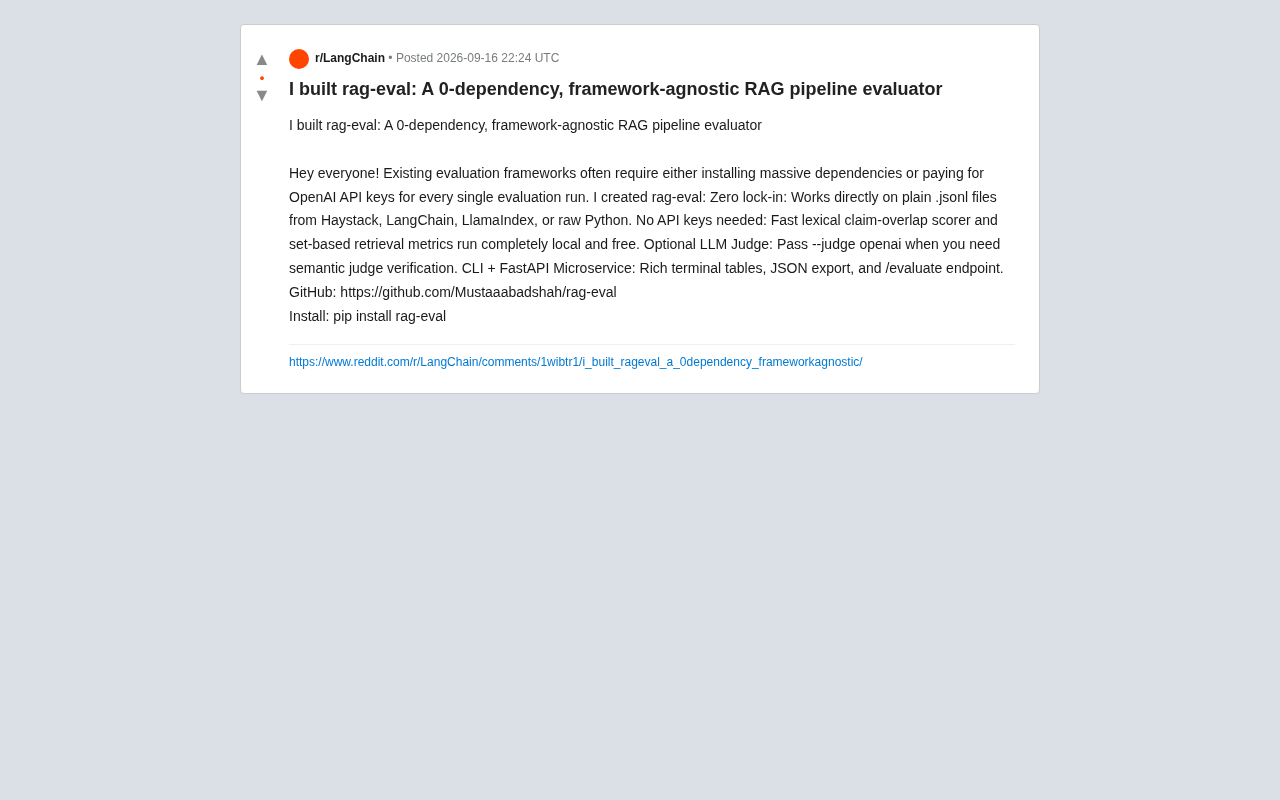
rag-eval: A Zero-Dependency, No-API-Key RAG Evaluation Tool
rag-eval is a zero-dependency, framework-agnostic open-source RAG pipeline evaluation tool. It supports free local lexical and retrieval metrics with no API keys required, and offers optional LLM Judge for semantic validation. Compatible with Haystack, LangChain, and LlamaIndex.
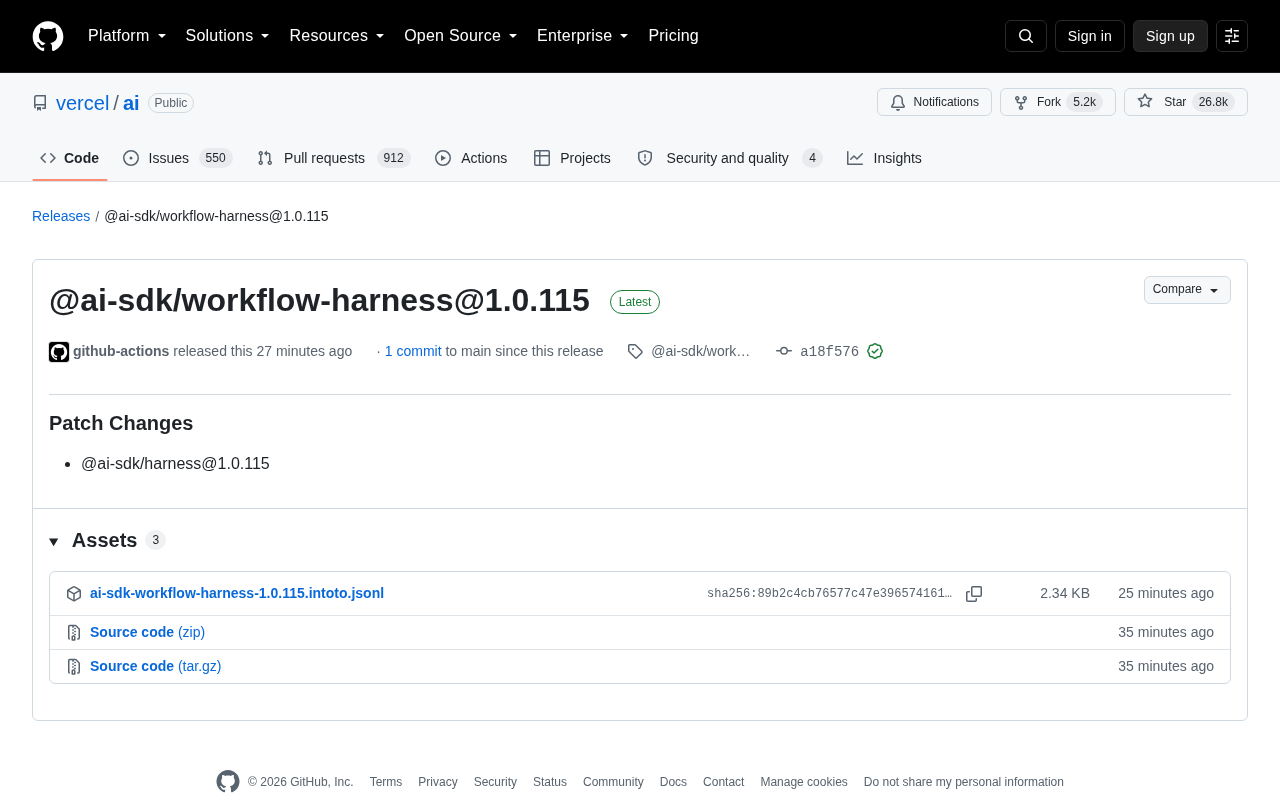
Vercel AI SDK Releases workflow-harness 1.0.115 Patch Update
Vercel AI SDK releases @ai-sdk/workflow-harness 1.0.115 patch update, syncing the @ai-sdk/harness dependency. Learn about the update, release mechanism, and what it means for developers.
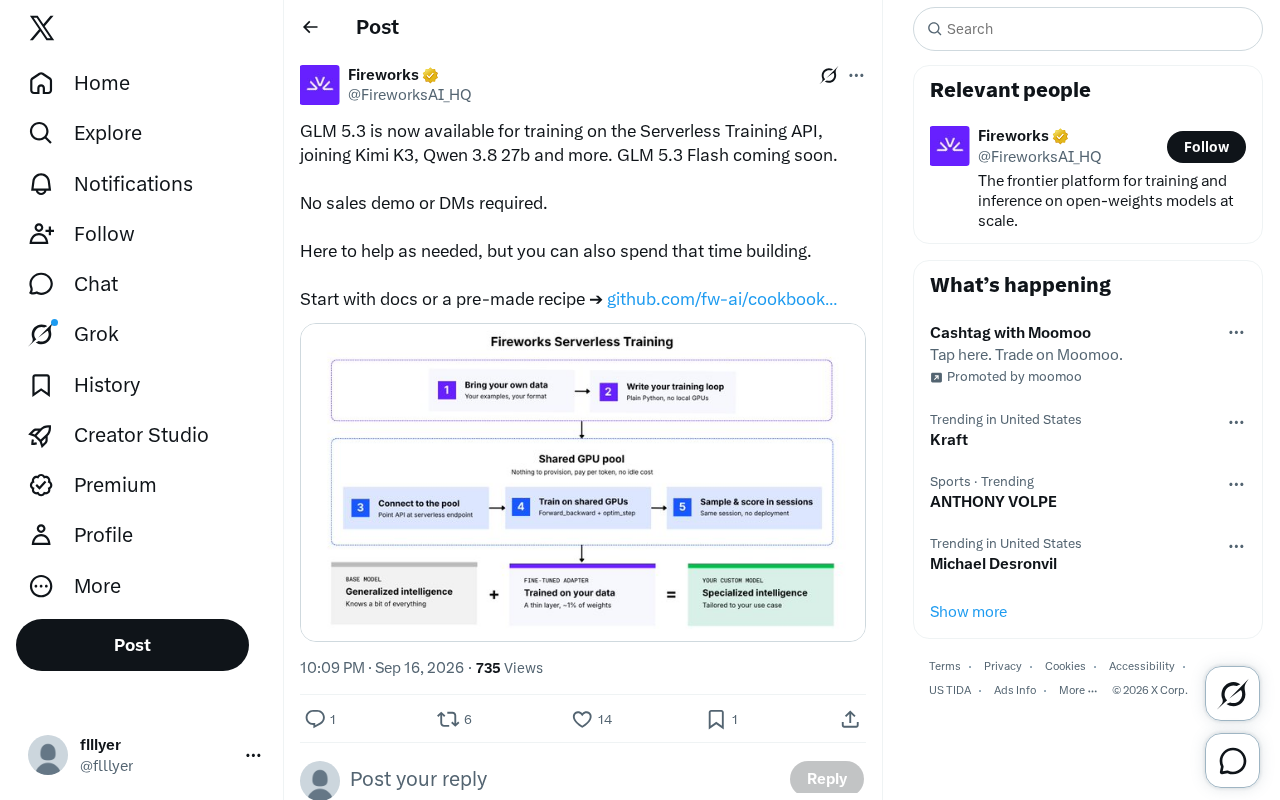
GLM 5.3 Now Available on Serverless Training API — No Sales Process Required
GLM 5.3 is now available on Serverless Training API alongside Kimi K3 and Qwen 3.8 27b. No sales process needed — start fine-tuning directly via docs or pre-made recipes.