Vercel Drives Boosts Cold Read Performance 6x: Read-Ahead Algorithm Explained

Vercel Drives boosts cold read performance by up to 6x with an adaptive read-ahead algorithm, with zero config and no price increase.
Vercel announced that its Drives file storage service introduces a new read-ahead algorithm that improves cold read performance by up to 6x. The algorithm analyzes application access patterns and preloads data from persistent storage into a faster tier before actual requests, reducing I/O wait time. Unlike traditional read-ahead based on fixed rules, it is driven by the application's own access behavior and adapts to different workloads. For developers, the update is fully transparent: all Drives get the optimization automatically, with no SDK upgrade or config changes, and read pricing stays the same. The article notes that cold read performance is especially critical for serverless functions, dynamic content generation, and data-intensive applications, and that read-ahead can significantly improve response speed in these scenarios.
Vercel recently announced a major update to its Drives file storage service, improving cold read performance by up to 6x. The core of this improvement is the introduction of a brand-new read-ahead algorithm that can preload data from persistent storage based on application access patterns, thereby reducing code wait times.
How Does the Read-Ahead Algorithm Work?
The traditional file read flow is usually "request-wait-return": when an application needs to read a file, the system only then pulls the data from persistent storage. During this process, code execution must pause and wait for I/O to complete. This is especially noticeable in cold read scenarios (i.e., when data is not in the cache).
Vercel Drives' new read-ahead algorithm changes this pattern. By analyzing application access patterns, it predicts the data that may be needed next and loads it from persistent storage into a faster storage tier before the actual request occurs. This means that when the code actually needs to read the file, the data is already ready, greatly reducing wait time.
According to the official explanation, the algorithm uses the application's own access behavior to drive preloading decisions, rather than relying on fixed rules or manual configuration. This adaptive approach allows different workloads to benefit.
Distinguishing cold reads from hot reads is key to understanding this optimization. Hot reads mean the data already exists in a fast storage tier (such as memory or local SSD cache), so reads take only a very short time; cold reads mean the data exists only in persistent storage (usually object storage or network block storage), and must go through a network round trip and disk I/O to be retrieved. Cold read latency is typically one to two orders of magnitude higher than hot read latency, and is especially critical in serverless environments, because each cold start may trigger a large number of cold reads. The value of the read-ahead algorithm lies in turning "cold" into "hot"—by preloading in advance, the data is already in place when the actual request hits.
Read-ahead is not a new concept; operating systems and databases have long used sequential detection to prefetch disk blocks. However, traditional read-ahead relies on fixed windows or simple heuristic rules, and often fails for workloads like serverless functions that have variable access patterns and short lifecycles. Vercel emphasizes that its algorithm "uses the application's own access behavior to drive preloading decisions," which means it may learn the timing and correlation of file accesses at the tenant or application level, rather than applying generic rules. This adaptive prefetching requires balancing prefetch accuracy against additional I/O overhead: prefetching too much wastes bandwidth, while prefetching too little fails to eliminate waiting.
Impact on Developers: Zero-Configuration Upgrade
For developers already using Vercel Drives, this update is completely transparent. All Drives automatically receive the optimization, with no need to upgrade the SDK or modify any configuration. This means existing applications can enjoy improved cold read performance after deployment without introducing additional operational burden.
In addition, Vercel explicitly states that read pricing remains unchanged. This is a positive signal for cost-sensitive projects—performance improvements do not come with higher fees.
Serverless Functions are Vercel's core execution model: code runs in on-demand, auto-scaling containers in an event-driven manner, and the platform handles scheduling and recycling. Under this model, function instances may be created or destroyed at any time, and local caches are difficult to retain across invocations, so the first file access after each cold start is almost inevitably a cold read. This is the root cause of amplified cold read latency—it not only affects a single I/O but also adds to the function's overall response time, and may even trigger timeouts. The reason Vercel Drives' read-ahead optimization is significant for serverless scenarios is that it places prefetch decisions on the storage service side rather than inside function instances, thereby bypassing the limitation of short instance lifecycles.
Why Does Cold Read Performance Matter?
Cold read performance directly affects application response speed, especially in the following scenarios:
- Serverless functions: Each invocation may face a cold start, and file read latency adds to the total response time.
- Dynamic content generation: Templates, configuration files, or user-uploaded assets need to be read frequently.
- Data-intensive applications: When processing files in batches, I/O waiting can become a bottleneck.
By reducing waiting through the read-ahead mechanism, Vercel Drives can help applications deliver a smoother experience in these scenarios. Although officials have not disclosed specific benchmark details, the "up to 6x" improvement indicates that the optimization is very significant under certain access patterns.
Summary
This Vercel Drives update focuses on an often overlooked but far-reaching aspect—cold read latency. Through an intelligent read-ahead algorithm, it makes file reads faster and more automatic, without increasing costs. For developers who rely on the Vercel ecosystem, this is undoubtedly a performance improvement worth noting.
For more technical details, see the official Vercel Drives documentation.
One-line Summary
Vercel Drives improves cold read performance by up to 6x through an adaptive read-ahead algorithm, with zero configuration and no price increase.
Paragraph Summary
Vercel announced that its Drives file storage service has introduced a new read-ahead algorithm that improves cold read performance by up to 6x. The algorithm analyzes application access patterns and preloads data from persistent storage into a faster storage tier before actual requests occur, reducing the time code spends waiting for I/O. Unlike traditional read-ahead that relies on fixed rules, it is driven by the application's own access behavior and can adapt to different workloads. For developers, the update is completely transparent: all Drives automatically receive the optimization, with no need to upgrade the SDK or modify configuration, and read pricing remains unchanged. The article notes that cold read performance is especially critical for serverless functions, dynamic content generation, and data-intensive applications, and that the read-ahead mechanism can significantly improve response speed in these scenarios.
Related articles

Federal Judge Halts FCC's Early Review of ABC License, First Amendment Lawsuit Continues
A federal judge issued a preliminary injunction blocking the FCC's early review of ABC's broadcast license and denied the FCC's motion to dismiss. ABC alleges retaliatory action over its news reporting; the First Amendment lawsuit will proceed.
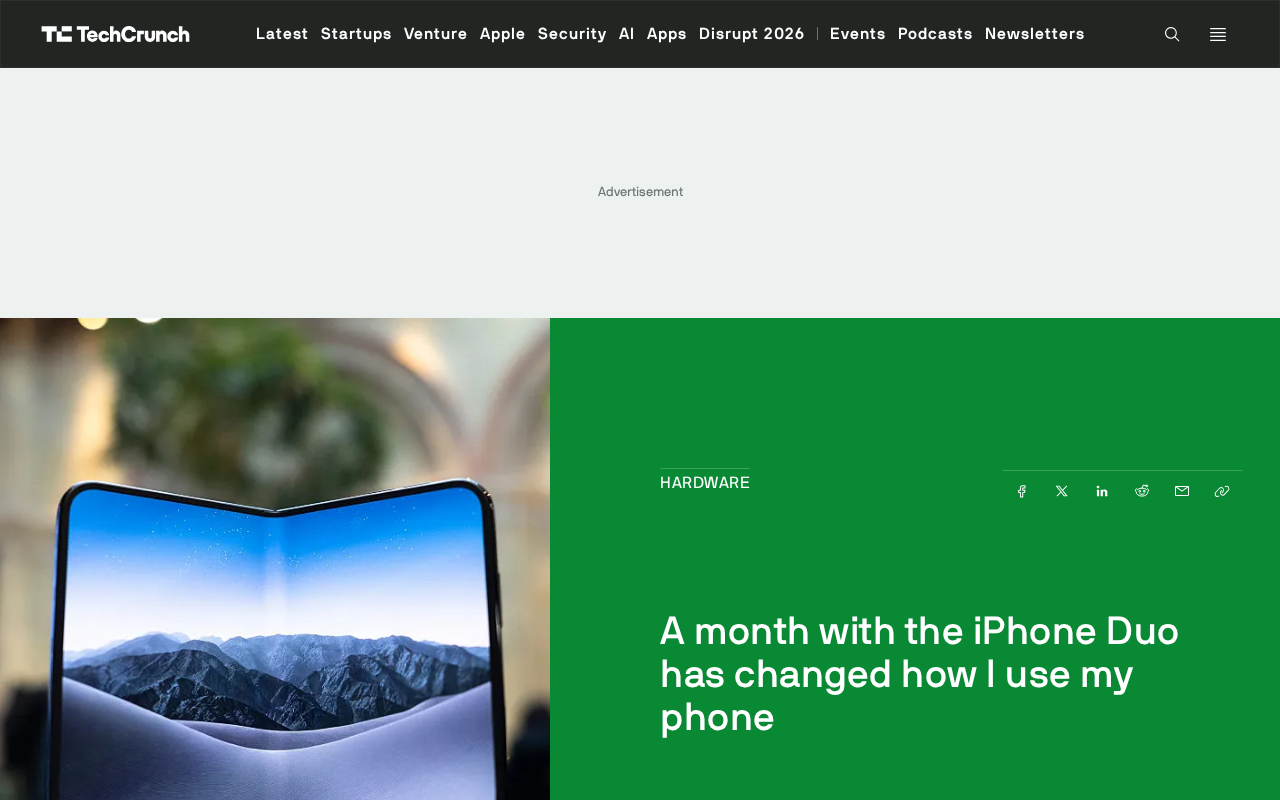
One Month with the iPhone Duo: How It Changed My Phone Habits
After a month with the iPhone Duo, one user found the foldable didn't just change reading habits—it helped break unconscious scrolling and rethink phone use.

Nextcloud Launches Desktop Office App, Expanding the Euro-Office Ecosystem
Nextcloud releases Nextcloud Office Desktop, extending Euro-Office capabilities from the browser to the desktop. We break down the product logic, ecosystem implications, and community concerns.