VR Public Speaking Simulator: Practice Your Presentation Skills Right in Your Browser
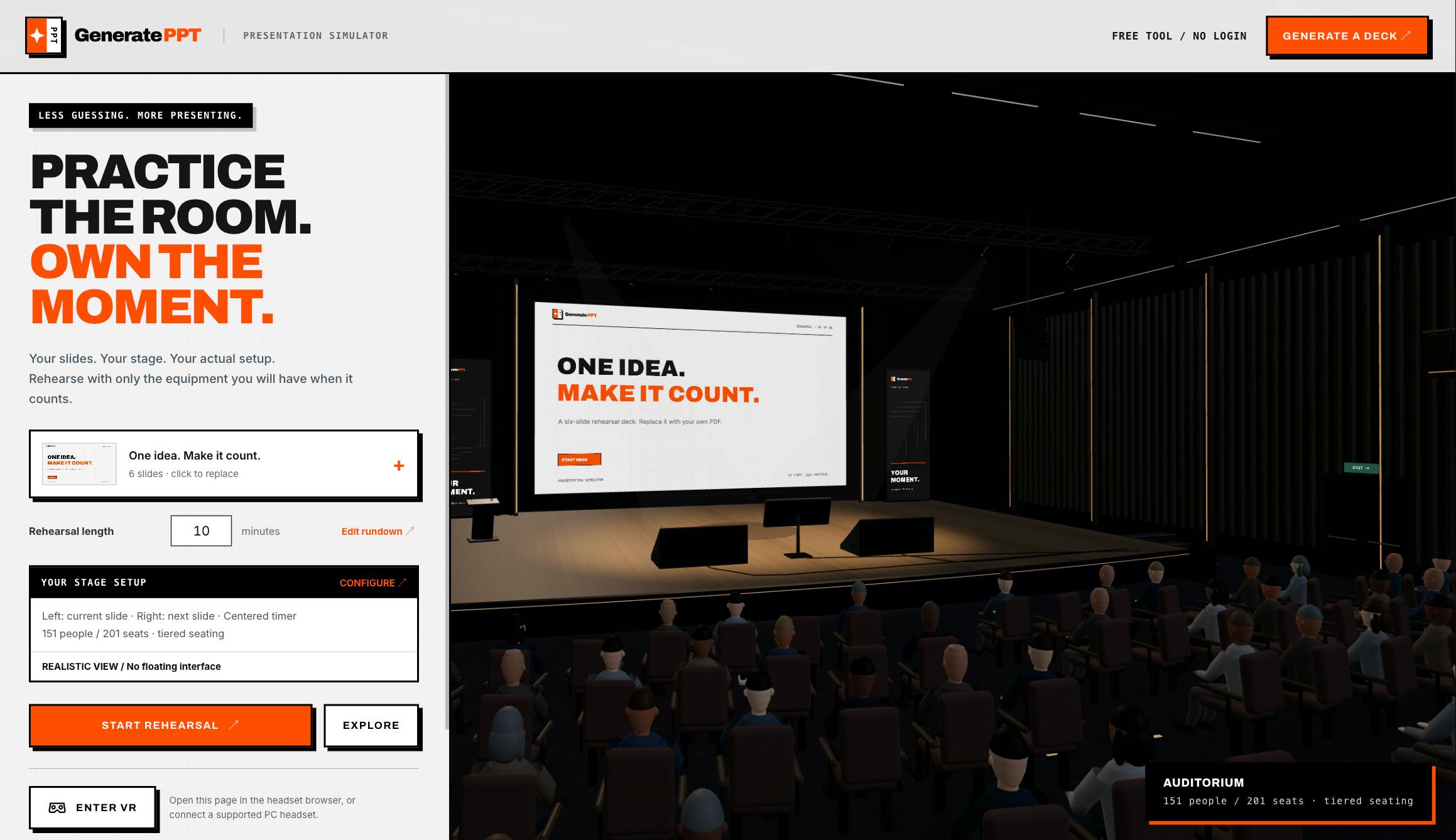
Browser-based VR tool for practicing public speaking with virtual audiences and customizable stages
Public Speaking VR Simulator uses WebXR to provide an immersive practice environment for overcoming public speaking anxiety. Users can upload slides and rehearse on virtual stages with realistic equipment configurations, accessible via browser or VR headset. While currently focused on environmental simulation, future AI-powered feedback could transform it into an intelligent speech coach.
Tackling "Public Speaking Anxiety" with Technology
Public speaking is widely recognized as one of the most common fears—many people would rather endure physical discomfort than speak in front of a crowd. Traditional coping methods include practicing in front of a mirror, recording and reviewing videos, or asking friends to serve as an audience. However, these approaches either lack realism or are difficult to practice anytime, anywhere.
Recently launched on Product Hunt, Public Speaking VR Simulator offers a fresh perspective: bringing speech practice into virtual reality. Created by Fernando from the aiCarousels team, this product allows users to rehearse presentations on a configurable virtual stage. It works both in desktop browsers and supports full VR experiences through WebXR. After launch, the product reached #12 on the daily rankings with 13 upvotes.
Core Features Breakdown
Configurable Virtual Stage: Immersive Desensitization Training
The tool's core selling point is its "immersive rehearsal environment." Users can upload their presentation slides and place real speech content into virtual scenarios, allowing repeated practice under near-realistic conditions. The value of this approach lies in desensitization training. Psychological research has long shown that through repeated exposure to "fear sources" in safe environments, people can gradually reduce anxiety responses. VR can simulate the stressful scenario of "facing an audience" in a low-cost, repeatable manner.
This "desensitization training" has deep theoretical roots in psychology—Systematic Desensitization was introduced by South African psychiatrist Joseph Wolpe in 1958. Its core mechanism involves gradually exposing individuals to anxiety-inducing stimuli in safe, controlled states, thereby reconstructing conditioned reflexes and lowering fear thresholds. In recent years, Virtual Reality Exposure Therapy (VRET) has become an important research direction in clinical psychology. Multiple meta-analysis studies show that VR-based exposure therapy achieves therapeutic effects comparable to real-world exposure treatment for conditions like acrophobia, social anxiety, and PTSD, with higher patient compliance—because they know they can "exit" the virtual scene at any time. This sense of psychological safety actually facilitates deeper exposure practice. What Public Speaking VR Simulator does is essentially transform this clinically validated method into a self-help tool accessible to everyone.
Realistic Speaker Equipment Configuration
The product also offers options to "choose realistic speaker equipment." This means users not only face virtual audiences but can also configure elements like podiums, microphones, and projection screens to simulate the physical setup of formal occasions as closely as possible. For those preparing for academic defenses, product launches, corporate roadshows, or classroom presentations, familiarizing themselves with equipment and positioning is itself an important part of alleviating nervousness.
Dual-Platform Support: Seamless Switching Between Browser and VR Headset
Notably, its technical choice—WebXR—means users don't need to download dedicated applications and can access it directly in their browsers. Users without VR headsets can use desktop mode for basic practice, while those with Quest and other devices can get the full immersive experience. This "progressive" accessibility design significantly lowers the barrier to entry.
WebXR is a Web standard API defined by W3C, officially called the WebXR Device API. It's an evolution of the earlier WebVR API and officially replaced WebVR in 2018. It unifies web access interfaces for Virtual Reality (VR) and Augmented Reality (AR), allowing developers to directly call headset capabilities like position tracking, controller input, and rendering pipelines through browsers. Among mainstream browsers, Chrome, Edge, Firefox Reality, and the Meta Quest built-in browser all support WebXR. Its technical advantage lies in "zero-install distribution"—users can enter immersive experiences with just a link click, without downloading native applications that are often hundreds of megabytes from app stores. The underlying rendering typically relies on WebGL or the newer WebGPU standard, combined with open-source 3D frameworks like Three.js, A-Frame, or Babylon.js for scene construction. For utility products like Public Speaking VR Simulator, WebXR's cross-platform nature means developers can "develop once, run everywhere," covering both desktop users and various VR headset brands, to some extent alleviating distribution challenges caused by VR ecosystem fragmentation.
The Quest devices mentioned in the article refer to Meta's (formerly Facebook) Quest series of standalone VR headsets. As of 2024, the Quest series has shipped over 20 million units, making it the largest platform in the consumer VR market. The latest Quest 3 is priced at $499, equipped with Qualcomm's Snapdragon XR2 Gen 2 chip, and supports full-color mixed reality passthrough. On the other end, Apple Vision Pro launched in early 2024, priced at $3,499, positioning itself as a premium spatial computing device. While VR headset penetration rates are far from smartphones, adoption is steadily increasing in vertical sectors like enterprise training, medical simulation, and education—this is precisely why WebXR solutions are particularly valuable: they allow users without headsets to get a basic experience through browsers without purchasing hardware for a single trial.
Why VR Speech Training Tools Are Worth Attention
An Ideal Landing Scenario for VR Education and Training
For a long time, VR has been searching for "must-have" applications in the consumer space. Beyond gaming and entertainment, education and skills training have always been seen as one of VR's most promising directions. Public speaking training is a highly typical "high-value, standardizable" scenario: universal demand, clear pain points, and naturally suited for immersive simulation.
Commercial exploration of the VR education and training market dates back to the 2016 "VR Year One." According to a 2022 PwC research report, VR-trained learners learn four times faster than classroom learning, gain 275% more confidence, and show 3.75 times higher emotional engagement. Walmart deployed VR training systems at scale, covering over 1 million employees for customer service and compliance training, validating the technology's feasibility in large-scale applications. In the speech training niche, VirtualSpeech was an early entrant, winning multiple educational technology awards and partnering with institutions like London Business School for teaching programs. Ovation focuses on enterprise-level speech training, using AI to analyze speakers' eye contact, gestures, and vocal metrics. As a latecomer, Public Speaking VR Simulator enters after these predecessors completed market education, while differentiating through WebXR's zero-install advantage—first lowering the experience threshold, then gradually layering on advanced features.
The product categories also reveal its positioning—it's simultaneously classified under Virtual Reality, Productivity, and Education, indicating the creator's attempt to build it as a tool that combines practicality and training value, rather than a mere technical demonstration.
WebXR Makes Speech Practice Within Reach
A major barrier to VR applications in the past has been distribution and installation costs. WebXR-based solutions make "open a link and use" possible, which is extremely friendly for tool product dissemination. Users can quickly run through their speech flow in a browser during lunch breaks or do a "dress rehearsal" with a headset before formal occasions. This flexibility is difficult for traditional VR applications to provide.
Current Limitations and Future Expectations
As a newly launched product, it currently demonstrates more "proof of concept." From publicly available information, the product hasn't disclosed whether it has AI feedback capabilities—such as analysis of speaking pace, pauses, filler words ("um," "uh"), or assessment of eye contact and body language. These are precisely the real moats for speech training tools.
To achieve a complete AI feedback loop, multiple modules need to work together technically. At the speech analysis level, Automatic Speech Recognition (ASR) technology is needed to transcribe speech content into text in real-time, then use Natural Language Processing (NLP) to detect filler word frequency, sentence completeness, and logical coherence. Prosody analysis requires extracting acoustic features like speaking rate (Words Per Minute), pitch variation curves, and pause duration distributions to judge whether speech rhythm is appropriate. For body language assessment, 6DoF (six degrees of freedom) tracking data from VR headsets and controllers can analyze gesture amplitude, body sway, and positioning movement patterns. Eye tracking relies on eye-tracking sensors built into headsets (such as those in Meta Quest Pro and Apple Vision Pro) to determine whether speakers maintain appropriate visual contact distribution with virtual audiences, rather than staring at slides or the floor for extended periods. While these technologies are individually mature, integrating them into a real-time, accurate feedback system that provides actionable suggestions still presents significant engineering challenges in latency control, multimodal data synchronization, and pedagogical design of feedback wording.
If voice recognition and AI coaching features are introduced in the future to provide quantitative feedback on speech content and performance, the product's value will multiply. "Virtual audiences" alone provide environmental immersion, but "intelligent feedback" is what brings measurable skill improvement.
Additionally, the realism of virtual audience reactions, scene diversity (conference rooms, auditoriums, interview rooms, etc.), and the possibility of multiplayer collaborative rehearsal are all directions that can be further expanded.
Conclusion
Public Speaking VR Simulator is a pragmatic attempt to apply immersive technology to everyday skill training. It lowers the experience threshold using WebXR and solves the pain point of "lacking practice scenarios" with configurable virtual stages. For students, professionals, and entrepreneurs suffering from speech anxiety, it provides a readily available, private practice space that doesn't require real audiences.
Of course, it's still in its early stages. The real imagination lies in whether it can layer on AI capabilities to evolve from a "simulation environment" into an "intelligent coach." This also represents a general trend for VR education products—immersion is the foundation, but intelligent feedback is the key.
Related articles
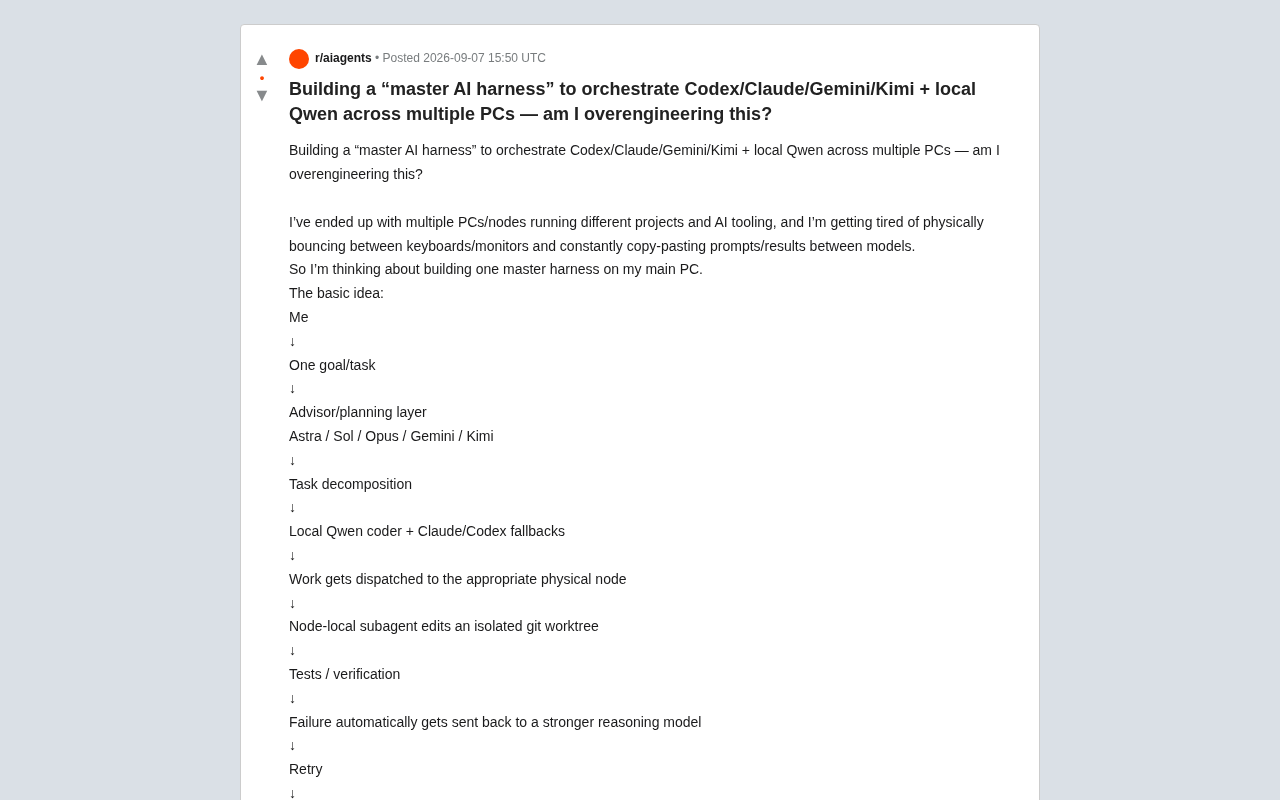
Multi-Model Multi-Machine Orchestration: Deep Dive into Unified AI Scheduling Architecture
In-depth analysis of multi-agent orchestration architecture: building unified AI scheduling with ACP, MCP, git worktree to achieve local model execution + cloud model review collaboration, with minimum viable loop validation and key risk analysis.
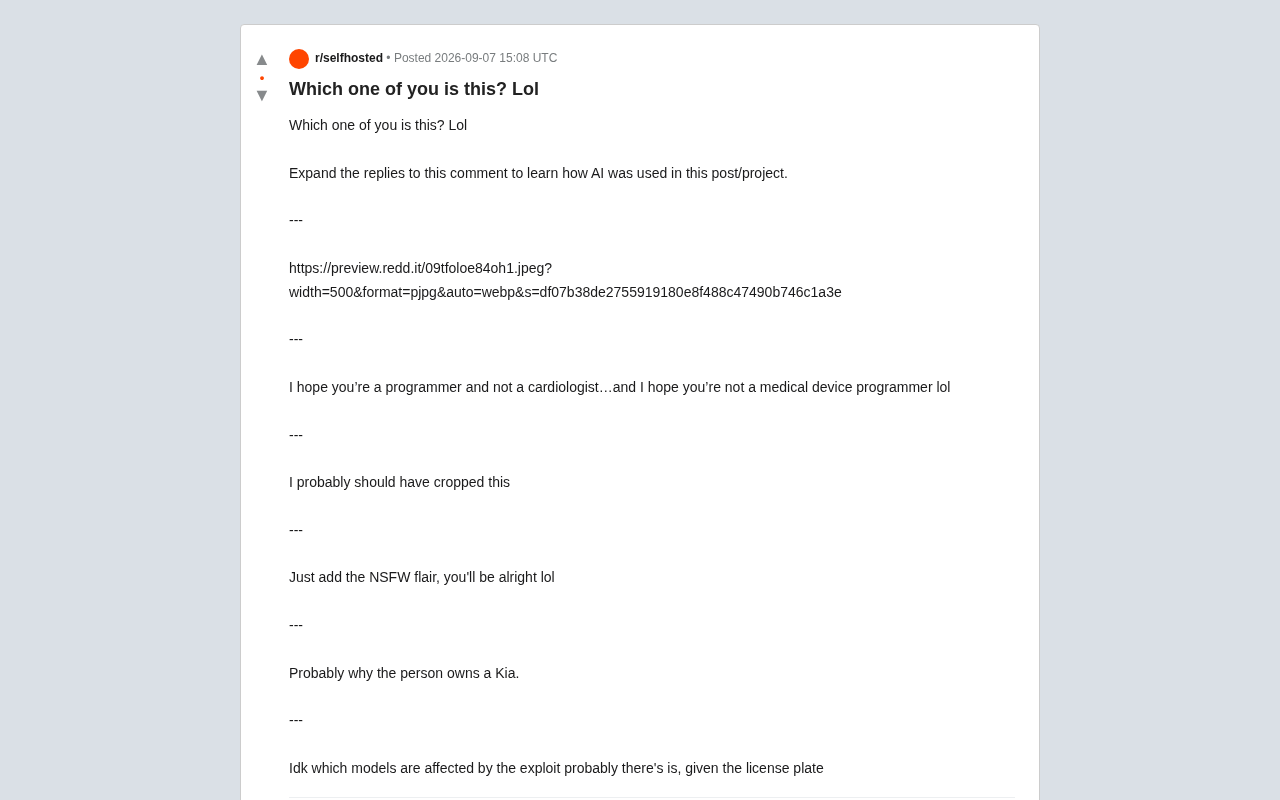
Is Vibe Coding Reliable? Security Concerns Behind the AI Programming Joke
A Reddit meme sparks programmer debate: Vibe Coding enables everyone to write code, but who's responsible for AI-generated code security? Exploring common security risks in AI-assisted programming.
Apple September 9 Event Preview: Foldable iPhone Ultra Takes Center Stage
Apple's September 9 fall event is coming, headlined by the first foldable iPhone Ultra. This article covers the naming strategy, industry impact, key challenges, and expected AirPods and HomePod updates.