Warning: Targeted Social Engineering Attacks Against Prominent Rust Developers
Attackers use fake job offers to compromise Rust crate maintainers and poison the open source supply chain.
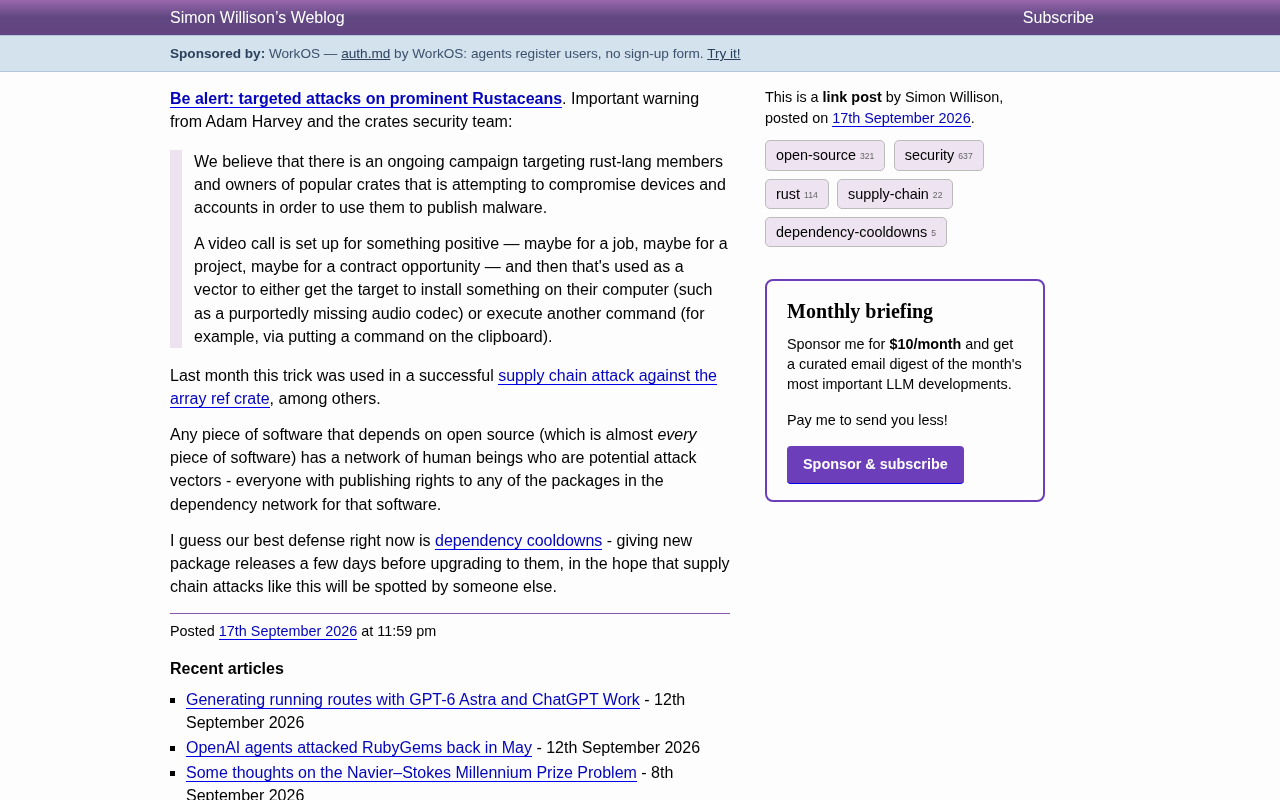
The Rust security team has warned of an ongoing targeted social engineering campaign against rust-lang members and popular crate owners. Attackers use fake job offers and collaboration pitches to initiate video calls, then trick targets into running clipboard-preloaded malicious commands to seize their publishing accounts. The technique mirrors North Korea's 'Operation Dream Job' and has already resulted in the supply chain compromise of the arrayref crate. The incident highlights that every maintainer with publishing rights across a dependency tree is a potential attack surface, and dependency cooldowns are recommended as a practical defense.
An Attack Campaign Targeting Open Source Key Players
Adam Harvey, a member of the Rust security team, along with the crates security team, has issued an important warning: a targeted attack campaign is currently underway against rust-lang members and owners of popular crates. The attackers' goal is clear — compromise these developers' devices and accounts, then leverage their publishing permissions to distribute malware.
What makes this type of attack especially dangerous is that it's not a broad "spray and pray" approach like credential stuffing or vulnerability exploitation. Instead, it precisely targets the most critical people in the open source supply chain: maintainers who hold publishing rights to popular packages. Once their accounts are compromised, the impact spreads through the dependency graph to thousands of downstream projects.
The Attack Vector: Using "Opportunity" as Bait
According to the security team's description, the attack chain typically begins with a video call. Attackers approach targets under some "positive pretext" — perhaps a job offer, a collaboration opportunity, or a contract negotiation. This framing is highly deceptive, because for open source maintainers, receiving project collaboration or recruitment outreach is perfectly normal.
During the video call, the attacker manipulates the target into installing something on their computer — like a "missing audio codec" — or executing a command. A classic technique involves pre-loading a malicious command onto the clipboard, then guiding the target to paste and run it. The entire process exploits human trust and problem-solving instincts rather than technical vulnerabilities.
This social engineering technique closely mirrors attack patterns used by North Korean APT groups in recent years against developers and cryptocurrency professionals, suggesting the attackers are quite familiar with how the open source ecosystem operates.
This technique of pre-loading malicious code onto the clipboard is sometimes called "clipboard hijacking social engineering." Attackers typically display what appears to be a harmless "diagnostic command" in the call interface or chat window, then verbally guide the target to copy and execute it — while the content actually pasted has been replaced with a script that downloads and runs a remote payload. On macOS and Linux, a single curl pipe command is enough to plant a backdoor within seconds. North Korea's Lazarus Group has been using this exact pattern extensively since 2020 in their "Operation Dream Job" series of attacks, using LinkedIn recruitment messages as the entry point, causing hundreds of millions of dollars in crypto asset losses. The technical fingerprints of this Rust ecosystem attack closely overlap with that campaign.
Real Damage Has Already Occurred
This is not a theoretical threat. Just last month, this technique was successfully used in a supply chain attack against the arrayref crate, along with several other packages. This means the attackers have already completed the full loop — from social engineering to malicious publishing — and achieved real results.
arrayref is a widely used foundational library in the Rust ecosystem. Once a low-level dependency like this is poisoned, the potential blast radius is difficult to measure. Attackers chose these high-value targets precisely because of their leverage within the dependency tree.
arrayref is a lightweight Rust crate that provides zero-overhead array slicing macros, widely referenced in cryptographic libraries (such as chacha20 and blake2) and network protocol implementations, with total downloads on crates.io exceeding tens of millions. A Software Supply Chain Attack refers to an attacker avoiding direct targeting of the end victim, and instead poisoning an upstream component they depend on — using legitimate software distribution channels to deliver malicious code to large numbers of downstream users. Since developers typically implicitly trust published versions, and many CI/CD pipelines automatically pull the latest dependencies, malicious versions are often pulled and compiled into production builds at scale before being detected. The 2021 ua-parser-js incident and the 2022 node-ipc incident are classic examples of such attacks, each impacting millions of downloads.
Every Maintainer Is a Potential Attack Surface
This incident exposes a fundamental dilemma in open source supply chain security. As Simon Willison has noted: any software that depends on open source — which is essentially all software — is backed by a network of real people, and each of those people is a potential attack entry point.
Specifically, every person with publishing rights across an entire dependency graph is a potential target. Your project's security effectively depends on the security awareness and protection levels of all the maintainers of your dependencies — and their dependencies. The weakest link in that chain determines the overall risk exposure.
A Defensive Strategy: Dependency Cooldowns
Faced with this kind of attack that's difficult to fully prevent, one of the more practical defensive measures available today is "dependency cooldowns." The core idea is simple: don't upgrade to a new package version the moment it's released — let it sit for a few days first.
The logic behind this strategy is the time differential. If a particular version really is a malicious release, there's a good chance it will be discovered and exposed by others in the community within those few days. Trading a brief update delay for the chance to have others "clear the mines" first is an extremely low-cost yet quite effective risk mitigation approach.
For teams and enterprises, cooldown rules can be introduced into CI/CD and dependency management policies to prevent automated pipelines from immediately pulling new versions that haven't yet been vetted by the community.
Beyond dependency cooldowns, registries like crates.io are also advancing or have deployed complementary mechanisms, including: mandatory two-factor authentication (2FA) for publisher accounts, immutability guarantees for published versions (i.e., preventing overwriting of already-published versions), and Sigstore-based transparency logs that leave an auditable signature record for every release. On the engineering practice side, locking dependency versions in Cargo.lock and committing it to version control ensures that team members and CI environments pull exactly the same build snapshot, minimizing the window for "accidentally upgrading to a poisoned new version." Third-party tools like Socket.dev and Deps.dev also offer behavioral anomaly detection for newly published versions, serving as an automated complement to the cooldown period strategy.
A Reminder for Open Source Developers
For Rust and open source ecosystem maintainers on the front lines, this incident offers several direct takeaways:
- Stay alert to sudden "opportunities," especially those that require installing software or executing commands during a video call;
- Never paste and execute commands from unknown sources just because someone guides you to — checking clipboard contents is a basic habit;
- Enable strong authentication for publishing accounts, and isolate your development environment from your daily-use environment;
- Follow official security advisories to stay informed about ongoing attack campaigns.
The power of open source comes from collaboration and trust — but attackers are exploiting exactly that trust. While enjoying the convenience of the ecosystem, maintaining a healthy skepticism toward "gifts falling from the sky" may be the self-protection every developer needs in this era.
Related articles
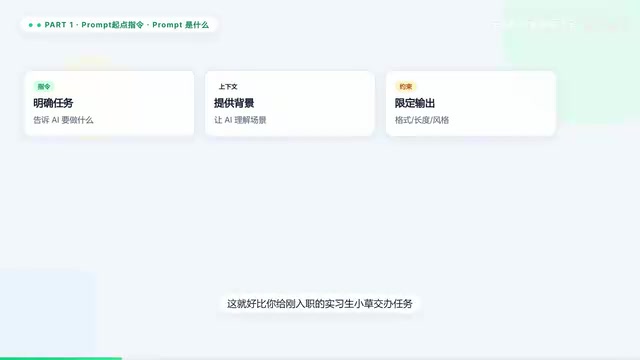
Prompt → MCP → Agent → Skill: The AI Terminology Evolution Chain Explained in 5 Minutes
A clear guide to five core AI concepts — Prompt, MCP, Agent, Skill, and Cowork — and how they connect in a layered evolution chain from simple instructions to multi-agent teamwork.
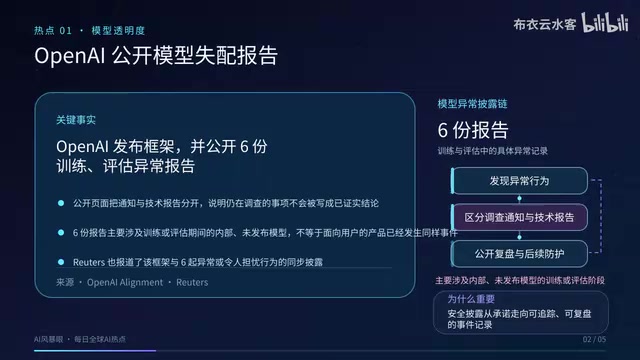
OpenAI Discloses Model Anomalies, DeepMind Launches AGI Forum, NVIDIA Partners on Grid Power Management
Sept 17 AI roundup: OpenAI publishes model anomaly disclosure framework with 6 reports, Google DeepMind launches AGI public forum, NVIDIA leads AI energy management alliance with 18 partners.
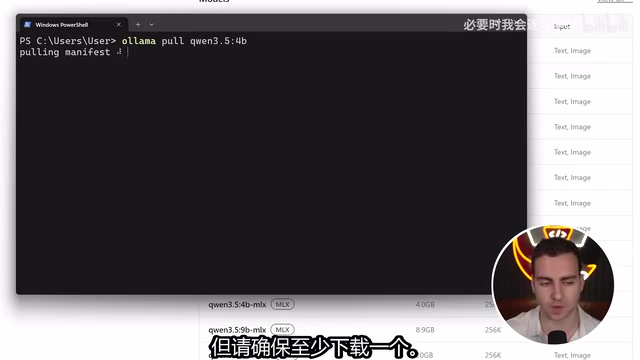
Build a Local AI Agent with Python in 10 Minutes: Ollama + PydanticAI in Action
A hands-on guide to building a fully local AI agent with Python, Ollama, and PydanticAI in 10 minutes — covering model selection, tool functions, and conversation loops.