When OpenAI Ships Your Product Roadmap: The Survival Question Every AI Founder Must Answer
The biggest AI startup risk isn't a weak product — it's a strong one that becomes someone else's built-in feature.
This article tackles a central strategic anxiety of the AI startup era: as foundation model providers like OpenAI continuously expand their capabilities, application-layer products risk being "platformized" — absorbed as native features. The core insight is that the biggest risk isn't building something weak, but building something strong that ends up as someone else's feature. The article offers three strategic responses: build value on proprietary data and workflows rather than model gaps; embrace model evolution as a tailwind; and go deep into specific industry use cases rather than competing on general capabilities where model providers dominate.
The Biggest Risk Isn't Building Something Weak — It's Building Something Strong That Becomes Someone Else's Feature
If you're building an AI company, the question you really need to grapple with isn't whether foundation models will keep improving — they almost certainly will. The real question is: as foundation model capabilities continue to expand, can your company keep creating value?
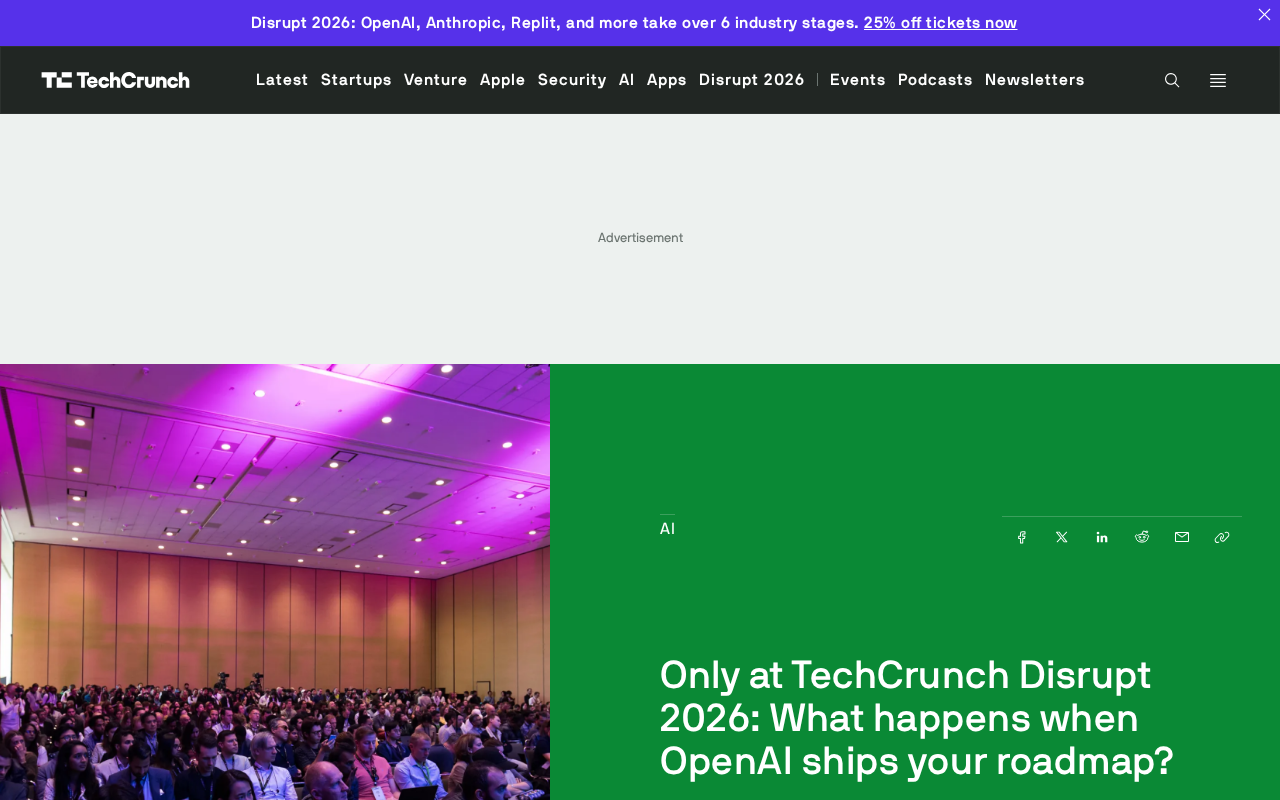
At the Builders Stage of TechCrunch Disrupt 2026, an interactive session cut straight to the anxiety every AI founder carries: what do you do when a foundation model provider like OpenAI turns your carefully crafted product roadmap into a built-in feature of their platform?
One line from the session lands with remarkable clarity: "The biggest risk isn't building a weak product — it's building a strong one that ends up becoming someone else's feature." It's a precise diagnosis of the structural anxiety haunting AI application-layer startups right now.
Why "Getting Platformized" Is AI Startups' #1 Threat
In the traditional software era, startups worried about competitors copying them or tech giants entering their market. In the foundation model era, the threat takes a fundamentally different shape — your moat can be erased overnight by a single version update from a model provider.
When a startup builds a product around a gap in model capabilities — better document summarization, more accurate code completion, more natural conversational memory — those are precisely the areas foundation model providers are most motivated to fill. The moment official native support arrives in the next-generation model, the entire business model built around that gap faces a direct hit.
This is why the framing emphasizes that foundation model evolution isn't a question of if — it's a premise that founders must internalize. The real question that needs answering is: given that premise, how do you design a company that can actually survive?
How to Build Value That Won't Get Absorbed
While no specific methodology was laid out, the problem framework itself points to several critical directions worth exploring.
Build Value Outside the Model
If your core value proposition is entirely dependent on patching a current model weakness, that value will get diluted as model capabilities improve. By contrast, value built on proprietary data, deep integration with industry workflows, customer relationships, and compliance capabilities is far harder to displace with a single model upgrade.
Embrace Model Evolution, Don't Fight It
Treating the continuous improvement of foundation models as a tailwind rather than a headwind is a much healthier posture. When model capabilities increase, if your product becomes more useful, cheaper, and more powerful as a result, you're standing on the right side of that evolution. If a stronger model makes your product feel redundant, the business model itself needs rethinking.
Get Closer to Use Cases, Not Capabilities
General-purpose capabilities are the home turf of model providers. But the complex, non-standardized, deeply customized demands of specific industries are often the long tail that large players can't easily cover. The closer you are to real business scenarios, the less likely you are to get "one-click platformized."
Why the Builders Stage Matters
TechCrunch Disrupt has always been a reliable barometer for where tech startup trends are heading. The fact that 2026's Builders Stage put this sharp question center stage is itself a signal: "getting absorbed by foundation models" has escalated from an isolated concern into a widespread anxiety across the entire AI startup ecosystem.
The value of sessions like this isn't in delivering a definitive answer — it's in bringing together frontline founders, investors, and technical experts to collectively break down a problem that has no ready-made solution. For any team playing at the AI application layer, thinking through the "what if OpenAI ships my feature tomorrow" scenario in advance may matter more than writing a few extra lines of code.
According to the organizers, interested attendees can register before September 25th and save up to $200.
A Final Thought
What looks like a brief event preview actually surfaces the most fundamental strategic question of the AI startup era. The capability frontier of foundation models is still expanding rapidly. Any company that positions itself as a "patcher of model deficiencies" is living in the shadow of the next version release. The ones that survive market cycles will be the teams that turn model evolution into a force multiplier for their business — not the force that renders it obsolete.
Related articles
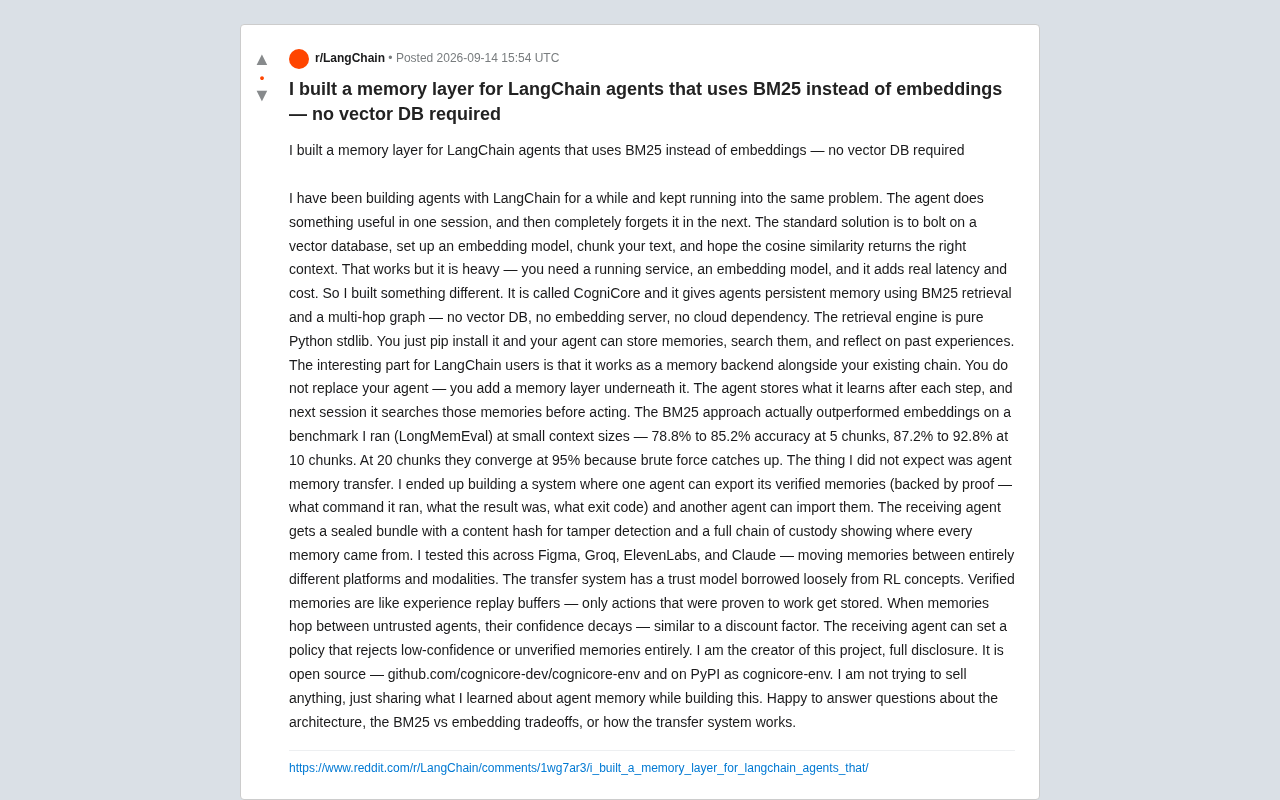
Ditch the Vector Database: Building a Memory Layer for LangChain Agents with BM25
CogniCore replaces vector databases with BM25 retrieval for LangChain agent memory, outperforming embeddings in small-context benchmarks with zero external dependencies.
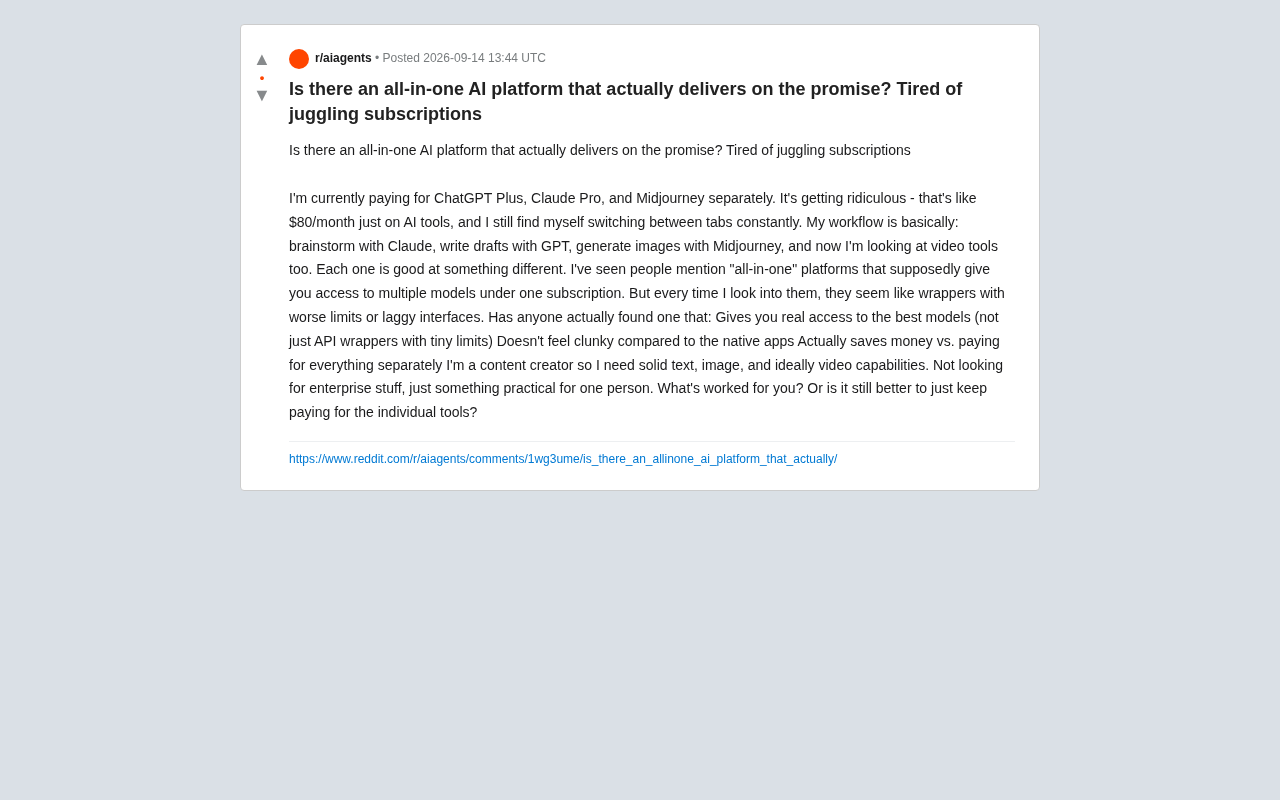
Are All-in-One AI Platforms Actually Worth It? A Practical Guide to Escaping Subscription Overload
Tired of paying for ChatGPT, Claude, and Midjourney separately? We break down whether all-in-one AI platforms are actually worth it — and what a smarter subscription stack looks like.
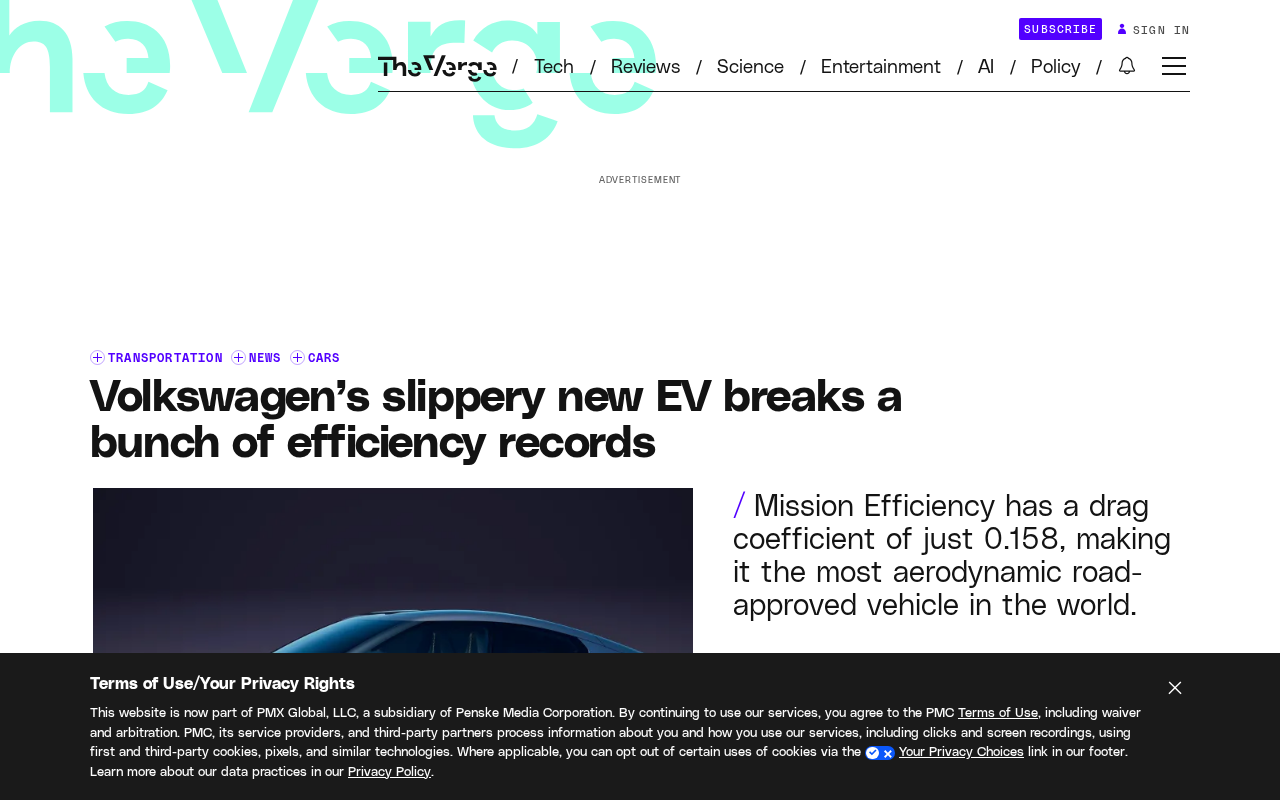
Volkswagen Mission Efficiency: The World's Lowest-Drag EV Breaks Multiple Efficiency Records
Volkswagen's Mission Efficiency prototype claims the world's lowest drag coefficient, built on MEB+ platform with ID. Polo and ID. Cross components. Here's what it means for EV efficiency.