Who Gets to Make the Rules for AI? The Deep Power Struggle Over Governance

The battle over AI governance is a three-way power contest — and multi-stakeholder collaboration may be the only viable path forward.
This article explores the increasingly urgent question of who has the authority to govern AI. Three dominant forces emerge: tech companies that shape AI's behavioral boundaries through internal policy; governments whose legislation structurally lags behind fast-moving technology; and academic and open-source communities that advocate for transparency but face misuse risks. The piece identifies four core tensions — speed vs. deliberation, centralization vs. distribution, innovation vs. safety, and local vs. global — and argues that multi-stakeholder collaboration with a credible accountability framework is the most viable path forward.
Who Makes the Rules for AI: A Power Struggle That Will Define the Future
Artificial intelligence is penetrating every corner of society at an unprecedented pace — from content generation to medical diagnosis, from financial decision-making to national security. And as its capabilities expand, a sharper question has emerged: Who has the authority to set the rules for AI? This isn't just a technical question. It's a contest over the distribution of power among governments, corporations, research institutions, and the public.
What makes this question so complex is that AI governance inherently involves the entanglement of multiple competing interests. The tech giants that control the most advanced models hold de facto power to define the technology. National governments are trying to legislate risk away. Academics are calling for openness and transparency. And everyday users — who bear the most direct impact of these technologies — often have the least say in how they're governed.
Three Dominant Forces, and the Struggle Between Them
Tech Companies: The De Facto Rule-Makers
The most advanced AI capabilities today sit primarily in the hands of a small number of well-funded tech companies. They decide how models are trained, which data is used, what content gets filtered, and where safety guardrails are placed. This "code is law" reality means that corporate internal policies often shape the behavioral boundaries of AI faster and more directly than any formal legislation.
But this raises serious concerns: when commercially motivated actors define the rules for a broadly public technology, will profit be prioritized over public safety? When a company is both player and referee, the absence of any check on that power becomes a central vulnerability.
Government Regulation: A Lagging but Necessary Framework
Governments around the world are attempting to use legislation to keep pace with technological development. From the EU's AI Act to U.S. executive orders, regulators are trying to establish risk tiers, transparency requirements, and accountability mechanisms. But the legislative process is slow, and technology iterates on a monthly basis — regulators are structurally positioned as perpetual catch-up players.
On top of that, divergent rules across different jurisdictions can enable regulatory arbitrage — companies may shift high-risk R&D to regions with looser oversight. The lack of global coordination means that no single country's rules can meaningfully constrain a technology that operates across borders.
Academic and Open-Source Communities: Advocates for Transparency
Research institutions and open-source communities represent a different philosophy of governance: accountability through transparency, reproducibility, and public oversight. Open-source models allow more people to examine AI's inner workings and reduce the technological monopoly held by a handful of institutions. But openness brings its own risks — once powerful capabilities are made public, they can also be exploited by bad actors.
The Core Tensions at the Heart of Governance
The debate over who gets to make AI's rules ultimately reflects several deeply difficult tensions:
- Speed vs. deliberation: Technology demands rapid iteration, while responsible governance requires time for thorough consideration.
- Centralization vs. distribution: Centralized control is efficient but prone to abuse; distributed governance is more democratic but harder to coordinate.
- Innovation vs. safety: Rules that are too strict may stifle innovation; rules that are too loose allow risk to spread unchecked.
- Local vs. global: AI knows no borders, but rules are constrained by the limits of national sovereignty.
None of these tensions have clean answers — which is precisely why the conversation keeps drawing attention. In technical communities like Hacker News, topics like these regularly spark in-depth debates about power, responsibility, and the ethics of technology.
Toward Multi-Stakeholder Governance: A Possible Path Forward
A growing consensus holds that AI governance should not be monopolized by any single actor, but rather built around a collaborative, multi-stakeholder framework. In practice, this means:
Governments provide the legal framework and establish baseline constraints. Companies take on obligations for transparent disclosure and safety testing. Academia provides independent evaluation and technical audits. Civil society represents the public interest and holds other actors accountable. This kind of distributed governance model is complex, but it's better positioned to balance competing interests and prevent rules from being captured by any single group.
The critical ingredient is a credible chain of accountability: regardless of who proposes the rules, there must be mechanisms that ensure they're actually enforced — and that deviations carry real consequences. Rules without accountability, no matter how well designed, are nothing more than promises on paper.
Conclusion
The question of "who makes the rules for AI" ultimately points toward a deeper question: what kind of technological society do we want to build? There's no one-size-fits-all solution — it's a process that requires ongoing negotiation and dynamic adjustment. As AI capabilities continue to advance, establishing a governance framework that is inclusive, transparent, and genuinely accountable may be the single most important step we can take to prevent the technology from spiraling out of control.
Related articles
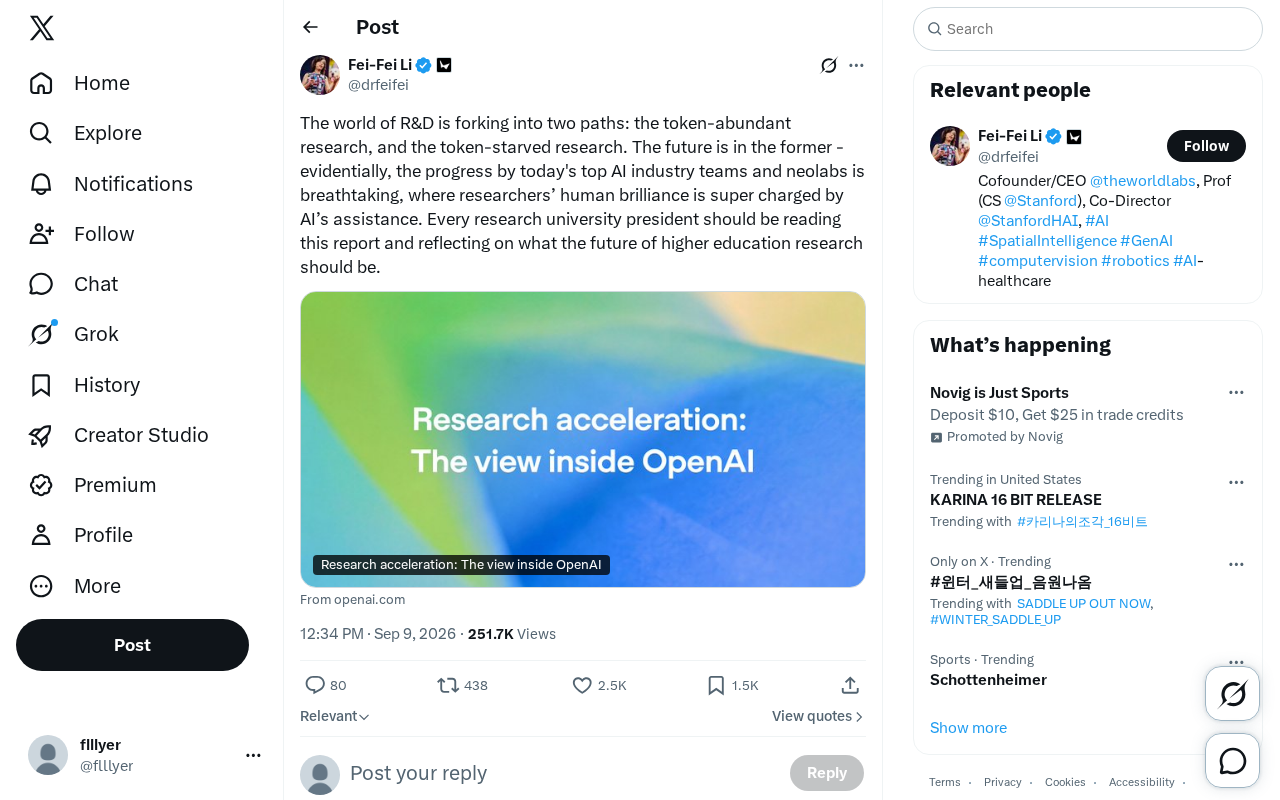
R&D Is Forking: The Coming Battle Between Token-Abundant and Token-Starved Research
R&D is splitting into token-abundant and token-starved research. Top AI labs are pulling ahead—here's what it means for universities and the future of science.

Atlas World Model Explained: How Next View Prediction Unifies Generation and Reconstruction
The Atlas world model uses Next View Prediction as its core to unify pixel-level generation and reconstruction, offering a new approach to spatial intelligence.
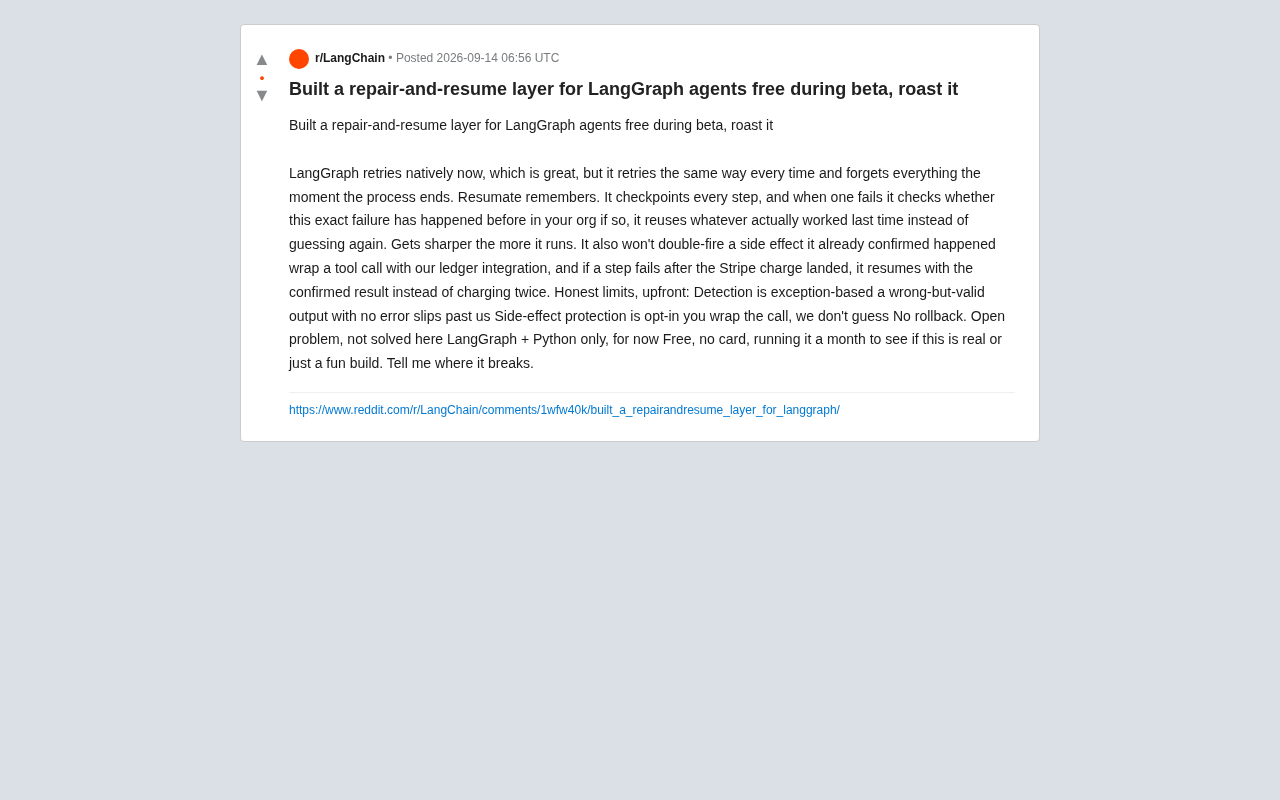
Resumate: A Deep Dive into the Repair-and-Resume Layer for LangGraph Agents
Resumate adds memory-aware checkpointing and idempotent side-effect protection to LangGraph agents, preventing issues like duplicate Stripe charges on retry.