Why Small Programming Tricks Matter: The Underrated Wisdom of Everyday Engineering
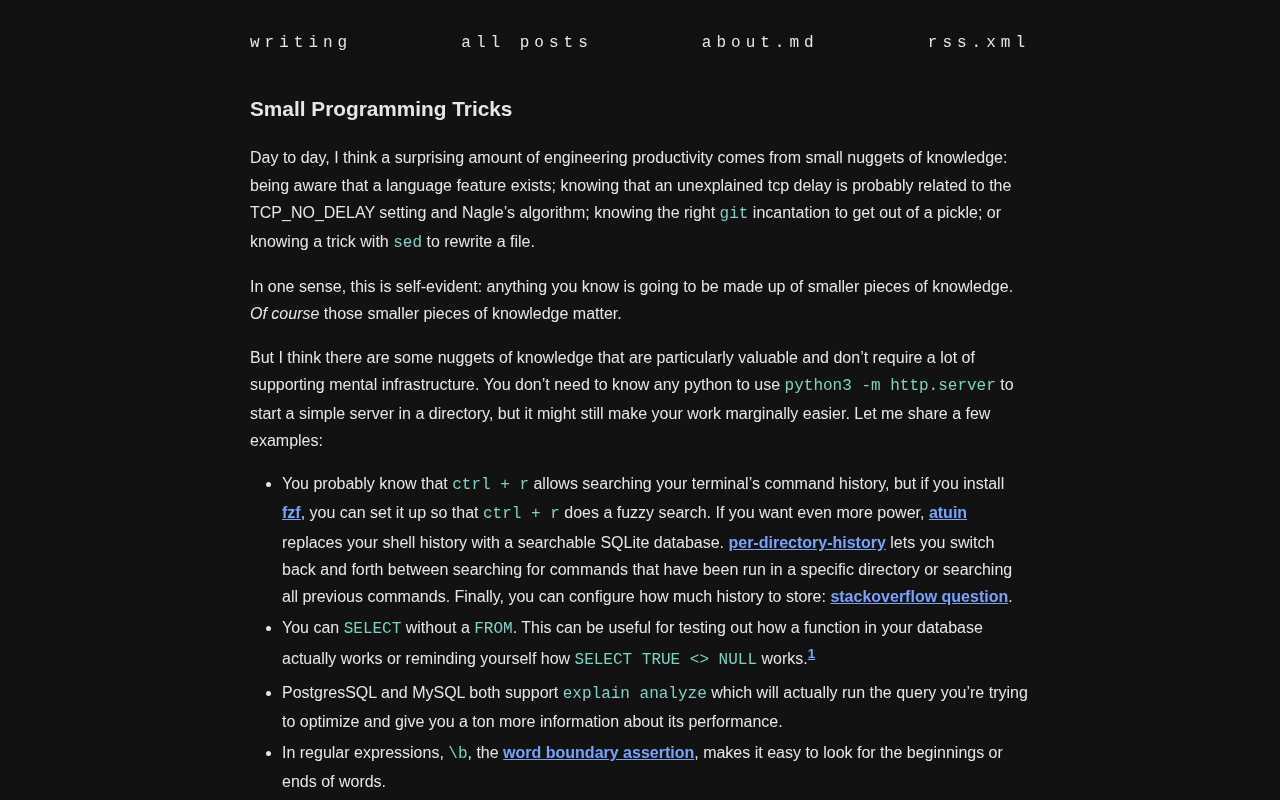
Small programming tricks compound into major productivity gains by reducing friction and context-switching costs.
Will Keleher's post *Small Programming Tricks Matter* and its lively Hacker News discussion highlight an underrated engineering truth: seemingly minor tricks have outsized impact through reduced context-switching, compounding efficiency, and fewer manual errors. Engineers tend to overvalue complex skills and undervalue high-frequency small tricks due to a bias that equates value with complexity. Community discussion also raises a valid counterpoint — over-optimizing workflows can become an "efficiency ritual" that crowds out real work. The takeaway: treat small tricks as a means, not an end, driven by genuine friction rather than novelty.
Introduction: Big Value in Small Tricks
In the world of software engineering, we tend to focus on grand architectural designs, system performance optimization, and team collaboration workflows — often overlooking the seemingly trivial programming tricks we pick up along the way. Yet it's precisely these small, everyday habits that frequently determine an engineer's real-world productivity and code quality.
In his blog post Small Programming Tricks Matter, Will Keleher makes a thought-provoking argument: small programming tricks are not optional embellishments — they're essential tools that can meaningfully boost development efficiency and reduce cognitive load. The post earned 268 points on Hacker News and sparked 147 comments of lively discussion, a clear sign that the topic resonates deeply with developers.
Why Small Tricks Are So Often Undervalued
As engineers grow in their careers, they're typically pushed to pursue "higher-order" skills — design patterns, distributed systems, algorithmic complexity. By comparison, skills like mastering command-line shortcuts, navigating editors efficiently, or knowing handy debugging tricks tend to be dismissed as "not advanced enough" and quietly ignored.
Underlying this dismissal is a cognitive bias: people tend to assume that value scales with complexity. But in practice, a small trick you use dozens of times a day can accumulate far greater returns than a complex solution you reach for only occasionally. When you reduce a five-step repetitive operation to a single step, you're not just saving time — you're preserving precious attention and mental bandwidth.
How Small Tricks Shape Daily Productivity
Reducing Context-Switching Costs
A programmer's work is deeply dependent on sustained focus. Every time you break your train of thought to look up a command, or manually complete something that could be automated, you're disrupting your flow state. Having the right tricks at your fingertips means more actions can be executed through muscle memory, keeping your attention where it actually belongs — on the problems worth thinking about.
Flow is a concept introduced by psychologist Mihaly Csikszentmihalyi, describing a state of complete immersion and heightened focus in an activity. Research shows that programmers typically need 15–20 minutes to reach deep concentration — and after an interruption, it takes an average of 23 minutes to return to the same level of focus. This means that a single avoidable interruption costs far more than the few seconds it takes. In cognitive science, this is known as "switching cost": it doesn't just eat up time, it also erases the problem context held in working memory. Once lost, rebuilding that mental thread is expensive. This explains why developers who are fluent with editor shortcuts and command-line autocomplete don't just feel faster — they feel smoother.
The Power of Compounding
Any single trick might save only a few seconds. But when you consider that programmers perform hundreds or thousands of small actions each day, those micro-efficiency gains compound significantly. Over a year, the output gap between an engineer who works fluidly and one who relies on clunky habits can be substantial.
Compounding efficiency has a classic quantitative framework in engineering circles: if a given action is performed 100 times per day and each instance saves 5 seconds, that adds up to roughly 50 hours saved per year — more than a full work week. This calculation, widely cited by engineers like Brett Slatkin when discussing tool ROI, uses the formula frequency × time saved × working days to evaluate the annualized return of a given trick. Efficiency gains also exhibit non-linear characteristics: when multiple small tricks work together, the combined effect often exceeds the sum of its parts, because reducing friction lowers psychological resistance and encourages further optimization.
Fewer Errors
At their core, many small tricks replace manual operations with automation or standardization. The more manual steps involved, the more opportunities for mistakes. By mastering reliable tricks, engineers maintain efficiency while reducing error rates — indirectly improving the quality of both code and deliverables.
Diverse Perspectives from the Community
The lively Hacker News discussion reveals a rich range of developer perspectives. Many strongly affirmed the value of small tricks, sharing their own insights on toolchains, shortcuts, and scripts. Others pushed back, arguing that an obsession with trick optimization can become an "efficiency ritual" trap — spending hours perfecting your workflow while crowding out time for actually solving core problems.
This tension points to a question of balance: small tricks are a means, not an end. The genuinely valuable approach is to naturally accumulate tricks in the course of real work — ones that deliver clear, tangible benefits — rather than optimizing for optimization's sake. When a trick consistently reduces daily friction, investing time to learn it is worthwhile.
The "efficiency ritual" trap is well known in developer circles by other names — "config-driven development" or, more tongue-in-cheek, "toolchain anxiety." The typical symptom: spending hours tweaking terminal themes, Vim plugins, or build scripts while the actual business code sits untouched. Behavioral psychology explains this as a form of self-deception where the feeling of preparation substitutes for the feeling of completion — optimizing your workflow delivers immediate gratification and a sense of control, while real work is harder and slower to reward. A simple diagnostic: if the time spent learning an optimization exceeds its estimated payback period, or if the motivation is novelty rather than a genuine daily pain point, be wary. This isn't an argument against tool optimization — it's a reminder to start from real friction, not from the tools themselves.
How to Effectively Build Up Programming Tricks
For developers looking to improve their engineering efficiency, a few directions are worth pursuing. Pay attention to operations that feel repetitive and tedious — they're usually the best candidates for optimization, since repetition itself is a signal for automation. Watch how experienced colleagues work; pair programming and code reviews are excellent settings for picking up practical tricks.
Also, make use of the powerful features already built into modern editors and terminals — most developers use only a fraction of what their tools offer. Develop the habit of jotting down useful tricks as you encounter them, building a personal knowledge base so that occasional discoveries don't get forgotten. Above all, adopt a mindset of gradual improvement: don't try to build a perfect workflow all at once. Just keep making small improvements in the course of daily work.
Conclusion
The significance of small programming tricks lies in the fact that they form the underlying texture of an engineer's daily work. They may never appear on a résumé or headline a tech talk, but this invisible foundation is what distinguishes fluency from fumbling, calm from chaos. As the original post's title puts it — small tricks really do matter. Rather than chasing only abstract, high-level concepts, it's worth equally valuing the small wisdoms you use every day: the ones that quietly and reliably make your work a little better.
Related articles
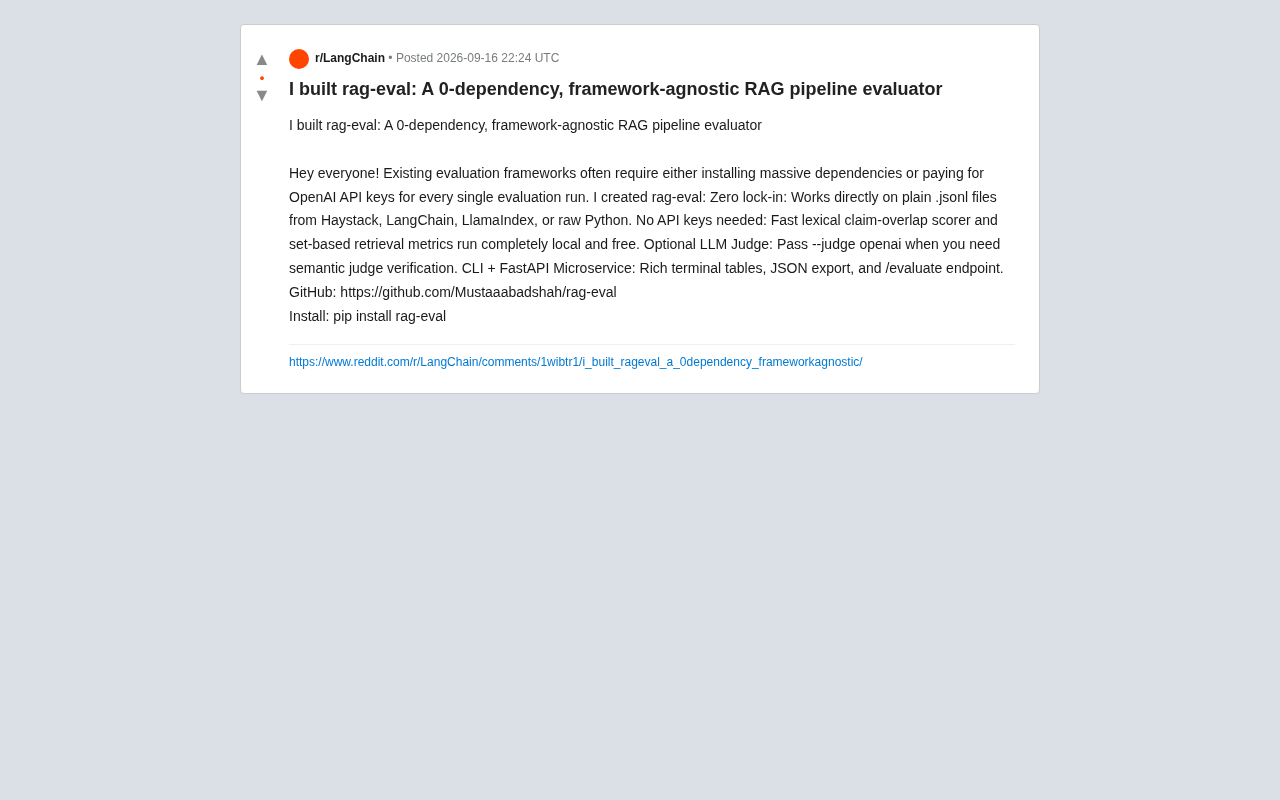
rag-eval: A Zero-Dependency, No-API-Key RAG Evaluation Tool
rag-eval is a zero-dependency, framework-agnostic open-source RAG pipeline evaluation tool. It supports free local lexical and retrieval metrics with no API keys required, and offers optional LLM Judge for semantic validation. Compatible with Haystack, LangChain, and LlamaIndex.
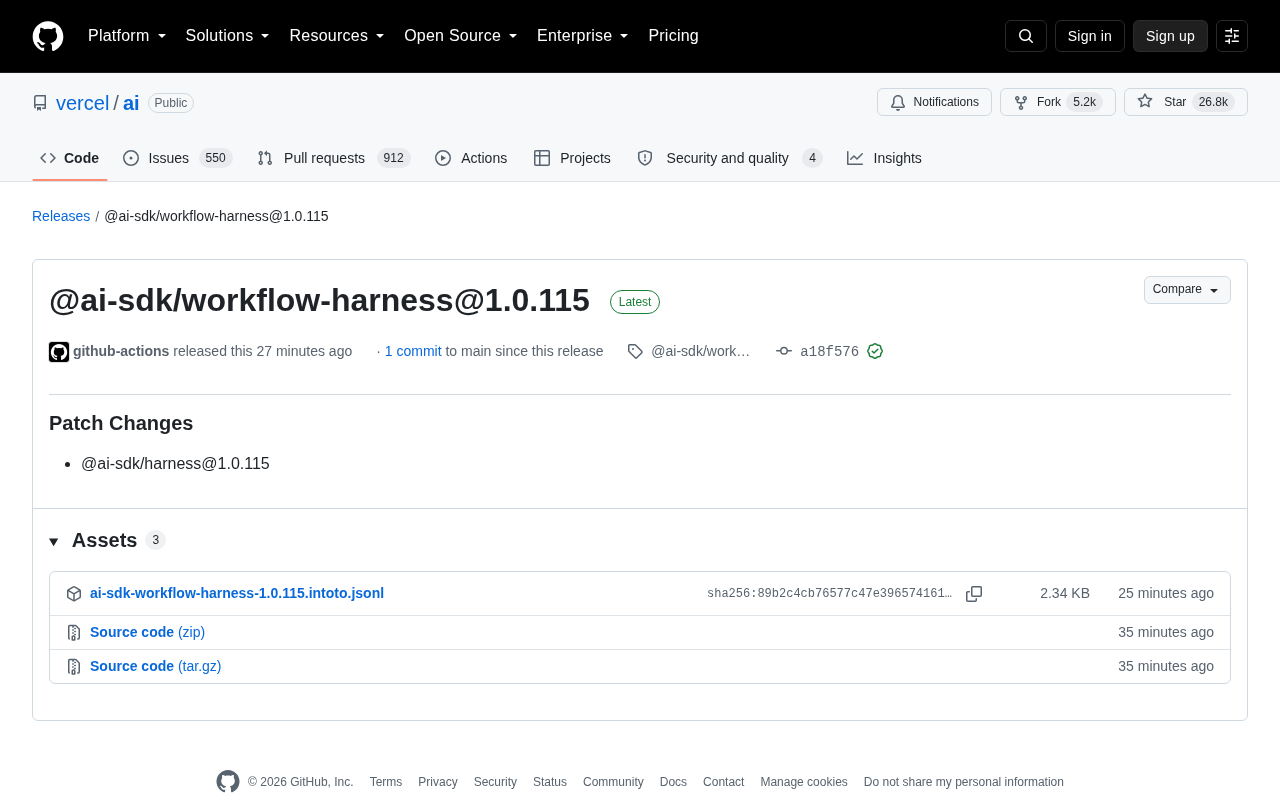
Vercel AI SDK Releases workflow-harness 1.0.115 Patch Update
Vercel AI SDK releases @ai-sdk/workflow-harness 1.0.115 patch update, syncing the @ai-sdk/harness dependency. Learn about the update, release mechanism, and what it means for developers.
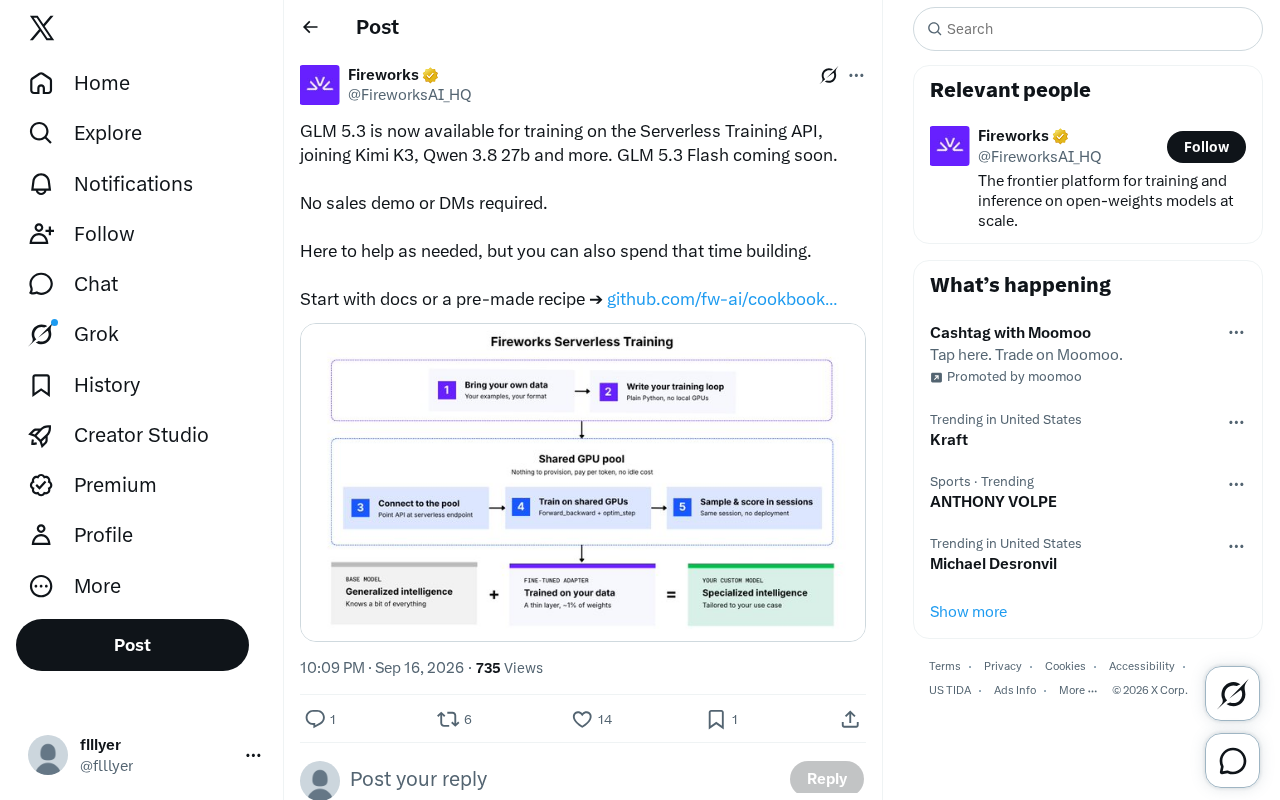
GLM 5.3 Now Available on Serverless Training API — No Sales Process Required
GLM 5.3 is now available on Serverless Training API alongside Kimi K3 and Qwen 3.8 27b. No sales process needed — start fine-tuning directly via docs or pre-made recipes.