Xreal 1S Video Glasses Drop to All-Time Low of $399
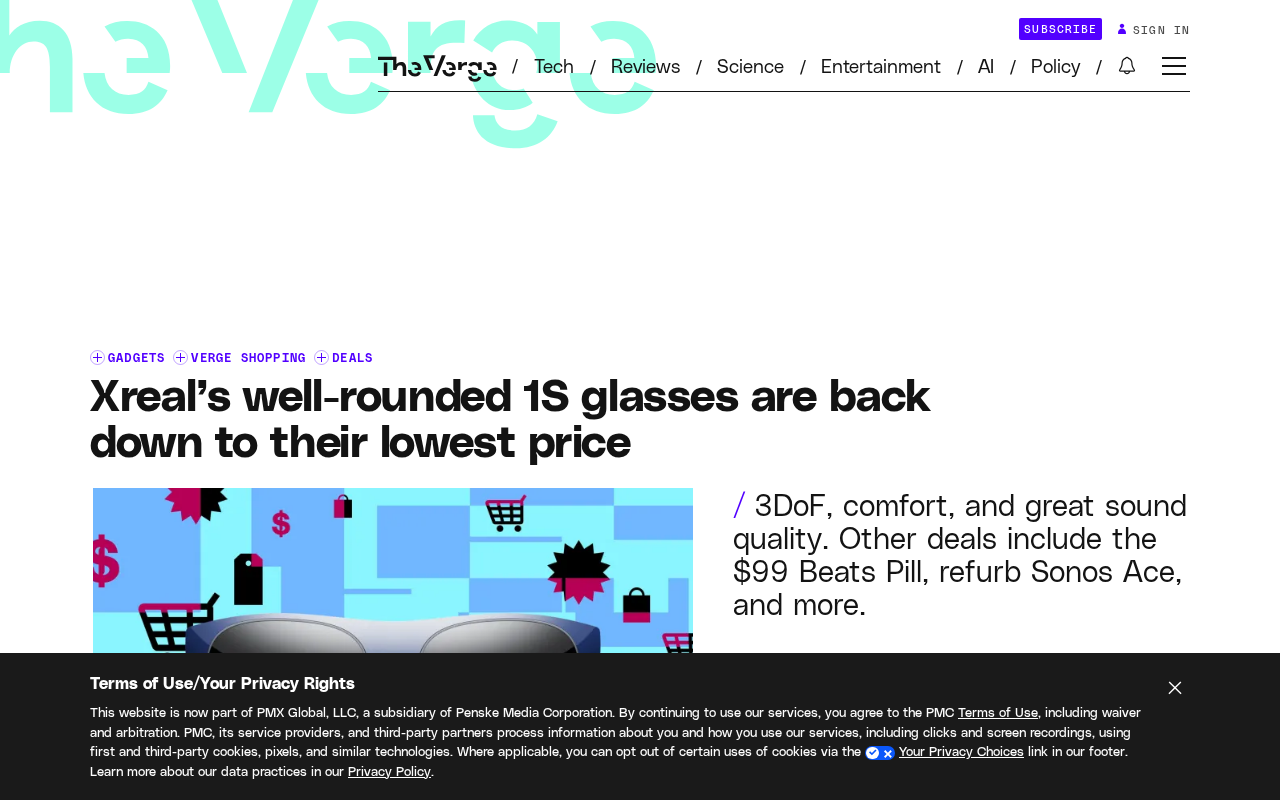
Xreal 1S USB-C video glasses hit an all-time low of $399 — $50 off — ideal for portable viewing and mobile productivity.
The Xreal 1S video glasses are now at their all-time low of $399 on Amazon and the official website, $50 off the regular price. These glasses connect via USB-C to laptops, handhelds, or phones, projecting an immersive virtual display ideal for gaming, entertainment, and mobile work. Widely regarded as one of the most balanced products in the category, the Xreal 1S delivers a solid combination of display quality, comfort, compatibility, and price with no major weaknesses. For users considering entry into this category, the current price offers a relatively low barrier — though real value depends on how often you need a portable screen.
USB-C video glasses are becoming an increasingly popular choice among gamers and multimedia enthusiasts. The pitch is straightforward: project your game footage, movies, or even your computer desktop onto a massive, deeply immersive virtual screen. Among the available options, the Xreal 1S has long been regarded as one of the most well-rounded products on the market.
All-Time Low Price
According to the latest deal information, the Xreal 1S has returned to its lowest price since launch — available at $399 on both Amazon and the Xreal official website, a $50 discount off the regular price.
For a video glasses product positioned as a balanced all-rounder, this price is quite compelling. Prices in the video glasses category have fluctuated significantly in recent years, and windows where products hit all-time lows don't come around often — making this a moment worth paying attention to for anyone considering a purchase.
What Can USB-C Video Glasses Actually Do?
The core experience of these glasses involves connecting them via a single USB-C cable to a device that supports video output — such as a laptop, handheld gaming console, or smartphone — and having the display rendered as a large virtual screen floating in front of you.
The advantages show up across several key scenarios:
Gaming
Whether you're playing console games or handheld titles, video glasses can scale up the image into a huge floating display in front of you, delivering a theater-like sense of immersion without taking up any physical space.
Entertainment
During commutes, business trips, or late-night viewing in bed, video glasses can replace a tablet or TV, offering a more private and larger viewing experience.
Mobile Productivity
Bringing your computer screen into your glasses means you can have a large virtual monitor even in cramped spaces — a real benefit for users who prioritize portability and multi-screen efficiency.
One important caveat: not every USB-C port supports video output. These glasses rely on DisplayPort Alt Mode — a protocol that allows the USB-C physical connector to simultaneously carry video signals, rather than being limited to data and charging only. Devices that support this mode include most modern Macs, Windows laptops with discrete GPUs, the Steam Deck, and select Android flagship phones. Apple iPhones with USB4/Thunderbolt specs can also be supported via an adapter. If your device's USB-C port doesn't support Alt Mode (common on some tablets or entry-level laptops), you'll need to purchase an additional converter or dock — something worth confirming before you buy.
Why "Balanced" Is the Right Word
The Xreal 1S is widely described as one of the most "balanced" products in the category. Being balanced typically means it strikes a good equilibrium between display quality, wearing comfort, compatibility, and price — rather than excelling in one dimension while falling short in others.
For first-time video glasses users, this well-rounded nature is actually more approachable — it lowers the cost of choosing and reduces the risk of disappointment. And when a product like this also hits an all-time low price, the value proposition becomes even more compelling.
Is It Worth Buying?
If you're currently on the fence about video glasses, the Xreal 1S's current $399 price point offers a relatively low barrier to entry. That said, it's worth noting that video glasses are fundamentally a display peripheral, and the actual experience depends heavily on your use case. If you frequently watch content on the go, game on a handheld, or work from varying locations, the value will be immediately tangible. Conversely, if you spend most of your time working or gaming in a fixed environment with large screens already available, the marginal benefit may be limited.
Overall, for the target audience, this price drop is a solid moment to pull the trigger.
Background Context
The video glasses market currently includes other notable players such as Rokid and Viture, each with different hardware priorities. Some products emphasize higher refresh rates or electrochromic lenses (adjustable tint to adapt to different ambient light levels), while others lead on diopter adjustment range or lighter headset weight. The "balanced" reputation of the Xreal 1S typically refers to its stable overall performance across 1080p resolution, 72Hz refresh rate, approximately 76° field of view, a lightweight 46g body, and broad device compatibility — with no glaring weaknesses. That combination is the core reason it has consistently appeared at the top of recommendation lists.
Related articles

AI Agent Developer Job Hunt Guide: Four Hard Standards to Clear Before You Apply
A practical guide for landing AI Agent developer roles: four measurable standards — project runs, problems debuggable, solution explainable, interviews survivable.
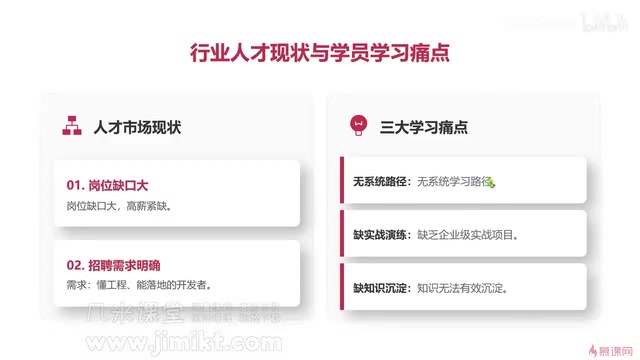
Multi-Agent Development Guide: From Monolithic AI to Team Collaboration in Practice
A beginner's guide to multi-agent development covering core advantages, common learning pain points, enterprise tech stacks, and engineering methodology for AI developers.

Agent Skill Routing: Retrieval vs. LLM vs. Two-Stage Architecture Compared
Retrieval or LLM for Agent skill routing? Compare coarse-filter vs. fine-select architectures on latency, accuracy, and cost — with 4 key production considerations.