Zella: A Mac/iPhone Screen Recorder That Edits Itself — Local Processing, No Subscription Required
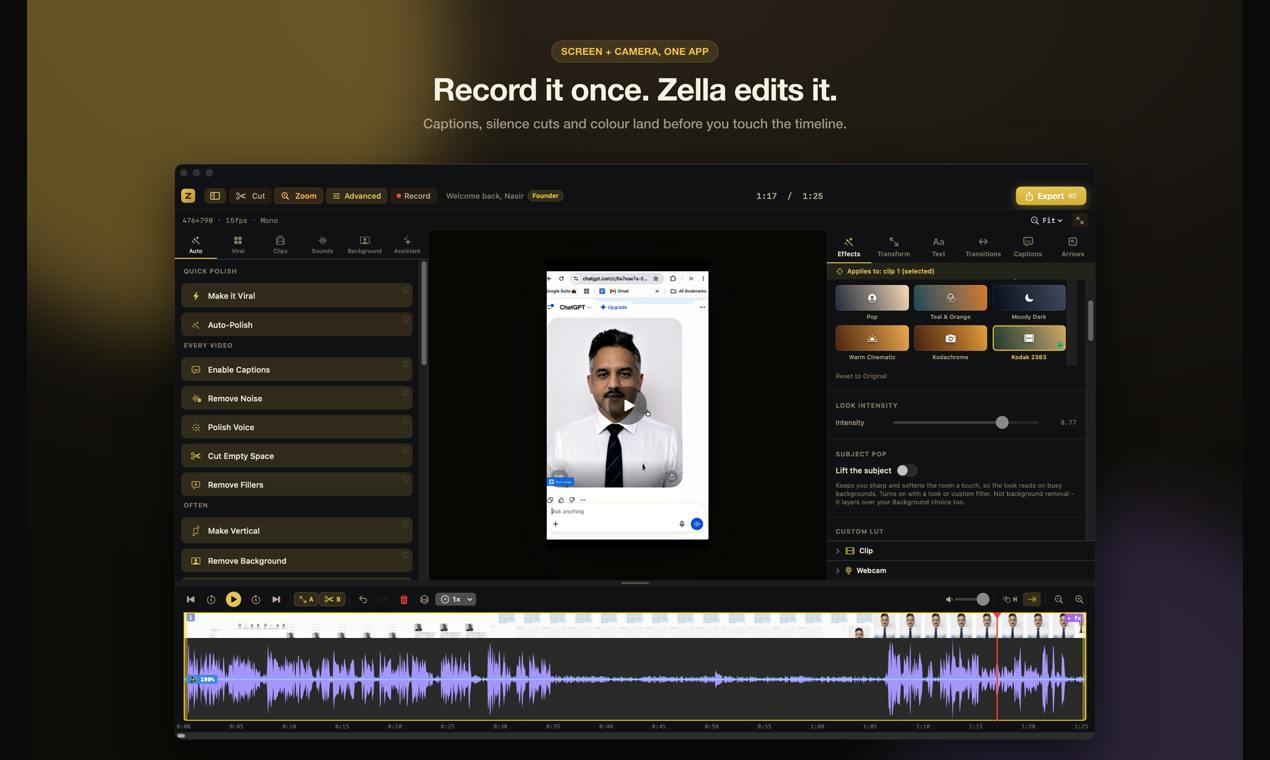
Zella records your screen and auto-edits it on-device — no uploads, no subscription, $89 one-time for Mac and iPhone.
Zella integrates screen recording and AI-powered auto-editing into a single workflow for Mac and iPhone, with all processing done entirely on-device — no account or cloud upload required. It offers two modes: Auto-Polish for captions, silence trimming, filler word removal, and noise reduction; and Make it Viral for rhythm edits, transitions, sound effects, and background music suited for social media. The base tier is free with no watermark at 1080p, while Pro is a one-time $89 purchase unlocking both platforms permanently. Local processing via Apple Silicon addresses both privacy concerns and subscription fatigue, achieving near-cloud-quality results without the ongoing cost.
In today's video-driven world, the tedious editing that follows screen recording often takes longer than the recording itself. Zella, which reached #8 on Product Hunt, merges "recording" and "editing" into a single action — it captures your screen or camera on Mac or iPhone, then polishes the video entirely on-device, with no uploads, no account, and no subscription required.
Core Value: Record Once, Get a Finished Video
Zella's most direct value lies in bridging the gap between raw recording and finished output. In a traditional workflow, you record with one app, import into an editor, manually cut dead footage, add captions, and handle transitions. Zella compresses all of this into a single click.
It offers two tiers of automated processing. Auto-Polish automatically generates captions, trims silent segments, removes filler words (like "um" and "uh"), adds zoom-in effects, and applies voice noise reduction. This mode targets users who need to quickly produce clean, clear videos — think tutorials, product demos, or internal presentations.
The more advanced Make it Viral mode builds on top of Auto-Polish by adding rhythm adjustments, transitions, sound effects, and background music beds, with the goal of turning an ordinary screen recording into a short-form video ready for social platforms. This tier is aimed at content creators and marketing teams looking to maximize reach on social media.
Local Processing: Solving Both Privacy and Cost
Zella's most noteworthy differentiator is that everything happens on-device. It explicitly emphasizes: nothing uploads, no account required — all AI processing runs directly on your Mac or iPhone.
This design addresses two real-world pain points. First, privacy: screen recordings involving internal demos, sensitive data, or personal content never have to touch a cloud server. Second, cost and reliability: local processing eliminates server compute expenses and removes dependency on network conditions. This also explains how the app can adopt such an aggressive pricing model.
It's worth noting that as Apple Silicon grows increasingly capable for on-device AI inference, running tasks like caption generation, voice noise reduction, and silence detection locally is becoming a genuinely viable and competitive technical approach. Zella is a concrete product built on this trend.
Apple Silicon's Neural Engine is the hardware foundation that makes all of this possible. Starting with the M1 chip, Apple integrated a dedicated 16-core Neural Engine into every system-on-chip, with peak throughput ranging from 15 to 38 trillion operations per second (TOPS) — and the A17 Pro in the iPhone 15 Pro offers similar specs. This allows inference tasks like Whisper-level speech-to-text, real-time noise reduction, and silence detection to run at high speed without burdening the main CPU, keeping both power consumption and latency within acceptable limits. This is a fundamental departure from five years ago, when "local AI" was nearly synonymous with "slow and low quality" — on-device inference for specific tasks now approaches the quality of cloud API results.
Pricing: One-Time Purchase vs. Subscription Fatigue
In an era of ubiquitous SaaS subscriptions, Zella takes the opposite approach. It offers a free, watermark-free 1080p base tier that covers most casual use cases.
The paid Pro version uses a one-time $89 purchase that unlocks both the Mac and iPhone apps permanently — no monthly billing. For users who regularly need screen recording and editing, this perpetual license model typically wins on total cost compared to subscriptions, and it directly targets the growing "subscription fatigue" many users feel today.
The combination of a free, watermark-free tier plus a one-time buyout essentially converts the server costs saved by local processing into a more user-friendly price point — creating a clear distinction from cloud-based subscription competitors.
"Subscription fatigue" is a consumer psychology phenomenon that has been widely discussed in the SaaS market in recent years. After tools like Adobe, Figma, and Loom fully shifted to subscription models, the cumulative monthly software costs for ordinary users often exceeded expectations, fueling renewed interest in perpetual licenses. While perpetual licensing puts more cash flow pressure on developers and requires new features to drive repeat purchases, it gives users predictable total costs and worry-free long-term access. Zella converts the operational savings from local processing directly into a pricing advantage — forming a clear moat against cloud-based subscription competitors like Loom and Descript, whose monthly fees typically run $8–15, meaning two years of use already exceeds the $89 buyout price.
Who Should Use Zella
Based on its feature set, Zella has a clearly defined target audience:
- Tutorial and educational creators: Those who frequently record their screen and need to quickly produce polished, captioned videos.
- Product and marketing teams: Teams creating demo videos and feature walkthroughs that have privacy requirements.
- Social media short-form creators: Those who want to quickly apply rhythm edits, sound effects, and music using Make it Viral.
- Privacy-conscious individuals: Anyone who doesn't want their content passing through any cloud service.
Wrap-Up
Zella's approach isn't complicated, but it's well-targeted: combine recording and editing into one step, use on-device AI to eliminate manual work in between, and address privacy and subscription concerns with a "local processing + perpetual license" model. Earning 83 upvotes and landing at #8 on Product Hunt suggests this combination genuinely resonates with a real segment of users.
Of course, as a newly launched product, its actual editing quality, local AI processing speed, and ability to handle complex footage still need to be validated through real-world use. But conceptually, Zella sends a clear signal: as on-device AI matures, more and more creative tools that once depended on the cloud are bringing their capabilities back onto users' own devices.
Related articles
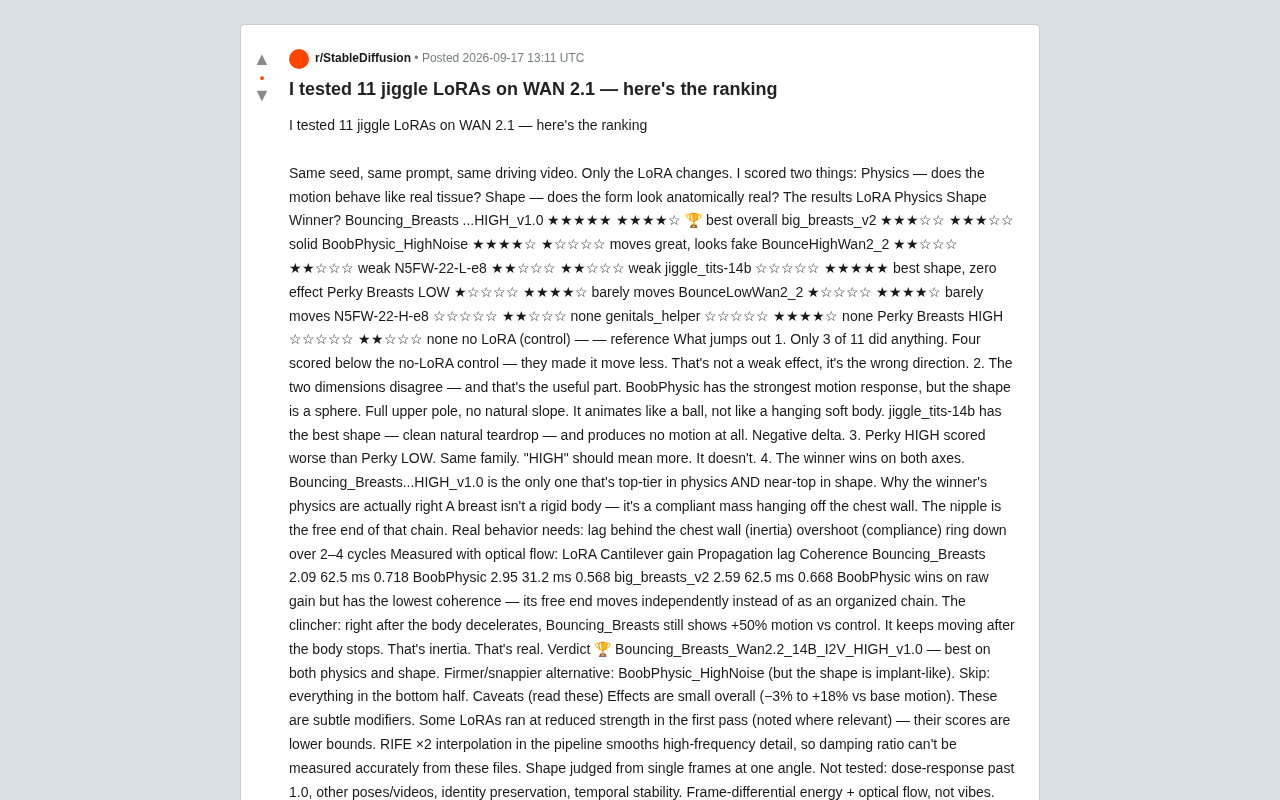
WAN 2.1 Physics Motion LoRA Benchmark: Rankings and Methodology for 11 Models Tested
A Reddit user benchmarked 11 physics-motion LoRAs on WAN 2.1 using optical flow analysis. Only 3 worked meaningfully; 4 scored below the no-LoRA baseline. Full rankings and methodology inside.
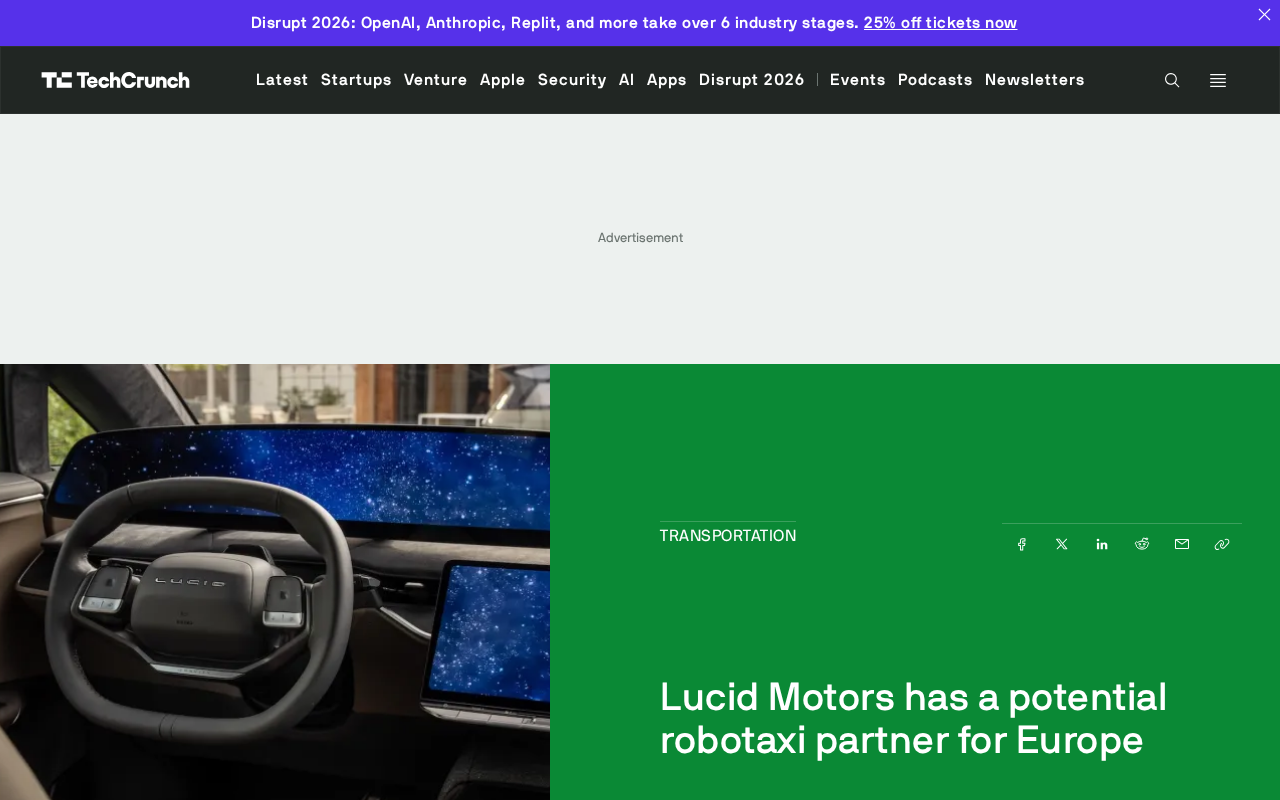
Lucid Partners with Bolt to Target European Robotaxi Market
Lucid Motors has signed a letter of intent with European mobility platform Bolt to explore Robotaxi services in Europe, though no vehicle orders have been placed yet.
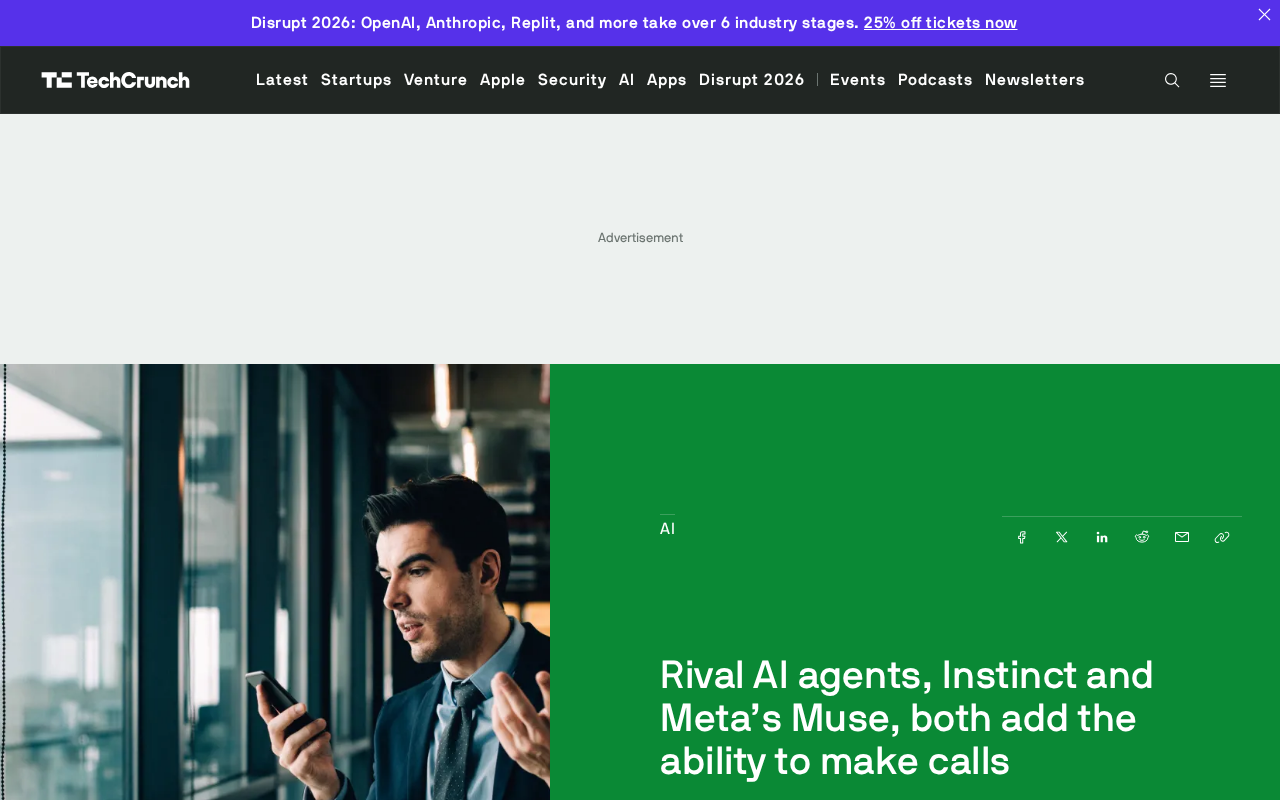
AI Assistants Enter the "Phone Call" Era: Instinct and Meta Muse Add Voice Task Execution
AI assistants Instinct and Meta Muse now make phone calls on your behalf — booking restaurants, canceling subscriptions — marking a leap from chat tools to real-world agents.