ZeroClick: The New Kind of Store That Sells to AI Agents
ZeroClick turns APIs into AI-agent-readable storefronts, betting on the rise of agentic commerce infrastructure.
ZeroClick is a new platform built for agentic commerce, packaging business APIs and products into digital storefronts that AI agents can autonomously discover, evaluate, and purchase from. It bundles payment settlement, pricing controls, and transaction tracking into one tool, with a free-to-start model and hands-on setup support. The core thesis: as AI assistants increasingly make purchasing decisions on behalf of users, being discoverable by agents becomes the new search engine ranking. Key hurdles remain — autonomous agent spending is still nascent, programmatic payment security needs proving, and no industry-wide interaction standards exist yet. ZeroClick's Product Hunt debut with 120 upvotes marks an early stake in the question of how commerce infrastructure must be rebuilt when the buyer is no longer human.
When the Buyer Is an AI Agent
E-commerce has always been built around human buyers: web pages, buttons, shopping carts, checkout flows — all designed for human eyes and hands. But as AI agents increasingly take over tasks like making purchases and calling services on behalf of users, a new question emerges: when the entity initiating a transaction is no longer a person but an autonomously running program, how does a merchant get discovered and close a deal?
ZeroClick, a new tool that launched on Product Hunt, targets exactly this gap. Its positioning is blunt and bold: Sell your product to AI agents. It earned 120 upvotes and 10 comments on launch day, ranking 10th, and was categorized under Payments, Developer Tools, and Artificial Intelligence.
An AI agent is an AI program capable of perceiving its environment, planning autonomously, and executing multi-step tasks — distinct from a standard chatbot that only handles single-turn conversations. Next-generation agents like OpenAI's Operator and Anthropic's Claude can already autonomously browse websites, fill out forms, call APIs, and complete real transactional tasks like booking tickets or ordering food. This means a significant share of future online commerce could be handled by software proxies rather than users themselves.
What ZeroClick Is Trying to Solve
According to its official description, ZeroClick helps businesses transform their APIs or products into a storefront that AI agents can discover and purchase from directly. It bundles three capabilities into a single platform:
- Payments: enabling agents to complete actual transaction settlements;
- Pricing controls: allowing merchants to set and manage prices specifically for agent-driven purchases;
- Transaction tracking: recording and monitoring every purchase initiated by an agent.
In other words, ZeroClick is attempting to rebuild the traditional e-commerce stack — product listing, pricing, payment, and reconciliation — for machine buyers. For developers, rather than burying an API in documentation and waiting for someone to integrate it manually, ZeroClick packages it into an entry point that agents can actively search, compare, and purchase from.
The product follows a free-to-start model and offers hands-on assistance to help merchants with initial setup, lowering the barrier for early experimentation.
Why This Direction Is Worth Watching
ZeroClick's emergence taps into a forming trend: agentic commerce. As more consumption and procurement decisions are delegated to AI assistants, "who can be discovered by an agent" becomes the new equivalent of "who ranks at the top of a search engine" — a battle over the next generation of traffic entry points.
For the API economy, this represents a paradigm shift. Today, API integration is largely human-driven: developers read documentation, apply for API keys, and write integration code. In an agent-dominated world, services need machine-readable pricing, automated payment flows, and auditable transaction records — ZeroClick bundles these capabilities together, essentially laying infrastructure for machine-to-machine commerce.
The API Economy refers to the commercial ecosystem that emerges when businesses expose their capabilities as reusable services via APIs, available to external developers or systems. Stripe's payment API, Twilio's SMS API, and OpenAI's model API are classic examples. Today, the primary participants in the API economy are still human developers who read docs, request access, and write integration code. What ZeroClick points toward is a world where AI agents bypass human developers entirely — reading service capabilities directly, negotiating pricing, and completing settlement — which places entirely new demands on how APIs are exposed and how they charge for usage.
Real-World Challenges and Things to Watch
The direction is novel, but execution still has plenty to prove.
Heavy ecosystem dependency: The value of this kind of platform depends heavily on adoption from the agent side. A merchant storefront only matters if mainstream AI agents actually develop the behavior of "going somewhere to discover and buy services." Autonomous agent-driven spending is still in its infancy, and the scale of demand remains to be seen.
Trust and security: Letting software autonomously complete payments means solving identity verification, spending limits, fraud prevention, and more. ZeroClick's pricing controls and transaction tracking are a start, but with real money moving through the system, the maturity of its security mechanisms will be the critical test.
The standards race: How agents "discover" products, negotiate prices, and settle payments has no unified standard yet. Whether ZeroClick builds its own proprietary protocol or can plug into whatever industry standards eventually emerge will significantly affect its long-term competitiveness.
On the topic of missing industry standards, a few early explorations are worth noting. Anthropic's Model Context Protocol (MCP) attempts to standardize communication between agents and external tools; payment players like PayPal have begun exploring payment authorization protocols designed for agents. None of these efforts have converged into a unified standard yet, but they signal that the battle over foundational protocols for machine-to-machine commerce has already begun. For early players like ZeroClick, betting on a proprietary protocol versus waiting for industry standards to settle is a critical strategic choice.
Takeaway
ZeroClick represents a forward-looking product thesis: rather than optimizing the experience of humans ordering from machines, it treats machines as the end buyer and builds directly for them. It integrates payments, pricing controls, and transaction tracking into a single AI-agent-facing storefront, with a free-to-start model and hands-on onboarding support — staking out territory in the early days of agentic commerce.
Whether this bet pays off depends on when AI agents' autonomous spending evolves from concept to scale. But one thing is certain: when the buyer is no longer human, commercial infrastructure needs to be reinvented from the ground up. ZeroClick is a notable early attempt in that direction.
Related articles
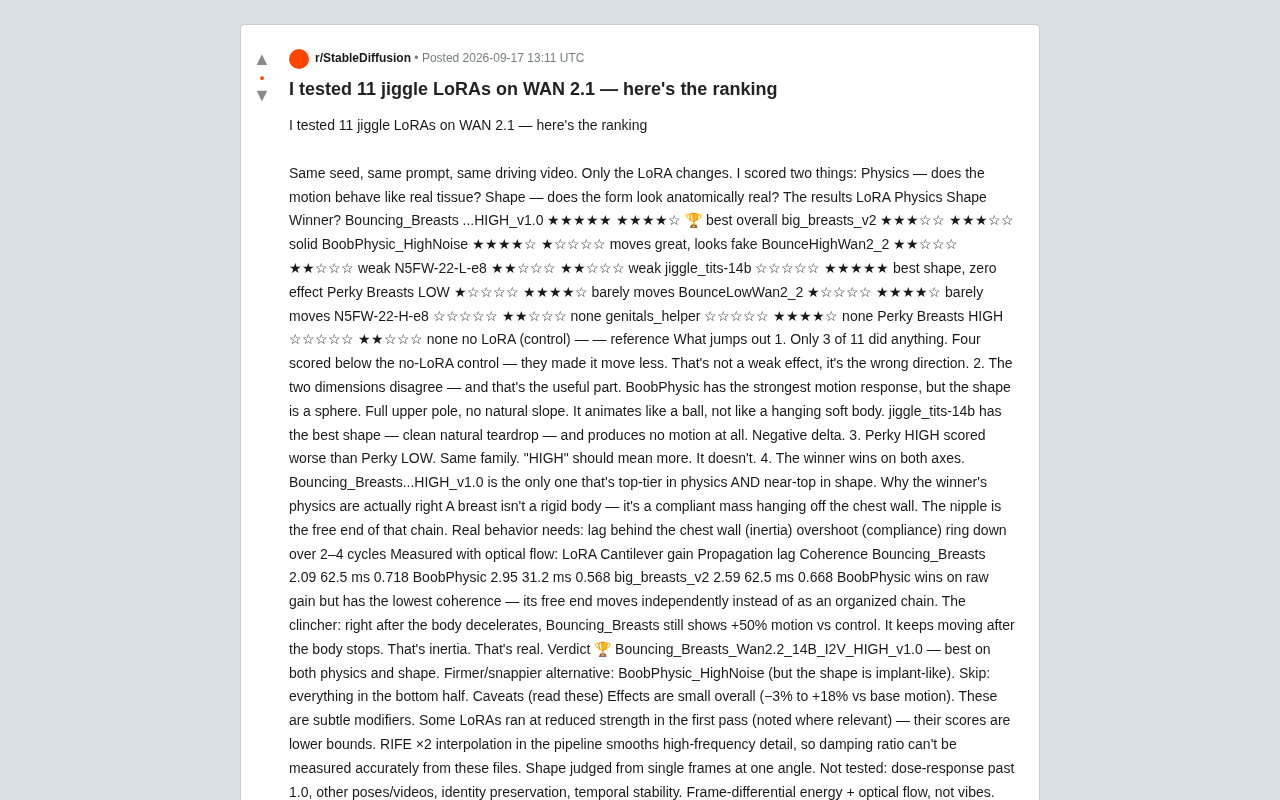
WAN 2.1 Physics Motion LoRA Benchmark: Rankings and Methodology for 11 Models Tested
A Reddit user benchmarked 11 physics-motion LoRAs on WAN 2.1 using optical flow analysis. Only 3 worked meaningfully; 4 scored below the no-LoRA baseline. Full rankings and methodology inside.
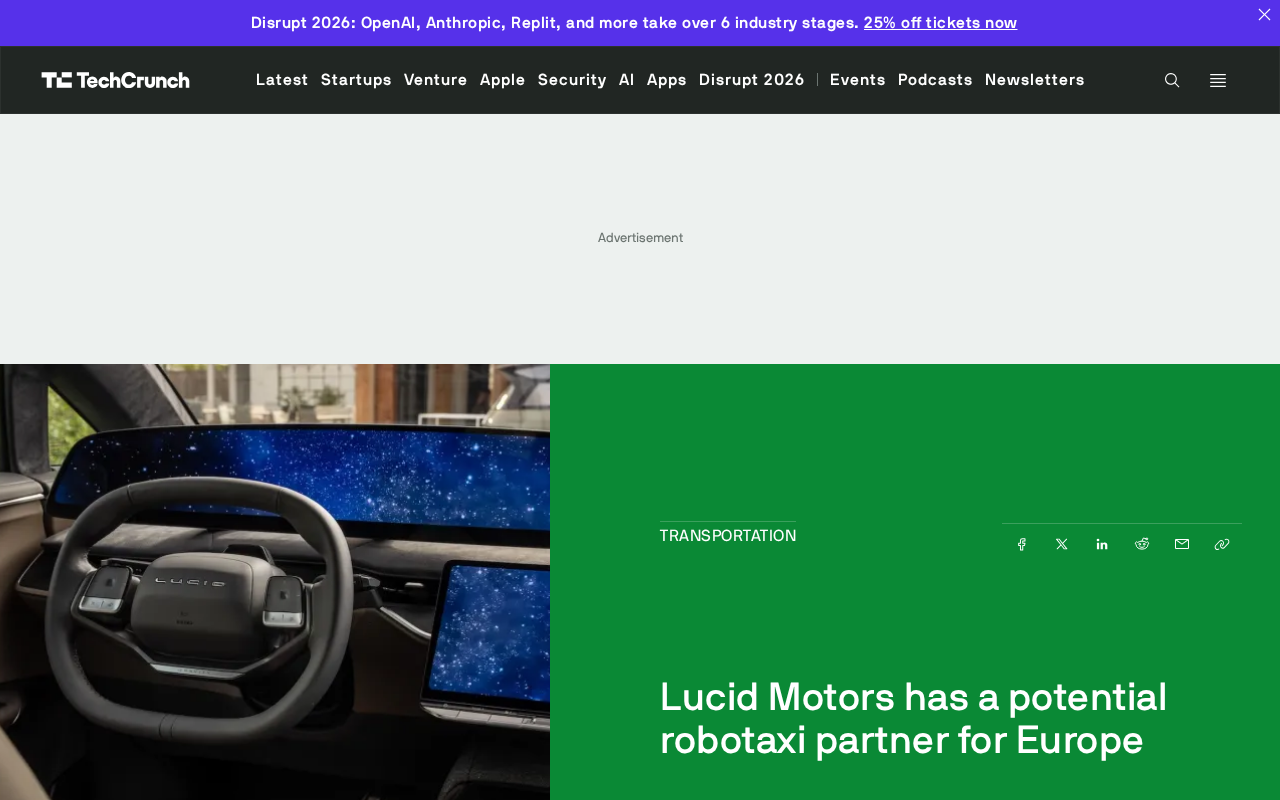
Lucid Partners with Bolt to Target European Robotaxi Market
Lucid Motors has signed a letter of intent with European mobility platform Bolt to explore Robotaxi services in Europe, though no vehicle orders have been placed yet.
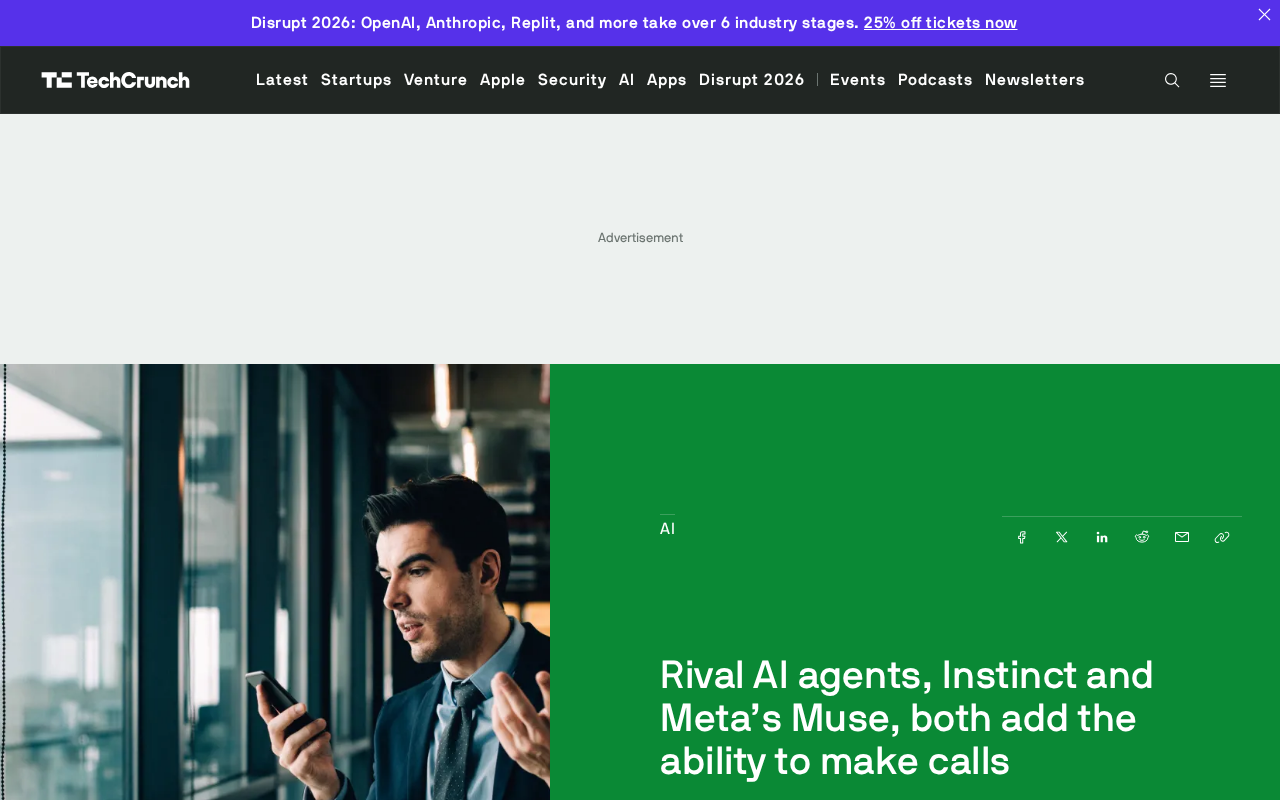
AI Assistants Enter the "Phone Call" Era: Instinct and Meta Muse Add Voice Task Execution
AI assistants Instinct and Meta Muse now make phone calls on your behalf — booking restaurants, canceling subscriptions — marking a leap from chat tools to real-world agents.