#DevOps CI/CD
227 related articles

·3 min
AI Quadruples Code Output — Why Traditional Code Review Is Dead
AI coding tools quadruple code output, but review time surges 441% and defect rates jump from 9% to 54%. Learn why traditional Code Review fails and how to fix it with layered review and AI-reviews-AI strategies.
Read more →

·3 min
The Complete Skill Map for AI Application Engineers: A Progressive Roadmap from Fundamentals to Production
A systematic breakdown of the complete skill structure for AI application engineers, covering Python & deep learning fundamentals, small model engineering, LLM fine-tuning, Agent development, and enterprise projects.
Read more →
·4 min
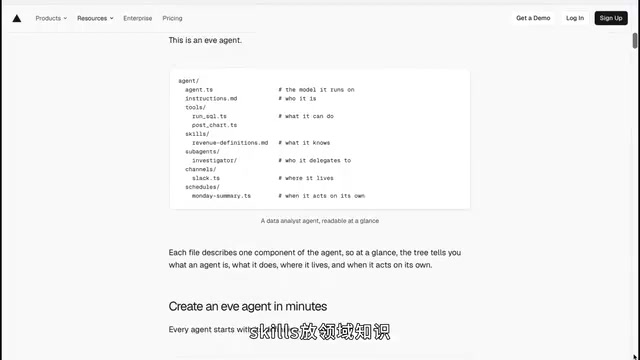
Deep Dive into Six AI Development Tools: Loop Recipe Library, Vercel Agent Framework, and More
Deep analysis of Loop workflow recipes, Vercel's open-source Agent framework, Pyker AI-native project management, Arrow P2P tool, DBX database client, and NVIDIA's Skill Spectre security tool.
Read more →

·3 min
Deep Dive into the 198-Page Codex Chinese Manual: A Complete Guide from Beginner to Advanced
Deep breakdown of ByteDance's internal 198-page Codex Chinese manual covering installation, Commands, MCP workflows, Skills templates, multi-Agent collaboration, and background task scheduling.
Read more →

·3 min
In-Depth Guide to the Codex Chinese Manual: A Complete Walkthrough from Beginner to Advanced
In-depth breakdown of ByteDance's 198-page Codex Chinese manual covering installation, Commands, MCP workflows, Skills templates, and multi-Agent collaboration.
Read more →

·3 min
6 Must-Have MCPs for Claude Code: Upgrade It to a Full AI Development Workstation
6 essential MCPs for Claude Code: Playwright, File System, Sequential Thinking, Context7, GitHub, and Memos — upgrade your AI coding assistant into a complete development workstation.
Read more →

·2 min
Devin Review Security Audit Feature Explained: How AI Code Review Detects Deep Security Vulnerabilities
Devin Review adds AI security audit to auto-detect auth bypasses, logic flaws & deep vulnerabilities in every PR, with full remediation from finding to fix.
Read more →

·3 min
Claude Code Workflow in Action: 68 Sub-Agents Working Concurrently
Hands-on test of Claude Code's Workflow mode with 68 concurrent sub-agents. Covers setup, write-review separation, real concurrency results, and token costs.
Read more →

·4 min
A Practical Guide to Loop Engineering: Pain Points and Solutions in Automated AI Coding Workflows
Deep dive into Loop Engineering: core mechanisms, three major pain points (reliability, cost, context bloat), and Harness workflow solutions including mixed model strategies and Human in the Loop.
Read more →

·3 min
New Book Breakdown: "Claude Code in Practice: The Way of Harness Engineering" — Master AI Programming Engineering in Ten Chapters
Deep breakdown of the new book on Claude Code engineering, covering Harness concepts, four-layer architecture, five-layer memory, sub-agents, hooks, MCP protocol, and CI/CD integration.
Read more →

·3 min
Setting Up GitHub Actions CI for ESP32 Projects: Automated Testing on Every Push with AI
Learn how to set up GitHub Actions CI for ESP32 projects using AI. Leverage ESP-IDF's Linux native testing to automatically compile and run unit tests on every push.
Read more →

·4 min
Codex Hands-On Tutorial: From Installation and Configuration to Enterprise-Level Project Development
A complete guide to OpenAI Codex covering installation, CLI interaction, agents.md design, Rules governance, MCP protocol integration, and multi-agent collaboration, with a hands-on RAG customer service project.
Read more →

·4 min
Ponytail: The Lazy Philosophy That Teaches AI to Write 90% Less Code
Deep dive into how GitHub's trending project Ponytail uses YAGNI principles, NCP protocol, and declarative scheduling to constrain AI coding assistants, cutting 90% of redundant code.
Read more →

·4 min
Anthropic Dynamic Workflows Explained: When to Use Them and Pitfalls to Avoid
Deep dive into Anthropic Dynamic Workflows: core mechanisms, differences from single Agent and Sub-Agent patterns, and a decision tree for when to use them vs. when to avoid burning tokens.
Read more →

·3 min
Getting Started with Claude Code: A Five-Dimensional Analysis of the New AI Programming Paradigm
Explore 5 key differences between Claude Code and traditional AI chat tools, covering interaction, context, execution, memory, and tool integration for developers.
Read more →

·4 min
Harness Engineering in Practice: Integrating AI-Driven Development into Enterprise Workflows
A deep dive into Harness Engineering methodology — from Prompt Engineering to Context Engineering to Harness Engineering — covering enterprise setup, Skill systems, and pipeline-style AI programming.
Read more →

·3 min
Harness Engineering in Practice: Building an Enterprise E-Commerce System with Claude Code — A Complete Walkthrough
A deep dive into Harness Engineering for AI programming, from concept to implementation. Build an enterprise Java e-commerce system using Claude Code with Skill-driven AI development pipelines.
Read more →

·3 min
Codex CLI vs. Desktop App: Choosing the Right Dev Mode by Task Type
In-depth comparison of Codex CLI vs. desktop app capabilities, analyzing the best choice for large projects, multi-file refactoring, quick bug fixes, and more.
Read more →

·3 min
Hands-On with Tencent Cloud ADP 4.0: How an Enterprise-Grade Agent Development Platform Tackles the Agent Commercialization Challenge
Hands-on review of Tencent Cloud ADP 4.0: testing its full-lifecycle Agent management — from rapid creation and enterprise integration to automated evaluation and Skill governance for real-world deployment.
Read more →

·2 min
DeepSeek GUI Hands-On Review: How Powerful Is This Cache-First Local AI Coding Assistant?
Hands-on review of DeepSeek GUI's full agent workbench: KUN local runtime, cache-first architecture, task scheduler, and Token cost advantages for developers.
Read more →