#LangChain 1.0
45 related articles

·6 分钟
LangChain 1.0 Comprehensive Guide: Three Core Frameworks and Hands-On AI Application Development
Deep dive into LangChain 1.0's architecture: LangChain framework, LangGraph multi-Agent orchestration, and LangSmith observability platform, with hands-on RAG and intelligent customer service projects.
阅读全文 →
 教程攻略
教程攻略·2 分钟
LangChain 1.0 Complete Guide: Architecture, Core Modules, and Learning Path
Deep dive into LangChain 1.0's three-layer architecture (LangChain, LangGraph, Deep Agents), core components like Models, Tools, and Memory, plus a complete learning path from semantic search to multi-agent collaboration.
阅读全文 →

·5 分钟
Opus 5 Builds a No Man's Sky-Style Exploration Game in One Day: MCP and Sub-Agent Architecture Explained
A developer used Anthropic's Opus 5 model to build a No Man's Sky-style space exploration game in one day using Blender MCP and sub-agents. Deep dive into the technical architecture and industry implications.
阅读全文 →
·4 分钟
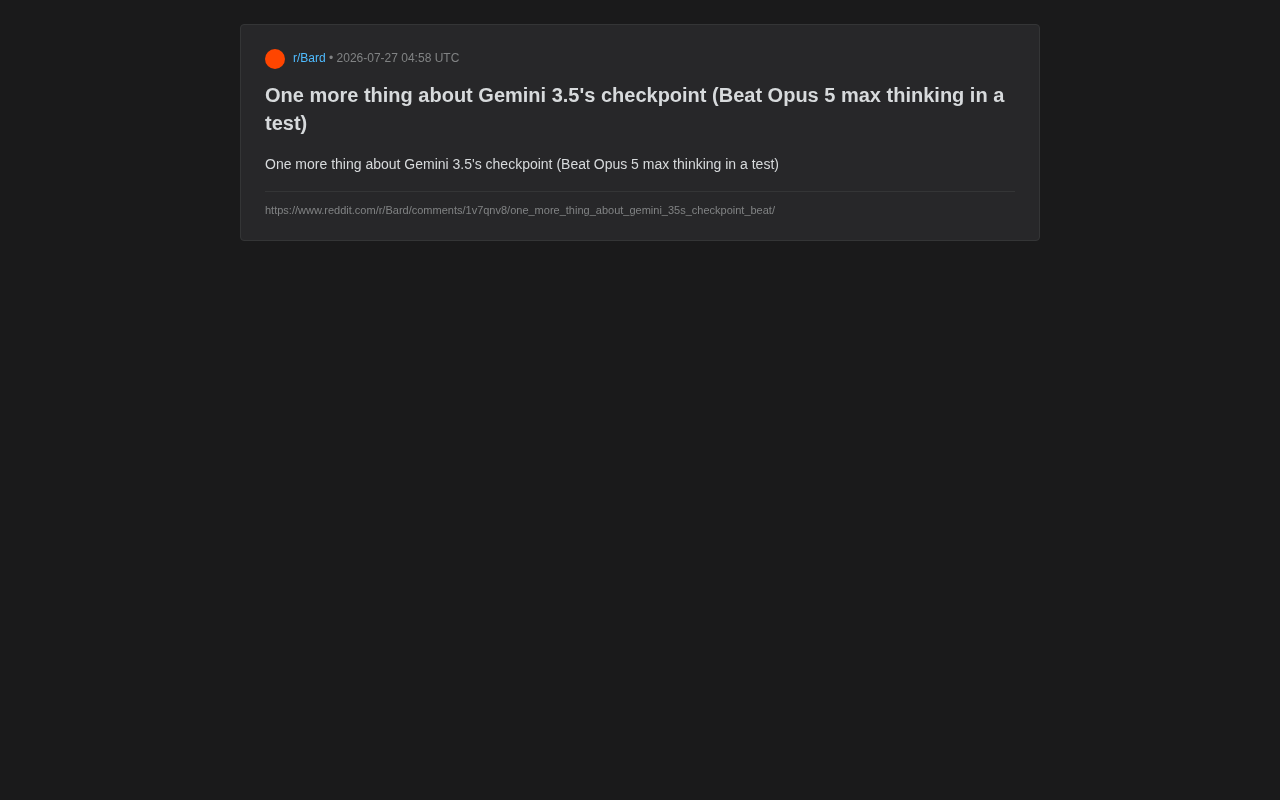
Gemini 3.5 Checkpoint Leaked: Intermediate Version Reportedly Outperforms Opus 5 in Testing
Reddit leaks suggest a Google Gemini 3.5 intermediate checkpoint outperformed Claude Opus 5 max thinking in testing. We analyze what checkpoints mean, benchmark credibility, and the LLM competition landscape.
阅读全文 →

·4 分钟
How Should Legal Education Transform in the AI Era? A Complete Guide from Curriculum Reform to Talent Development
Generative AI is profoundly disrupting the legal profession. This article explores AI's impact on law, law school curriculum reform, and the core competencies future lawyers need, including critical judgment, AI proficiency, and ethical literacy.
阅读全文 →

·4 分钟
Spring AI 2.0: Five Key Updates Explained — Marching Toward the Age of AI Agents
Spring AI 2.0 brings five core updates: mandatory upgrade to Spring Boot 4, Tools parsing moving up, a built-in Agentic mechanism, MCP switching to Streamable HTTP, and an on-demand tool Advisor.
阅读全文 →

·4 分钟
Spring AI 2.0 Explained: Five Key Updates Ushering in the Age of AI Agents
Spring AI 2.0 brings five core updates: mandatory Spring Boot 4 upgrade, Tools parsing moved up, built-in Agentic mechanism, MCP switch to Streamable HTTP, and on-demand tool-loading Advisor.
阅读全文 →

·4 分钟
Spring AI 2.0: Five Key Updates Explained — Stepping into the Agent Era
Spring AI 2.0 brings five core updates: mandatory upgrade to Spring Boot 4, lifted Tools parsing, built-in Agentic mechanism, MCP switch to Streamable HTTP, and an on-demand tool-loading Advisor.
阅读全文 →

·4 分钟
Spring AI 1.0 Practical Guide: A Java Developer's Fast Track to Building AI Applications
Spring AI 1.0 is here — Java developers can now build AI apps without switching to Python. This guide covers LLM integration, RAG, intelligent customer service, and Agent patterns for enterprise deployment.
阅读全文 →
·7 分钟
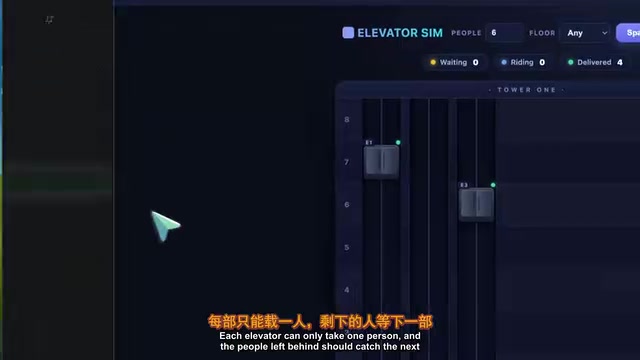
Qwen3 235B A22B in Practice: A 2.4-Trillion-Parameter Open Model Surpasses Claude Opus
Hands-on with Alibaba Tongyi Qianwen's strongest Qwen3: a 2.4-trillion-parameter open weight model scoring 81.25% on KingBench, ranking second and beating Claude Opus 4.8 with perfect scores in game dev, math, and agent tasks.
阅读全文 →

·7 分钟
Dify Local Deployment Guide: Full Walkthrough with BT Panel + Docker
A step-by-step guide to locally deploying the Dify open-source AI platform using BT Panel on a VMware virtual machine, covering Ubuntu setup, Docker config, and image pull troubleshooting—beginner-friendly.
阅读全文 →

·7 分钟
Dify Local Deployment in Practice: A Complete Guide with BT Panel + Docker
A step-by-step guide to locally deploying the open-source Dify AI platform using the BT Panel on a VMware virtual machine—covering Ubuntu setup, Docker config, and image pull troubleshooting.
阅读全文 →

·3 分钟
AI Development for Java Engineers: A Complete Guide to LangChain4j Agents
Java developers can build AI apps too! Learn LangChain4j fundamentals including RAG, Agents, Function Calling, and hands-on projects — no Python required.
阅读全文 →

·3 分钟
Agent Infinite Loop Engineering Guide: Detection, Breaking, and Root Cause Analysis
How to handle Agent infinite loops? This guide covers three-layer loop detection, four strategy-switching techniques, root cause analysis, and multi-layer fallbacks for building stable, production-grade Agent systems.
阅读全文 →

·2 分钟
Spring AI in Action: A Complete Guide to LLM Integration for Java Developers
Spring AI is Java's answer to LangChain — offering unified multi-model APIs, structured output, RAG, Tool Calling, and MCP protocol support for enterprise LLM development.
阅读全文 →

·4 分钟
LangChain in Practice: Mastering the Four Core Modules of the Agent Ecosystem
A deep dive into LangChain's four core modules: LangChain components, LangGraph orchestration, Deep Agents, and LangSmith. Build your first Agent from scratch.
阅读全文 →

·3 分钟
Complete Guide to LangChain 1.3: From Models and Agents to DeepAgent Architecture
A complete guide to LangChain 1.3: LLM invocation, Agent tool calling, Harness architecture, LangGraph, RAG, and DeepAgent — build a clear, modern Agent development knowledge base.
阅读全文 →

·3 分钟
AgentScope 2.0 Deep Dive: Six Core Upgrades for Production-Grade Multi-Agent Development
AgentScope 2.0 by Alibaba's Tongyi Lab delivers six major upgrades: typed event streaming, dangerous instruction interception, human-in-the-loop, concurrent execution, workspace system, and agent-as-a-service for production-grade multi-agent development.
阅读全文 →
·3 分钟
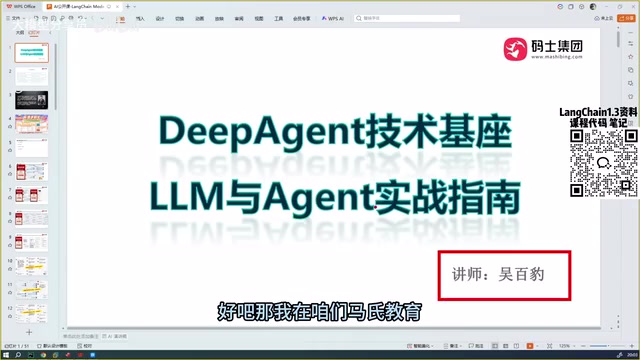
LangChain 1.3 in Practice: A Complete Learning Path from LLMs to Agent Development
A comprehensive guide to LangChain 1.3 — covering the full learning path from Models to Agent development, including Harness architecture, LangGraph, memory management, HITL, and Guardrails.
阅读全文 →
·3 分钟
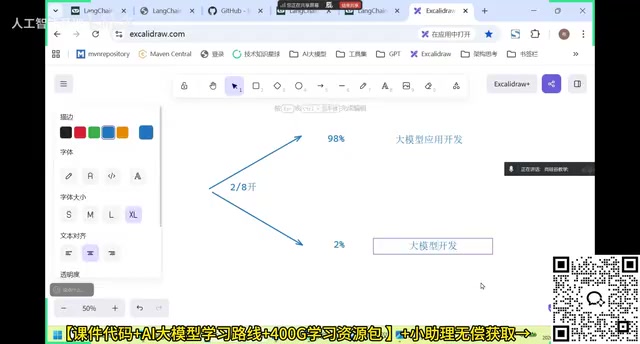
LangChain Practical Guide: From RAG Applications to Intelligent Agent Development
A comprehensive guide to LangChain: core concepts, RAG applications, Agent development, version selection (0.3/1.0), and career opportunities for Java/Python developers entering LLM development.
阅读全文 →