#LangGraph
536 related articles
 Tutorials
·3 min
Claude Code Plugin System Explained: Four Core Components Building an Extensible Development Platform
Deep dive into Claude Code 2.0.14's plugin system covering Slash Commands, Sub-agents, MCP integration, and Hooks—with demos on one-click plugin installation and custom code review plugin creation.
Read more →
 Tutorials
·3 min
Getting Started with Spring AI Alibaba: The Go-To Framework for Java Developers Integrating LLMs
A deep dive into Spring AI Alibaba's core positioning and advantages, helping Java developers quickly understand how to integrate LLMs through this framework.
Read more →
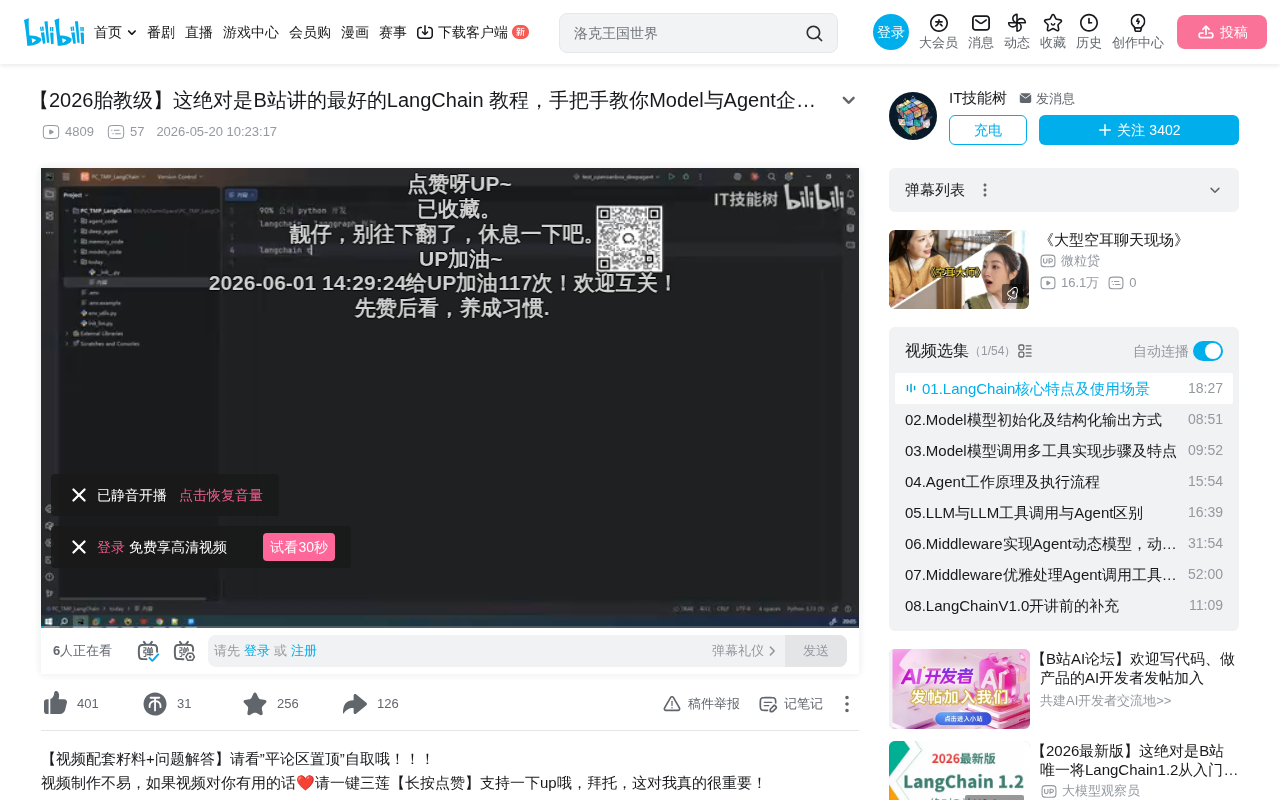 Tutorials
·3 min
LangChain Unified Interface in Practice: A Guide to Avoiding Model Invocation Pitfalls
A detailed comparison of LangChain's two model invocation approaches, focusing on init_chat_model unified interface usage and tips for avoiding DeepSeek V4 Pro Thinking Mode pitfalls in Agent scenarios.
Read more →
 Tutorials
·3 min
Can You Really Transition to AI/LLM in Three Months? A Deep Dive into the Learning Roadmap
Deep dive into a popular 3-month AI/LLM transition roadmap: from Python basics and Prompt engineering to LangChain, RAG, Agents, and hands-on projects, with realistic time estimates and pitfall warnings.
Read more →
 Tutorials
·2 min
Is Context Engineering the Core of Agent Development? A Deep Dive into a High-Frequency Interview Question
Deep dive into a top LLM interview question: Is context engineering the core of Agent development? Covers five context modules, four pain points, and advanced solutions.
Read more →
 Tutorials
·3 min
35 Lines of Prompts Let Codex Auto-Optimize Your Workflow — Reposted by OpenAI's President
An OpenAI employee used just 35 lines of prompts to have Codex analyze 30 days of work history, identify repetitive tasks, and generate reusable automated Skills. Combined with screen reading and long-term memory, Codex is becoming a proactive workflow optimization agent.
Read more →
 Tech Frontiers
·1 min
SGLang Hosts Agent Loops Office Hour, Focusing on Agentic Loop Architecture Optimization
SGLang team hosts an Agent Loops Office Hour exploring inference optimization for agentic loops, covering KV Cache reuse, low-latency multi-turn dialogue, and tool calling techniques.
Read more →
 Tutorials
·3 min
Spring AI Agent Utils: A Java Agent Toolkit Reverse-Engineered from Claude Code's Core Features
Deep dive into Spring AI Agent Utils toolkit covering Skill modules, Ask a User Question, To Do Write, Auto Memory, and multi-Agent orchestration — empowering Java developers to build powerful AI Agents.
Read more →
 Product Reviews
·3 min
Claude Code with MiniMax M2: Testing a Low-Cost AI Coding Solution Across Three Real Projects
Real-world testing of MiniMax M2 as Claude Code's backend model across three projects: framework migration, iOS development, and full-stack MVP — at just 8% of Claude's price.
Read more →
 Industry Insights
·3 min
Deep Dive into Three Major LLM Career Paths: Requirements, Tech Stacks, and Career Prospects
Deep analysis of three core LLM roles—Application Engineer, Development Engineer, and Algorithm Engineer—covering technical requirements, salary thresholds, and career prospects including RAG, fine-tuning, and inference deployment.
Read more →
 Tutorials
·3 min
Cursor + MCP in Practice: A Complete Guide to Building a Browser Automation Agent
A detailed guide on integrating Playwright MCP Server with Cursor, covering Node.js setup with NVM, NPM mirror configuration, and building a browser automation agent step by step.
Read more →
 Tutorials
·3 min
Practical Guide to Building Multi-Agent Collaborative Applications with CrewAI + FastAPI
Learn how to build a multi-Agent collaborative system with CrewAI and FastAPI. Covers Agent, Task, Crew concepts, GPT/Tongyi Qianwen/Ollama integration, with complete code examples and model comparisons.
Read more →
 Tutorials
·2 min
WenzAgent Open-Source Framework: A Practical Tutorial for Multi-Agent Collaborative Management on LAN
A detailed guide on deploying WenzAgent, an open-source multi-Agent management framework under Apache License, supporting LAN-based multi-device AI agent collaboration with Server-Client architecture.
Read more →
 Tutorials
·3 min
Getting Started with LangChain: Core Concepts and Hands-On Guide for LLM and Agent Development
A systematic guide to LangChain's core features, covering LLM vs. Agent concepts, unified interface design, multi-provider support, environment setup, and hands-on code examples for AI app development.
Read more →
 Tutorials
·3 min
AI Agent Learning Roadmap: From Beginner to Enterprise-Level Development in Three Months
A detailed three-month AI Agent learning roadmap covering LLM basics, ReAct paradigm, LangChain, memory mechanisms, tool calling, and multi-agent collaboration with practical project suggestions.
Read more →
 Product Reviews
·3 min
Warp 2.0 Deep Dive: An AI Development Environment with Multi-Agent Parallelism
Deep dive into Warp 2.0's Agent Development Environment (ADE): multi-agent parallel orchestration, terminal editor, AI coding platform, hands-on SaaS app building, and comparison with Cursor and Claude Code.
Read more →
 Tech Frontiers
·3 min
Tech Weekly: OpenAI Swarm Framework, Claude Data Visualization & Lightweight OS Analysis
This week's tech roundup analyzes OpenAI's Swarm Agent framework, Anthropic's Claude data visualization app, Kali Linux, Unikraft lightweight OS, and Go Blueprint — covering AI, security, and cloud computing.
Read more →
 Deep Dives
·2 min
AI Agent Development Methodology: A Complete Guide from ReAct to Enterprise-Grade Tech Stack
A deep dive into AI Agent development methodology, from the ReAct theoretical framework to a four-layer enterprise tech stack covering model services, Agent types, LangChain, and production deployment.
Read more →
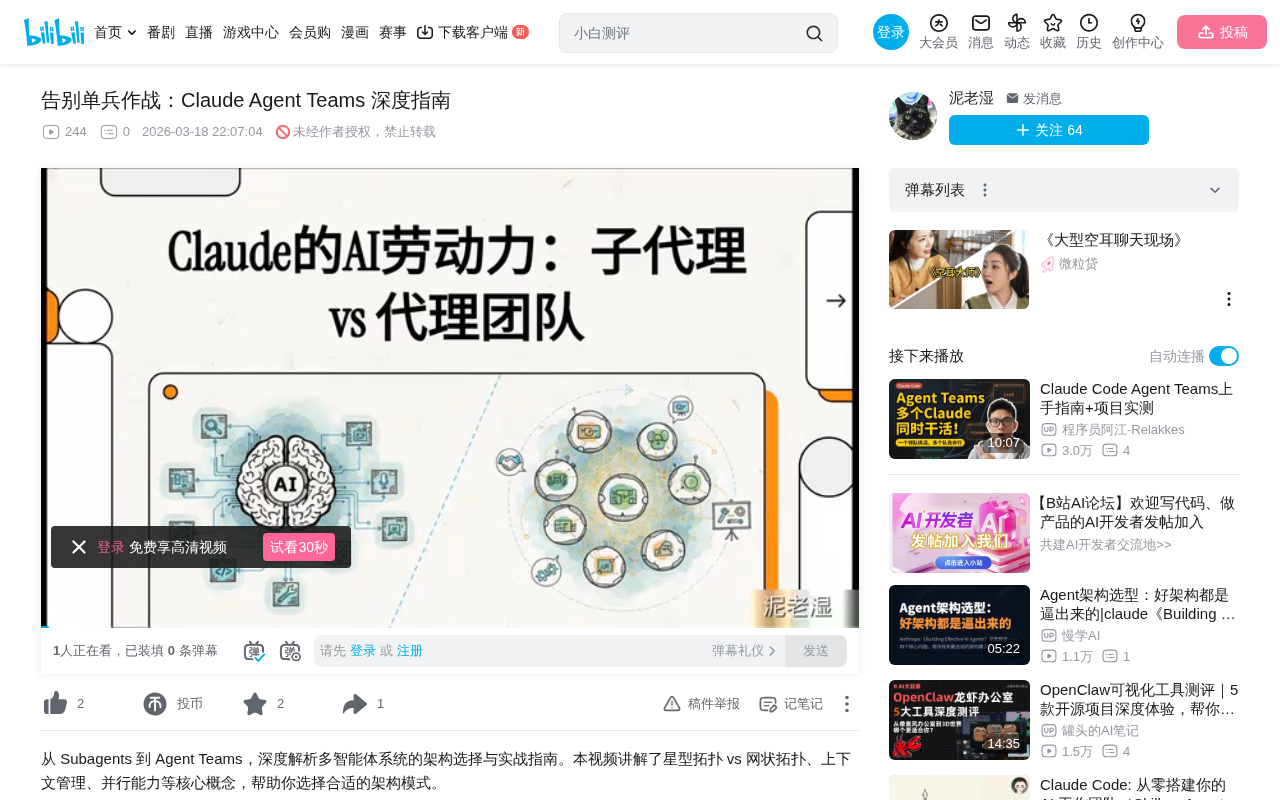 Deep Dives
·3 min
Claude Sub-agents vs Agent Teams: How to Choose Between Two AI Multi-Agent Collaboration Patterns
Deep comparison of Claude sub-agents vs agent teams: architecture differences, use cases, and real-world results. A Pokémon RPG case study shows how agent teams achieve 95%+ feature completeness.
Read more →
 Tutorials
·3 min
MCP Protocol Explained: The New Agent Communication Standard Replacing Function Calling
Deep dive into MCP (Model Context Protocol): its core concepts, three communication mechanisms, and ecosystem. Learn how MCP replaces Function Calling with Streamable HTTP and SDK 2.0.
Read more →