#Node.js setup for Codex
67 related articles

·3 分钟
Pre-Installation Setup for Codex: A Configuration Guide for Git, Node.js, and VS Code
A detailed guide to the three essential pre-installation steps for OpenAI Codex: installing Git, choosing and verifying Node.js, and setting up VS Code — all done in 15 minutes.
阅读全文 →

·3 分钟
Getting Started with Codex: A Beginner's Guide to AI Agentic Coding Tools
A detailed guide to getting started with Codex and Claude Code AI agentic coding tools, from environment setup to hands-on practice, helping beginners master AI programming assistants.
阅读全文 →

·3 分钟
Getting Started with Codex: A Zero-to-Hero Guide to AI Agentic Coding Tools
A detailed guide to getting started with Codex and Claude Code—two leading AI agentic coding tools. From environment setup to hands-on practice, even beginners with no coding experience can master AI programming assistants.
阅读全文 →

·2 分钟
Stone+ Beginner's Guide: Set Up Your AI Coding Environment in 1 Minute
A complete Stone+ (StonePlus) setup guide covering environment scan, API config, proxy detection, model validation, and end-to-end verification. Get your AI coding environment running in 1 minute.
阅读全文 →

·3 分钟
Zero-Code Research: Using AI Agents to Run Complete Machine Learning Experiments
No coding required: use AI agents like Codex and Claude Code to complete full ML experiments via natural language. A real case study with a heart disease dataset.
阅读全文 →

·3 分钟
No-Code Research: Using AI Coding Tools to Complete the Full Machine Learning Pipeline
No coding skills? No problem. Learn how AI tools like Codex and Claude Code let researchers complete ML workflows — data cleaning, model training, visualization — using only natural language.
阅读全文 →

·3 分钟
Codex on Both Fronts: A Complete Setup Guide for the Desktop and CLI AI Coding Clients
A complete guide to installing and configuring OpenAI Codex desktop and CLI clients, covering model settings, API relay integration, prompt caching, and real cost data for GPT-5.6 AI coding.
阅读全文 →

·2 分钟
How to Trust AI-Generated Code: A Practical Verification Framework for Developers
AI writes code fast, but developers fear deploying it. Learn a systematic methodology for verifying AI-generated code — from generation to trusted production deployment.
阅读全文 →
Cdbx.ai Review: Build and Deploy Apps …
·2 分钟
Cdbx.ai Review: Build and Deploy Apps in the Browser with Natural Language
Cdbx.ai is an AI-powered browser IDE that generates full-stack code from natural language and deploys in one click. Read our in-depth review and comparison with v0, Replit, and Bolt.new.
阅读全文 →

·2 分钟
Vibe Coding in Practice: AI Agents Complete Full Research Experiments in Minutes
No coding required — just describe your needs in natural language. AI Agents handle data cleaning, model training, and visualization automatically. We tested Codex and Claude Code on a heart disease prediction task.
阅读全文 →
·3 分钟
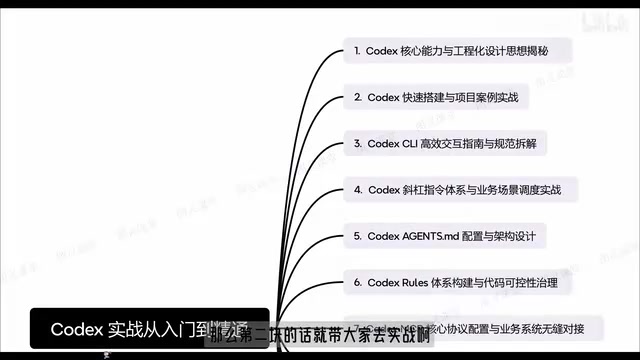
The Complete OpenAI Codex Practical Guide: From Installation to Enterprise Deployment
A complete guide to OpenAI Codex: CLI setup, slash commands, AGENTS.md, MCP integration, multi-agent collaboration, and a RAG customer service project walkthrough.
阅读全文 →

·7 分钟
Codex Direct Connection Configuration Guide for China: Complete GPT Agent Setup Tutorial
Complete guide for configuring OpenAI Codex Agent in China, covering installation, API key setup, permission modes, reasoning intensity, and security considerations for third-party relay services.
阅读全文 →

·7 分钟
The Complete Guide to OpenCode: Installing, Configuring, and Using the Terminal AI Coding Assistant
An in-depth guide to installing, configuring, and extending OpenCode, the terminal AI coding assistant. Covers desktop and WSL installation, model config, MCP integration, and custom Agents.
阅读全文 →
Launch a Cloud Dev Environment in One …
·4 分钟
Launch a Cloud Dev Environment in One Prompt: A Deep Dive into the Codex DigitalOcean Plugin
OpenAI Codex's DigitalOcean plugin lets developers launch persistent cloud dev environments with a single natural language prompt. A deep dive into capabilities, use cases, and risks.
阅读全文 →

·5 分钟
UE5.8 + Claude Code: A Complete Guide to AI Agents Directly Controlling Unreal Engine
UE5.8's official MCP plugin enables Claude Code and other AI Agents to directly control Blueprints, PCG graphs, materials, and level design. Complete setup and testing guide included.
阅读全文 →

·3 分钟
Herdr: A Terminal AI Agent Multiplexer Built with Rust
Herdr is an open-source Rust-written terminal tool positioning itself as an AI Agent multiplexer, unifying Claude Code, Cursor, and more in one CLI interface.
阅读全文 →

·3 分钟
CodeBurn: The 8.4K-Star Open-Source Tool That Tracks Every Cent of Your AI Coding Spend
CodeBurn is a privacy-first local tool for analyzing AI coding costs. It supports 31 tools including Claude Code, Cursor, and Codex, breaking down spending by model, project, and task to eliminate hidden waste.
阅读全文 →

·2 分钟
Complete Guide: Connecting Codex and Claude Code via an API Relay Service
Step-by-step guide to connecting Codex and Claude Code via an API relay service — covering key creation, group selection, CCS import, installation tips, and risk warnings.
阅读全文 →

·3 分钟
Getting Started with Claude Code: A Guide to Terminal AI Coding Tools
A deep dive into Claude Code: the difference between Terminal and Device Agents, enterprise selection advice, and how to use Claude Code with DeepSeek in China.
阅读全文 →

·2 分钟
Claude Code Deep Dive: Why It's the Most Powerful AI Coding Tool
A deep dive into Claude Code's core strengths: agentic coding, full project context, and auto-debugging — compared against Cursor, Trae, and Codex to help developers choose the best AI coding tool.
阅读全文 →