#Python window capture
173 related articles

·3 min
Build 6 Testing Agents with Skills to Eliminate Repetitive Work
Learn how to build 6 testing agents using AI Skills for test case generation, Xmind mind maps, performance reports, JMeter scripts, and more — saving 3-4 hours daily with no coding required.
Read more →

·3 min
Core Analysis of Agent Skill: Progressive Disclosure & Middleware Practical Guide
Deep dive into Agent Skill's core design—Progressive Disclosure—with detailed middleware and dynamic tool implementation, Multi-Agent comparison, and practical tips.
Read more →
·2 min
Career Switch to AI Software Testing from Scratch: A Complete 3-Month Learning Roadmap
A complete 3-month learning roadmap for switching to AI software testing from scratch, covering fundamentals, Python automation, AI-powered testing, and career guidance.
Read more →

·3 min
OpenLLMVTuber: A Deep Dive into the Open-Source AI Virtual Character Framework
Deep dive into OpenLLMVTuber, a 10K-star open-source AI virtual character framework integrating ASR, LLM, TTS, and Live2D with voice interruption, visual perception, and modular architecture.
Read more →

·3 min
The Complete Guide to Vibe Coding: Turn Ideas into Products with AI — No Coding Required
A complete guide to Vibe Coding: from idea to PRD, UI design, and working code using AI tools like Gemini, Figma Make, and Cursor — no coding skills needed.
Read more →

·3 min
Beginner's Guide to Vibe Coding: Let AI Write Code for You — No Experience Required
Vibe Coding lets non-coders build software with AI. Learn the core concepts, how it differs from traditional programming, and set up Miniconda step by step.
Read more →

·4 min
Spring AI vs LangChain4j: How to Choose a Java AI Framework
In-depth comparison of Spring AI and LangChain4j — two major Java AI frameworks — covering core features, completeness, ecosystem support, and usability to help Java developers make the right choice.
Read more →

·3 min
Codex Capabilities Explained: From Code Writing and Browser Automation to Controlling Your Computer and Phone
Deep dive into OpenAI Codex desktop's three core capabilities: AI coding & debugging, browser automation, and computer/iPhone control. Includes ChatGPT comparison and membership tips.
Read more →

·3 min
AI-Powered Playwright: A Practical Guide to Zero-Code Web Automation Testing
Explore Playwright's core advantages including DevTools Protocol architecture, smart locators, and high-concurrency support, plus how to achieve zero-code automation testing with AI via MCP.
Read more →

·3 min
AI Large Language Model Learning Roadmap: A Systematic Path from Zero to Project Implementation
A detailed AI LLM learning roadmap covering Transformer architecture, Prompt Engineering, RAG, Agent development, model fine-tuning & deployment, with enterprise project guides.
Read more →

·3 min
OpenAI Codex Beginner's Guide: From Environment Setup to Enterprise-Level Practice
A systematic guide to OpenAI Codex and AI LLM learning, covering Transformer basics, dev environment setup, prompt engineering, RAG deployment, LoRA fine-tuning, and AI Agent enterprise projects.
Read more →

·2 min
Agent Device: The Automation Tool That Lets AI Autonomously Operate and Verify on Mobile Phones
Agent Device is a CLI tool by Costec that uses accessibility snapshots to let AI coding Agents control iOS and Android devices for automated verification, script replay, and CI testing.
Read more →
·3 min
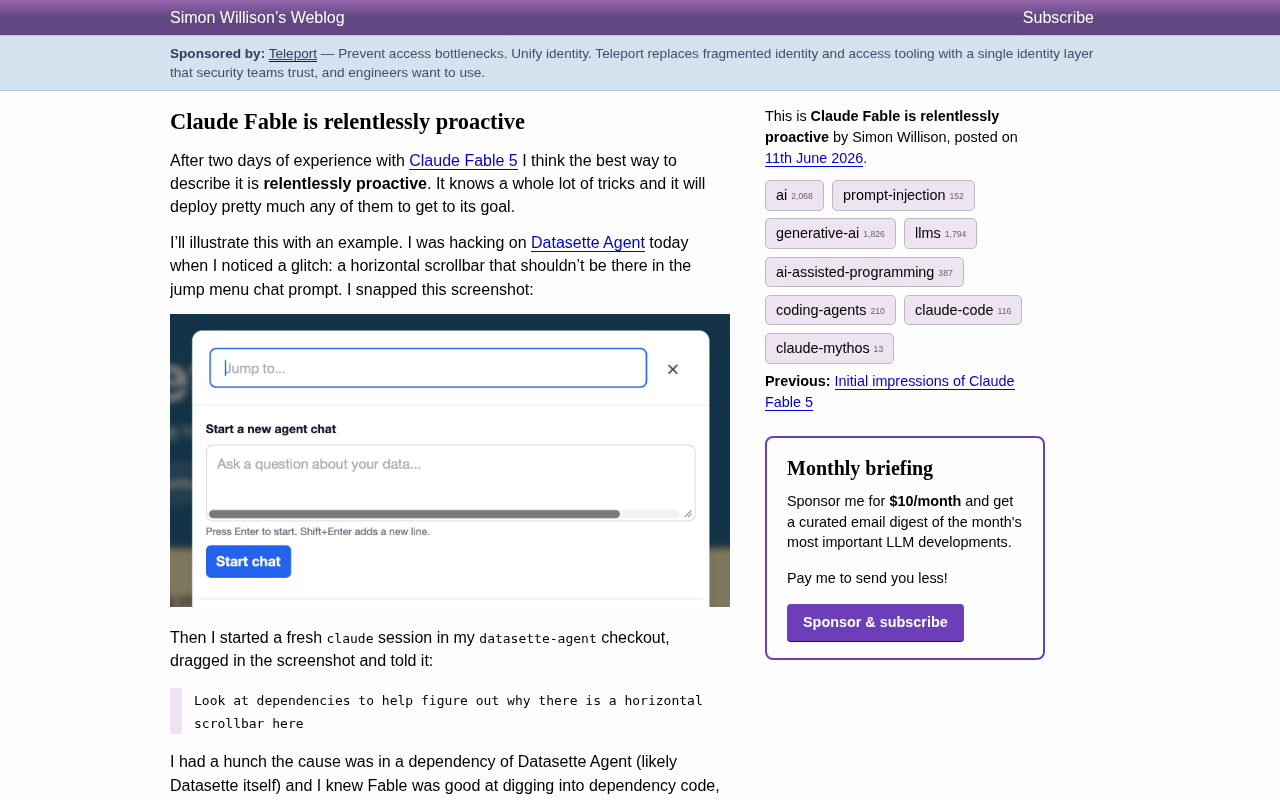
Claude Sonnet 4 Invents Its Own Browser Automation: The Wild Debugging Journey of a CSS Bug
Simon Willison shares how Claude Sonnet 4 (Fable) autonomously invented PyObjC screenshots, built a CORS server, and penetrated Shadow DOM to debug a CSS bug — revealing both tool-making power and security risks.
Read more →

·3 min
Zero-Code AI Game Streaming Software Development: A Complete Workflow Breakdown from Concept to Product
A non-programmer used AI coding tools to build mini-game streaming software with auto-gameplay, AI voice cloning narration, and smart chat interaction—all without writing a single line of code.
Read more →

·2 min
GitHub Copilot Switches to Per-Token Billing: The End of AI Coding Tool Subsidies
GitHub Copilot shifts from flat monthly fees to per-token billing, potentially costing developers hundreds per day. Analysis of the change, industry trends, and open-source alternatives like Cline and Codex CLI.
Read more →

·2 min
ChatGPT Codex vs Claude Code: A Hands-On Comparison of AI Coding Agents
In-depth comparison of OpenAI Codex vs Claude Code AI coding agents, covering Chinese understanding, requirements analysis, and full-stack capabilities to help you choose the right tool.
Read more →

·3 min
Codex Powers Hedge Fund: Economic Analysis Cut from 2 Days to 30 Minutes
Balyasny Asset Management adopts OpenAI Codex and o3/4o models, cutting economic analysis from 2 days to 30 minutes with 97% daily active AI adoption.
Read more →

·4 min
Claude Code Skill Mechanism Explained: Progressive Loading & Practical Creation Guide
Deep dive into Claude Code's Skill mechanism: progressive loading principles, differences from CLAUDE.md/MCP, four creation methods, and advanced features.
Read more →

·2 min
CodeGraph: Give Your Coding Agent a Code Map, Save 47% Tokens
CodeGraph is an open-source project with ~40K GitHub stars that uses Tree-sitter to build a local queryable code map, helping Claude Code and Cursor reduce 47% token usage and 58% tool calls.
Read more →

·3 min
RTK Terminal Output Compression Tool: Save 80% of Token Consumption in Claude Code
RTK is an open-source Rust terminal output compression tool for Claude Code. It intercepts git, npm, and other command outputs, cutting Token usage from 118K to 23.9K — saving ~80%. Free, offline, installs in 2 minutes.
Read more →