#Xcode
54 related articles

·2 min
Two Major Codex Updates: Remote Mac Control from Phone & iOS Development Without Xcode
OpenAI Codex adds phone-based remote Mac control and iOS Builder plugin. Operate your Mac while locked, preview iOS apps without Xcode, and create a closed-loop dev-test workflow.
Read more →
 Tutorials
·2 min
Xcode MCP + Claude Sonnet 4 in Action: Building a Mac TTS App with Zero Hand-Written Code
A detailed walkthrough of using Xcode MCP with Claude Sonnet 4 to build a Mac local TTS app entirely through AI-generated code, covering setup, design guidelines, and results.
Read more →

·7 min
Getting Started with Claude Code: Five Dimensions to Understand Why It Outperforms Regular AI
Claude Code isn't just a chat AI—it can directly read projects, modify code, and run commands. This article compares Claude Code with regular AI across five dimensions to help you decide if it's worth trying.
Read more →

·7 min
Getting Started with Claude Code: Five Dimensions That Show Why It Outperforms Ordinary AI
Claude Code isn't just a chat AI—it can directly read projects, modify code, and run commands. This article compares Claude Code with ordinary AI across five dimensions: interaction, context, execution, memory, and tool calling.
Read more →

·6 min
A Deep Dive into OpenAI Codex: How AI Engineers Are Reimagining Software Development with Agents
OpenAI Codex is redefining how AI engineers work: from code completion to autonomous Agents, from single-threaded to parallel Value Maxing. A deep dive into the Codex App architecture, open ecosystem, and Manager of Agents practice.
Read more →
·5 min
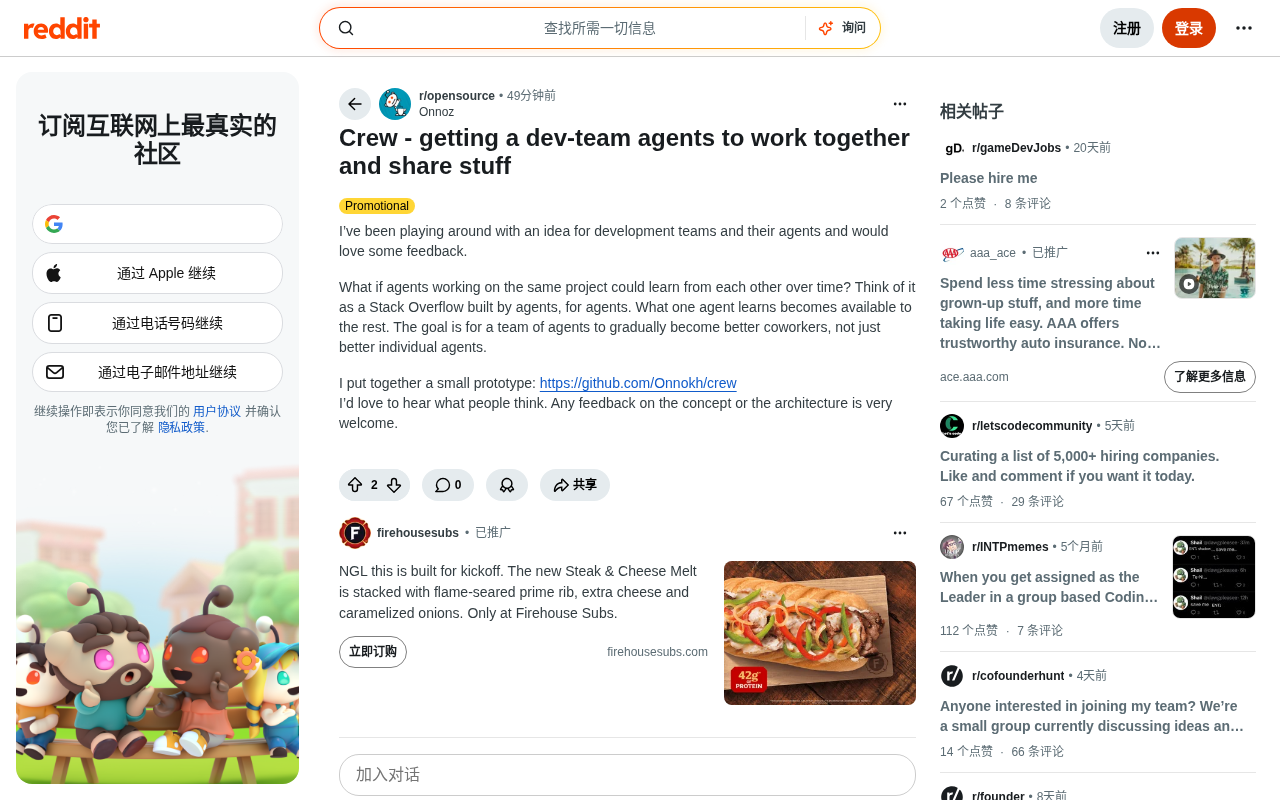
Crew: Enabling Multiple AI Agents to Collaborate and Share Knowledge Like a Team
Crew is an open-source AI agent collaboration framework whose core idea is to build a "Stack Overflow" for agents—letting multiple agents share experience and accumulate knowledge, shifting from optimizing single agents to building evolving teams.
Read more →

·6 min
A Deep Dive into AI Agent Harnesses: The Core Engineering Behind Agent Frameworks
What is an AI Agent's harness? This article systematically dissects the core components of agent frameworks: context management, tool use, control loops, and caching strategies—revealing why the same model performs so differently across harnesses.
Read more →

·5 min
ECC: An Agent Enhancement Framework for AI Coding Assistants — Five Core Capabilities Explained
ECC is an agent optimization framework for AI coding assistants like Claude Code, Cursor, and Codex, enhancing them with skills, memory, security, and research-first development capabilities.
Read more →

·8 min
OpenAI Merges Codex with ChatGPT: A Deep Dive into the Unified Desktop App Overhaul
OpenAI officially merges its coding agent Codex with ChatGPT into a unified desktop app, adding new coding workflows, a Chrome extension, a built-in browser, and GPT-5.6-powered Computer Use capabilities.
Read more →

·7 min
Fable AI Coding in Practice: Optimizing Reasoning Levels and Multi-Model Collaboration to Cut Costs
How developer Theo used Anthropic's Fable model to rebuild his AI coding workflow — controlling reasoning levels, multi-model routing with Codex, and sub-agent orchestration to cut costs from thousands to $150.
Read more →

·7 min
Fable AI Coding in Practice: Optimizing Reasoning Levels and Multi-Model Collaboration to Save Money
Hands-on guide: Use Anthropic's Fable model to optimize AI coding workflows — control reasoning levels, leverage Claude-Codex multi-model collaboration, and cut costs from thousands to $150.
Read more →

·6 min
Getting Started with Vibe Coding: Building Software with Natural Language from Scratch
Vibe Coding lets you build software with no coding background—just talk to AI in natural language. Learn its core ideas, learning path, and practical tools.
Read more →
·2 min
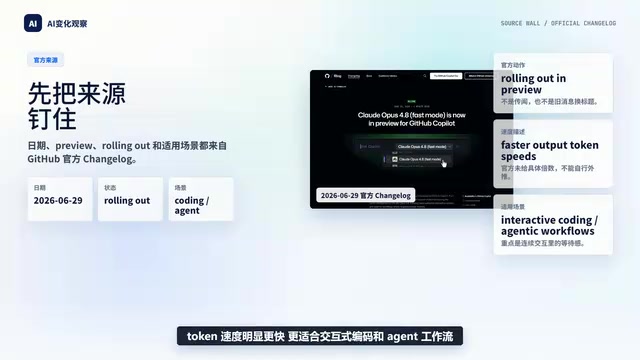
GitHub Copilot Integrates Claude Opus 4.8 Fast Mode: AI Coding Tools Are Now Competing on Response Speed
GitHub Copilot adds Claude Opus 4.8 Fast Mode to preview. Learn how it boosts Token speed for interactive coding and agent workflows, plus pricing and enterprise management details.
Read more →

·3 min
Agent + Skill Architecture: A Practical Guide to AI-Driven End-to-End Automated Testing
Learn how to build an AI-driven API automation testing framework using Agent+Skill architecture with Claude Code, covering test case generation, script execution, and report output.
Read more →

·3 min
The Complete Evolution of Codex: From Coding Tool to All-in-One AI Workstation
Deep dive into OpenAI Codex's evolution from coding agent to all-in-one AI workstation, covering computer use, visual annotations, memory, CodexSites deployment, and more.
Read more →

·3 min
The Complete Guide to Installing and Configuring Claude Code: From Zero to Verified
Complete guide to installing Claude Code on macOS, Linux, and Windows, covering PATH config, glibc versions, SSL certificates, and first-run verification.
Read more →

·4 min
Git Tutorial for Beginners: Essential Version Control Skills for AI-Assisted Programming
Learn Git from scratch and master the 6 most essential commands for AI-assisted programming. Solve the pain of AI breaking your code with proper version control.
Read more →

·3 min
AITS Hands-On Review: API + Web + App Automated Testing All in One Platform
In-depth review of AITS: an AI testing platform covering API automation, Web automation, App real-device cloud testing, and performance testing end-to-end.
Read more →

·4 min
Straight from the Creator of Claude Code: Practical Tips for Using AI Coding Assistants Effectively
Claude Code creator Boris shares advanced tips: code Q&A, CLAUDE.md context management, parallel workflows, shortcuts, and expert-level practices.
Read more →

·2 min
Apple Opens WWDC26 Developer Survey: How to Participate and Share Your Feedback
Apple has opened the WWDC26 developer survey, inviting global developers to share feedback. Learn about the survey's background, this year's AI highlights, and how to participate.
Read more →