#coding with LLM
1737 related articles
Building a Coding Agent with LLM: A De…
·3 min
Building a Coding Agent with LLM: A Deep Dive into Simon Willison's llm-coding-agent Experiment
Simon Willison built llm-coding-agent — an open-source Claude Code-style agent — using just two prompts and TDD. Explore its tool design, bootstrapped dev process, and real-world test results.
Read more →

·4 min
WebMCP in Practice: How MakeMyTrip Is Reshaping the Travel Booking Experience
India's largest OTA platform MakeMyTrip uses WebMCP to standardize AI Agent interactions with web apps, replacing fragile DOM scraping with natural language-driven test automation and simplified complex booking scenarios.
Read more →

·4 min
WebMCP in Practice: How MakeMyTrip Is Reshaping the Travel Booking Experience
India's largest OTA platform MakeMyTrip uses WebMCP to standardize AI Agent interaction with web apps, solving DOM scraping fragility, enabling natural language test automation, and simplifying complex international flight bookings.
Read more →

·3 min
Apple Silicon LLM Inference Speed Benchmarks: A Complete Guide to Local Large Model Performance on Mac
In-depth analysis of Apple Silicon local LLM inference speed benchmarks covering M-series memory bandwidth, model quantization, MLX framework optimization, and Mac configuration guidance.
Read more →

·3 min
The Real Daily Life of MLE and MLOps Engineers: Key Differences Between Three Roles and Career Paths
An in-depth look at the real daily work of data scientists, MLEs, and MLOps engineers — covering responsibilities, essential tools, and career paths to help you find your direction in AI.
Read more →

·2 min
Kimi K3 Launches on Telnyx Inference API: A New Path for Chinese LLMs Going Global
Moonshot AI's Kimi K3 is now available on Telnyx Inference API. Explore how Chinese LLMs are entering global developer ecosystems through third-party inference platforms.
Read more →

·5 min
A Beginner's Guide to Prompt Engineering: From One-Off Instructions to a Systematic Methodology
A beginner's guide to prompt engineering covering the four functions of prompts, the key differences from prompt engineering, a six-step systematic workflow, and critical technical and practical limitations.
Read more →

·3 min
A Beginner's Guide to AI Agents: Two Learning Paths for Developers and Practitioners
How to learn AI Agents from scratch? This guide covers two clear paths: developers go from Python to LLMs to open-source framework source code; practitioners use Claude Code or similar tools to get results fast.
Read more →

·4 min
Faithfulness of the Burau Representation at n=4 Proven: A Key Breakthrough on a Classical Problem
The faithfulness of the Burau representation of braid groups at n=4 has been unresolved for nearly ninety years. Recent research finally proves it faithful, with deep implications for knot theory, topological quantum computing, and cryptography.
Read more →

·4 min
Faithfulness of the Burau Representation at n=4 Proven: A Key Breakthrough on a Classical Problem
The faithfulness of the Burau representation of braid groups at n=4 has been unresolved for nearly 90 years. A recent proof finally settles this critical case, with implications for knot theory, topological quantum computing, and cryptography.
Read more →
·3 min
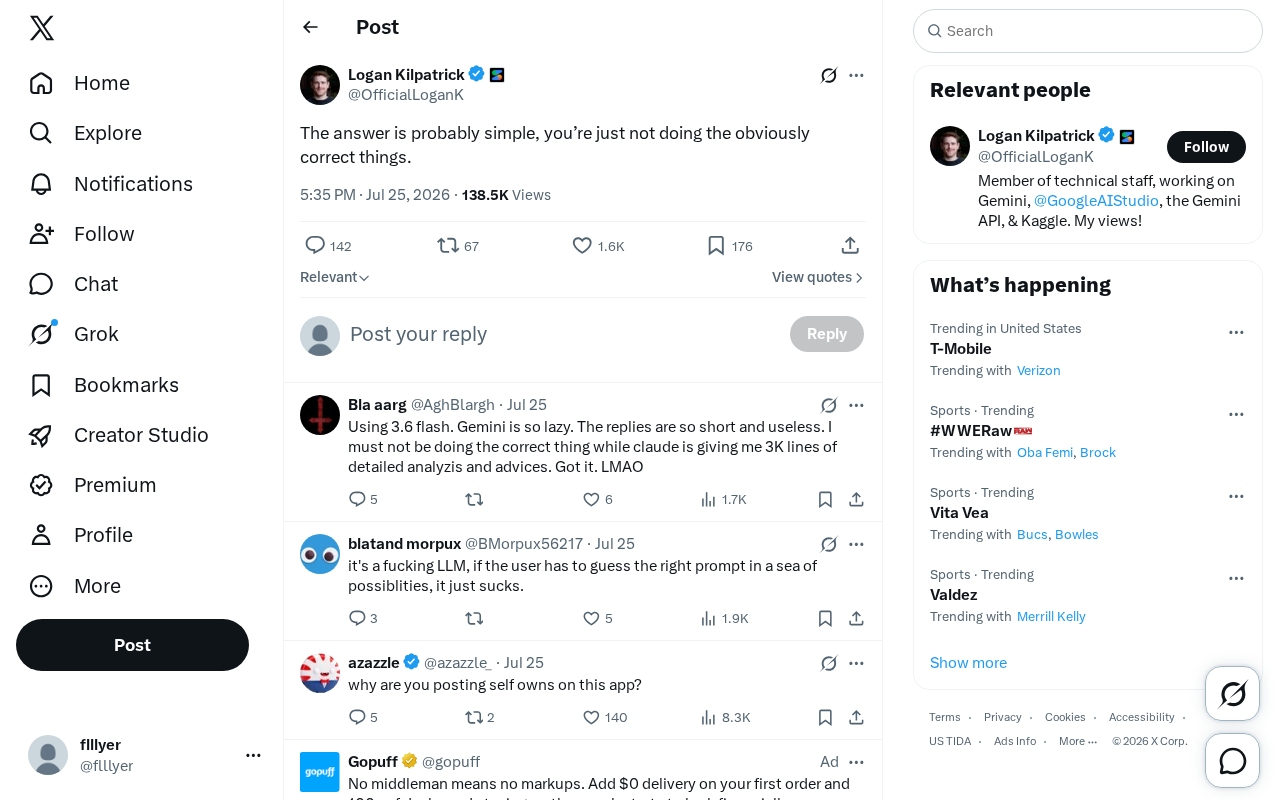
AI Not Performing Well? Start by Getting These Simple but Often Overlooked Things Right
When your AI system underperforms, the problem is often not the model or algorithm — it's basic work like data cleaning, prompt writing, and evaluation that hasn't been done right.
Read more →
·3 min
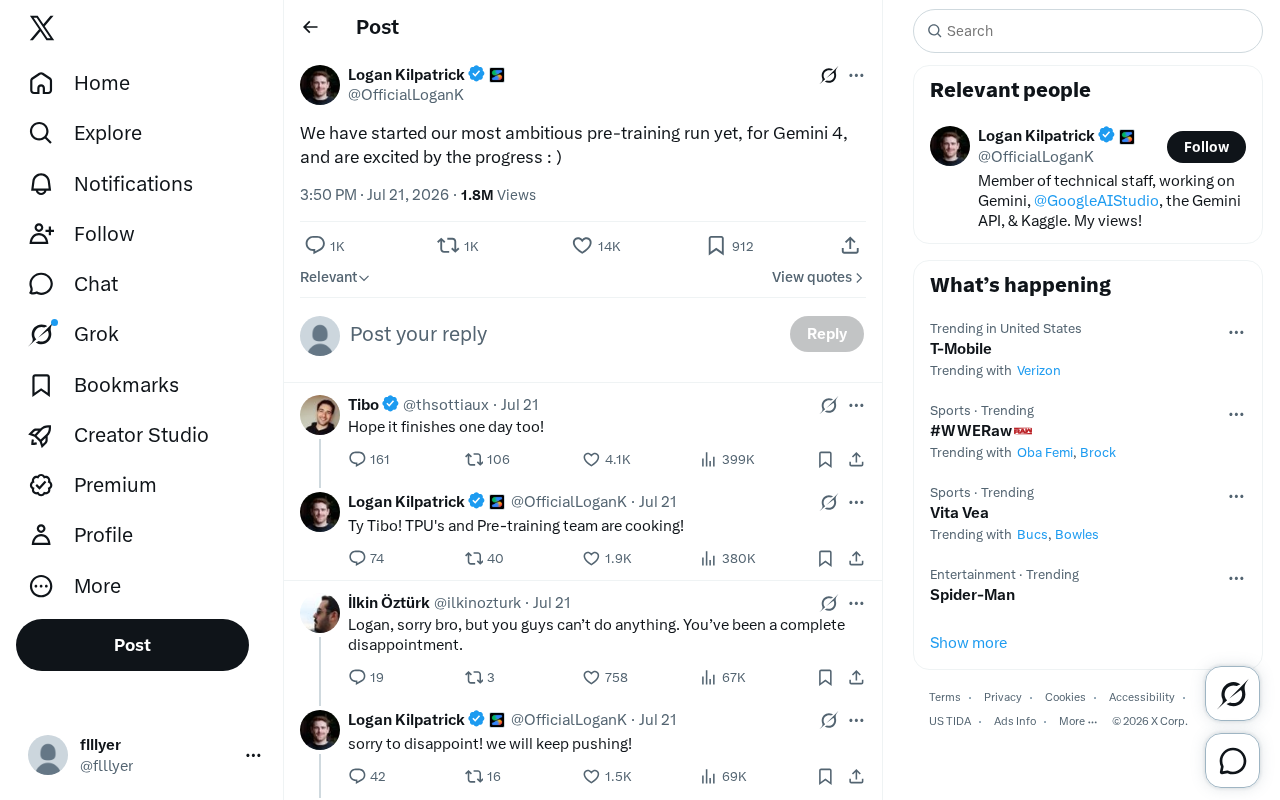
Google Launches Gemini 4 Pre-training: Its Most Ambitious AI Model Training Yet
Google DeepMind announces Gemini 4 pre-training has begun, calling it their most ambitious training yet. A deep dive into its technical direction, compute scale, multimodal breakthroughs, and competitive impact.
Read more →
·3 min
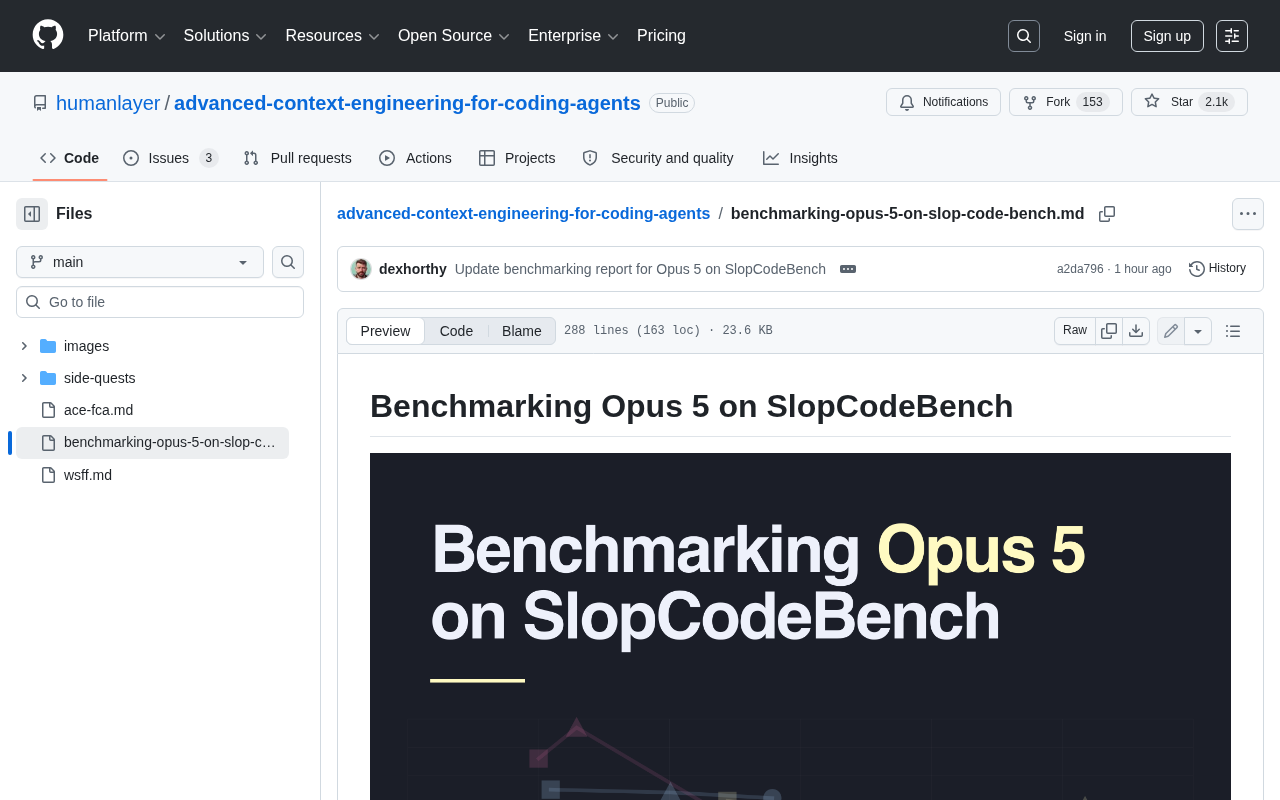
SlopCodeBench: Why AI Code Benchmarks Are Failing
SlopCodeBench sparks deep reflection on AI code evaluation. From benchmark contamination to pass-rate pitfalls, exploring why current benchmarks fail to measure real code quality.
Read more →
·3 min
AI Not Working Well? Start by Getting These Simple but Often Overlooked Things Right
When AI systems underperform, the problem often isn't the model or algorithm — it's that basics like data cleaning, prompt writing, and evaluation aren't done right. Learn the simple fixes that matter most.
Read more →
·3 min
The Open-Weights Model Debate: Balancing Safety and Openness
An in-depth analysis of the open-weights model debate: public release brings transparency and innovation, but raises safety and misuse risks. Exploring tiered release, red-teaming, and governance challenges.
Read more →
·3 min
The Open-Weights Model Debate: Balancing Safety and Openness
An in-depth analysis of the open-weights model debate: publicly releasing model weights enables transparency and innovation but raises safety risks. Explores tiered release, red-teaming, and the industry dynamics behind open AI governance.
Read more →

·2 min
Why 'Clean Code' Author Uncle Bob No Longer Reviews AI-Generated Code Line by Line
Clean Code author Robert C. Martin no longer reviews AI-generated code line by line, shifting to test-driven verification. We explore the logic, debate, and implications.
Read more →

·4 min
A Beginner's Guide to AI Agents: Core Principles and Learning Paths Explained
Learn AI Agent core principles from scratch: understand how Agents differ from LLMs, their execution mechanisms, why rule design matters, and find the right learning path for your goals.
Read more →

·3 min
Deconstructing Agents: Task Decomposition, Context Compression, and the Case Against Heavy Frameworks
A deep engineering analysis of Agent internals: how LLMs decompose tasks via tool calling, why context compression and memory are essential, and why solo developers should avoid heavy frameworks.
Read more →

·3 min
Poolside Laguna Model Launch: Can Silicon Valley's Open-Source Push Catch Up to China's AI?
Poolside launches Laguna open-weight model after 18 months of silence, pitting 118B parameters against Kimi K3's 2.8 trillion. Can Silicon Valley's open-source push close the gap with Chinese AI?
Read more →