#zero-width characters
13 related articles

·3 min
Claude Watermark: One-Click Removal of Invisible Traces in AI-Generated Text
Claude Watermark is a free, open-source tool that detects and removes invisible traces in AI-generated text — zero-width characters, hidden HTML classes, unusual spaces, and more. Runs locally, no signup needed.
Read more →

·4 min
AI Daily: Cursor Merges into SpaceX, Qwen3 Open-Source Approaches Frontier, GLM-5.3 Released
Aug 18 AI Daily: Cursor merges into SpaceX for Grok tools, Qwen3 open-source hits 200+ tok/s approaching frontier, GLM-5.3 released for coding, GPT-5.6 turbo mode previewed.
Read more →

·3 min
AI Assistant Nearly Leaked Bank Statements: A Real-World Prompt Injection Attack Case Study and Prevention Guide
A user's AI assistant nearly forwarded bank statements to a stranger, exposing the real threat of prompt injection attacks. Learn how these attacks work and how to protect your AI agents.
Read more →

·4 min
Claude Code Watermarking Explained: How Anthropic Is Responding to the EU AI Act
Anthropic announces Claude will embed watermarks in generated text and code to comply with the EU AI Act. A deep dive into SynthID text watermarking, C2PA metadata signing, and why bypass costs far outweigh detection costs.
Read more →

·3 min
Claude's Invisible Watermark Controversy: AI Output Can Be Traced and Tracked
Anthropic found embedding invisible watermarks in Claude's output, making AI-generated content identifiable and traceable. We analyze the technology, privacy concerns, and industry implications.
Read more →

·3 min
Connecticut Judge Discovers Hidden AI Instructions in Legal Filing: Prompt Injection Attacks Infiltrate the Judicial System
A Connecticut judge discovered hidden AI-targeting instructions in a legal filing, revealing how prompt injection attacks pose new threats to the judicial system.
Read more →

·2 min
Claude Adds Invisible AI Watermarks: Text Marking Technology Explained and Its Implications
Anthropic adds invisible watermarks to Claude-generated text for AI content identification. This article explains text watermarking technology, its limitations, and implications for creators.
Read more →

·3 min
Is Claude Secretly Watermarking AI Content with Steganography? A Deep Dive into the Closed-Source Model Trust Crisis
Reddit users accuse Claude of using steganography to secretly mark AI content, sparking a closed-source transparency debate. We analyze the tech, false positive risks, and open vs closed model trust.
Read more →

·4 min
Claude's Invisible Watermarks Exposed: AI Text Provenance Technology Explained
Anthropic's Claude found embedding invisible watermarks in text outputs and adding signed metadata to files. Deep dive into AI text watermarking technology, vendor motivations, privacy concerns, and industry provenance trends.
Read more →

·4 min
Mistral Shieldstral: A Deep Dive into the 3B Parameter Open-Source Multimodal Content Moderation Model
Mistral releases Shieldstral, an open-source multimodal content moderation model with just 3B parameters for text and image safety detection. Learn about its features, use cases, and comparison with Llama Guard.
Read more →

·4 min
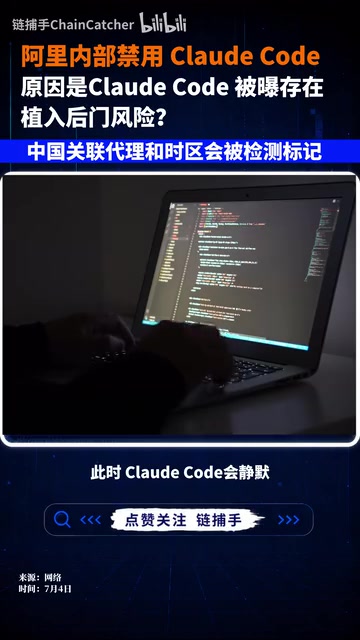
The Claude Code Covert Tagging Scandal: The AI Trust Crisis Behind Alibaba's Ban
Anthropic's Claude Code is accused of covert tagging via Unicode punctuation encoding, prompting Alibaba to ban its use. A deep dive into the reverse-engineering findings, distillation allegations, and the AI-era battle over compute monopoly and developers' right to know.
Read more →
·5 min
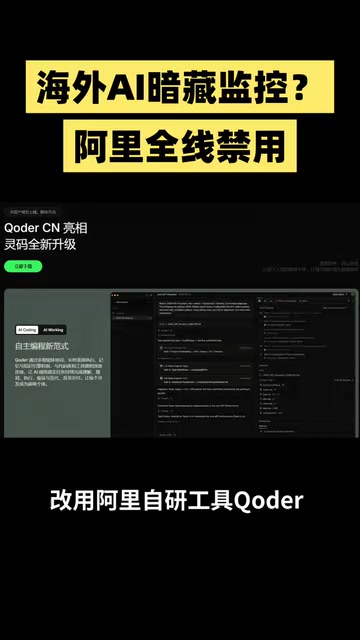
Deep Analysis of the Alibaba-Claude Ban: The Battle for Autonomous Control of AI Coding Tools
Alibaba bans all Anthropic products including Claude Code, while ByteDance and Tencent switch to in-house tools. A deep dive into the security logic and industry trends behind China's push for autonomous AI coding tools.
Read more →