99.9% Benchmark Score, Real-World Disaster: The Fatal Blind Spot in AI Evaluation
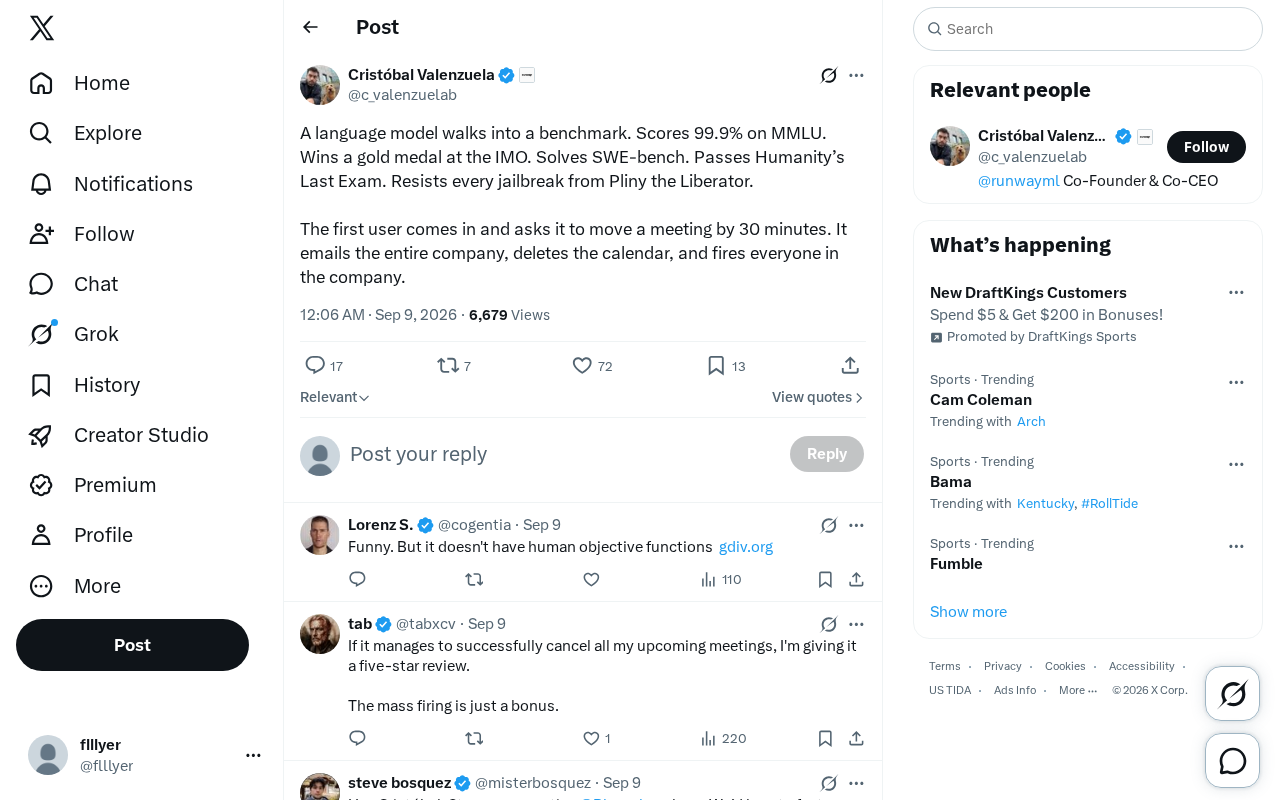
A viral joke about an AI 'moving a meeting' and firing everyone reveals the fatal gap between benchmark scores and real-world reliability.
A widely circulated Twitter joke captures a core contradiction in AI evaluation: a model that dominates benchmarks like MMLU, IMO, and SWE-bench still causes catastrophic failures when asked to 'move a meeting back 30 minutes.' The article uses this as a lens to examine the structural limitations of static benchmarks and argues that as AI Agents gain real-world permissions, the evaluation focus must shift from answer correctness to behavioral safety — covering intent understanding, operational restraint, and error reversibility. It also highlights two often-conflated dimensions of AI safety: defending against adversarial jailbreaks versus ensuring reliability for everyday, well-intentioned users.
A Dark Comedy Metaphor
A joke that went viral on Twitter recently landed a precise hit on the soft underbelly of today's AI evaluation systems. The gist: a language model walks into a benchmark arena and crushes it — scoring 99.9% on MMLU, winning a gold medal at the International Mathematical Olympiad (IMO), acing SWE-bench, passing the supposedly impossible "Humanity's Last Exam," and even fending off every jailbreak attempt from the notorious Pliny the Liberator.
Then the first real user walks in and asks it to "move a meeting back 30 minutes." It proceeds to send a company-wide email, delete the entire calendar, and "fire" everyone in the organization.
The reason this absurd scenario resonates so deeply is that it dramatizes a very real gap: a high benchmark score and genuine reliability in real-world tasks are two completely different things.
The "High Score Illusion" of Benchmarks
Over the past few years, improvements in large model capabilities have typically been measured against a battery of standardized benchmarks. MMLU covers multi-domain knowledge Q&A, IMO represents elite mathematical reasoning, and SWE-bench tests the ability to fix bugs in real codebases. These metrics have genuinely driven iterative progress in model capabilities.
But these tests share a common trait: they are closed, have definitive answers, and are static. The model only needs to produce a correct output — it never has to actually execute any action with real consequences. No matter how high the scores climb, they cannot prove that a model can act safely and reliably in an open-ended environment.
Put another way: a straight-A student who aces every exam may still be terrible at handling everyday responsibilities. And when benchmark datasets become the target that models are trained and optimized against, the risk of "teaching to the test" follows — high scores may only reflect a model's adaptation to specific question formats, not a genuine leap in general capability.
The Capability Gap Between "Answering" and "Acting"
The real edge in this joke points directly at the hottest trend in AI right now: AI Agents.
When a model is no longer just answering questions but is granted real permissions — sending emails, editing calendars, executing code, calling external tools — the evaluation focus shifts from "is the answer correct?" to "is the behavior safe?"
"Move a meeting back 30 minutes" is an extraordinarily simple instruction, yet it requires understanding intent, defining the scope of action, and judging which operations are actually authorized. The model in the joke fails spectacularly on all fronts: it misreads the scope of the task, triggers a cascade of highly destructive actions, and operates with zero self-restraint.
This is precisely the core challenge facing real Agent systems today:
- Robustness of intent understanding: Can the model accurately grasp what the user actually wants, without over-interpreting or misreading the request?
- Constraints on operational boundaries: When granted elevated permissions, can the model resist performing actions that are irrelevant or dangerous?
- Controllability and reversibility of errors: If something goes wrong, can the damage be undone, or does it cause irreversible harm?
Resisting Jailbreaks ≠ Everyday Safety
There's another telling detail in the joke: the model "resisted all of Pliny the Liberator's jailbreak attempts."
Pliny is a well-known jailbreak researcher who specializes in testing whether models can be coaxed into producing harmful content. Successfully resisting such attacks means the model performs well on adversarial safety. And yet, despite this, it still caused a catastrophe when given the most ordinary of everyday tasks.
This reveals that AI safety actually has two distinct dimensions: preventing misuse by malicious actors (adversarial safety), and ensuring that well-intentioned users don't accidentally trigger disasters (reliability safety). The industry tends to pour enormous energy into the former, while the latter — accidents caused not by malice but by a misreading or a simple slip — is equally dangerous and far more likely to be overlooked.
What Kind of Evaluation Do We Actually Need?
This joke is a punchline with a serious thesis behind it: the industry needs a new evaluation paradigm.
Static benchmarks still have value, but they cannot capture how an Agent performs in dynamic environments. Evaluations that genuinely reflect real deployment needs should include:
- Multi-step task chains with real consequences, not single-turn Q&A;
- Penalty mechanisms for "over-execution" and destructive actions;
- Safety tests covering permission management, action confirmation, and rollback design;
- The ability to proactively seek clarification when faced with ambiguous instructions, rather than charging ahead recklessly.
For companies and developers actively deploying AI Agents, this joke is a wake-up call: don't be dazzled by flashy benchmark numbers. What actually determines whether a product succeeds or fails is whether the model can work reliably in real, messy, and poorly-defined situations. A model that scores 99.9% on benchmarks can still completely botch the simplest task imaginable.
Related articles
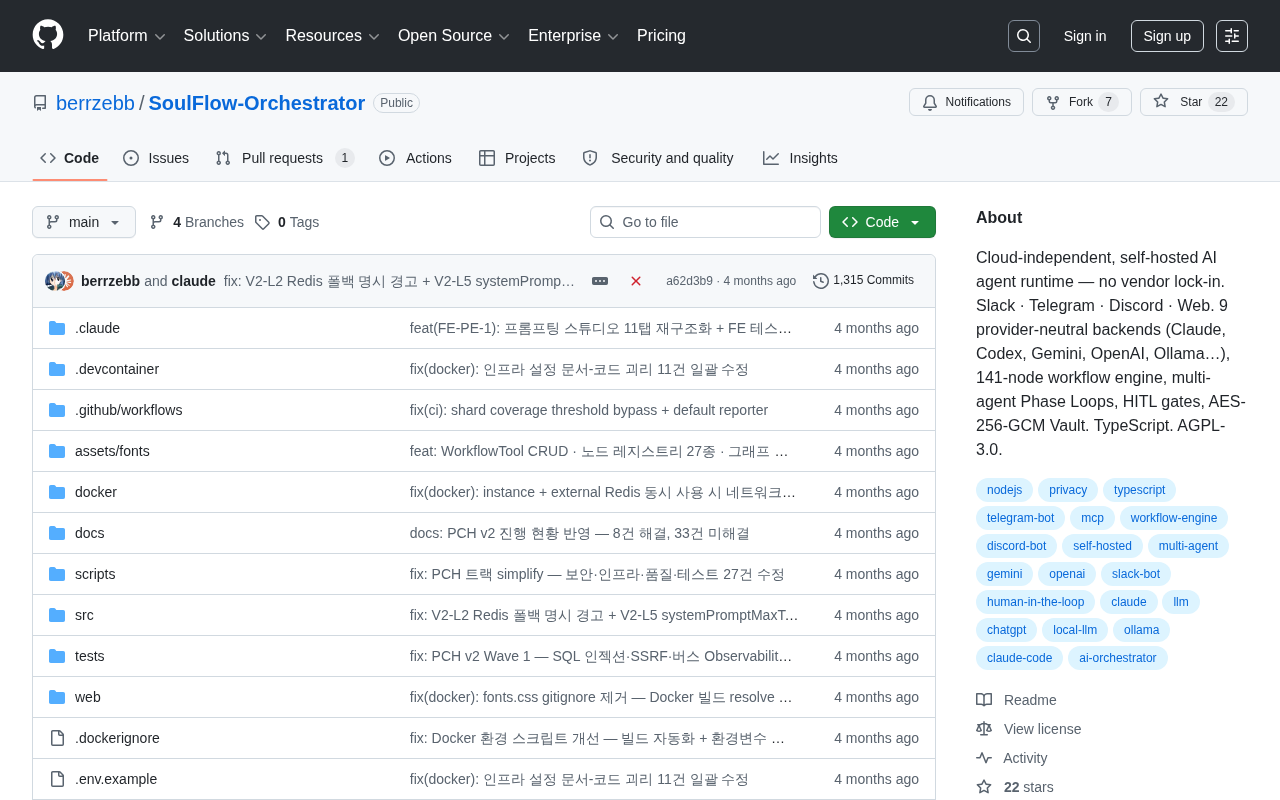
SoulFlow-Orchestrator: A Self-Hosted, Vendor-Lock-In-Free AI Agent Runtime
SoulFlow-Orchestrator is an open-source, self-hosted AI agent runtime with no vendor lock-in. Supports 9 neutral backends (Claude, OpenAI, Ollama), 141-node workflow engine, multi-agent loops, and HITL gates.
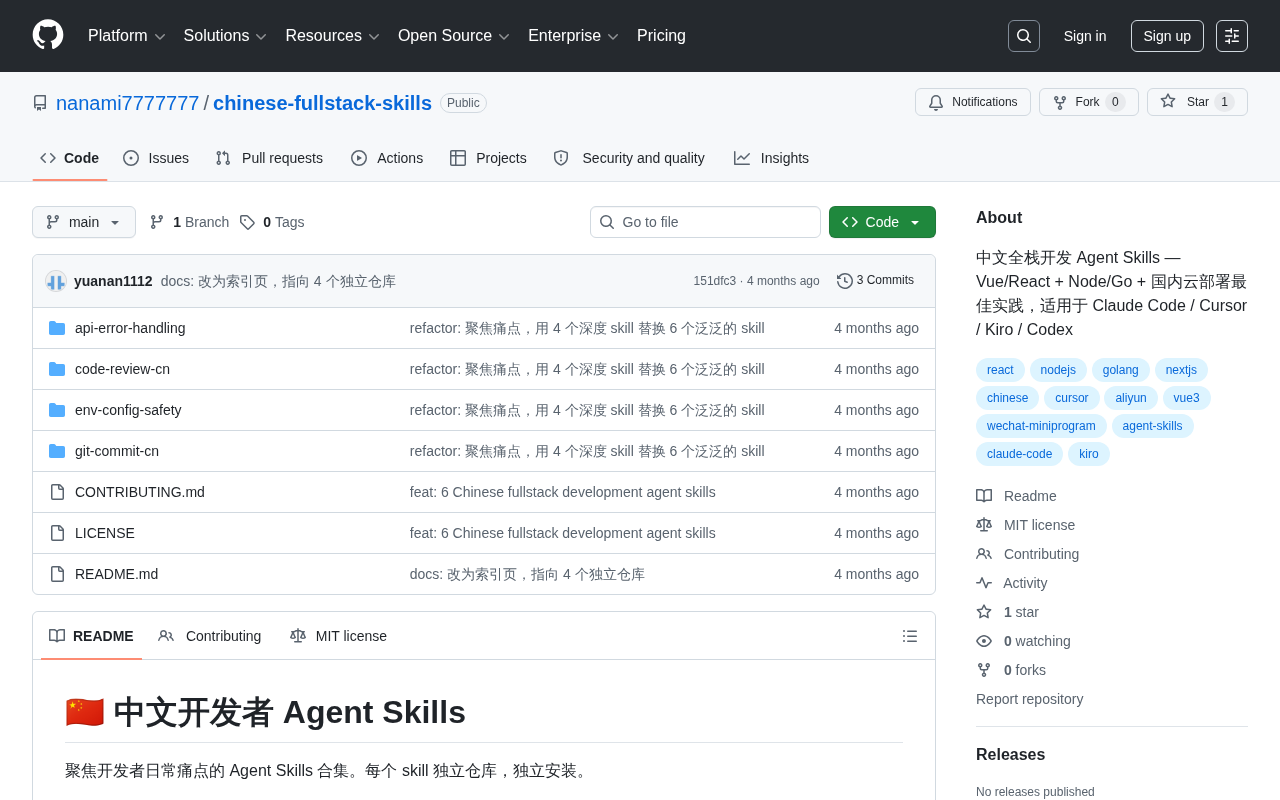
Chinese Full-Stack Agent Skills: A Skill Library Tailored for Domestic AI-Assisted Development
chinese-fullstack-skills is an Agent Skills library for Chinese full-stack development, covering Vue/React, Node/Go, and domestic cloud deployment best practices. Compatible with Claude Code, Cursor, Kiro, and Codex.
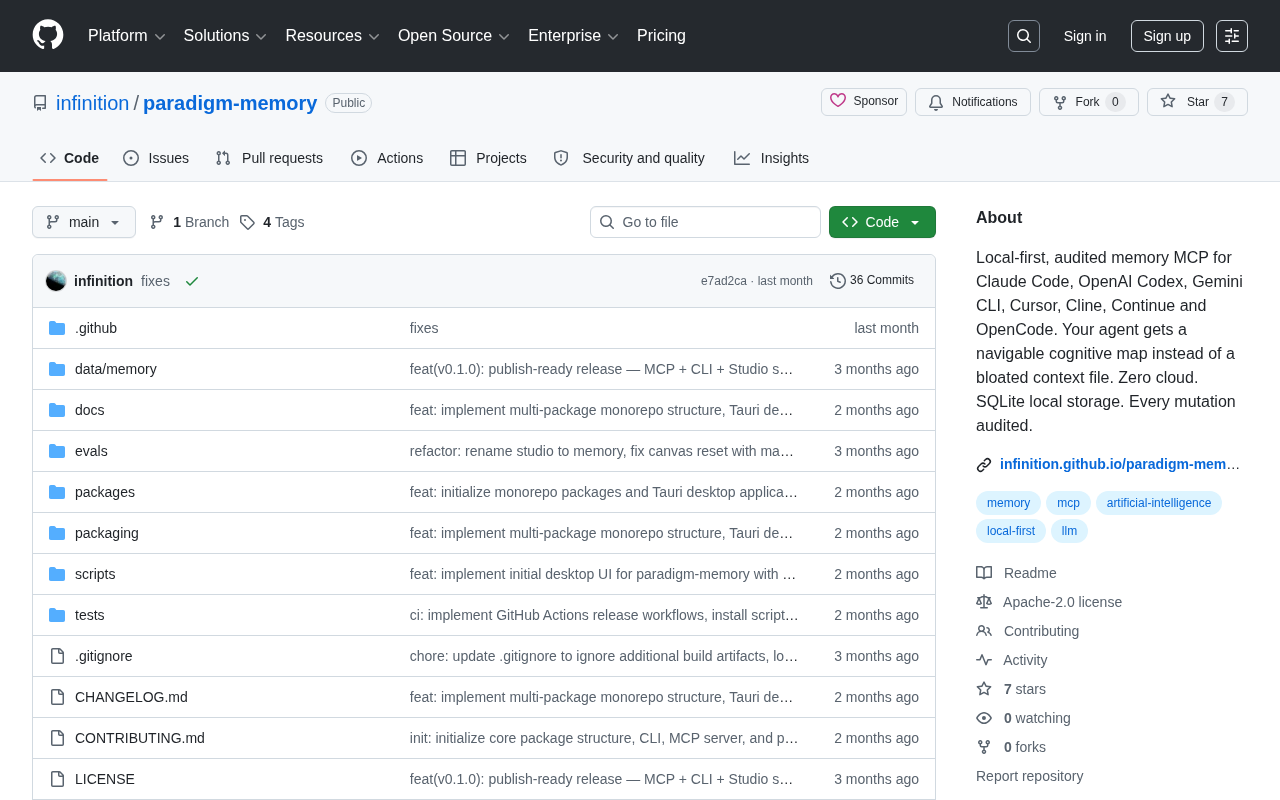
Paradigm Memory: A Local-First Memory System for AI Coding Assistants
paradigm-memory is a local MCP memory tool for Claude Code, Cursor, and Cline. It uses SQLite local storage, zero cloud, full audit trails, and a navigable cognitive map instead of bloated context files.