SoulFlow-Orchestrator: A Self-Hosted, Vendor-Lock-In-Free AI Agent Runtime
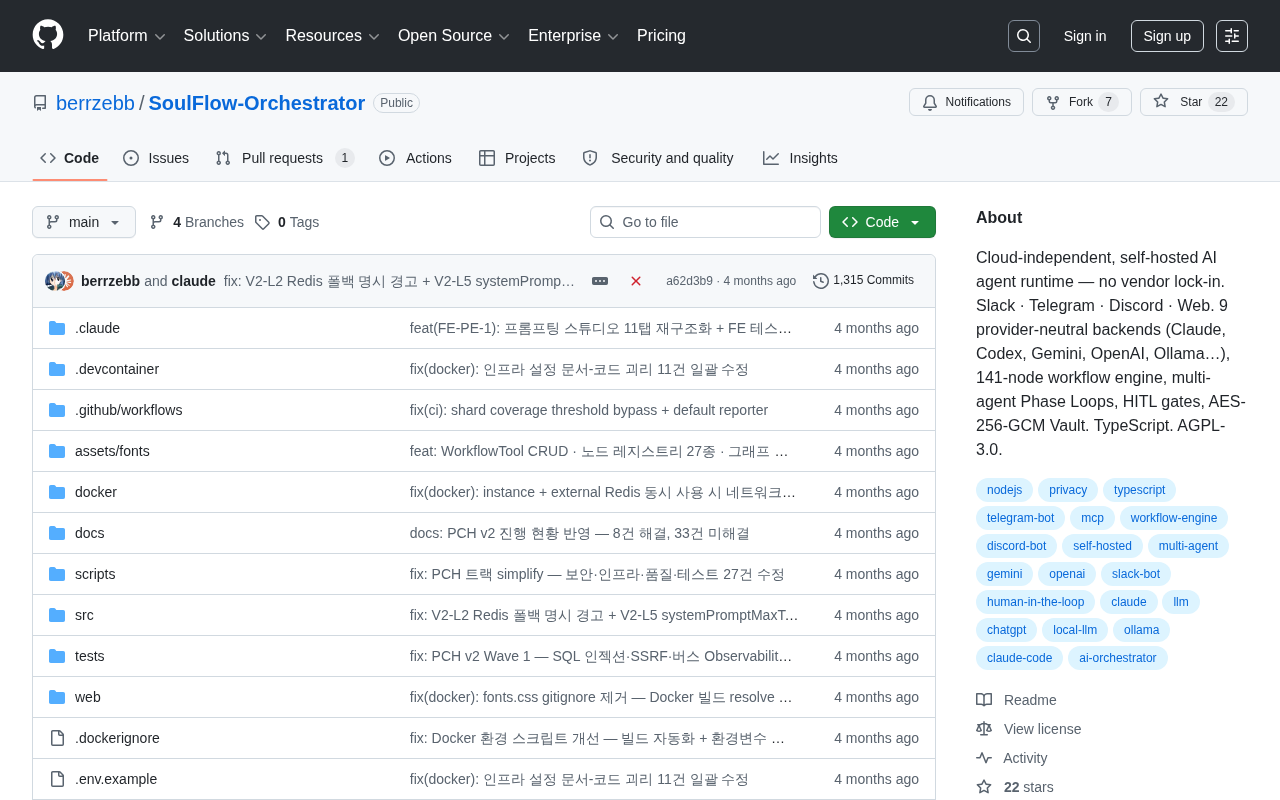
Open-source self-hosted AI agent runtime with no vendor lock-in, multi-model support, and human-in-the-loop controls.
SoulFlow-Orchestrator is an open-source AI agent orchestration framework written in TypeScript under the AGPL-3.0 license. Its core selling points are cloud independence, self-hosting, and no vendor lock-in. It supports 9 provider-neutral model backends (including Claude, OpenAI, Gemini, and Ollama), a 141-node workflow engine, multi-agent Phase Loops, HITL gates for human review checkpoints, AES-256-GCM encrypted credential storage, and native integrations with Slack, Telegram, Discord, and Web. The project is still in early stages (~20 stars) but its design direction — data sovereignty and self-hosted AI orchestration — addresses real enterprise AI deployment needs.
As AI agent applications expand rapidly, more and more developers are beginning to worry: does betting an entire automation pipeline on a single cloud provider or a single LLM API create migration costs and data risks that are simply too high to bear? The open-source project SoulFlow-Orchestrator is one answer to that anxiety — it champions a "cloud-independent, self-hostable, no vendor lock-in" AI agent runtime.
The project is written in TypeScript, licensed under AGPL-3.0, and currently has around 20 stars and 7 forks on GitHub. The community is still small, but its architectural philosophy is worth paying attention to.
Core Positioning: Putting Control Back in Your Hands
The most prominent label on SoulFlow-Orchestrator is "no vendor lock-in." It positions itself as an agent runtime environment that can be fully deployed on your own servers — not a managed service tethered to some SaaS platform.
The significance of this design is clear: enterprises and individual developers can run agent workflows within infrastructure they control, keeping sensitive data from flowing to third-party platforms, while also avoiding the risk of business disruption caused by a provider raising prices, shutting down, or changing its policies. For domains that are highly sensitive to data sovereignty — finance, healthcare, legal — self-hosting is often a hard requirement, not an optional feature.
To protect local data, the project includes a built-in AES-256-GCM Vault (a key/credentials vault) for encrypted storage of API keys and other sensitive information — a pragmatic security design for self-hosted deployments.
AES-256-GCM is one of the most widely recognized symmetric encryption standards in the industry. AES-256 refers to the Advanced Encryption Standard using a 256-bit key — brute-forcing it would theoretically take longer than the age of the universe. GCM (Galois/Counter Mode) is an authenticated encryption mode that generates a Message Authentication Code (MAC) alongside the encrypted data, simultaneously guaranteeing both confidentiality and integrity — meaning an attacker can neither read the content nor tamper with the ciphertext without detection. Storing API keys and other credentials in such a Vault significantly reduces the risk of credential leakage compared to writing them in plaintext to environment variables or config files, making it a baseline security requirement for production-grade self-hosted deployments.
9 Provider-Neutral Backends: Freedom at the Model Layer
One of the project's most practical features is its neutral support for multiple model backends. It claims to offer 9 provider-neutral backend integrations, covering the current mainstream LLM ecosystem — including Claude, Codex, Gemini, OpenAI, and locally-deployed Ollama.
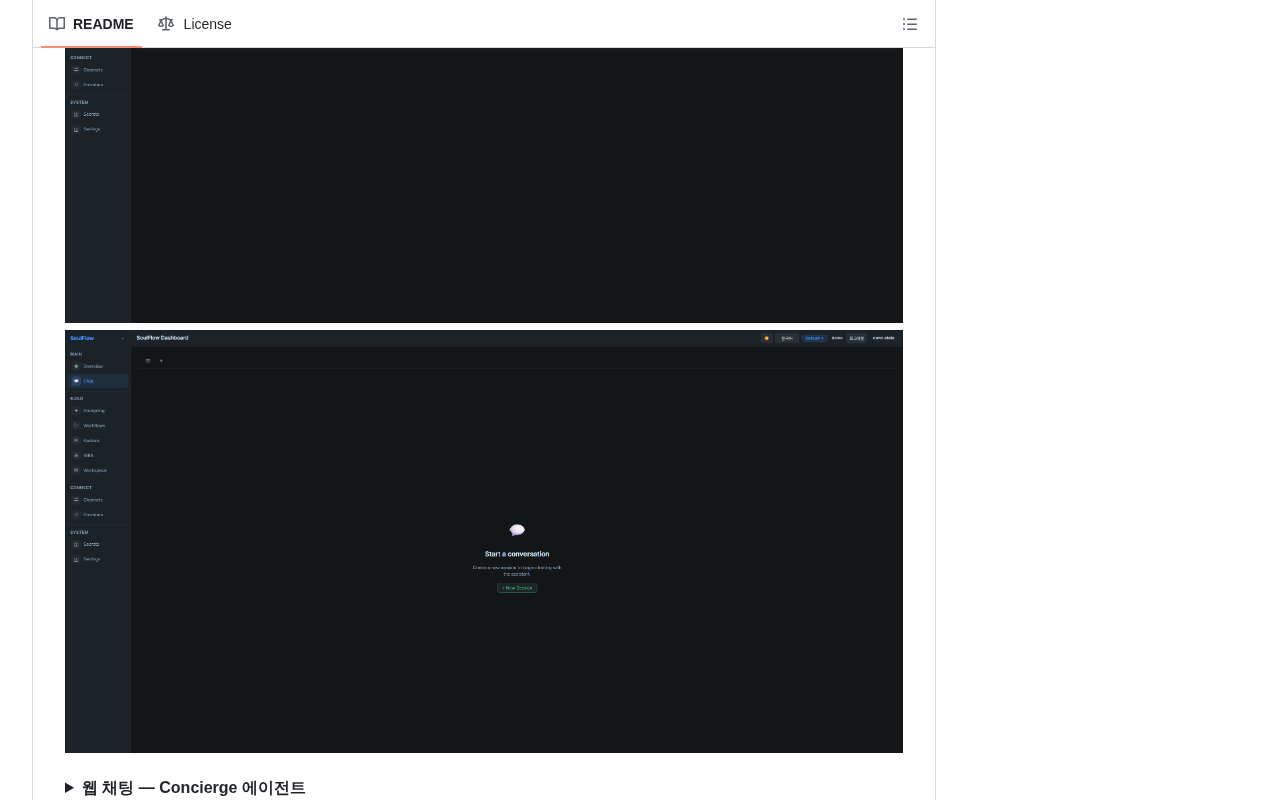
"Provider-neutral" means the workflow logic at the upper layer doesn't need to be bound to any single model API's calling convention. Developers can switch between OpenAI and Claude, or run the entire chain locally with Ollama, without rewriting business logic. The value of this abstraction layer lies in enabling flexible trade-offs between cost, performance, and compliance — and in allowing teams to quickly switch to a backup when a particular model experiences service issues.
For teams that want "the best cloud models available, with local fallback capability," this kind of hybrid deployment flexibility is quite compelling.
141-Node Workflow Engine and Multi-Agent Collaboration
On the orchestration side, SoulFlow-Orchestrator provides a workflow engine with 141 nodes. The node count itself reflects the breadth of its coverage for complex automation pipelines — from data processing and conditional branching to model invocation, enabling the assembly of remarkably fine-grained automation workflows in theory.
Going further, the project supports multi-agent Phase Loops — an orchestration pattern in which multiple agents collaborate across different phases, iterating in cycles. This aligns with the direction of recent multi-agent systems research: complex tasks that a single agent struggles to handle can be decomposed into multiple roles working together.
Also worth noting is the HITL gates (Human-in-the-loop) design. It allows human review steps to be inserted at critical nodes in an automated workflow, enabling humans to confirm or intervene in agent decisions when necessary. This is especially important in production environments that seek a balance between "automation" and "controllability" — fully hands-off automation often carries too much risk, and HITL provides a safety valve.
HITL (Human-in-the-loop) is an important paradigm in automated system design, originating from machine learning's reliance on human annotation and feedback, and later widely adopted in agent orchestration. Its core idea is: at points where the system cannot independently make a decision with sufficiently high confidence, it proactively pauses the workflow and requests human confirmation rather than pushing forward blindly. In AI agent scenarios, this mechanism is especially critical — large models can produce hallucinated outputs, misread context, or lack self-verification capability before high-risk operations (such as sending emails, executing database writes, or triggering payments). HITL Gates, as configurable "review checkpoints," allow teams to precisely specify which nodes require human confirmation — improving automation levels while preserving critical human oversight, and representing the mainstream enterprise practice for balancing efficiency and compliance in AI deployments.
Multi-Channel Access: Slack, Telegram, Discord, and Web
For interaction entry points, the project natively supports four channels: Slack, Telegram, Discord, and Web. This means teams can trigger and manage agent tasks directly within the collaboration tools they use every day, without having to learn a new interface.
For team collaboration scenarios, embedding agents into existing communication tools is a key step in lowering the barrier to adoption. Whether invoking an automated workflow in a Slack channel or receiving task results via a Telegram bot, this "meet-you-where-you-are" design brings agent capabilities closer to actual day-to-day workflows.
Current State and Outlook
It's worth being objective: SoulFlow-Orchestrator is still an early-stage project. A community of around 20 stars means it has yet to be validated at scale in production environments, and its documentation, stability, and community support all remain to be proven over time. The AGPL-3.0 license also warrants careful review by commercial users before integration, as AGPL has relatively strict copyleft requirements for network service distribution.
That said, the direction it represents — self-hosted, model-neutral, visual workflows with human-in-the-loop controls — squarely addresses several core pain points in enterprise-level AI adoption. For developers concerned about data sovereignty and looking to break free from single-vendor dependency, this project offers at least a worthwhile technical reference to track and experiment with.
AGPL-3.0 (Affero GNU General Public License v3) is a variant of the GPL license designed specifically for network service scenarios. Standard GPL requires source code disclosure when distributing software, but has a loophole for "providing access via a network" (the so-called "SaaS loophole"). AGPL closes this loophole: if a company deploys AGPL-licensed code as a network service and provides user access to it, the open-source obligation is triggered — requiring the full modified source code to be made available to users. For commercial users, this means that if SoulFlow-Orchestrator is integrated and modified within an internal system or SaaS product, careful evaluation is needed to determine whether the relevant code of the entire system must be open-sourced. Private internal deployments (not exposed to external users) are generally less affected, but the specific boundaries are best evaluated with legal counsel before adoption.
Related articles
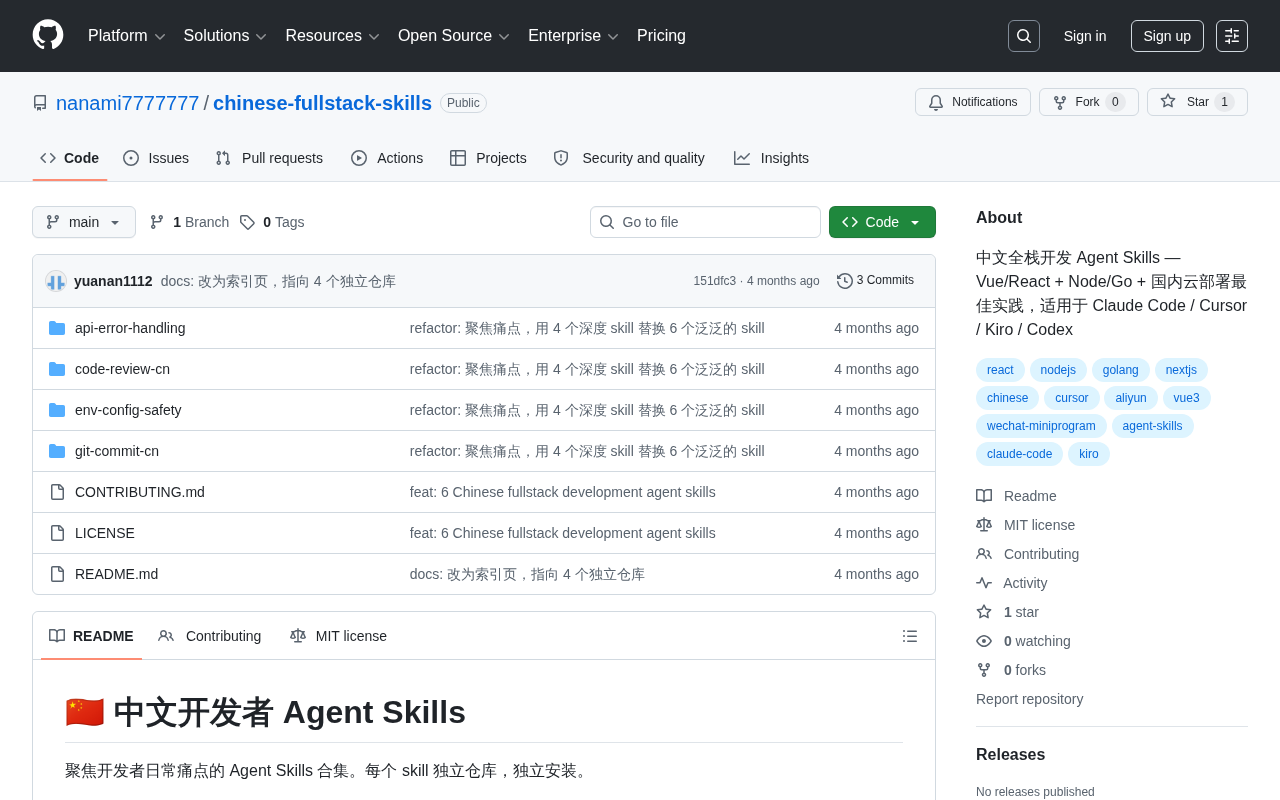
Chinese Full-Stack Agent Skills: A Skill Library Tailored for Domestic AI-Assisted Development
chinese-fullstack-skills is an Agent Skills library for Chinese full-stack development, covering Vue/React, Node/Go, and domestic cloud deployment best practices. Compatible with Claude Code, Cursor, Kiro, and Codex.
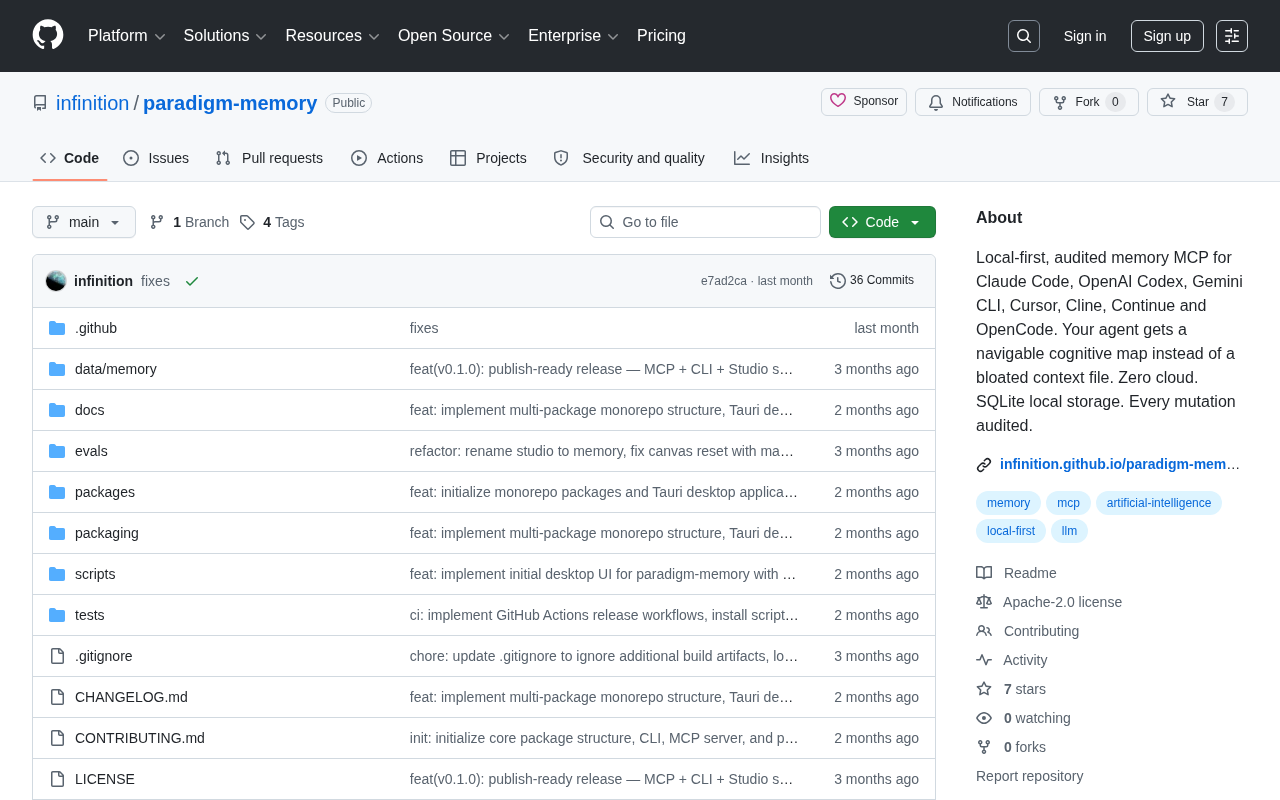
Paradigm Memory: A Local-First Memory System for AI Coding Assistants
paradigm-memory is a local MCP memory tool for Claude Code, Cursor, and Cline. It uses SQLite local storage, zero cloud, full audit trails, and a navigable cognitive map instead of bloated context files.
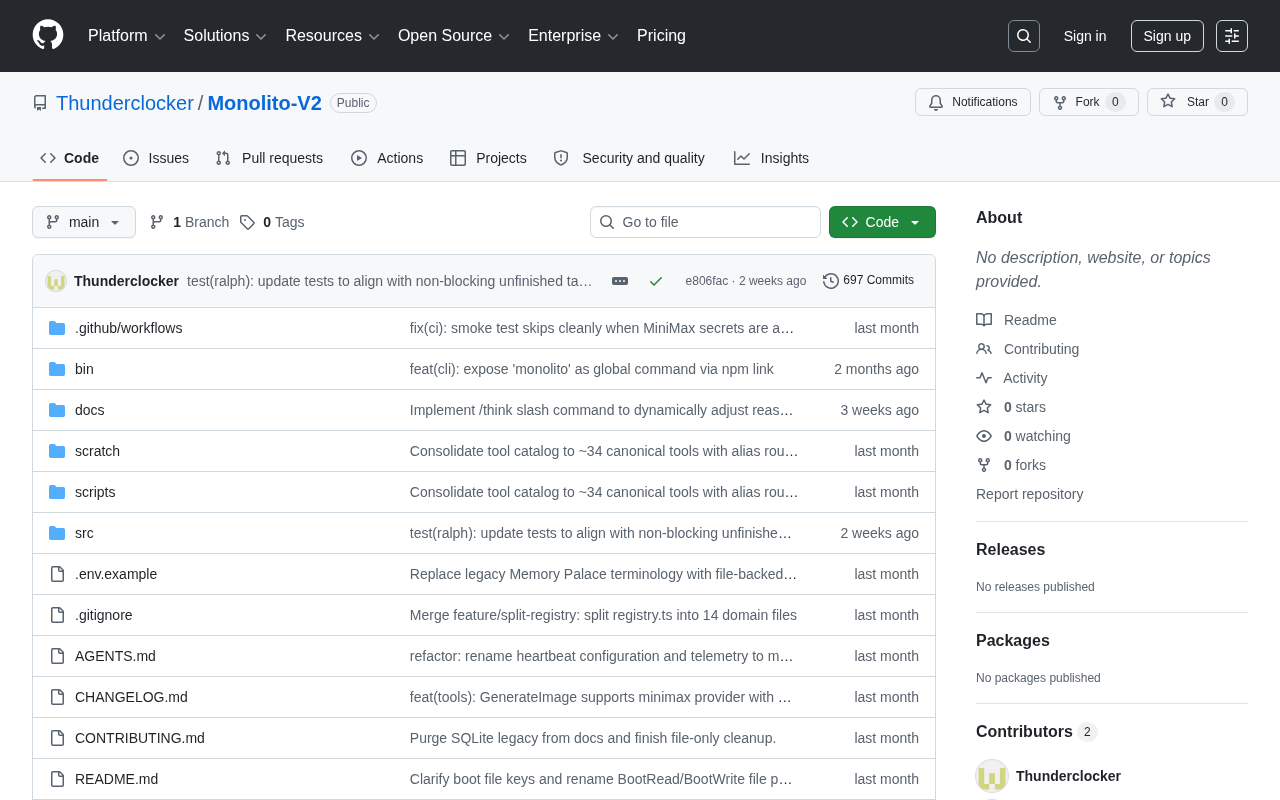
Monolito-V2: An AI Agent Project Aiming to Become a "Digital Symbiote in the Cloud"
Monolito-V2 is an open-source TypeScript AI Agent project aiming to become a 'digital symbiote' and 'cloud cerebral cortex.' We examine its concept, tech stack, and the real challenges ahead.