A Homemade System Monitor Goes Viral: Why the Open-Source Community Loves Reinventing the Wheel
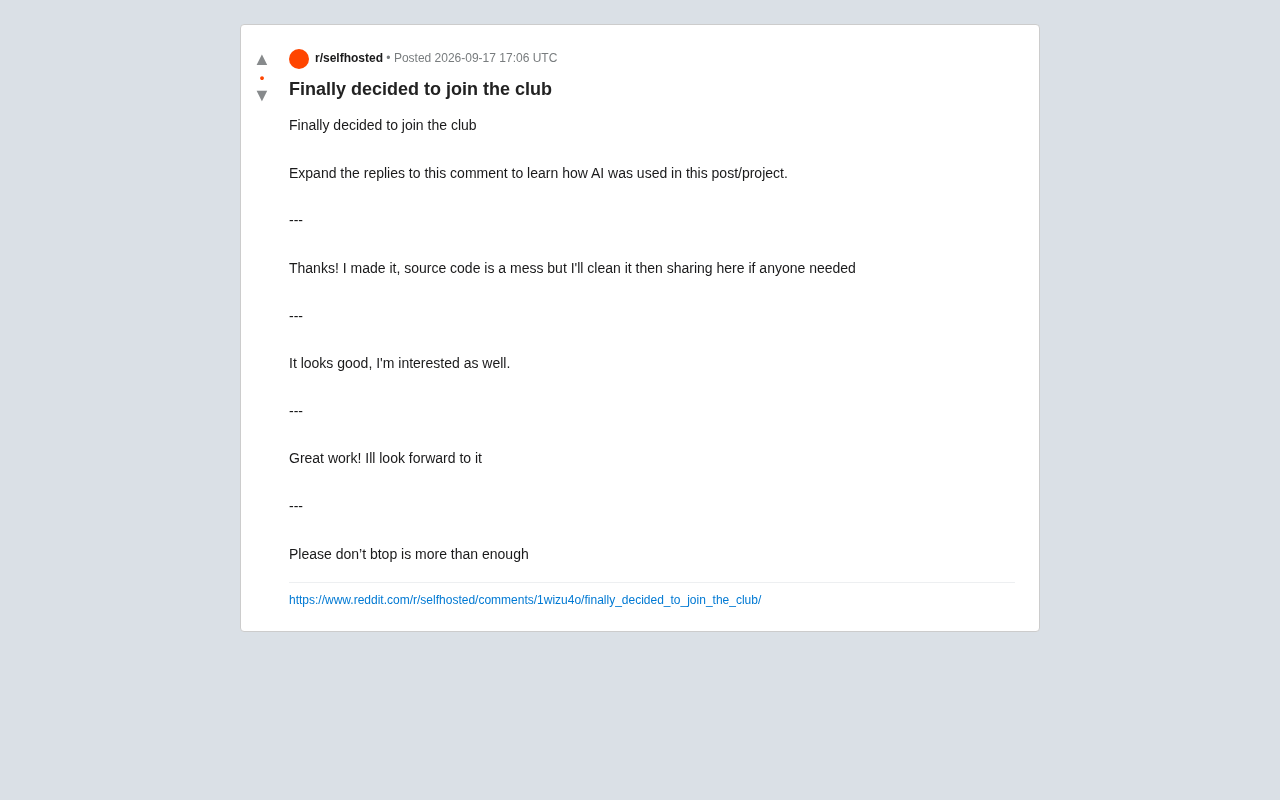
A homemade terminal monitor sparks open-source debate on reinventing the wheel and AI coding transparency.
A developer posted a self-built terminal system monitoring tool on Reddit, declaring they'd "finally joined the club" while admitting the code still needs cleanup before open-sourcing. The post drew divided reactions — encouraging support alongside blunt pushback like "btop is more than enough." The article explores why developers keep reinventing the wheel: building a monitor is an ideal hands-on project that deepens OS-level understanding through system calls, data collection, and terminal UI rendering. The post also disclosed AI usage, reflecting an emerging open-source norm where transparency about AI assistance builds community trust.
Yet Another System Monitor Is Born
A developer shared a homemade system monitoring tool on Reddit with a simple, straightforward caption: "Finally decided to join the club." Behind those words lies a long-standing pattern in the open-source community — every so often, a developer sets out to build their own terminal system monitoring dashboard.
In the post, the author candidly admitted the source code is currently a mess ("source code is a mess"), but plans to clean it up before open-sourcing it for anyone who might find it useful. This "build it first, polish it later, then open-source it" trajectory is practically the standard growth curve for personal developer projects.
Community Reactions: Encouragement and Gentle Ribbing
The comments reflected the open-source community's characteristic atmosphere. Most responses were encouraging — "It looks good, I'm interested as well" and "Great work! I'll look forward to it." This kind of positive feedback is often a key motivator for developers to keep pushing.
But not everyone was on board. One comment cut straight to the point: "Please don't, btop is more than enough." While it might sound like a cold bucket of water, it highlights a real challenge in the terminal monitoring space — mature tools like htop, btop, and glances already exist, and standing out in a crowded field is no easy feat.
htop is the classic interactive process viewer for Linux, dating back to 2004 and known for its colorful progress bars and mouse support. btop is the newer contender launched in 2021 — rewritten in C++, with a more modern interface, support for Linux/macOS/FreeBSD, and built-in multi-dimensional charts for network, disk, and memory. It's fast to start and remarkably light on resources, and many developers consider it the definitive terminal monitoring solution. glances takes a different approach — Python-based, with an emphasis on cross-platform support and extensibility, including a web interface and REST API, making it better suited for remote server monitoring. Because all three tools are mature and each has its own strengths, new entrants struggle to differentiate on pure functionality alone — which is the context behind comments like "btop is more than enough."
Why Developers Love to Reinvent the Wheel
Given that excellent tools already exist, why do developers keep building their own monitoring dashboards? The answer usually goes beyond pure practicality.
For many developers, a system monitoring tool is an ideal practice project. It touches multiple technical layers — system calls, data collection, terminal UI rendering — with just the right level of complexity to sharpen engineering skills while delivering immediate visual feedback. Compared to abstract algorithm exercises, a dashboard that displays real-time CPU, memory, and network stats feels far more rewarding.
"Reinventing the wheel" is also one of the most effective ways to deeply understand how things work under the hood. When you implement process list reading and resource usage calculations yourself, you come away with a much richer understanding of the operating system than you'd ever get from just using an existing tool. That learning value is something "btop is more than enough" simply can't account for.
The Role of AI in Personal Projects
Notably, the post explicitly disclosed how AI was used — comments prompted readers to expand replies to see how AI was involved in the project. This reflects a growing norm in the developer community: transparency about AI-assisted programming is becoming standard practice.
With AI coding assistants, individual developers can prototype faster, handle tedious boilerplate code, and focus their energy on core logic and creative decisions. This partly explains why more and more personal projects are coming together so quickly — a lower technical barrier makes it easier than ever to "join the club."
There's currently no unified standard for disclosing AI-assisted programming in the open-source community, but platforms like Reddit and GitHub have seen an organic honesty norm emerge: developers proactively note which parts of the code were generated or debugged with AI assistance, similar to the acknowledgments section of an academic paper. This practice stems from real community concerns — AI-generated code can introduce subtle logic flaws or license compliance risks, and upfront disclosure helps other contributors maintain targeted scrutiny during code review. For personal projects, transparency is also a low-cost way to build community trust: admitting AI usage doesn't diminish a project's value — if anything, it demonstrates respect for collaborative norms.
Takeaway
This simple sharing post captures several facets of open-source culture: the creative enthusiasm of individual developers, the community's mix of support and healthy skepticism, and the way AI tools are accelerating development productivity. Regardless of whether the new tool ever truly competes with btop, the act of building it has already created value. For readers following the open-source ecosystem, it's worth waiting until the author makes good on their open-source promise before passing final judgment.
Related articles
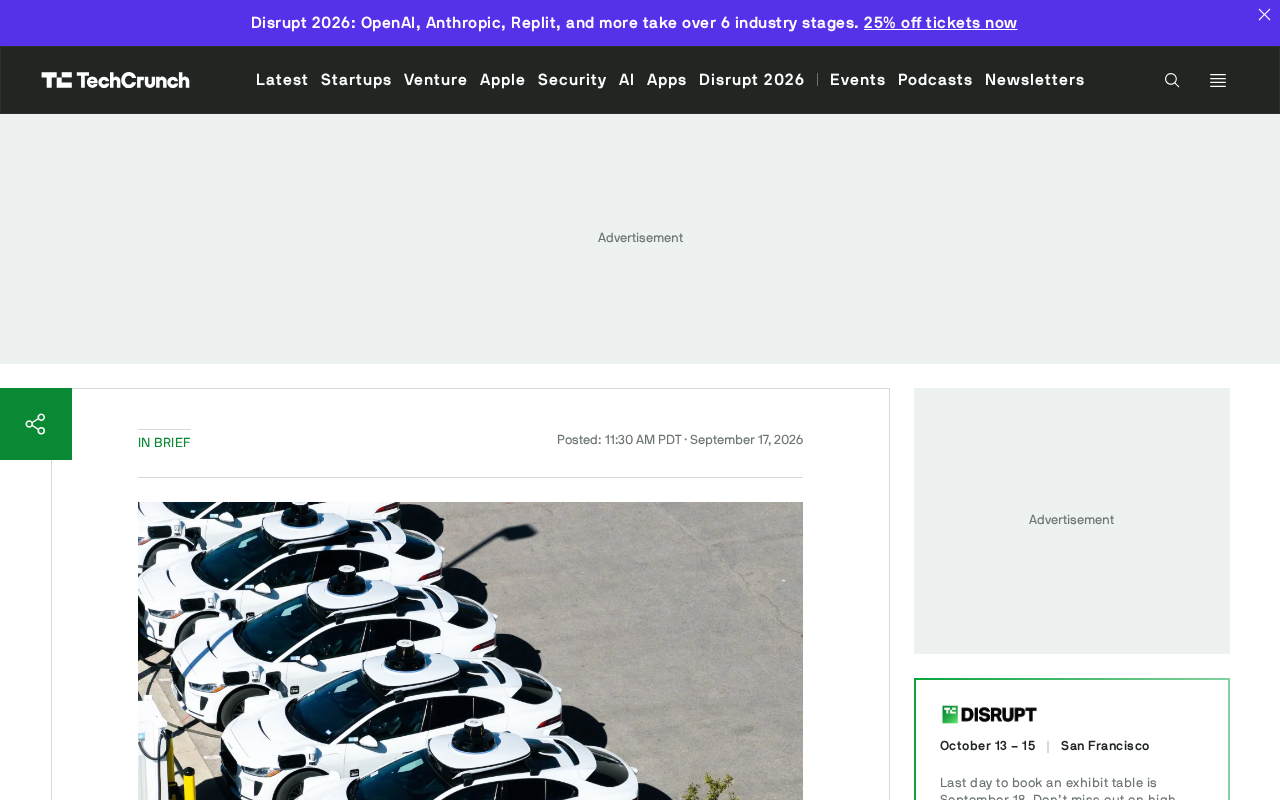
Waymo Restarts San Antonio Operations: Back on the Road Five Months After Flood Incident
Waymo resumes San Antonio Robotaxi service ~5 months after a vehicle was swept away in flooding. A look at what happened, why it took so long, and what it means for AV safety in extreme weather.
What Is AIOps? How AI Is Reshaping IT Operations
AIOps applies AI and machine learning to IT operations for anomaly detection, alert noise reduction, and root cause analysis — shifting teams from reactive to proactive.
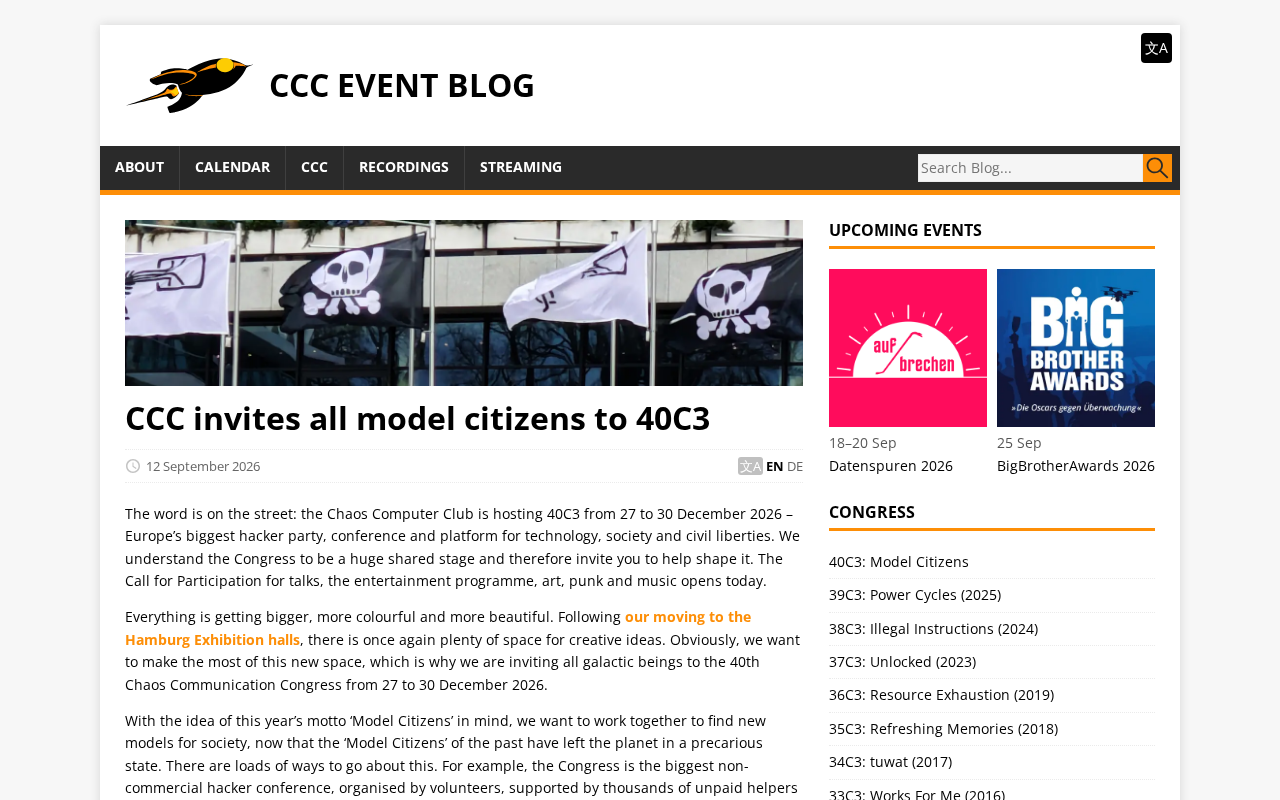
CCC Sends Its Invitation: 40C3 Hacker Congress Themed "Model Citizens"
CCC announces its 40th Chaos Communication Congress (40C3) under the theme "Model Citizens," inviting hackers worldwide to examine surveillance and algorithmic governance.