AI Agent Engineer Roadmap: From Model API Calls to Production Deployment

A four-step roadmap for becoming an AI Agent engineer — from model calls to production deployment.
This article breaks down a practical four-step roadmap for aspiring AI Agent engineers: mastering API calls and controlled prompt output; using retrieval, function calling, and code execution to move models from "talking" to "doing"; solving real engineering challenges like context management and output validation; and presenting concrete project outcomes on your resume instead of vague buzzwords. The technical path is sound, even if the source video is ultimately a course pitch.
Why AI Agent Engineering Is the Hottest Tech Role Right Now
Plenty of people are pivoting to AI, but the ones who actually command higher salaries tend to have done one thing right — they built an Agent that actually runs, works, and ships. This path has real value because what companies want is shifting.
As one Bilibili creator shared, there's a clear trend: fewer interviewers are asking "can you train a model?" and more are asking "can you wire a large language model into our business?" The real bar is whether you can get a model to call tools, run workflows, make decisions, produce results — and deliver that reliably. That's what AI Agent engineering roles are actually testing for.
In other words, the market doesn't need people who can recite concepts. It needs people who can turn a large model from a "toy" into a productivity tool. That's why Agent engineer salaries are relatively strong, and why many think the hiring window is wide open.
Don't Fall Into the "Tutorial Hoarding Anxiety" Trap
A lot of people trying to break into AI spend their days bookmarking tutorials, skimming concepts, and watching endless "beginner to expert" series — then continue to feel anxious and keep procrastinating. The creator behind this video admits he started out exactly that way: prompt engineering one day, LangChain the next, RAG the day after that. By the end he felt like he understood everything, but when it came to actually building something, he couldn't produce anything.
This is the classic gap between "understanding" and "writing it yourself." Reading someone else's code and understanding it is completely different from independently implementing a system from scratch. The approach that actually works is picking one complete, real-world project and building it end to end.
One word of caution: don't swear to yourself that you'll "start from Python fundamentals and work up from zero." That path is too slow — three months in you might still be wrestling with syntax, while Agent development demands an engineering-focused, hands-on mindset.

The Four-Step AI Agent Engineer Progression Path
Step 1: Get the Model to "Just Work"
Before worrying about frameworks or system architecture, the first goal is to reliably call a model and get it to produce output in exactly the format you need. Many people get stuck here because they endlessly debate "which model is best" or "how to tune parameters" — but you just need something that works. The goal is getting the pipeline running, not doing academic research.
This step has two core areas to practice: API calls — understanding how to pass in a prompt, retrieve a response, handle streaming output, and deal with errors; and prompt control — don't treat your prompt like a piece of writing, the key is making the output predictable. For example, getting the model to output strict JSON, to answer only within certain rules, and to explicitly say "I don't know" when it's uncertain. You need to lock down the output before anything downstream works reliably.
Step 2: Teach the Model to Use Tools
What makes an Agent valuable is that it doesn't just "talk" — it "acts." Tool usage is best practiced through three of the most common capabilities: retrieval, function calling, and code execution (or API calls).
Two examples: build a document Q&A Agent that retrieves from a knowledge base, composes an answer, and cites its sources without hallucinating; build a data analysis Agent where a user uploads a spreadsheet, and the model decides what analysis to run, writes the code, executes it, and explains the findings in plain language. Once a model can use tools, it goes from "chatbot" to "colleague" — and that's the fundamental difference.

Function Calling / Tool Use is one of the core capabilities of modern large models. It refers to the model recognizing, mid-conversation, when an external tool is needed — then automatically generating structured call instructions that an external program executes, with results returned to the model. OpenAI, Claude, Gemini, and other leading models all support this natively.
RAG (Retrieval-Augmented Generation) is the dominant approach for implementing "retrieval" as a tool: documents are chunked, embedded, and stored in a vector database (such as Chroma, Pinecone, or Milvus). When a user asks a question, the most relevant text chunks are retrieved and injected into the prompt before the model generates a response. The core value here is enabling the model to answer questions about private knowledge outside its training data, while reducing hallucinations — because answers have traceable sources. Understanding RAG retrieval quality (vector similarity, chunk splitting strategies) is critical for the engineering optimization work in Step 3.
Step 3: Turn the Agent Into an Interactive System
This is where a lot of people start to crack — the demo runs fine, but under real load it becomes unstable. This is where you start tackling genuine engineering challenges:
- How to manage context, and how to handle memory in long conversations
- How to keep the knowledge base fresh, and how to prevent garbage retrieval results
- How to validate model output and handle retries on failure
- How to implement logging and access control
These sound like pure engineering problems — and they are. That's exactly why companies are willing to pay well for this. An Agent engineer isn't a "toy engineer" — they're someone who can turn toys into tools. This step is best tackled by building one complete, substantial project from start to finish. Having done it yourself makes the lessons stick.
The "context management" challenge at this stage is one of the core engineering difficulties in building Agents. Large models are stateless by nature — each API call is independent, and "memory" must be actively maintained on the engineering side. There are three common approaches: full context concatenation, passing all message history to the model (simple, but will exceed token limits); sliding window, keeping only the most recent N turns; and summarization compression, periodically prompting the model to compress history into a summary before continuing. Frameworks like LangChain and LlamaIndex provide Memory modules to abstract this, but in production you typically also need external storage like Redis for cross-session persistent memory. For output validation, the standard approach is defining an expected JSON Schema with Pydantic and pairing it with retry logic (e.g., the Tenacity library) to automatically re-request when the model's output doesn't conform — this is the most fundamental engineering safeguard for system stability.
Step 4: How to Land the Offer
Don't write things like "familiar with large models" or "understand Agents" on your resume — those are meaningless. What you should write is: what system you built, how it works, what problems you solved, which key mechanisms you used, and how you ensured stability.

The creator offered a useful template: "Built a tool-calling Agent with task planning, retrieval-augmented generation, and output validation, supporting multi-turn dialogue and context management — reduced manual processing time from X to Y in [specific scenario]." A statement like that lets an interviewer quickly tell you've actually done the work. Interviewers are busy; they just want to quickly judge whether you can hit the ground running.
A Grounded Reality Check
This video is fundamentally a course advertisement — the creator mentions a friend at a major tech company recommended a course their company purchased, and the comments include links to free classes and resource packs (covering notes, interview questions, and business project walkthroughs). Treat the marketing framing with appropriate skepticism. Claims like "50x LLM" or "salary doubles" carry clear enrollment-pitch energy and shouldn't be taken at face value.
But strip away the marketing shell, and the technical roadmap itself holds up: get model calls working → teach the model to use tools → build it into a stable interactive system → present project outcomes on your resume. This progression logic — from basics to production — is genuinely useful reference material for anyone looking to transition into Agent development.
The real advice is pretty simple: if you're currently in the "I want to do this but don't know where to start, I've read through a ton of projects but can't piece anything together, I've sent out a lot of applications with no response" state — stop spiraling and start with the most critical part of the stack. Get the toolchain running. Ship a first version that actually works. Anxiety doesn't raise your salary. It just keeps you stuck.
Related articles
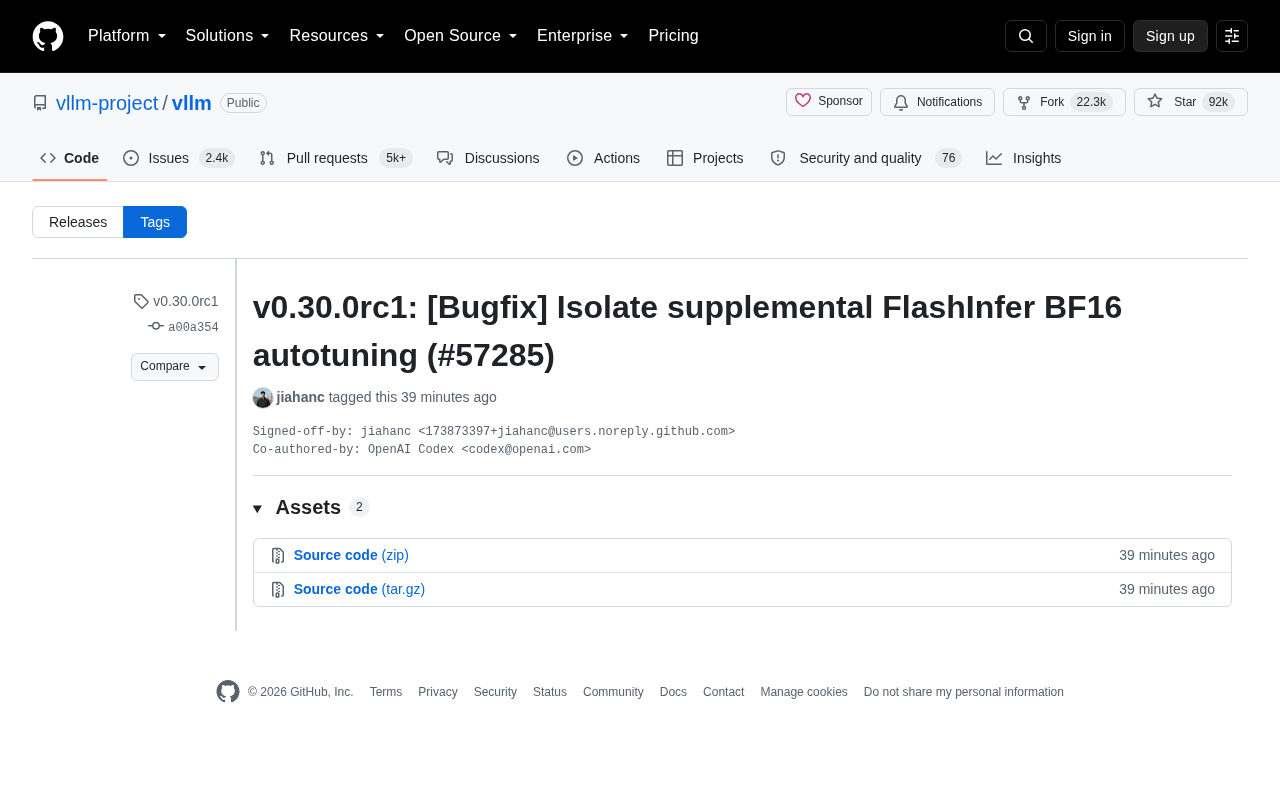
vLLM v0.30.0rc1 Released: Isolates FlashInfer BF16 Autotuning Logic
vLLM v0.30.0rc1 release candidate fixes FlashInfer BF16 autotuning isolation (PR #57285). Learn the technical background and its impact on inference deployment.
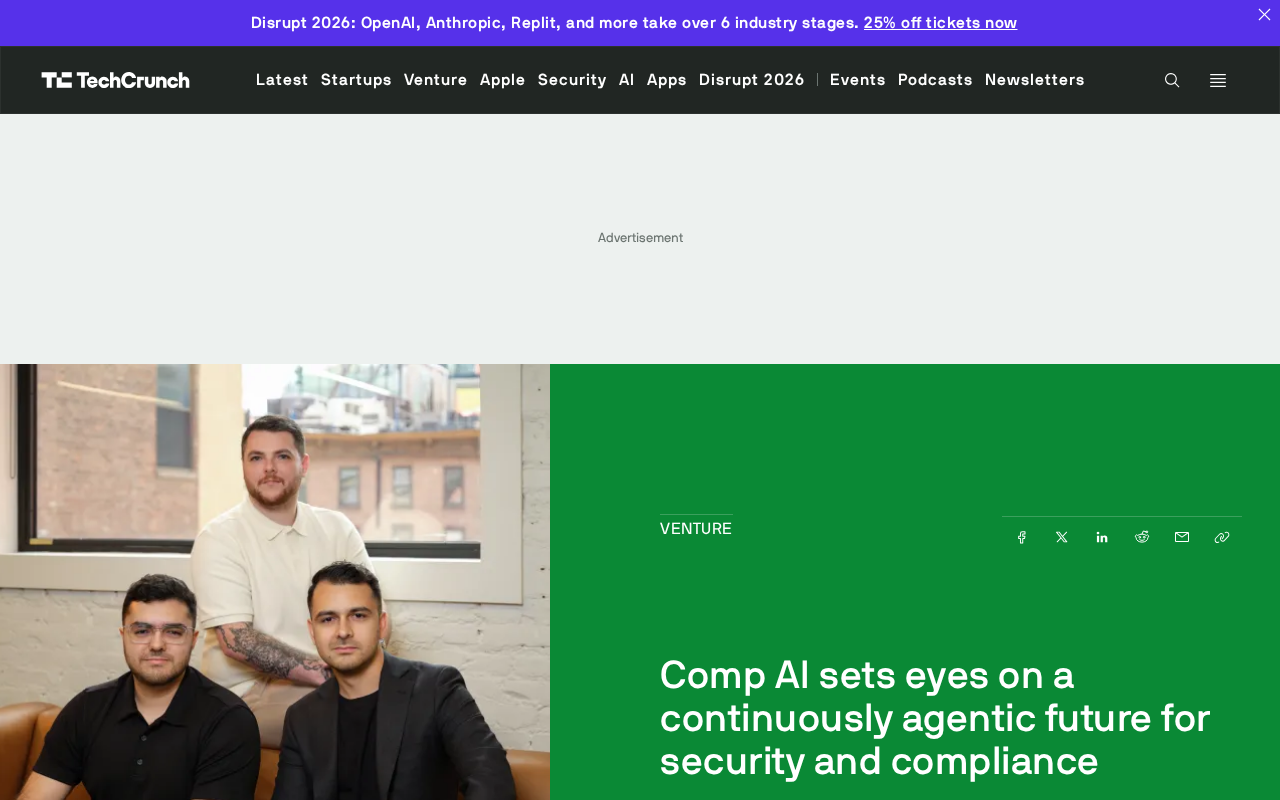
Comp AI Raises $34M Series A, Bets on Agentic Security Compliance
Comp AI raises $34M Series A led by Roo Capital and Grand Ventures, betting on "continuously agentic" AI to transform compliance from periodic audits into real-time monitoring.
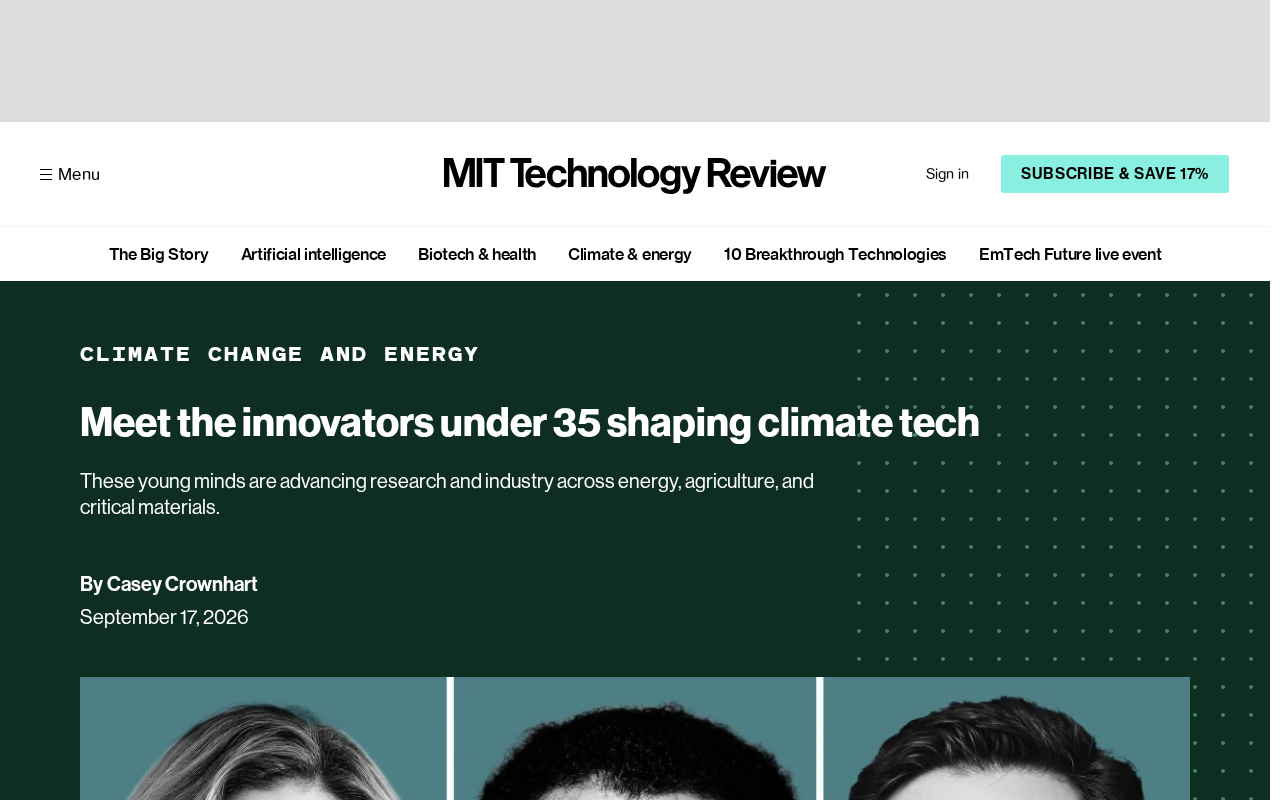
MIT Technology Review's 35 Innovators Under 35: A Climate Tech Edition Explained
MIT Technology Review's latest 35 Innovators Under 35 list focuses on climate tech, spotlighting nine young global innovators. Here's what the list means and why it matters.