AI Data Center E-Waste Crisis: The Severely Underestimated Hidden Cost
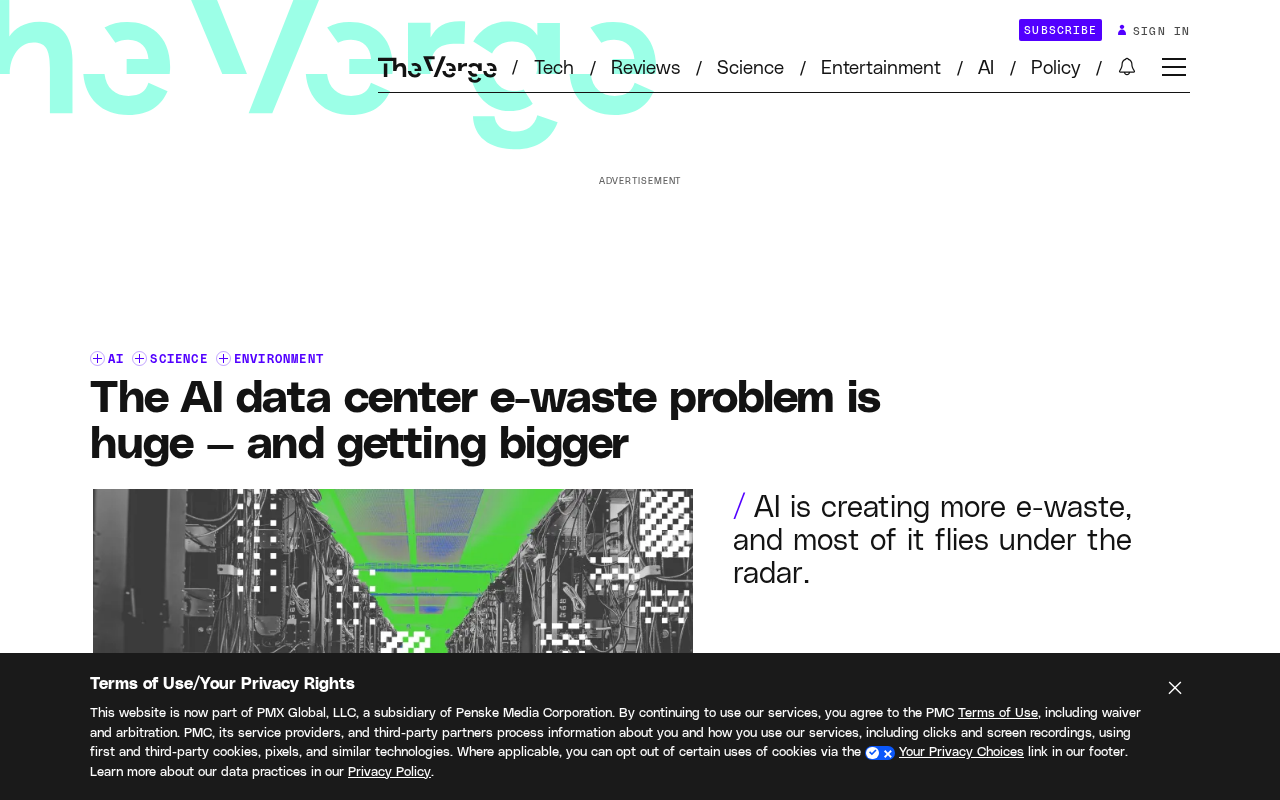
AI hardware's rapid upgrade cycles could generate e-waste filling 23 million containers by 2050, far exceeding prior estimates.
A new report reveals that e-waste from the AI boom has been severely underestimated. By 2050, discarded AI hardware could fill 23 million standard shipping containers — enough to circle the Earth six times. The root cause is data centers retiring GPUs and servers far sooner than traditional enterprise IT equipment, while existing forecast models relied on consumer electronics assumptions. Improper disposal of servers containing precious and hazardous materials threatens both resource recovery and environmental health. The report calls for AI sustainability efforts to move beyond energy and carbon metrics to address full hardware lifecycle management, modular design, and robust recycling infrastructure.
The E-Waste Bill Behind the AI Boom
The explosive growth of artificial intelligence has driven an unprecedented surge in computing demand — but a long-overlooked problem is now coming to the surface: electronic waste. A new report warns that the volume of e-waste generated by the AI boom has been severely underestimated. According to the latest projections, AI-related e-waste could fill 23 million shipping containers by 2050.
To put that number in perspective: if those standard 40-foot containers were lined up end to end, the resulting chain would wrap around the Earth six times. This estimate is far higher than figures cited in previous research, suggesting that both the industry and regulators have significantly misjudged the environmental impact of AI hardware lifecycles.
Why Earlier Estimates Fell Short
The underestimation of e-waste is closely tied to the pace at which AI hardware is being replaced. In the race to keep up with computing demands, data centers are cycling through GPUs, accelerators, and servers at an ever-accelerating rate. Every new generation of chips renders the previous generation obsolete — often long before those devices reach the end of their physical useful life.
Traditional e-waste models were built on assumptions about consumer electronics replacement cycles, and they failed to account for the rapid iteration patterns characteristic of data center-grade hardware. As the demand for AI training and inference has climbed far faster than anticipated, the rate at which supporting hardware is retired has been amplified accordingly — causing earlier forecasts to fall well short of reality.
Take GPUs as an example. NVIDIA's data center accelerator lineup has advanced at roughly a one-to-two-year cadence in recent years: from the A100 to the H100, then the H200 and the Blackwell architecture, with each generation delivering several times the AI training throughput of its predecessor. These performance leaps create strong economic incentives for operators to retire previous-generation hardware early — even if those servers have only been running for two to three years, rather than the seven-to-ten-year lifespan typical of traditional enterprise IT equipment. It's also worth noting that data center hardware is nothing like consumer electronics such as smartphones. A single H100 GPU can cost over $30,000, and a server equipped with eight of them is worth more than $200,000 — meaning the resource waste and potential pollution associated with retiring this hardware at scale is incomparable to ordinary consumer devices.
The Real Challenge Behind the Container Count
The image of 23 million containers is striking, but the real challenge lies in how this retired hardware gets handled. Servers and GPUs contain rare and precious metals as well as potentially hazardous substances. Improper disposal not only squanders recoverable resources but can also cause serious environmental harm.
As AI infrastructure expands rapidly around the world, the gap between where e-waste is generated and where processing capacity exists is widening. Recycling systems, dismantling processes, and the cross-border regulation of waste flows will all face unprecedented strain. This means the conversation around AI sustainability cannot remain focused solely on energy consumption and carbon emissions — full hardware lifecycle management is equally critical.
The key materials found in servers and GPUs include precious metals such as gold, silver, and palladium (used in circuit board contacts and solder), cobalt and lithium (battery components), indium and gallium (semiconductor materials), and hazardous heavy metals including lead, mercury, and cadmium. When these materials end up in informal dismantling operations — still a common outcome in global e-waste processing — they can cause long-term ecological damage through soil and groundwater contamination. On the other hand, while extracting high-value metals is technically feasible, the economic costs remain high, making formal recycling operations chronically difficult to sustain profitably and preventing the emergence of scaled, closed-loop supply chains. As AI-driven hardware retirement accelerates well beyond historical norms, the gaps in existing recycling infrastructure will be exposed and amplified.
Implications for the Industry
The value of this report lies in its reminder to the entire industry: the hidden costs of scaling computing power extend far beyond electricity bills and carbon footprints. Hardware recycling, circular reuse, and extending the useful life of equipment should be core considerations in data center planning — not afterthoughts.
For chip manufacturers, cloud providers, and regulators alike, practical paths forward include establishing more transparent hardware retirement tracking mechanisms, promoting modular and repairable design, and strengthening the recycling supply chain. Whether AI's long-term development can truly be "green" depends in large part on our willingness to confront and address these underestimated physical costs.
Note: This article is based on a single source report. Please refer to the original report for specific data.
Related articles
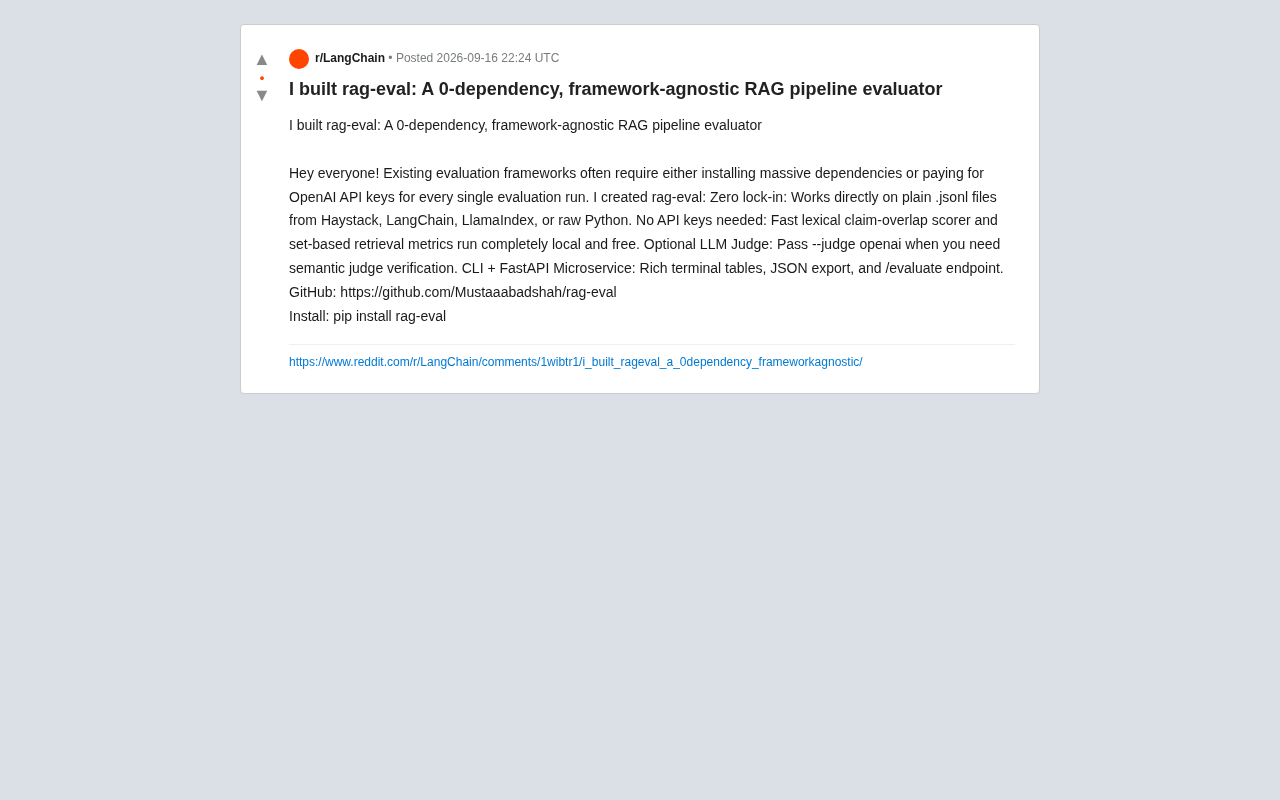
rag-eval: A Zero-Dependency, No-API-Key RAG Evaluation Tool
rag-eval is a zero-dependency, framework-agnostic open-source RAG pipeline evaluation tool. It supports free local lexical and retrieval metrics with no API keys required, and offers optional LLM Judge for semantic validation. Compatible with Haystack, LangChain, and LlamaIndex.
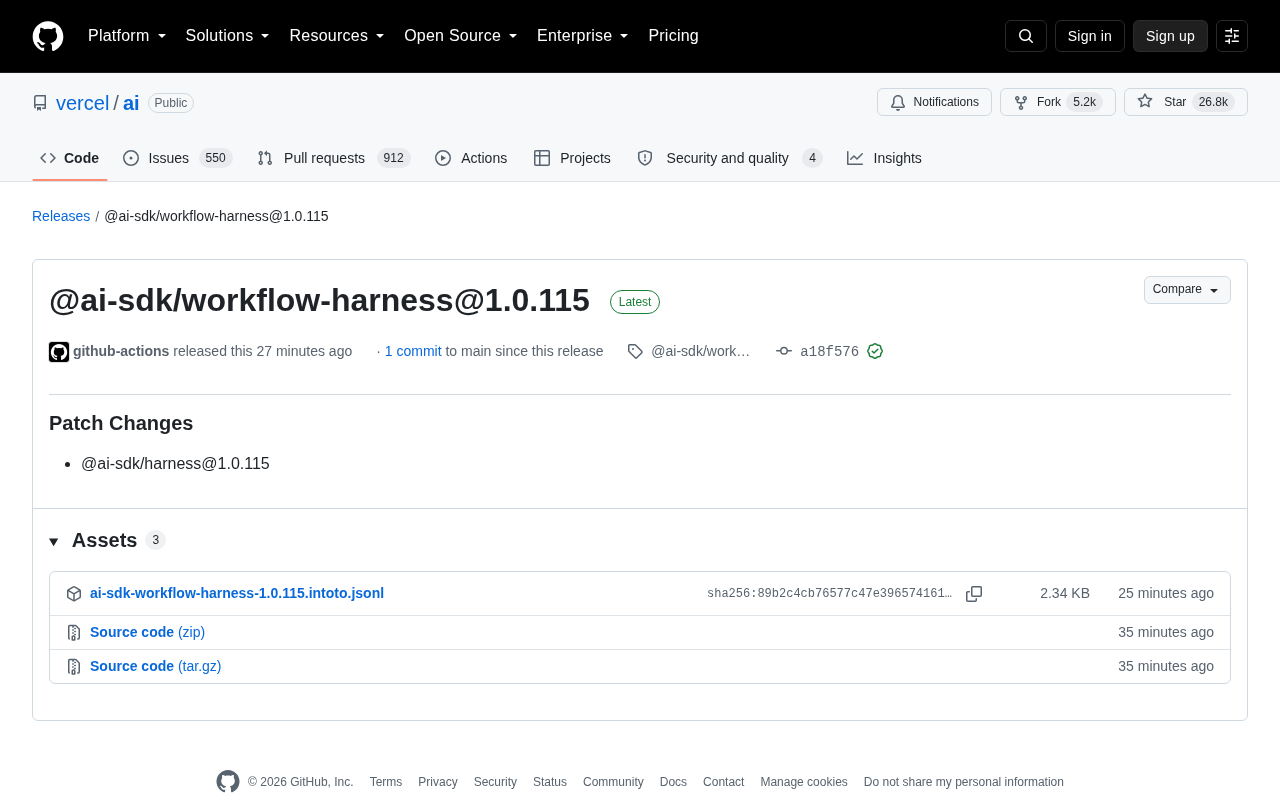
Vercel AI SDK Releases workflow-harness 1.0.115 Patch Update
Vercel AI SDK releases @ai-sdk/workflow-harness 1.0.115 patch update, syncing the @ai-sdk/harness dependency. Learn about the update, release mechanism, and what it means for developers.

GLM 5.3 Now Available on Serverless Training API — No Sales Process Required
GLM 5.3 is now available on Serverless Training API alongside Kimi K3 and Qwen 3.8 27b. No sales process needed — start fine-tuning directly via docs or pre-made recipes.