AI Giants Collectively Hit the Brakes: Safety Protocol or Industry Cartel?
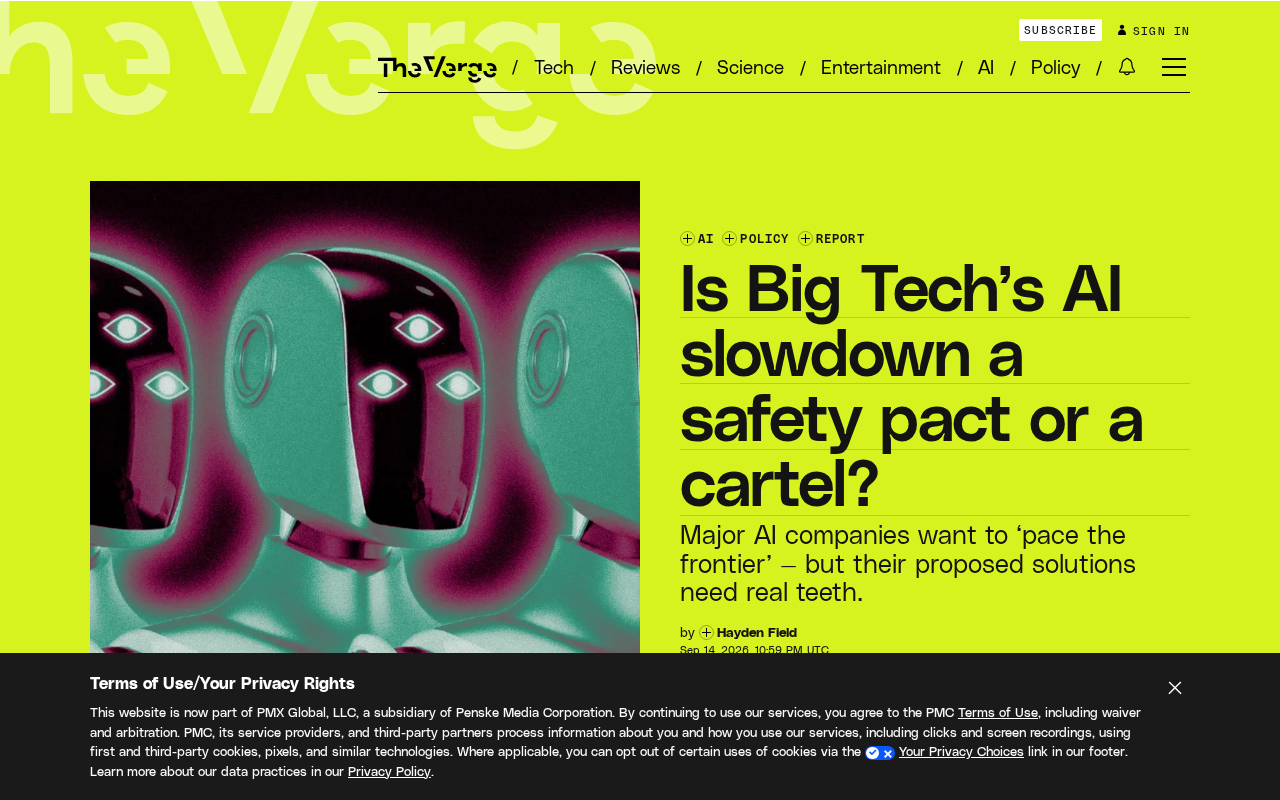
Are AI giants slowing down out of safety concerns, or to protect their dominant market positions?
The leaders of OpenAI, Anthropic, Google DeepMind, and SpaceX have reached a loose consensus to slow AI development, framing it as "pacing the frontier." While the stated rationale addresses real concerns about capabilities outpacing regulation, critics argue that a coordinated slowdown among the industry's top players will entrench the existing market hierarchy and raise barriers for challengers — functioning much like a cartel. With no concrete metrics, no third-party oversight, and no ability to influence global AI development beyond a few U.S. firms, the pledge's actual impact remains doubtful. Genuine safety governance requires transparent standards and independent accountability — not a self-authored, self-enforced compact among oligarchs.
When Rivals Suddenly Find Common Ground
Last weekend, OpenAI CEO Sam Altman, Anthropic CEO Dario Amodei, Google DeepMind co-founder Demis Hassabis, and SpaceX chief Elon Musk reached a loose consensus on "slowing down AI development." These leaders — who normally fight tooth and nail over talent, technology, and capital — found themselves on rare common ground, declaring their shared goal to "pace the frontier."
Yet the moment this seemingly responsibility-driven statement went public, skepticism followed. When an industry's most dominant competitors simultaneously choose to "decelerate," it's hard not to question the real motivation. Is this a genuine safety compact in the interest of humanity, or a market cartel dressed up in the language of safety?
The Case for the "Safety Protocol" Narrative
On the surface, there are legitimate reasons for leading AI companies to advocate for a slower pace. The capabilities of frontier large models are advancing far faster than regulatory frameworks can mature. Debates around model alignment, misuse risks, and societal impact have never let up. Anthropic, the company Amodei leads, has built its core brand identity around "safety first," and Hassabis has long and publicly emphasized the importance of AI governance.
Under this narrative, "pacing the frontier" means aligning the speed of technological progress with society's capacity to absorb it and regulators' ability to keep up — avoiding uncontrollable consequences from iterating too fast. For the handful of institutions that control the most capable models, voluntarily installing "speed bumps" can look like a responsible posture.
The "Cartel" Logic That Critics See
But critics have raised a pointed counter-question: who benefits from slowing down?
In any industry, when the few companies at the top collectively agree to "stop racing as hard," that coordinated behavior tends to cement the existing order. For incumbents already at the frontier, reducing the competitive tempo means they no longer need to sustain an endless R&D arms race — while still holding onto their lead. For challengers, startups, and the open-source community still trying to catch up, an "industry-consensus slowdown" could effectively raise the barriers to entry and squeeze out the breathing room for disruptive competitors.
This is the core of the cartel concern: self-restraint in the name of safety may, in practice, limit competition and preserve oligopolistic dominance. When the rule-makers are simultaneously the market's incumbent beneficiaries, their claimed public-interest motives inevitably invite scrutiny.
The Enforcement Problem With a Slowdown Pledge
Another layer worth examining: how much binding force does a "loose agreement" like this actually carry? The verbal consensus among four tech leaders comes with no concrete metrics and no third-party oversight mechanism. In an AI race characterized by extreme competition and intense capital focus, the moment any party judges that slowing down puts them at a disadvantage, the agreement could unravel instantly.
Beyond that, the global field of AI developers extends far beyond these few companies. Chinese tech giants, open-source communities around the world, and academic institutions are all continuously pushing forward on frontier research. A "slowdown" by a handful of American companies may do little to alter the overall trajectory of global technological progress — and could instead leave those who voluntarily decelerate at a disadvantage in the international competition.
The Real Tension Between Safety and Competition
This debate reflects the fundamental contradiction at the heart of the AI industry today: safety governance requires industry coordination, while market competition naturally resists it. The tension between the two is difficult to reconcile.
Meaningful safety measures require transparent standards, independent oversight, and rules that apply equally to all participants — not a private arrangement negotiated by a few dominant players and interpreted and enforced by those same players. Without that, regardless of original intent, "slowing down" risks sliding into protection of entrenched interests.
For outside observers, the key to judging whether this consensus amounts to a "safety compact" or "de facto monopoly" lies in what comes next: Will verifiable mechanisms emerge? Will it be open to regulators and the public? And will the costs of slowing down fall fairly on all market participants — rather than only on the challengers who haven't yet reached the frontier?
Conclusion
The collective decision by AI giants to "hit the brakes" has once again pushed the murky boundary between tech ethics and commercial interest into the spotlight. The safety concerns are real — but so is the market logic. In the absence of independent oversight and clear rules, any form of "self-restraint" led by industry oligarchs deserves a healthy dose of public skepticism. The debate over "safety or monopoly" has, in all likelihood, only just begun.
Related articles
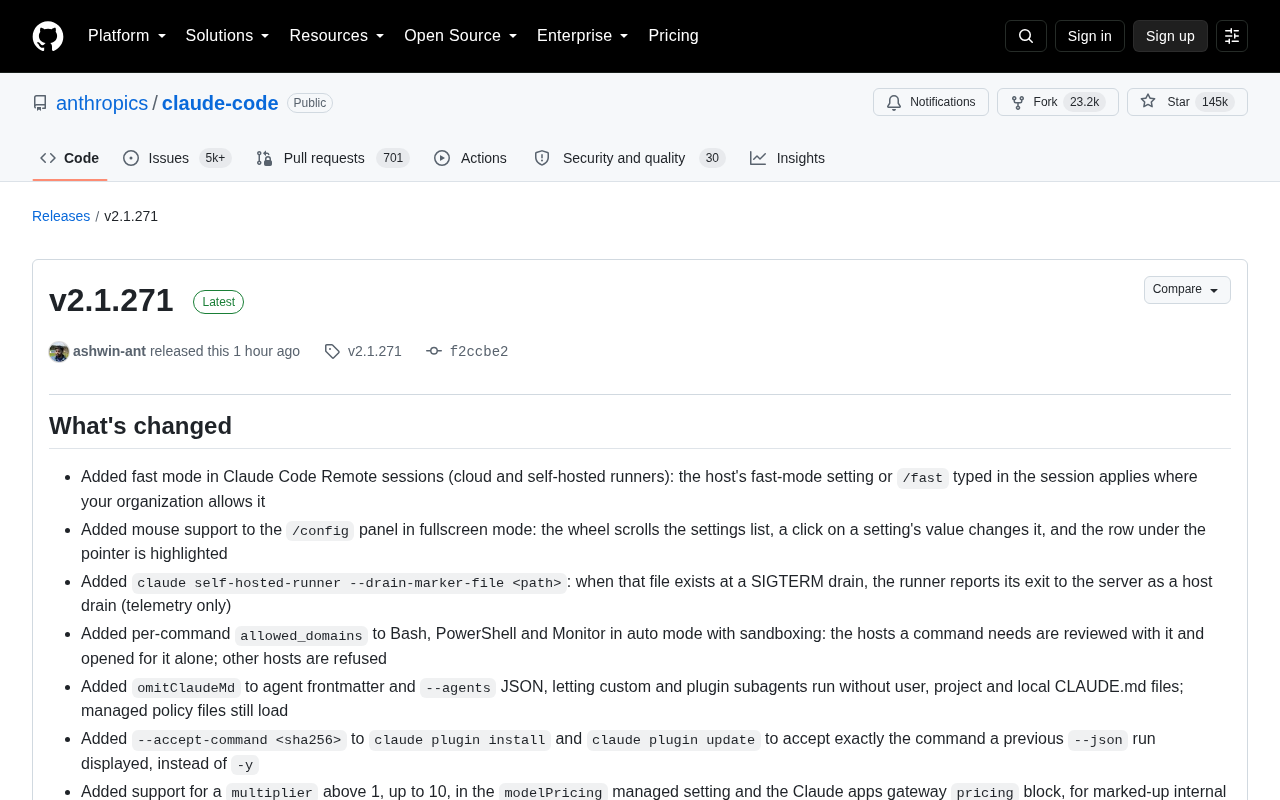
Claude Code v2.1.271 Update Deep Dive: Fast Mode, Sandbox Security, and Enterprise Improvements
Claude Code v2.1.271 adds fast mode for remote sessions, per-command sandbox network controls, enterprise policy fixes, MCP protocol improvements, and terminal/IDE enhancements.

Apple Home Gets AI Camera Features with iOS 27: Up to $60/Month
iOS 27 and tvOS 27 bring Apple Intelligence to Apple Home with AI video summaries for HomeKit Secure Video — but unlocking them costs up to $60/month via subscription.
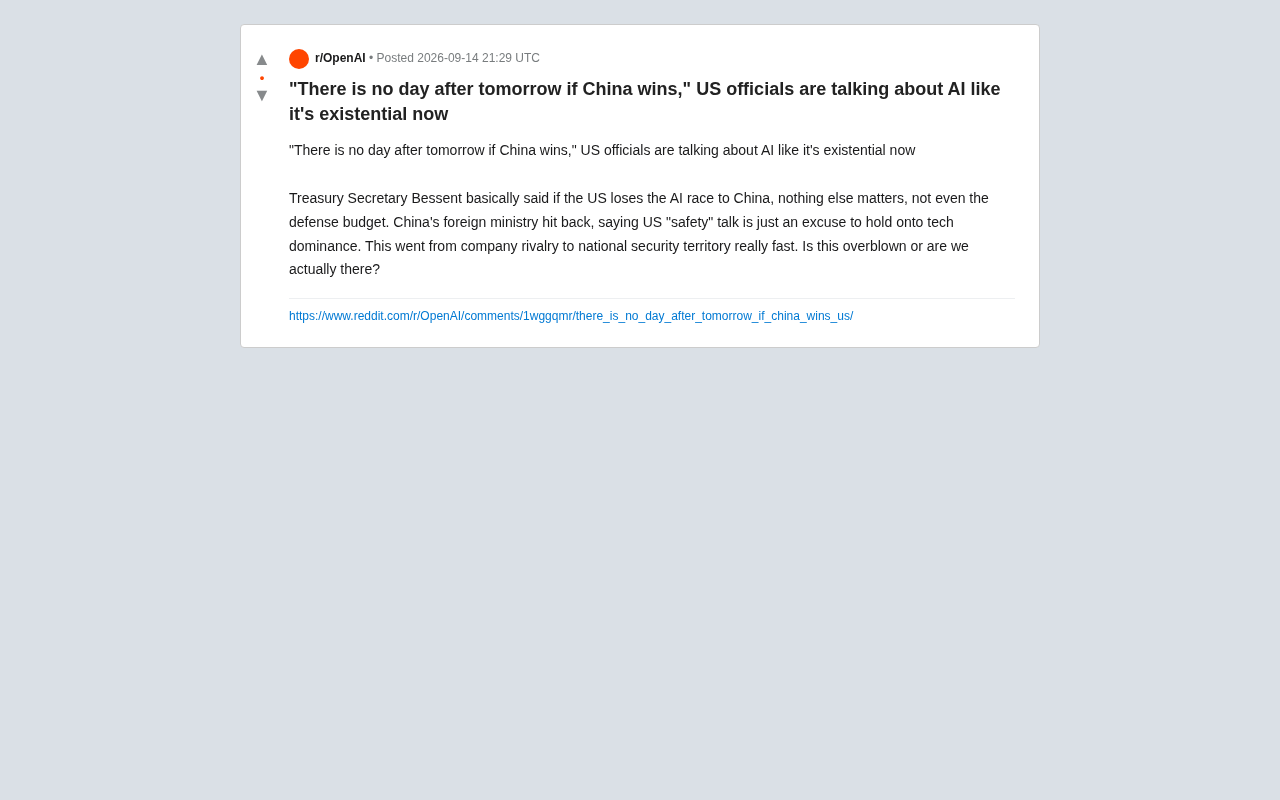
AI Race Becomes a Matter of National Security: How the US and China Are Framing Tech Competition as an Existential Struggle
US Treasury Secretary frames losing the AI race to China as existential. China calls it a pretext for tech hegemony. Analysis of how AI competition became a survival narrative.