AI Governance at Machine Speed: Inside the AGIL Adaptive Architecture
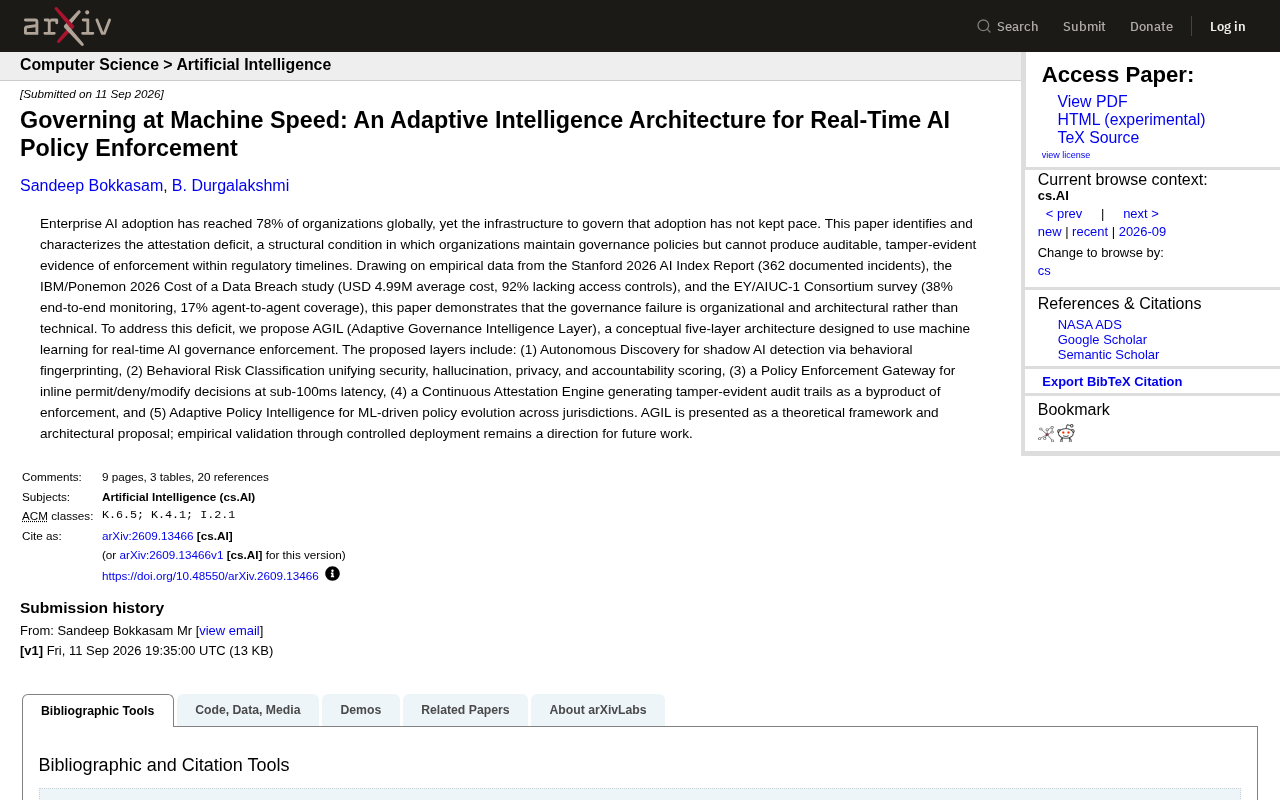
AGIL proposes a five-layer architecture to govern AI at machine speed and close the enterprise attestation deficit.
With 78% of organizations running enterprise AI but governance lagging far behind, a new arXiv paper coins the term 'attestation deficit' — organizations have policies but can't produce auditable, tamper-evident enforcement evidence. Drawing on data from Stanford, IBM/Ponemon, and EY (362 AI incidents, $4.99M average breach cost, 17% agent-to-agent monitoring coverage), the paper proposes AGIL: a five-layer architecture spanning shadow AI discovery, multi-dimensional risk classification, a sub-100ms policy enforcement gateway, continuous attestation as a byproduct, and cross-jurisdiction adaptive policy intelligence. AGIL remains a theoretical framework pending empirical validation, but it clearly defines the structural problem and points toward governing machines at machine speed.
Enterprise AI Is Racing Ahead — Why Is Governance Falling Behind?
Seventy-eight percent of organizations worldwide are already running enterprise AI, yet the infrastructure needed to govern those systems has lagged far behind. A paper recently posted to arXiv sharpens this problem with a pointed concept: the attestation deficit. Organizations hold stacks of governance policies but cannot produce auditable, tamper-evident enforcement evidence within the timeframes that regulators demand.
In plain terms, AI governance at many companies exists only on paper. Policies look great in documents, but when a regulator comes knocking and asks for proof that those policies were actually enforced, enterprises often cannot produce a timestamped, immutable evidence chain. Compliance becomes a paper game.
The authors make a point that is easy to overlook: governance failures are fundamentally organizational and architectural in nature, not technical. The technical capabilities already exist. What is genuinely missing is the system design that embeds governance into the AI operational chain itself.
Three Reports That Reveal the Governance Black Hole
The paper grounds its argument in data from three authoritative sources — and the numbers speak for themselves.
The Stanford 2026 AI Index documented 362 AI-related incidents, signaling that the rate at which AI systems cause real-world problems is no longer negligible. The IBM and Ponemon Institute 2026 Cost of a Data Breach Study offers a starker figure: the average breach now costs $4.99 million, and 92% of those cases lacked basic access controls.
Perhaps most thought-provoking is the finding from the EY and AIUC-1 Alliance survey: only 38% of organizations have achieved end-to-end monitoring, and coverage of agent-to-agent interactions sits at a meager 17%. As multi-agent collaborative systems become increasingly common, this blind spot could evolve into the next major risk frontier. When AI systems interact autonomously with one another and no one is watching, the resulting behavior chains are essentially a black box to humans.
Taken together, these figures paint a clear picture: a vast chasm exists between AI adoption rates and governance maturity, and that chasm is already showing up as real financial losses.
AGIL: A Five-Layer Adaptive Governance Architecture
To close the attestation deficit, the paper proposes AGIL (Adaptive Governance Intelligence Layer) — a conceptual five-layer architecture that uses machine learning to enforce AI governance in real time.
A Complete Pipeline from Discovery to Enforcement
Layer 1 is Autonomous Discovery, which uses behavioral fingerprinting to detect "shadow AI." Employee-deployed AI tools that bypass IT oversight are common inside large organizations; this layer aims to surface those invisible systems.
Layer 2 is Behavioral Risk Classification, which unifies scoring across four dimensions — safety, hallucination, privacy, and accountability — into a single framework. This multi-dimensional scoring prevents risk assessments from becoming siloed.
Layer 3 is the Policy Enforcement Gateway, the most technically demanding component: making inline allow/deny/modify decisions with sub-100ms latency. Achieving this balance — not slowing down the business while precisely blocking violations at machine speed — is an extraordinarily difficult engineering challenge.
Making Audits a Byproduct
Layer 4 is the Continuous Attestation Engine, the conceptual centerpiece of the entire architecture. Rather than generating audit trails after the fact, it produces tamper-evident records as an automatic byproduct of the enforcement process itself. This directly addresses the attestation deficit — evidence no longer needs to be gathered retroactively; it is naturally captured the moment a governance action occurs.
Layer 5 is Adaptive Policy Intelligence, which uses machine learning to evolve policies across different legal jurisdictions. Given the fragmented global AI regulatory landscape, this kind of automatic adaptation is especially critical.
Concept First, Validation Still Ahead
It is worth being clear-eyed: AGIL is currently a theoretical framework and architectural proposal. The authors themselves acknowledge that empirical validation through controlled deployments remains future work.
In other words, the architecture's feasibility, its performance characteristics (especially that ambitious sub-100ms latency target), and its real-world behavior in production enterprise environments have not yet been tested experimentally. It reads more like a rigorous design blueprint — one that names the problem clearly and offers a systematic approach to solving it.
That said, the paper's contribution lies precisely in giving a structural name to the "attestation deficit" and proposing a paradigm shift: from reactive, after-the-fact compliance toward real-time, embedded governance enforcement. For enterprises and regulators wrestling with AI compliance, the idea of governing machines at the speed of machines is worth taking seriously. When AI decisions are measured in milliseconds, a governance mechanism that still runs at the pace of human audits will only fall further behind.
Related articles
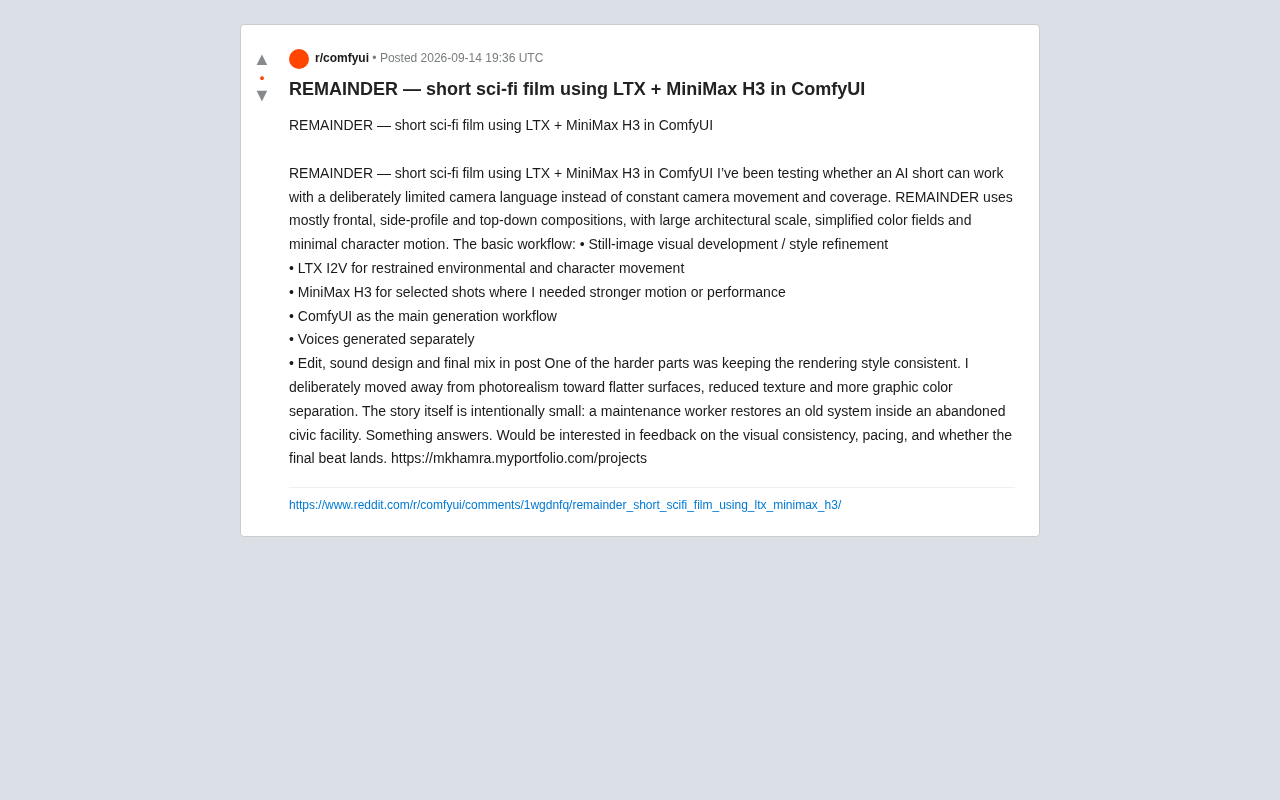
Building an AI Sci-Fi Short with LTX + MiniMax H3: Restrained Cinematography in ComfyUI
Sci-fi short REMAINDER uses LTX, MiniMax H3, and ComfyUI with restrained cinematography and flat aesthetics to solve visual consistency in AI filmmaking.
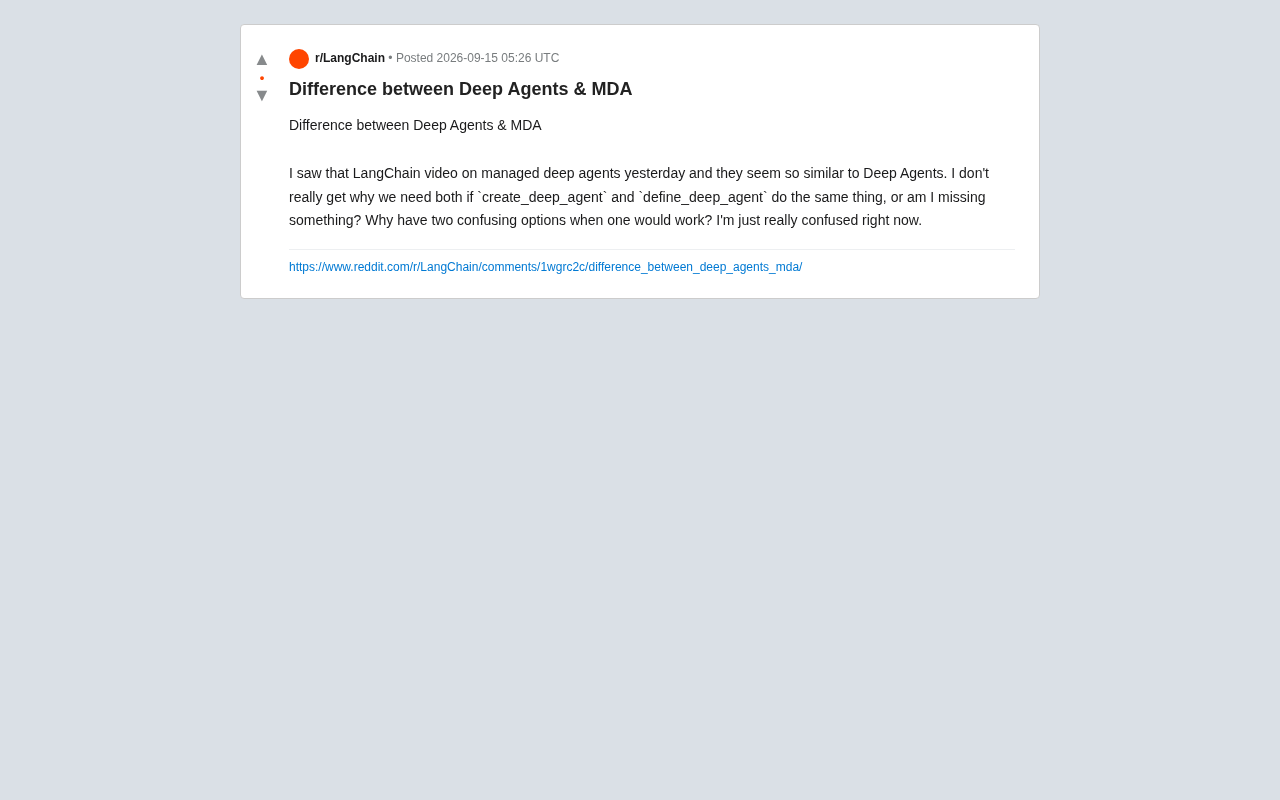
LangChain Deep Agents vs. MDA: Clearing Up the Confusion for Developers
What's the difference between LangChain's Deep Agents and MDA (Managed Deep Agents)? We break down create_deep_agent vs. define_deep_agent and help developers choose.
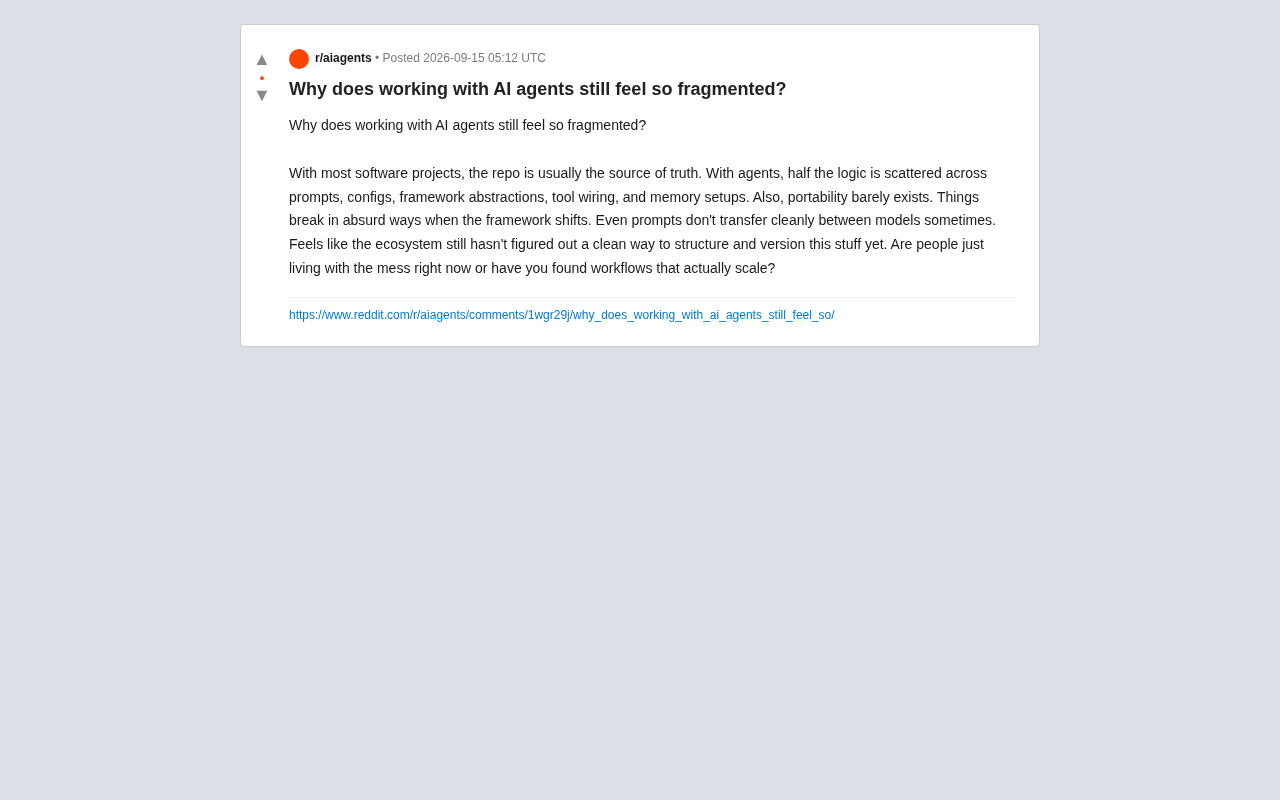
Why Is AI Agent Development So Fragmented? The Real Causes and How to Work Around Them
Why does AI Agent development feel so fragmented? Logic scattered across prompts, configs, and frameworks makes portability nearly impossible. Here's why — and how to cope.