AI Manga Drama from Beginner to Published: How to Make Animated Comic Shorts with Just One Computer

Make animated comic short dramas with just one computer using AI tools — no art or editing skills required.
AI manga dramas use AI tools to generate visuals, motion, and voiceovers for animated comic short-form content, compressing what once required a full team into a solo workflow. Based on Bilibili creator WorkBuddy's experience, this article covers the six-stage pipeline — topic selection, scripting, image generation, video, voiceover, and editing — and argues that success hinges not on prompt-writing but on script quality and platform strategy. A "conceptual foundation first" learning approach is recommended to help creators build a clear framework before touching any tools.
AI manga dramas are emerging as the next big opportunity in content creation. They're animated comic short-form dramas generated entirely by AI — visuals, motion, and voiceovers included. In the past, producing an animated short required hiring illustrators, voice actors, and building a whole team, with high costs and long timelines. Now, all it takes is one computer. No drawing skills needed, no editing experience required, and no professional equipment to buy upfront.
This article is based on the full-workflow insights shared by Bilibili creator WorkBuddyAd, walking through the core stages, platform strategies, and practical steps behind this emerging creative format — so newcomers can avoid the most common pitfalls.
What Exactly Is an AI Manga Drama
At its core, an AI manga drama blends the visual style of comics with the narrative structure of short-form drama, all generated by AI. Compared to traditional animation, it dramatically lowers both the technical and financial barriers: no professional illustrators or voice teams required. Individual creators can use AI tools to handle everything from concept to finished video, entirely on their own.
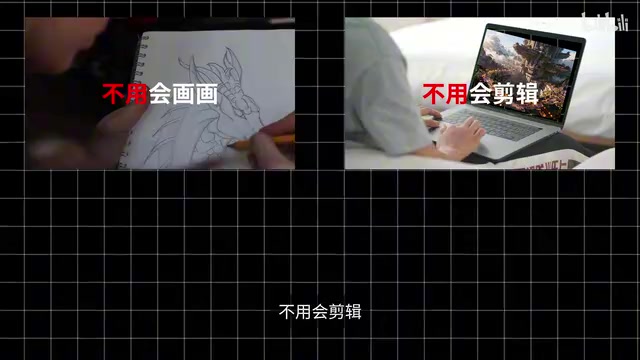
That low barrier is precisely what makes AI manga dramas worth paying attention to. What once required a full team working in collaboration has been compressed into something one person with one computer can actually execute. For anyone looking to break into content entrepreneurship without a background in art or video production, this is a relatively accessible entry point.
From a toolchain perspective, AI manga drama production typically relies on several categories of tools working together: image generation models (such as Midjourney, Stable Diffusion, or ComfyUI) generate static frames in a comic art style; image-to-video models (such as Runway, Kling, or Luma) transform those static images into short clips with motion; AI voiceover tools (such as ElevenLabs or iFlytek) generate character dialogue and narration from script text; and editing software (such as CapCut or Premiere) assembles all the assets into a finished video. Every node in this toolchain is evolving rapidly, and the barrier keeps dropping — but that also means creators need to stay current on tool updates, or risk working with solutions that have already been superseded.
Making a Manga Drama Requires Six Distinct Stages
Based on the creator's experience, taking an AI manga drama from idea to finished product involves six stages: topic selection, scriptwriting, image creation, video generation, voiceover, and editing. Every project requires going through this full pipeline, and a breakdown at any single stage can sink the entire piece.
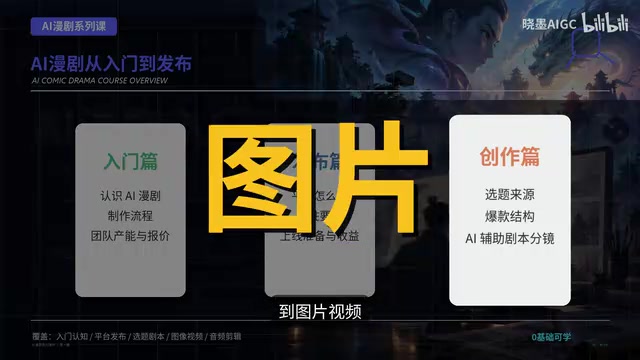
It's worth noting that the vast majority of AI manga drama tutorials online focus on two things: crafting prompts and choosing platforms. But what actually determines whether a piece succeeds or fails usually has nothing to do with prompts.
The Script Is the Foundation
The creator makes a point of emphasizing this: what kills a project is never the prompts — it's starting to generate images before you've chosen the right script and truly understood it.
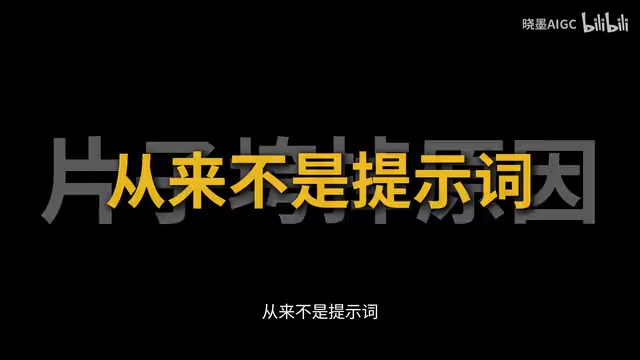
This cuts right to the heart of a common beginner mistake. AI tools are genuinely powerful, but they operate at the execution layer. If your narrative logic is broken or your script structure is loose, no amount of prompt refinement can save a story with an empty core. The script is the foundation of the entire piece — and it deserves the most thought and time investment.
Asset Quality Determines Final Output Quality
Another common trap is stitching video together using low-quality assets, resulting in a pile of continuity errors and visual glitches. The creator warns that using assets before they've been through an "initial review" check makes it easy to mistakenly approve them — only to discover the problems later in production. This is a reminder that creators need to establish quality checkpoints at every stage, rather than rushing ahead to the next step.
The "initial review" refers to evaluating a newly generated, unused asset's performance when it first enters the video synthesis pipeline. AI-generated images frequently suffer quality loss or seam glitches after being imported into video tools, due to issues with resolution, color space, frame rate, or compression format. The core logic of the initial review is this: before committing to batch production, test the complete import–composite–export chain with a single frame or clip to see how the asset actually looks in the final output — not just in its preview. This step is the equivalent of a "dailies review" in traditional film production. It's equally non-negotiable in AI manga drama workflows, especially whenever you switch to a new tool or change parameter settings.
Platform Selection and Publishing Strategy
Creating the content is just the first step. Which platforms you choose, how you get set up on them, and how you layer your publishing approach directly affect your earnings.
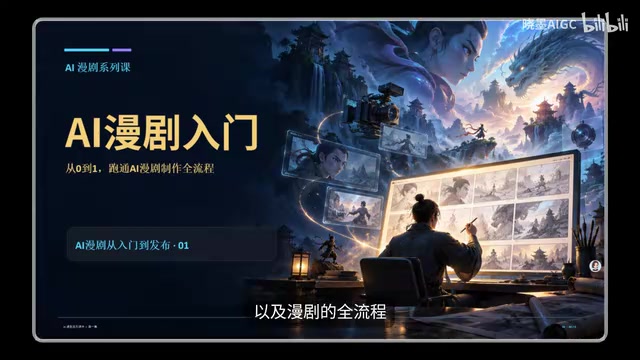
Different platforms have different requirements around content format, video length, and revenue-sharing models. In the creator's framework, platform strategy is treated as its own dedicated module — covering how to choose platforms, how to complete onboarding, how to execute a layered publishing approach, and what to watch out for when posting. For creators focused on monetization, this section often creates more differentiation than production technique — the same content, deployed differently across platforms, can yield wildly different returns.
The main platforms currently hosting AI manga drama content include Bilibili (monetized through its Creator Incentive Program and tipping features), Douyin (traffic revenue sharing and livestream commerce), Kuaishou (brand deals via Magnetic Star), and WeChat Video Channels (original content revenue sharing). The monetization logic differs significantly across platforms: Bilibili values audience retention and completion rates; Douyin offers strong traffic support during the account-building phase but is highly competitive; Video Channels leverage the WeChat ecosystem for more efficient private-domain conversion. "Layered publishing" typically means adapting the same content to fit the tone and format of each platform before uploading in batches — as opposed to simple cross-posting, which multiple platforms have begun suppressing with reduced reach or even account bans. When choosing a primary platform, creators should factor in both their content style and where their target audience actually spends their time.
A Complete Beginner-to-Creator Roadmap
The creator's series is structured in three parts:
- Conceptual foundation: The first two episodes skip technical instruction entirely and focus on understanding AI manga dramas — what they are, what stages a single video goes through, and how large a team is actually needed.
- Platform strategy: Covers platform selection, onboarding, layered publishing, and key things to watch out for.
- Hands-on walkthrough: A complete, step-by-step production run — from topic selection and scriptwriting through image generation, video creation, voiceover, and editing.
This "understand first, strategize second, execute third" structure is well-considered. Many people rush straight to the tools without developing a grasp of the underlying creative logic, which leaves their work lacking direction. Thinking clearly upfront about what you want to make, where you'll publish it, and how you'll monetize it actually makes the whole process more efficient.
Final Thoughts
AI manga dramas represent a defining direction in AI-powered content creation: using technology to remove the barriers of traditional production, enabling individual creators to produce work that once required a full team. But the democratization of tools doesn't automatically make everyone good at using them — real competitive advantage still comes from taste in topic selection, scriptwriting ability, and a genuine understanding of platform dynamics.
For anyone looking to break into the AI content space, AI manga dramas are a serious entry point worth studying. The tools are just a ticket to the table. Whether you can consistently produce high-quality content and turn it into sustainable income ultimately depends on your full range of creative abilities.
Related articles

Build an AI Super Employee System at Zero Cost: A Full Breakdown of Automated Agent Workflows
A deep breakdown of the AI super employee system demoed on Bilibili: agent orchestration, digital human voiceovers, map and enterprise lead generation, 24/7 customer service, and legal modules. We analyze the business logic and compliance risks behind zero-cost signup to help entrepreneurs judge the real ROI of this AI digital employee system.

The Essential Difference Between Chatbots and AI Agents: Crossing from Conversation to Execution
What's the difference between a chatbot and an AI agent? Based on the MCP series on the Learn Tech channel, this article uses examples like booking flights and summarizing notes to explain: a chatbot only gives answers, while an agent actually completes tasks through a think-act-observe loop. It breaks down the four core components—model, tools, memory, and goal—as well as MCP's role as a bridge, and discusses agents' applicable boundaries and permission risks.

Free GitHub Repo: 342 Hours of AI Courses, from Math to MCP Servers
A free GitHub repo offers 342 hours of AI courses: 523 lessons across 20 phases, from math fundamentals to agent building and MCP servers. Nearly 100,000 learners have started.