Airbnb vs. BnB: Platform Brand Protection and the Trademark Battle
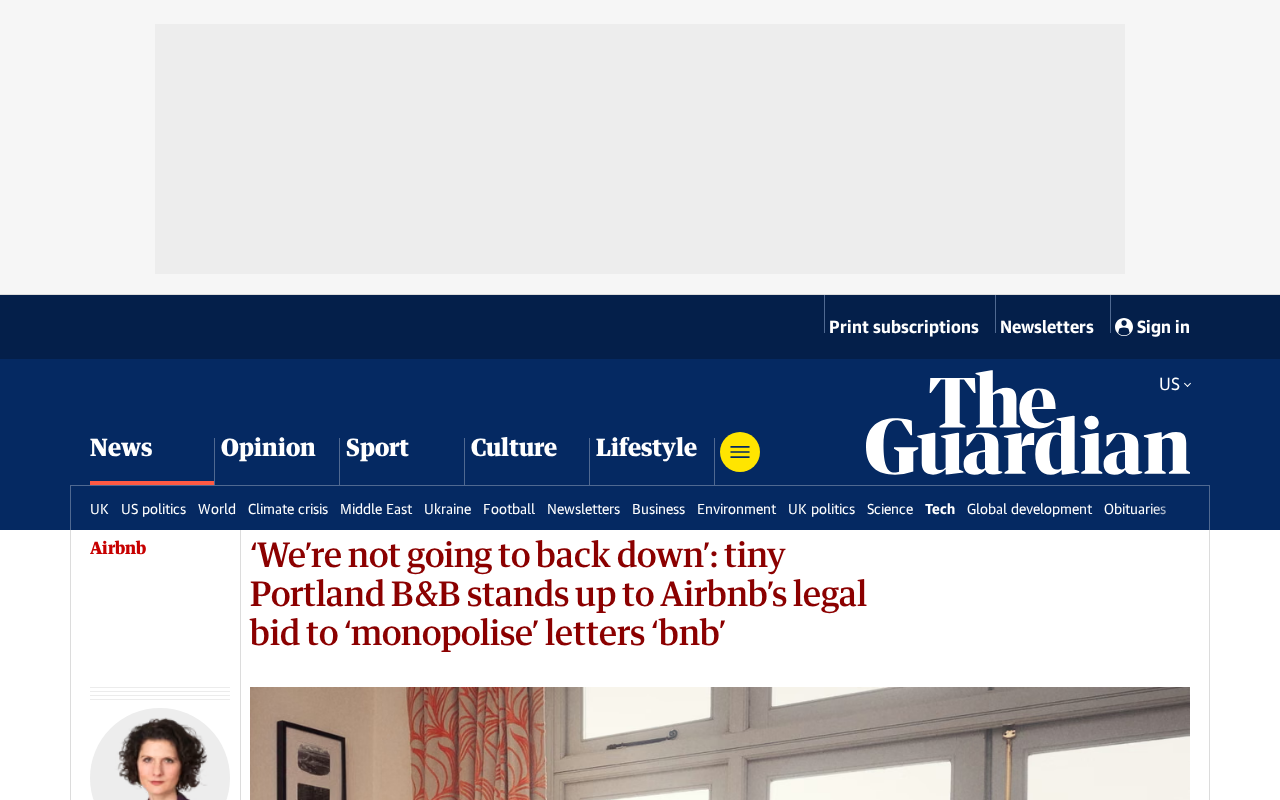
Airbnb's move to restrict the generic abbreviation "BnB" sparks debate over trademark limits and platform power.
A Hacker News post about Airbnb restricting use of the generic abbreviation "BnB" has sparked debate over trademark law and platform authority. "BnB," shorthand for "Bed and Breakfast," predates Airbnb — and trademark law typically doesn't protect such generic terms. Yet since Airbnb's own brand name is built from this abbreviation, its claims occupy a legal gray zone between legitimate brand protection and trademark overreach. For small B&B operators who rely on the term, platform restrictions could directly impact their businesses — reflecting the growing control major platforms exert over pricing, traffic, and even language itself.
Background
A post recently appeared on Hacker News titled "Airbnb Preventing the Use of BnB," sparking discussion despite limited traction (only 8 points and 1 comment). It touched on a recurring tension in tech and business: large platforms asserting brand control over common words or abbreviations.
"BnB" is a well-established shorthand for "Bed and Breakfast," used across the hospitality industry for decades. When an industry giant like Airbnb attempts to restrict the use of this abbreviation, it naturally raises questions about the limits of trademark rights, ownership of generic terms, and the expanding reach of platform power.
The Tension Between Generic Terms and Trademark Protection
At the heart of this kind of dispute is a fundamental question: can a company claim exclusive rights over a term that already belongs to the public domain? "Bed and Breakfast" and its abbreviation "BnB" were in widespread use long before Airbnb was founded — they are industry-standard terms.
Trademark law generally does not protect purely generic terms. However, when companies deeply associate generic language with their own brand, they often pursue legal avenues to broaden that protection — attempting to block competitors or third parties from using similar identifiers. This practice, known as trademark overreach, frequently draws pushback from industry participants and legal commentators alike.
For small and independent B&B operators and entrepreneurs who rely on terms like "BnB" for their business and marketing, platform-imposed restrictions can have a direct and tangible impact on their operations.
Trademark law includes an important concept called genericide — when a trademark becomes so widely used by the public to describe a category of product or service that it loses legal protection. History offers plenty of examples: "Aspirin," "Escalator," and "Zipper" were all once registered trademarks before becoming common nouns through genericide. Airbnb faces the inverse problem — a kind of reverse genericide — in that it is attempting to bring a term that was already generic (BnB) under the umbrella of its brand protection. The U.S. Patent and Trademark Office (USPTO) examines the prior usage history of such terms in relevant industries when reviewing trademark applications. If the applicant cannot demonstrate that the term has acquired secondary meaning — a distinct association with a specific source — the application is typically rejected. This is precisely why such disputes carry considerable legal uncertainty.
The Concern Over Platform Power
As the world's leading short-term rental platform, Airbnb's decisions ripple throughout the entire hospitality ecosystem. When a platform attempts to control the use of industry-standard terminology, it reveals the growing market authority that major platforms wield.
This power isn't limited to pricing and traffic distribution — it extends into the realm of brand identity and language itself. When a company's brand name (Airbnb) is itself built from a generic industry abbreviation (bnb), drawing the line between legitimate brand protection and improper market monopolization becomes a complex legal and ethical challenge.
Platform control over language and terminology is not without precedent. Google has repeatedly expressed concern about "Google" being used as a verb (meaning "to search"), fearing the risks of genericide. Uber, too, has been cautious in various markets about colloquial expressions equating its brand name with the act of hailing a ride. Airbnb's situation is arguably more complicated than either of these cases: its brand name is a portmanteau built directly from the generic abbreviation "BnB." This means that in fighting to control the term, it faces an uphill battle proving the legal distinctiveness of its own brand. Emerging regulatory frameworks such as the EU's Digital Markets Act (DMA) have begun scrutinizing the gatekeeping behaviors of dominant platforms. Whether language- and brand-level restrictions will eventually fall within the scope of antitrust review is a policy development worth watching closely.
Key Takeaways
For observers of the tech industry, this episode highlights several important considerations:
- The double-edged sword of naming strategy: Embedding generic terms into a brand name can help quickly establish industry associations in the short term, but may make it difficult to defend exclusive rights over the long run.
- The boundaries of platform governance: As the platform economy matures, platforms' control over language and rules within their ecosystems continues to grow — regulatory and self-governance mechanisms urgently need to keep pace.
- The vulnerability of small operators: In conflicts with platform giants, independent and small-scale operators are frequently at a disadvantage, and may need to rely on industry associations or legal channels to protect their interests.
Conclusion
It is worth noting that, given the very limited information in the original source material, this article is primarily an extended analysis based on the topic itself, rather than a detailed account of a specific legal dispute. Whether this situation will escalate into formal trademark litigation — or remain a community-level discussion — remains to be seen as more information emerges.
Regardless of the outcome, the Airbnb vs. "BnB" dispute offers a compelling lens through which to examine platform power, the limits of trademark law, and the delicate balance of industry ecosystems.
Related articles
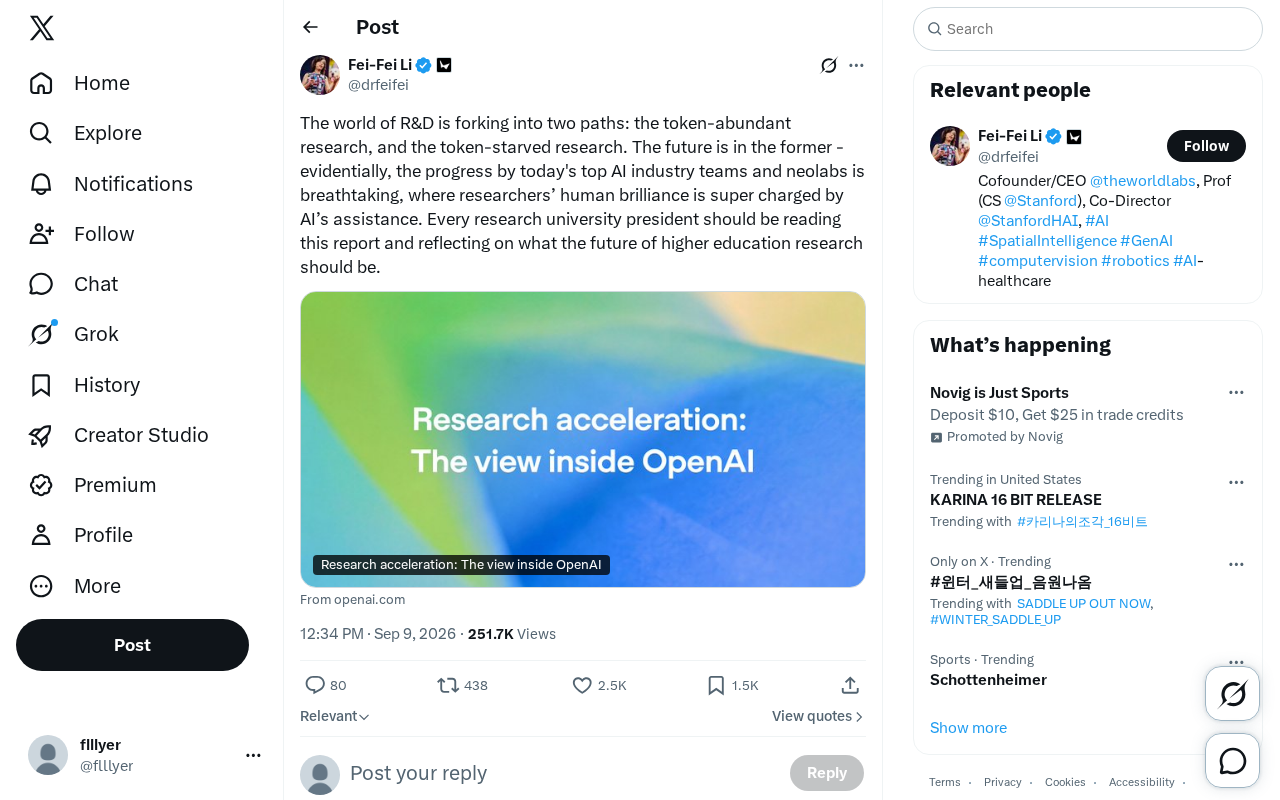
R&D Is Forking: The Coming Battle Between Token-Abundant and Token-Starved Research
R&D is splitting into token-abundant and token-starved research. Top AI labs are pulling ahead—here's what it means for universities and the future of science.
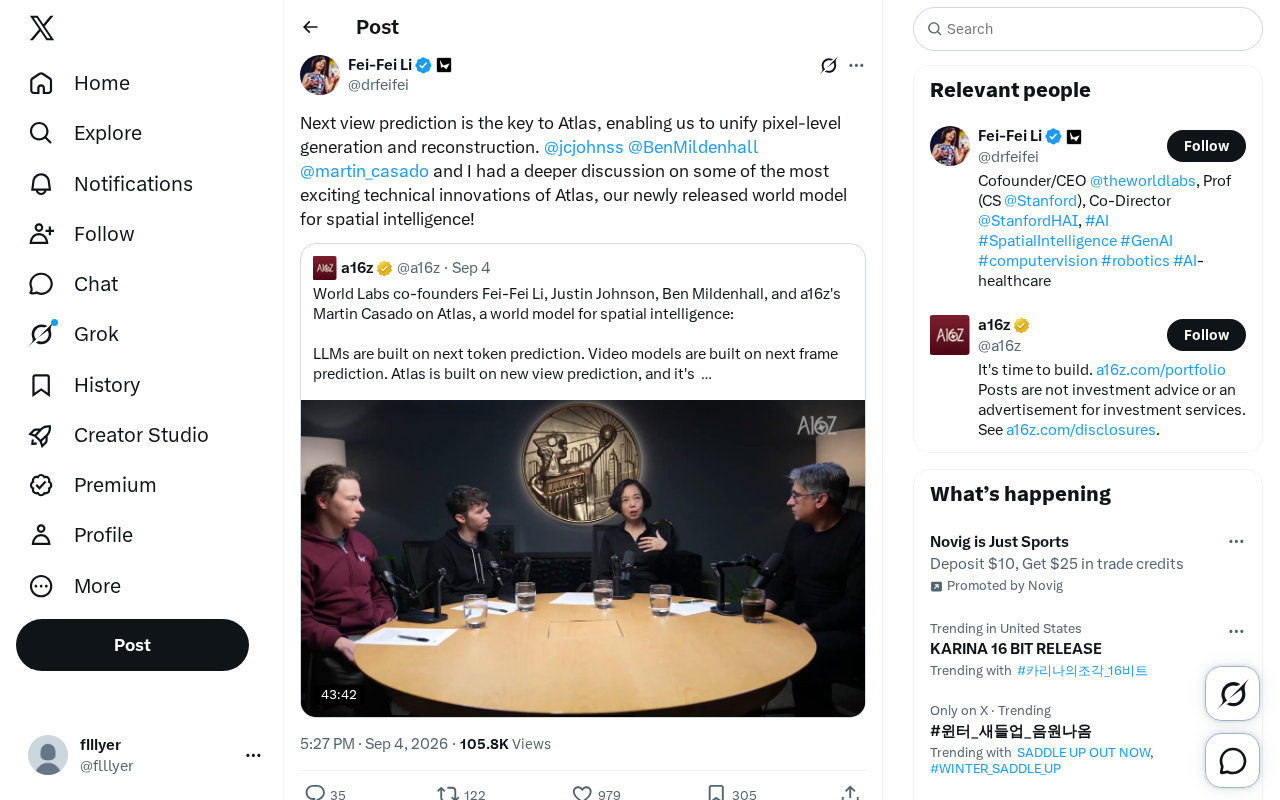
Atlas World Model Explained: How Next View Prediction Unifies Generation and Reconstruction
The Atlas world model uses Next View Prediction as its core to unify pixel-level generation and reconstruction, offering a new approach to spatial intelligence.
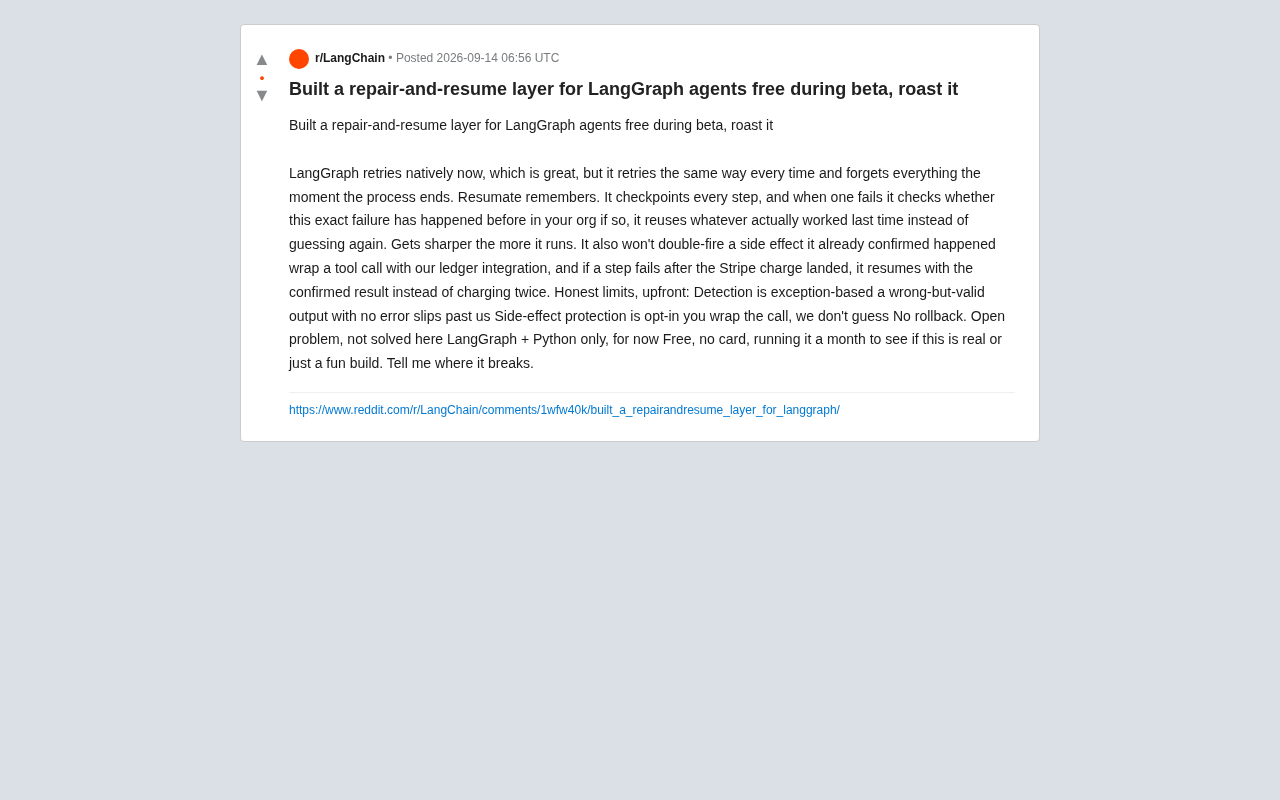
Resumate: A Deep Dive into the Repair-and-Resume Layer for LangGraph Agents
Resumate adds memory-aware checkpointing and idempotent side-effect protection to LangGraph agents, preventing issues like duplicate Stripe charges on retry.